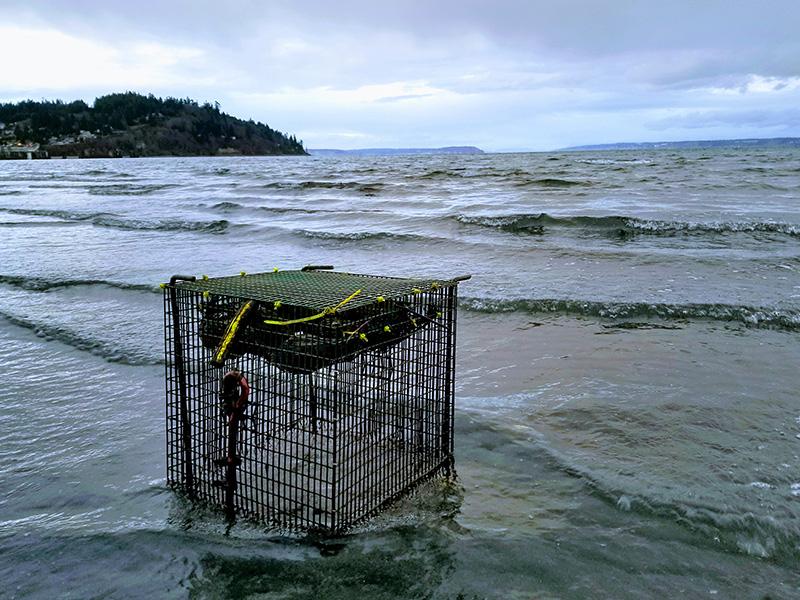
Their consistency and predictability makes tidal energy attractive, not only as a source of electricity but, potentially, as a mechanism to provide reliability and resilience to regional or local power grids.
For the past several years Sam Chatterjee, PNNL data scientist and lead editor, has worked hard to make a book about homeland security risk analysis a reality. And in June, his perseverance paid off.
Lenaïg Hemery, a marine energy specialist with Pacific Northwest National Laboratory, has been appointed to the position of topic editor for the Journal of Marine Science and Engineering.
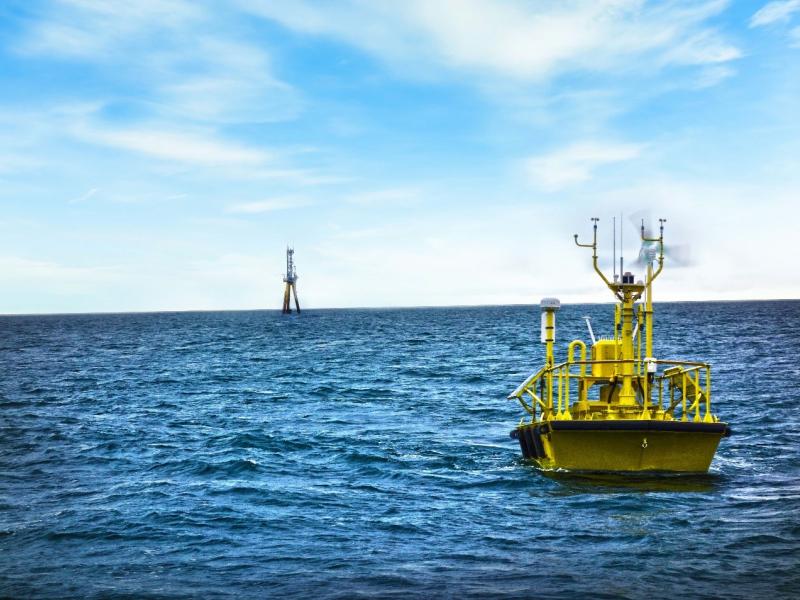
Research buoys managed by PNNL underwent a $1.3-million upgrade that included more powerful lidar that reaches heights of today’s taller wind turbines.
To help spur economic development and assist in the battle against COVID-19, PNNL is making available its entire portfolio of patented technologies on a research trial basis—at no cost—through the end of 2020.
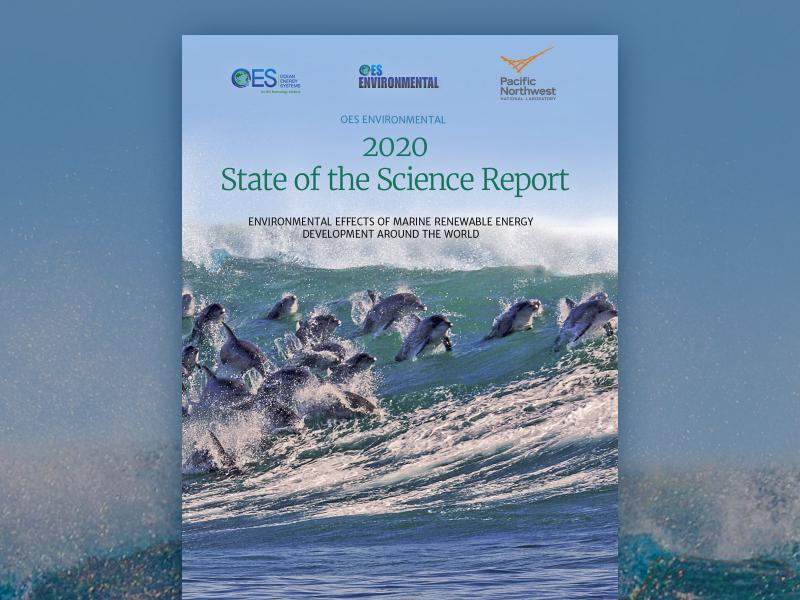
On World Oceans Day, an international team of marine scientists reports that the potential impact of marine renewable energy to marine life is likely small or undetectable, though some uncertainty remains.
A new chapter, coauthored by PNNL cybersecurity researcher Glenn Fink, describes a method to identify vulnerabilities in blockchain smart contracts as they are developed.
Lori Ross O’Neil, a Digital Cybersecurity project manager at PNNL, was elected secretary of the 2020 Board of Directors for (ISC)2, the world’s largest nonprofit association of cybersecurity professionals. She will serve a 1-year term.
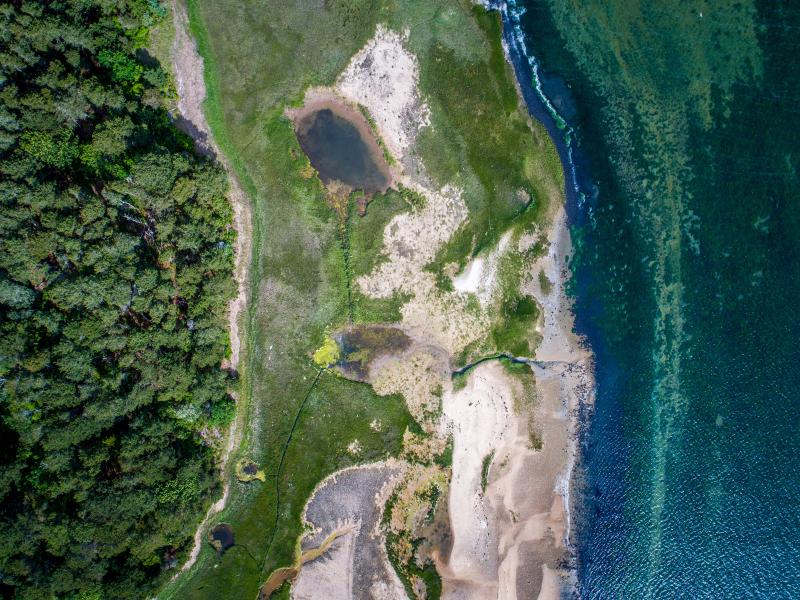
In a recent review article, an interdisciplinary team of researchers led by PNNL biogeochemist Nick Ward proposed a path to refining the representation of coastal interfaces in Earth systems models used to predict climate.
Ten staff members from PNNL were invited to attend and lead the various breakout sessions at the Department of Energy Office of Science 5G Enabled Energy Innovation Workshop (5GEEIW), which was held in early March.
Two PNNL researchers are helping define the future of transparency and accountability for public and private use of autonomous and intelligent systems.
With the help of a diagnostic tool called the Salish Sea Model, researchers found that toxic contaminant hotspots in the Puget Sound are tied to localized lack of water circulation and cumulative effects from multiple sources.
Verizon recently announced a partnership that will make Pacific Northwest National Laboratory the U.S. Department of Energy’s first national laboratory with Verizon 5G ultra wideband wireless technology.
PNNL offers a wide range of internships in science, technology, engineering, and mathematics (STEM). Interns work in offices and laboratories alongside experienced researchers to expand their knowledge and form mentoring relationships.
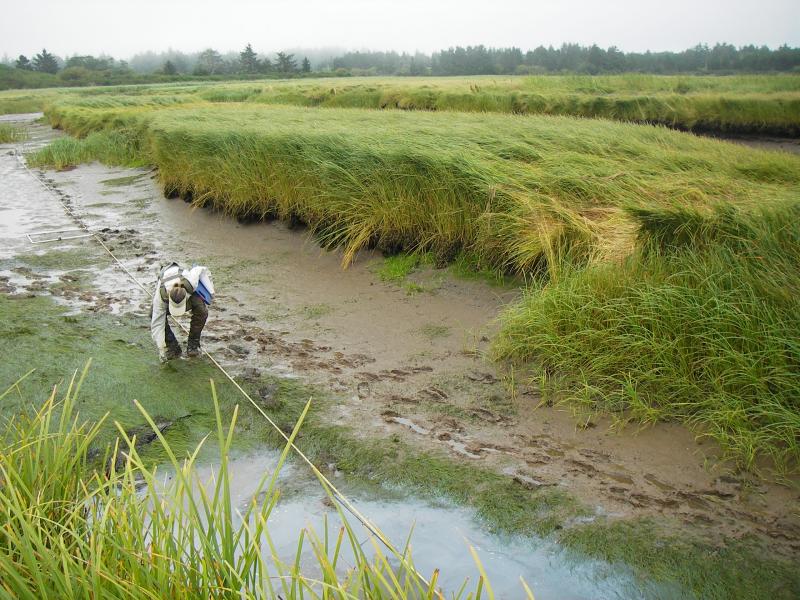
PNNL coastal ecologist Heida Diefenderfer was a featured speaker in February at the National Academies of Sciences, Engineering, and Medicine’s Government-University-Industry Research Roundtable on policy and global affairs.
David Manz, a PNNL cybersecurity scientist working to build more resilient architectures for the nation’s critical infrastructure, was inducted to the National Science Foundation’s CyberCorps: Scholarship for Service (SFS) Hall of Fame.
In a special edition of the Journal of Information Warfare, Pacific Northwest National Laboratory researchers explore the revolution of technologies defending the nation’s critical infrastructure.
PNNL Emeritus Scientist Ronald Thom received the 2019 Environmental Leadership Award at the Northwest Straits Marine Conservation Initiative Conference.
A student computing security research project guided by PCSD computer scientists Ang Li and Kevin Barker placed third among dozens of entries in the student research poster session at SC19, a premier annual conference for high-performance c