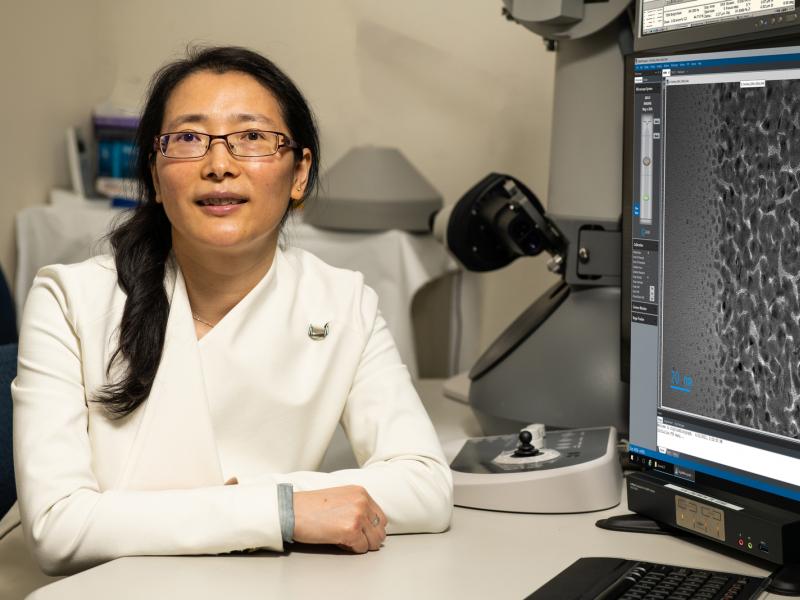
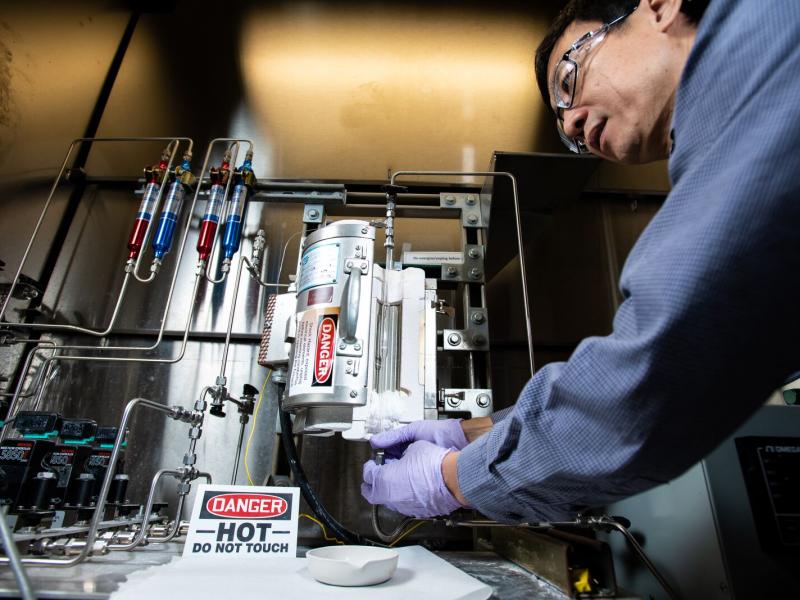
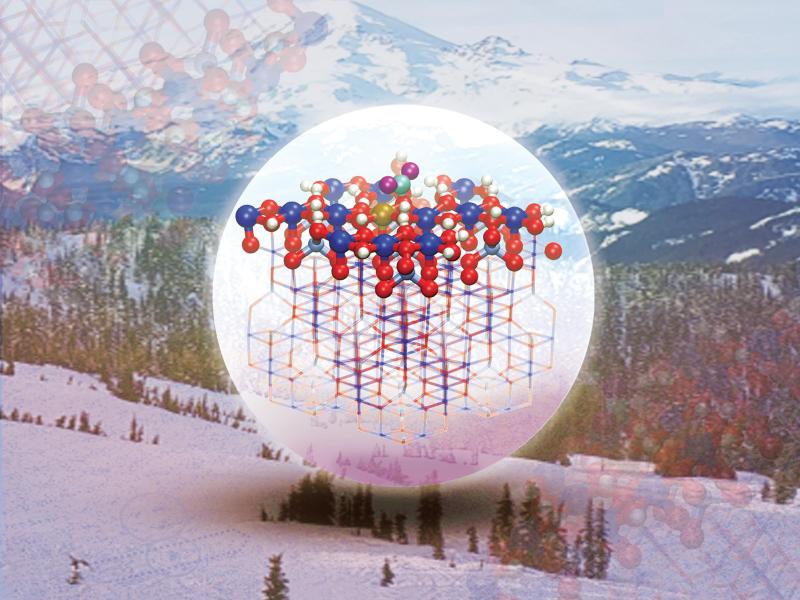
A discovery from PNNL and Washington State University could help reduce the amount of expensive material needed to treat vehicle exhaust by making the most of every precious atom.
Weber recently shared his knowledge of catalysis in a perspective for the Boudart Special Issue of the Journal of Catalysis and a News and Views article for Nature Sustainability.
Shaw is one of 18 fellows selected by the National Laboratory Directors' Council to join the 2020–2021 Oppenheimer Science and Energy Leadership Program Fellowship.
A new report led by PNNL identifies the top 13 most promising waste- and biomass-derived diesel blendstocks for reducing greenhouse gas emissions, other pollutants, and overall system costs.
Brandi Cossairt, a PI in the Center for Molecular Electrocatalysis (CME) and a Professor of Chemistry at the University of Washington, was elected to the Washington State Academy of Sciences.
PNNL cybersecurity engineer Penny McKenzie was selected from hundreds of national laboratory mentors to join Secretary of Energy Jennifer Granholm on multi-laboratory DOE internship panel for summer interns.
Bojana Ginovska leads a physical biosciences research team headed for PNNL's new Energy Sciences Center. She uses the transformative power of molecular catalysis and enzymes to explore scientific principles.
PNNL recently worked with Purdue University to host a Cybersecurity Summit for PNNL researchers to find out more about the research at Purdue’s Center for Education and Research in Information Assurance and Security.
Svitlana Volkova, chief scientist for decision intelligence and analytics at PNNL, was invited as a panelist at the SIAM International Conference on Data Mining
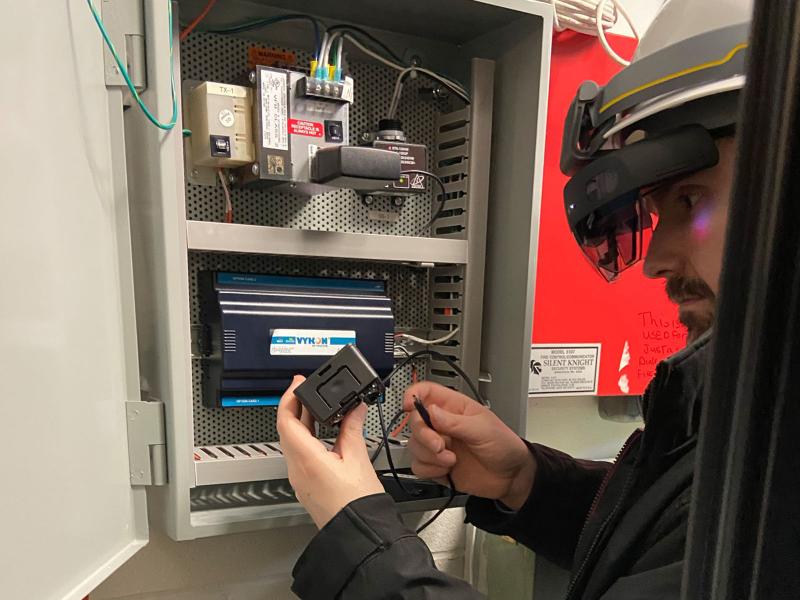
When the COVID-19 pandemic halted all travel for in-person inspections, a team at PNNL knew they needed to find a way to perform assessments virtually. Their solution—a portable kit that could be shipped to locations.
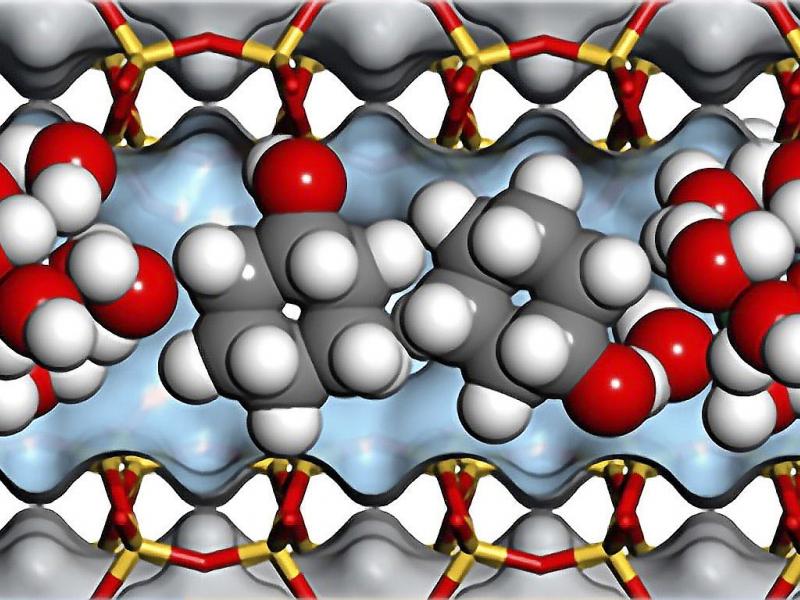
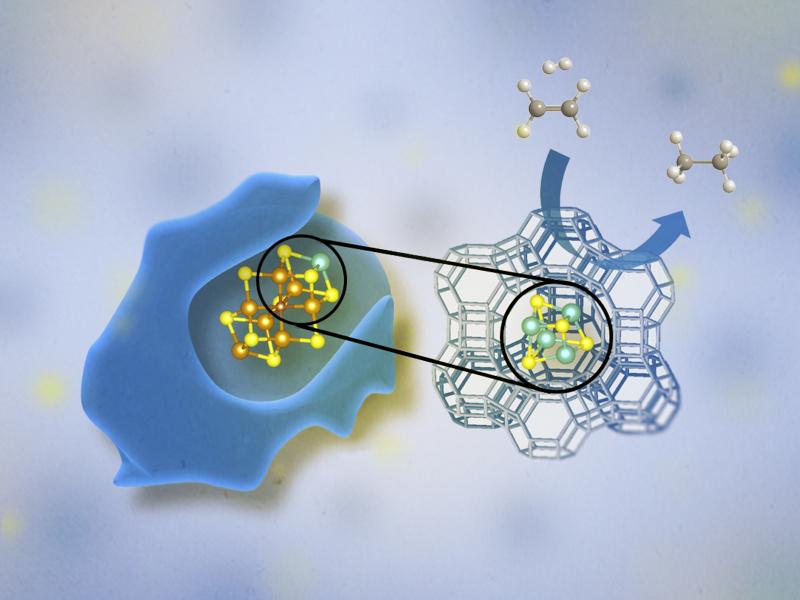
Tetranuclear molybdenum sulfide clusters encaged in zeolites mimic the FeMo-cofactor of nitrogenase, offering a new opportunity for improving industrial hydrotreatment processes.
A collaboration among PNNL, Washington State University, and Tsinghua University has led to the discovery of a mechanism behind the decline in performance of an advanced copper-based catalyst.
Marcel Baer is a computational scientist working in PNNL’s Physical Sciences Division with a prominent effort in materials science and physical bioscience.
New research uncovers the mechanism of carbon dioxide reduction by metal-O-Fe bonds of single-metal atoms and metal nanoparticles supported by oxidic surfaces.
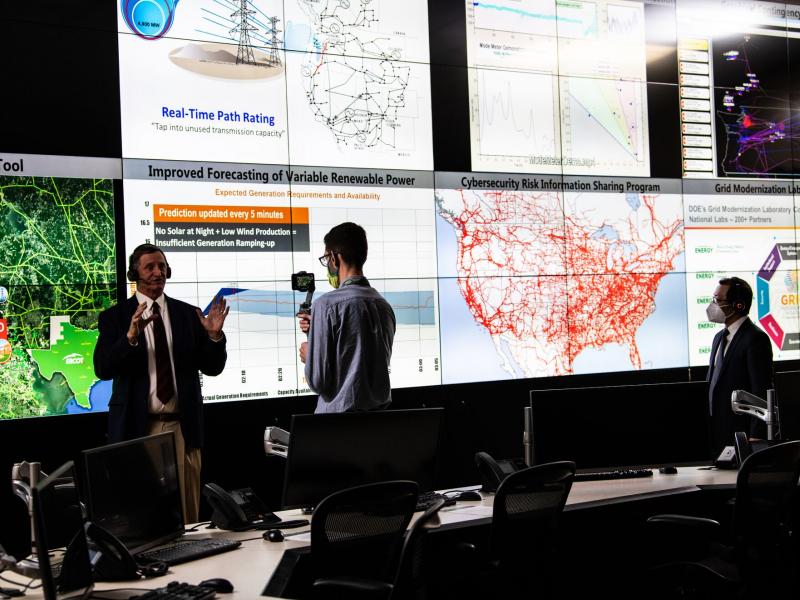
PNNL computer scientists joined international leaders in machine learning to present research to detect and address potential cybersecurity threats and devise epidemic interventions.