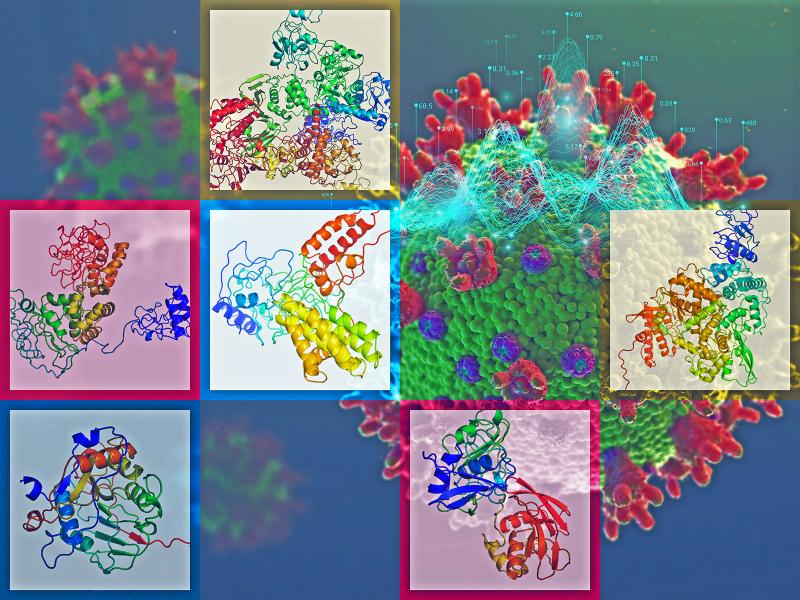
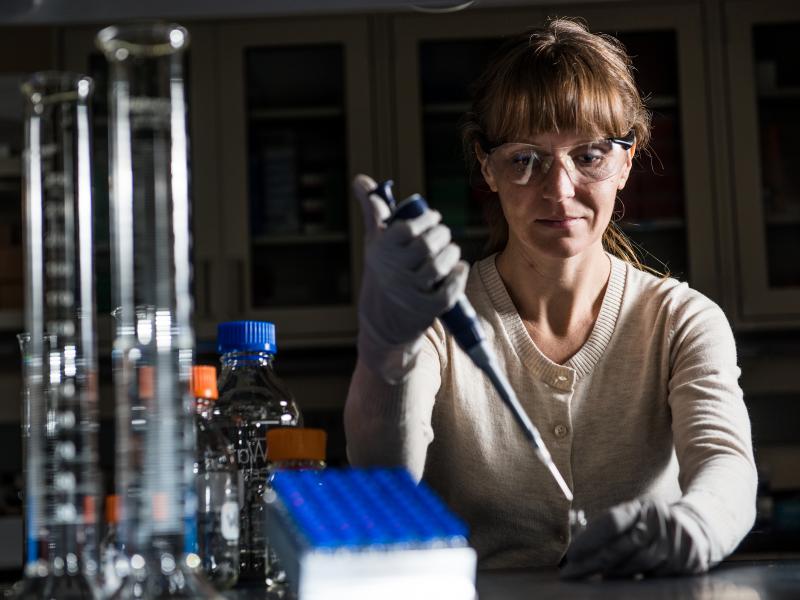
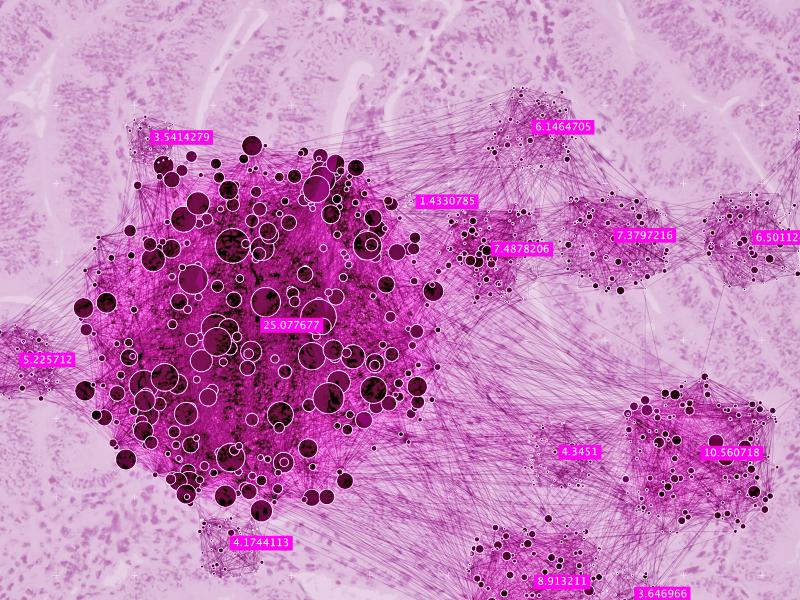
A PNNL scientist is studying the structures of the proteins on the surface of the novel coronavirus, using NMR spectroscopy to reveal information about the molecular toolkit that holds the keys to a vaccine or treatment.
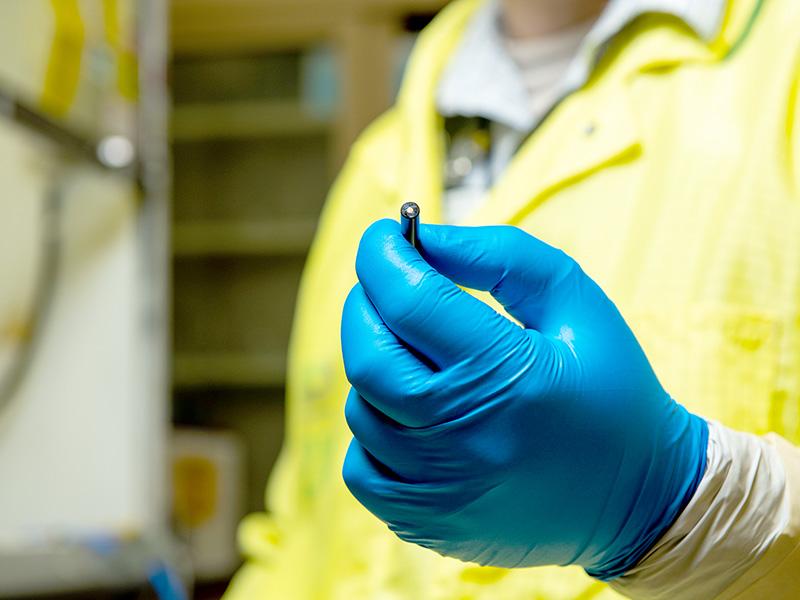
Existing techniques to detect pertechnetate in the environment have drawbacks. PNNL’s redox sensor technology uses a gold probe to accurately and efficiently measure low levels of pertechnetate—and possibly other contaminants—in groundwater
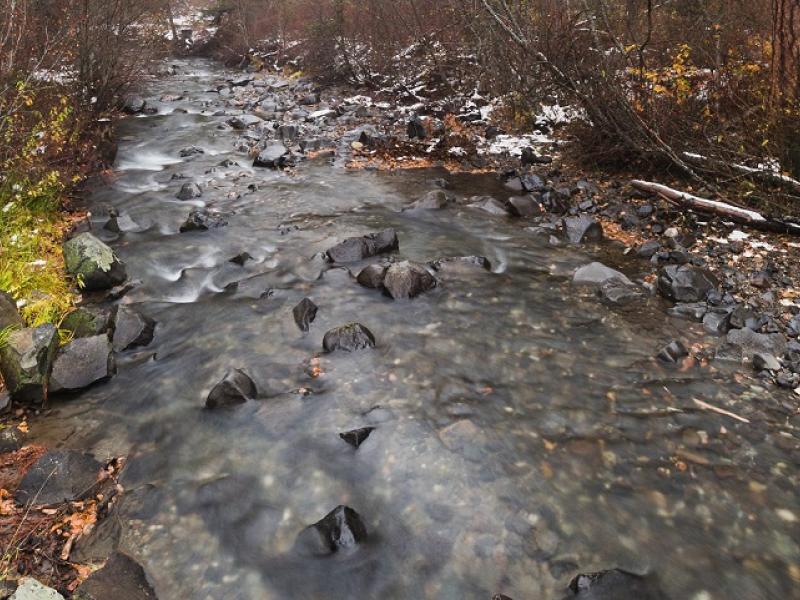
A recent paper published in Water Resources Research found that the spatial variability of subsurface sediments, and seasonal fluctuations in a river’s water level, influences the behavior of a uranium contaminant plume, particularly in ...
Researchers adding water to the surface of alumina measured some surprising results that raise important questions regarding the fundamental reactions that govern chemical transformations of aluminum oxides and hydroxides.
Scientists at the Interfacial Dynamics in Radioactive Environments and Materials (IDREAM) sort out which compounds are present and their concentrations, providing an important new tool with broad applicability.
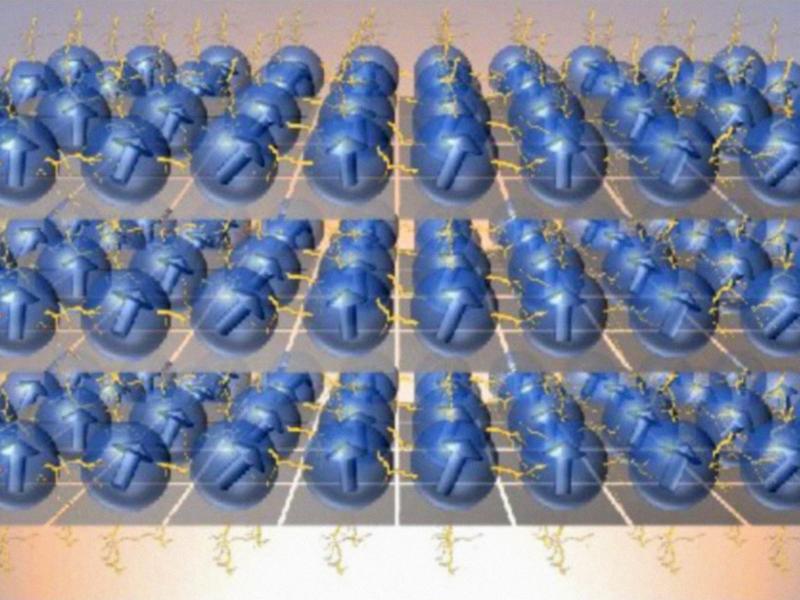
The race toward the first practical quantum computer is in full stride. Scientists at PNNL are bridging the gap between today’s fastest computers and tomorrow’s even faster quantum computers.
DOE researchers investigated the role of microbial genetic diversity in two major subsurface biogeochemical processes: nitrification and denitrification.
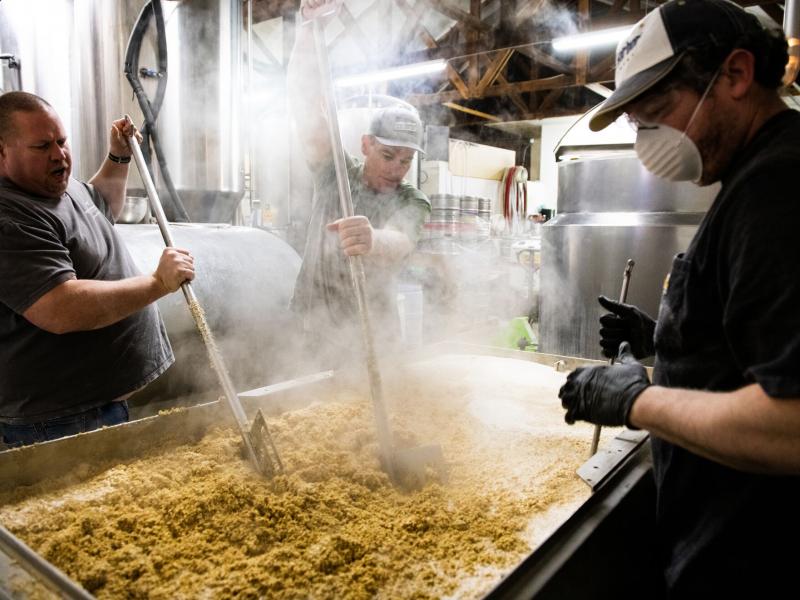
A chemical engineer by day at PNNL, Dan Howe is an ardent home brewer by night. The connection resulted in production of biocrude oil from brewery waste.
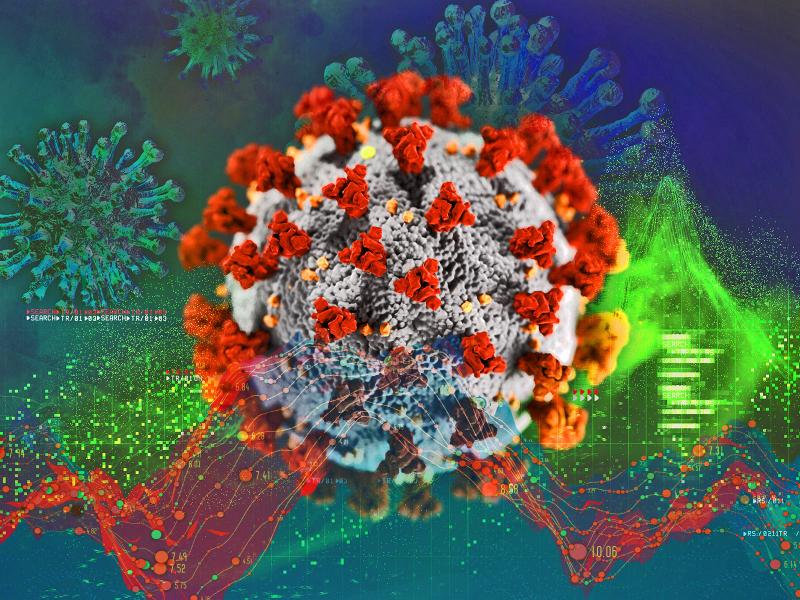
Combining its strength in biological sciences and data analytics, researchers at the Department of Energy's PNNL are working to enable a quick response to a biological incident — whether intentional, accidental or natural.
Shannon Stahl leads the Molecular Mediators thrust in the Center for Molecular Electrocatalysis (CME). Stahl Is the winner of the 2020 American Chemical Society Catalysis Lectureship.
PNNL researchers and professional staff led discussions ranging from biothreats and climate change to science careers at the 2020 annual meeting of the American Association for the Advancement of Science, held this year in Seattle.
A new study focusing on the proteins involved in endometrial cancer, commonly known as uterine cancer, offers insights about which patients will need aggressive treatment and which won’t.
Malhotra, a chemist, will apply her expertise on designing and creating modular solvents for carbon capture, acid gas separations, catalysis, and rare earth metal extractions to provide constructive review for the submitted manuscripts.
Kevin Rosso, the associate director for geochemistry in PNNL’s Physical Sciences Division, has been selected to receive the 2020 Science Innovation Award from the European Association of Geochemistry.