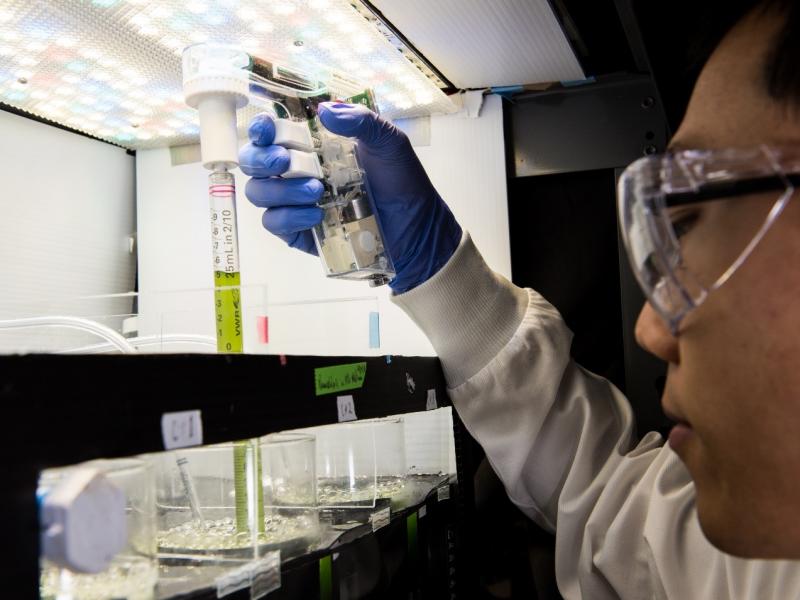
In the third year of the DISCOVR Consortium project, the consortium team has identified an algal strain that progressed successfully through multiple evaluation phases.
Quin Miller is a geochemistry postdoctoral research associate who was recently recognized for “exceptional contributions” to PNNL. The nomination criteria included productivity, innovation, dedication, hard work, and strong sponsor impact.
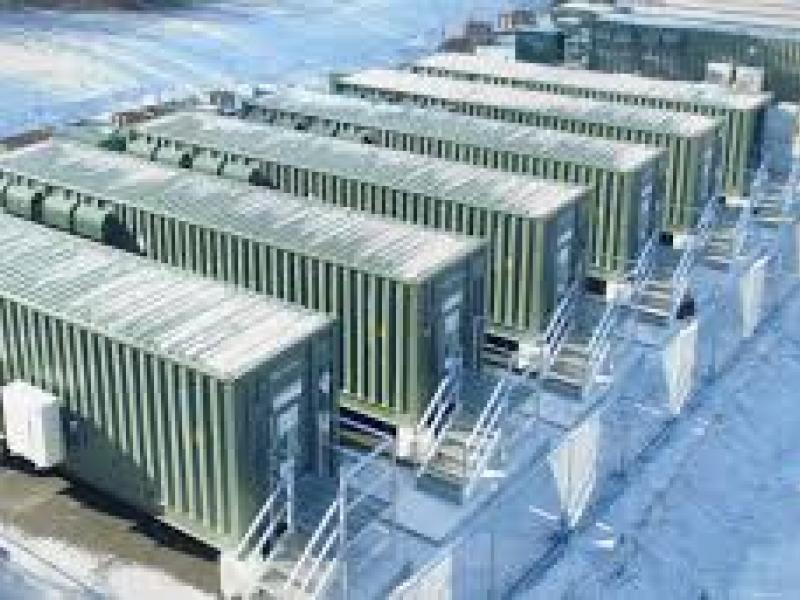
With support from DOE’s Office of Electricity and National Grid, PNNL led a groundbreaking study to accurately assess the full value of grid energy storage investments across a wide variety of use cases.
A new Co-Optima report describes an assessment of 400 biofuel-derived samples and identifies the top ten candidates for blending with petroleum fuel to improve boosted spark ignition engine efficiency.
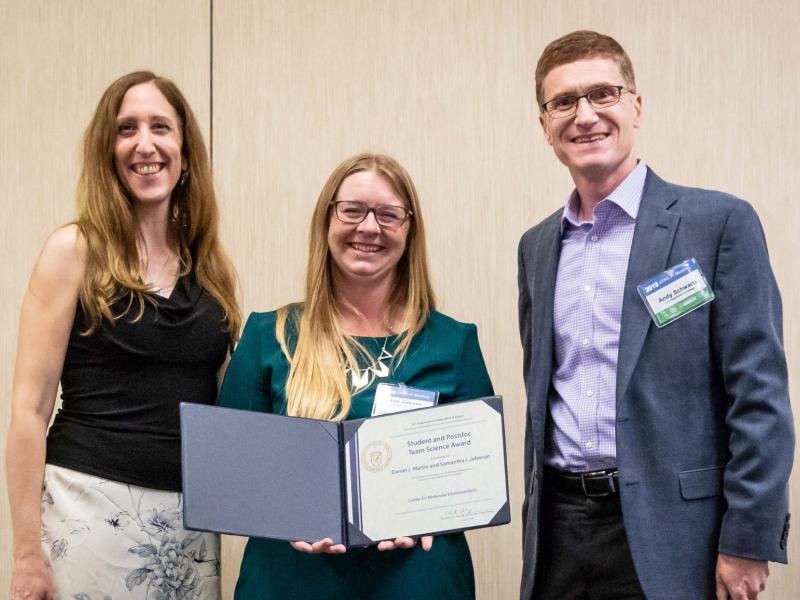
CME investigators Daniel Martin (Yale) and Samantha Johnson (PNNL) received a team science award at the 2019 Energy Frontier Research Centers (EFRC) Principal Investigators' Meeting in Washington, D.C. in July 2019.
Prof. Yogesh (Yogi) Surendranath of the Center for Molecular Electrocatalysis (CME) was honored with a Presidential Early Career Award for Scientists and Engineers.
Energy storage is slowly shifting utility planning practices from the current paradigm, which ensures grid reliability by building reserve generation resources, to ensuring grid reliability by optimizing grid services.
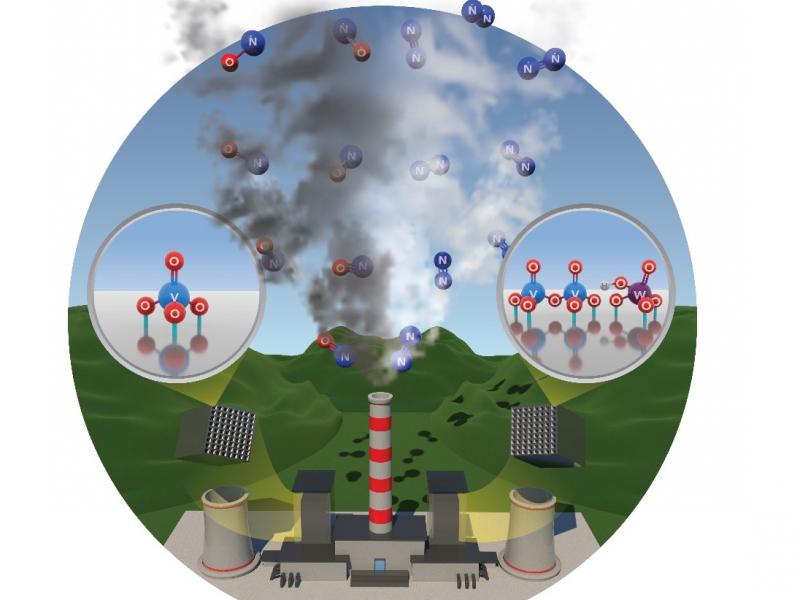
Nitrogen oxides, also known as NOx, form when fossil fuels burn at high temperatures. When emitted from industrial sources such as coal power plants, these pollutants react with other compounds to produce harmful smog.
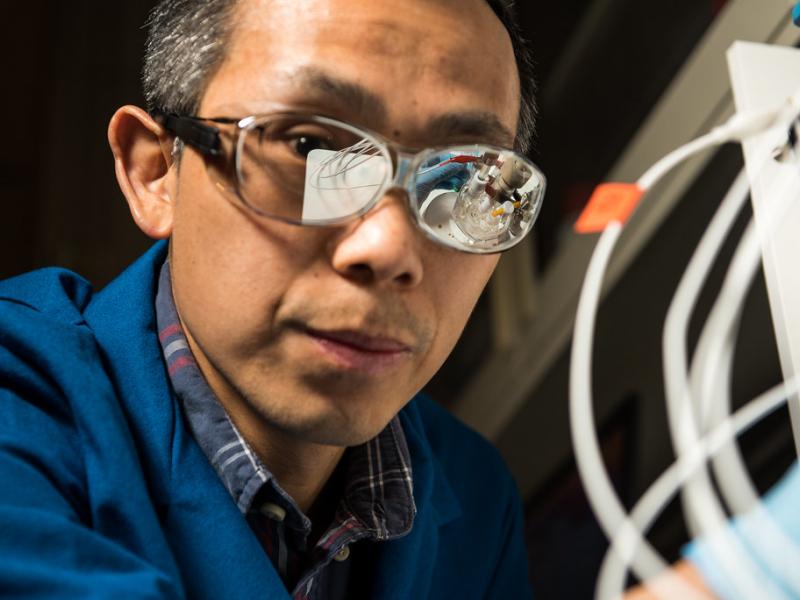
Yuyan Shao, a PNNL electrochemist and materials scientist, served as a guest editor in a recently published special issue of the journal Advanced Materials.
Eric Hoppe, senior scientist, was selected a 2019 American Chemical Society (ACS) fellow. Eric is being recognized for his contributions to analytical chemistry measurements and three decades of volunteer service to the ACS community.
Researchers at PNNL have developed a model that predicts outcomes from the algae hydrothermal liquefaction process in a way that mirrors commercial reality much more closely than previous analyses.
A new PNNL tool makes it easy to see the differences across the country when it comes to the cost and affordability of electricity. Users can sort and compare nearly 100 metrics or variables and get individual county information.
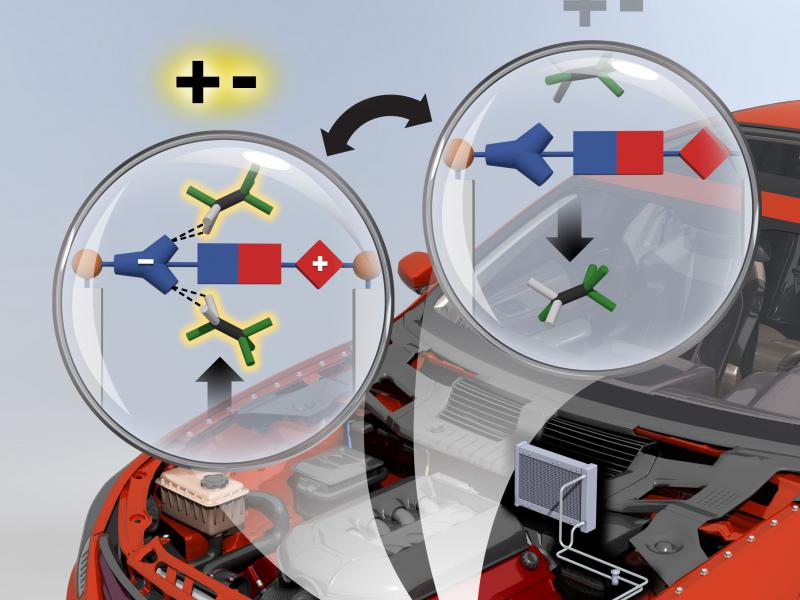
Researchers at PNNL have introduced an alternative method using a molecular-based pump that could potentially use a quarter less energy than the age-old mechanical pump.