For the past several years Sam Chatterjee, PNNL data scientist and lead editor, has worked hard to make a book about homeland security risk analysis a reality. And in June, his perseverance paid off.
A chemistry paper on the used nuclear fuel recycling process, led by PNNL lab fellow Gregg Lumetta, ranked 18th in Scientific Reports for downloads in 2019
A new chapter, coauthored by PNNL cybersecurity researcher Glenn Fink, describes a method to identify vulnerabilities in blockchain smart contracts as they are developed.
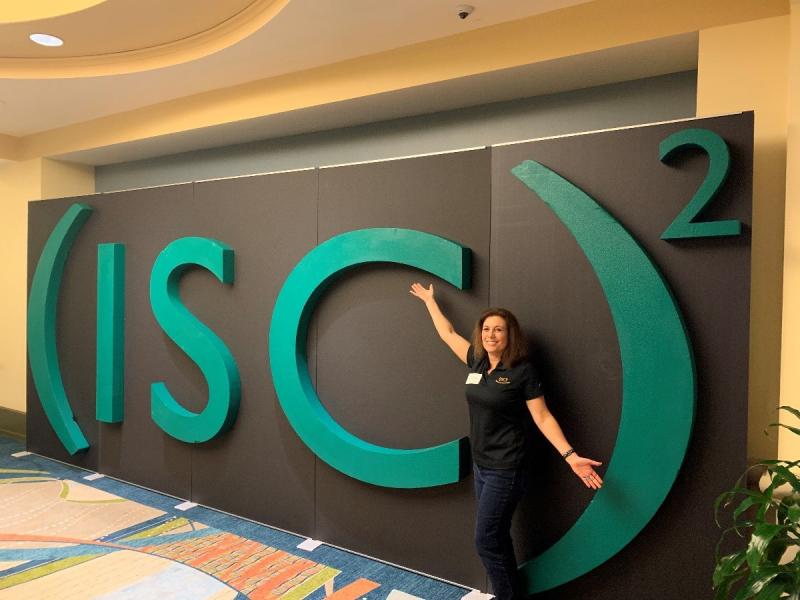
Lori Ross O’Neil, a Digital Cybersecurity project manager at PNNL, was elected secretary of the 2020 Board of Directors for (ISC)2, the world’s largest nonprofit association of cybersecurity professionals. She will serve a 1-year term.
Two PNNL team members, Courtney Corley, a data scientist, and Kyle Bingman, an advisor on assured artificial intelligence (AI), were featured on a recent episode of the U.S. Department of Energy Direct Currents podcast.
Sam Chatterjee, a senior operations research scientist at PNNL, was recently appointed as associate editor for the specialty section, “Water and the Built Environment” at the peer-reviewed, open access journal Frontiers in Water.
Ten staff members from PNNL were invited to attend and lead the various breakout sessions at the Department of Energy Office of Science 5G Enabled Energy Innovation Workshop (5GEEIW), which was held in early March.
Two PNNL researchers are helping define the future of transparency and accountability for public and private use of autonomous and intelligent systems.
David Senor, PNNL researcher and tritium expert, has been named to the Texas A&M University Nuclear Engineering Advisory Council. This appointment follows Senor’s eight consecutive years of mentoring Texas A&M’s nuclear engineering senior
PNNL researchers Lisa Bramer and Sarah Reehl were on a team that received a patent for its work with electron microscopy. Electron microscopy allows scientists to make nanoscale observations of materials.
Daniel Jackson, a nonproliferation policy specialist at PNNL, was selected by the Center for a New American Security (CNAS) as a 2020 Shawn Brimley Next Generation National Security Fellow.
PNNL offers a wide range of internships in science, technology, engineering, and mathematics (STEM). Interns work in offices and laboratories alongside experienced researchers to expand their knowledge and form mentoring relationships.
David Manz, a PNNL cybersecurity scientist working to build more resilient architectures for the nation’s critical infrastructure, was inducted to the National Science Foundation’s CyberCorps: Scholarship for Service (SFS) Hall of Fame.
Bill Cannon, senior scientist and biophysicist in the Computational Mathematics Group, was a co-author of a recent article published in Nature Partner Journals-Digital Medicine.
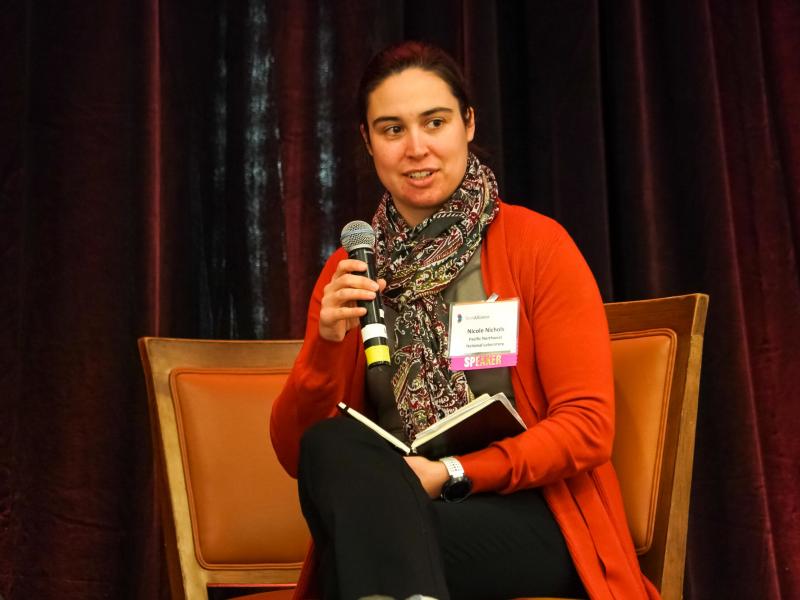
Nicole Nichols, a senior researcher at PNNL, spoke during the AI: Policy Matters Summit in Seattle, Washington on December 12. The summit, hosted by TechAlliance, brought together more than 200 leaders from across Washington State.
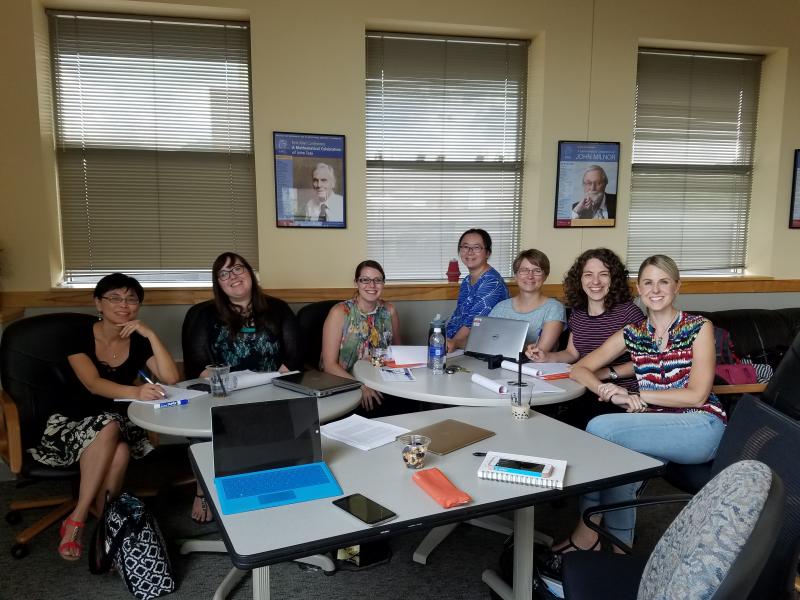
A group of female mathematicians and computer scientists, which includes PNNL’s Emilie Purvine, has published its third paper on joint research to understand and accurately represent object relationships through metric graphs.
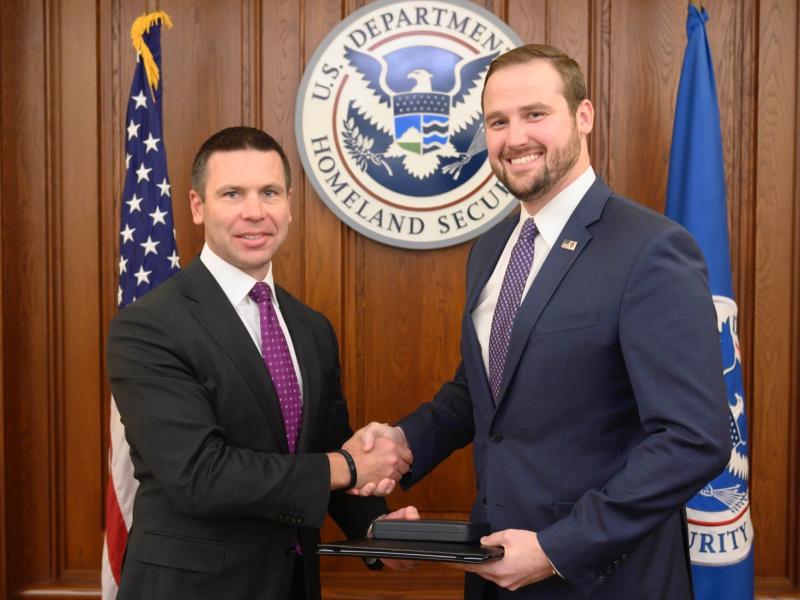
Former U.S. Department of Homeland Security (DHS) Acting Secretary Kevin K. McAleenan recently commended Thomas Plofchan for his service in the DHS front office
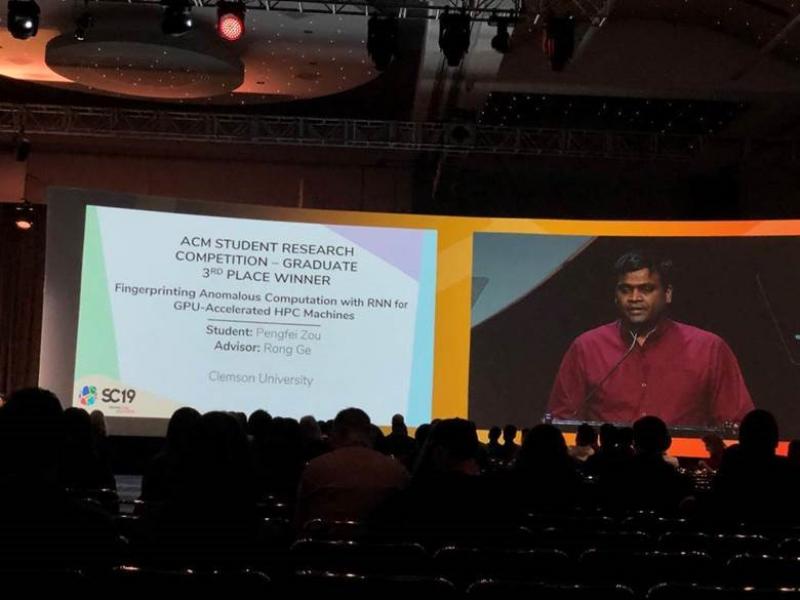
A student computing security research project guided by PCSD computer scientists Ang Li and Kevin Barker placed third among dozens of entries in the student research poster session at SC19, a premier annual conference for high-performance c