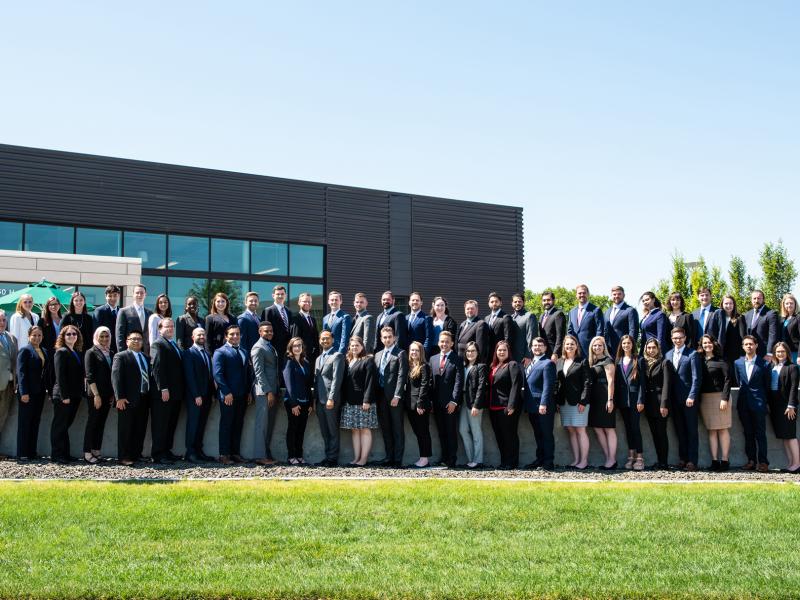
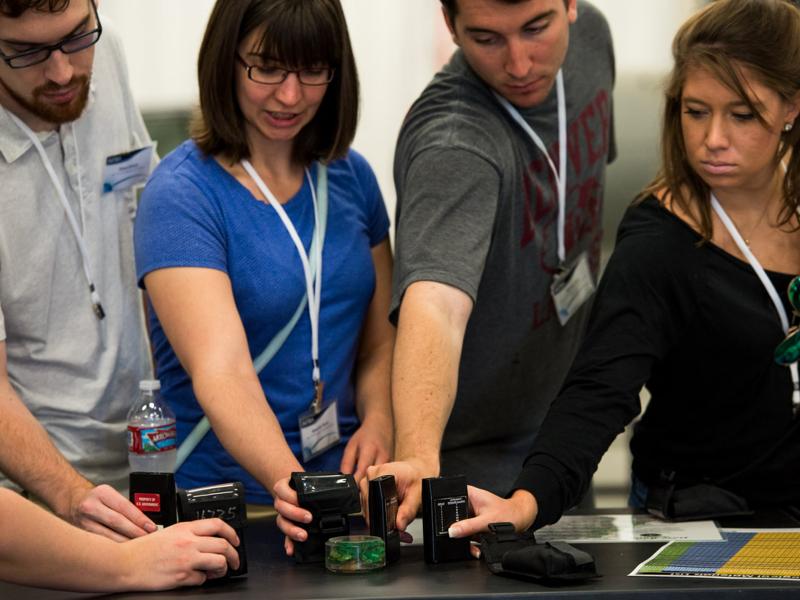
PNNL and the National Nuclear Security Administration are building future leaders for nuclear security through the NNSA Graduate Fellowship Program, a hands-on fellowship spanning the nuclear security enterprise.
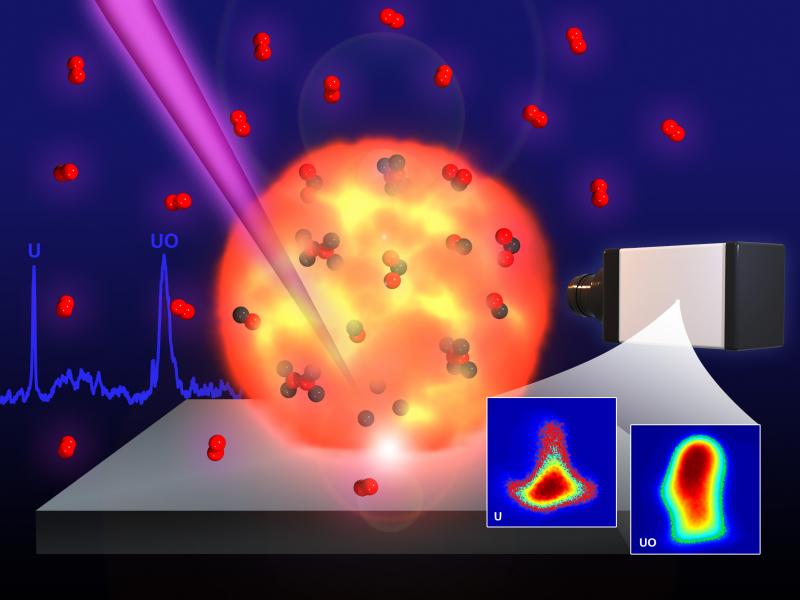
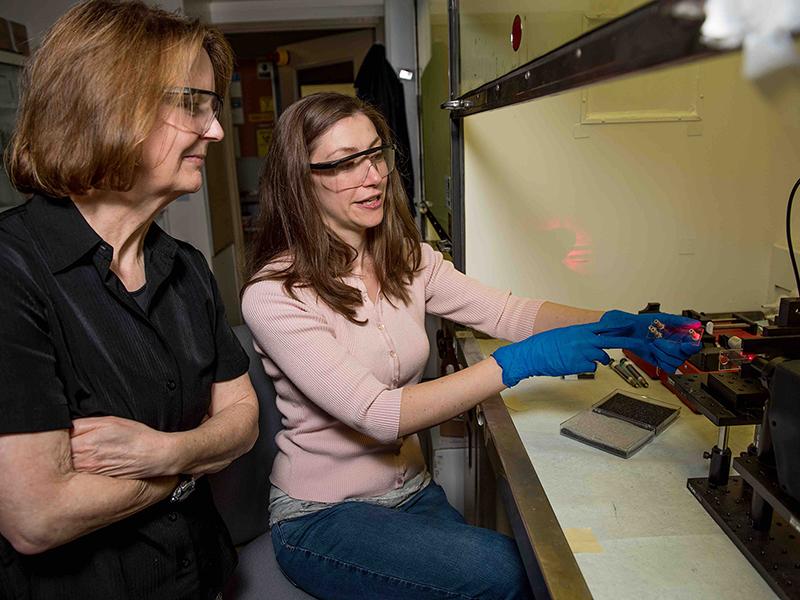
A team of researchers is working to expand our uranium chemistry understanding using a surprising tool: lasers. This capability gives never-before-seen insight into uranium gas-phase oxidation during nuclear explosions.
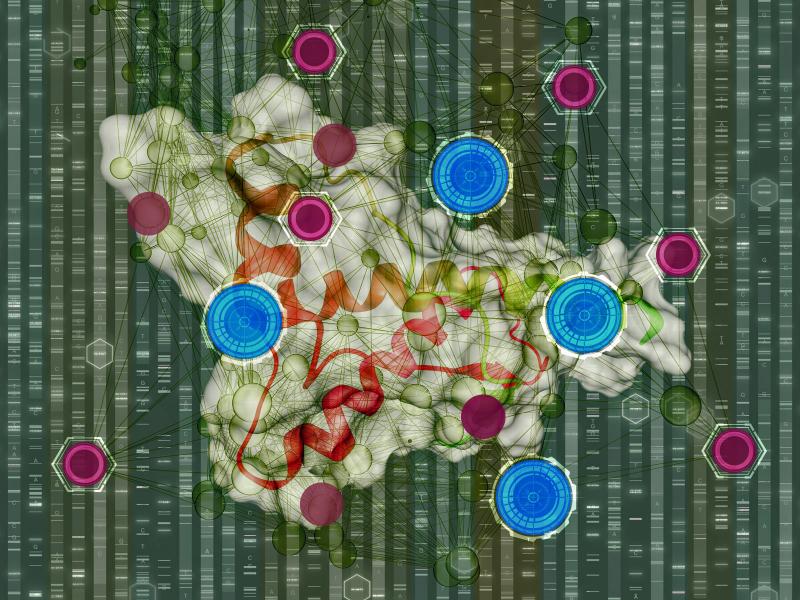
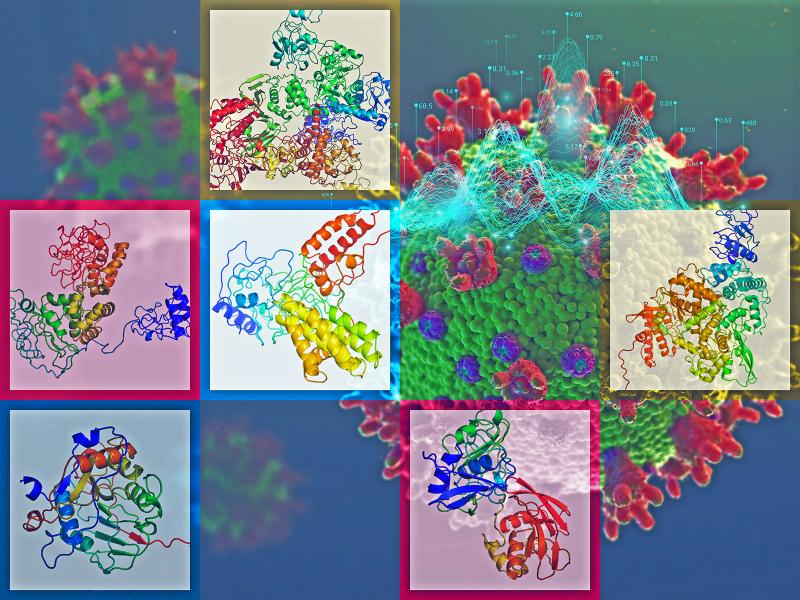
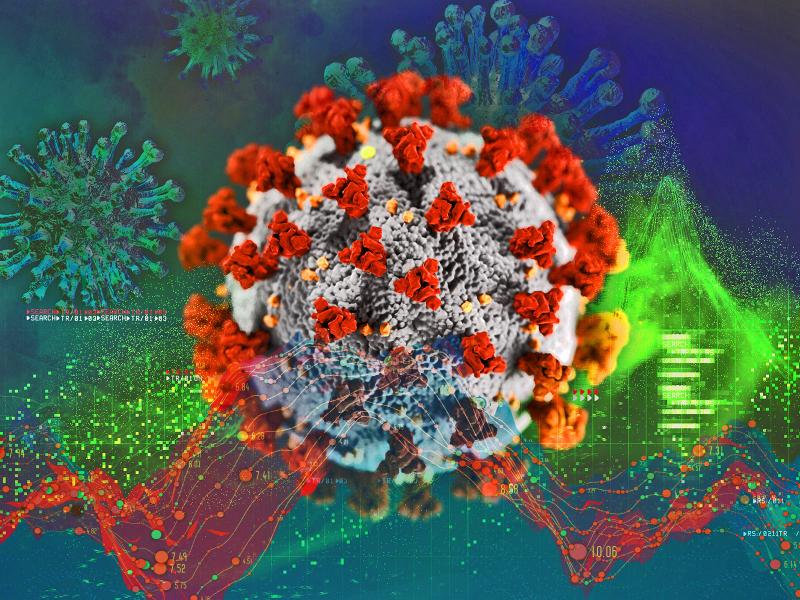
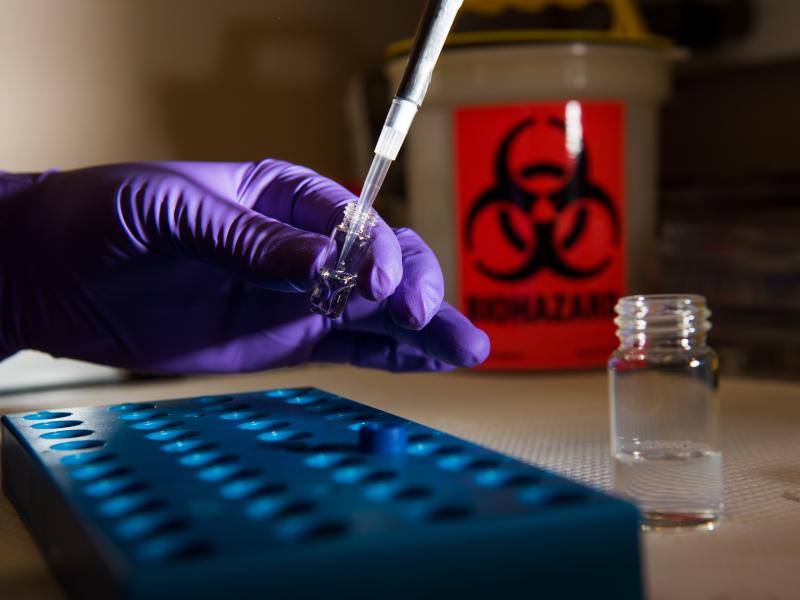
A PNNL scientist is studying the structures of the proteins on the surface of the novel coronavirus, using NMR spectroscopy to reveal information about the molecular toolkit that holds the keys to a vaccine or treatment.
PNNL researchers and professional staff led discussions ranging from biothreats and climate change to science careers at the 2020 annual meeting of the American Association for the Advancement of Science, held this year in Seattle.
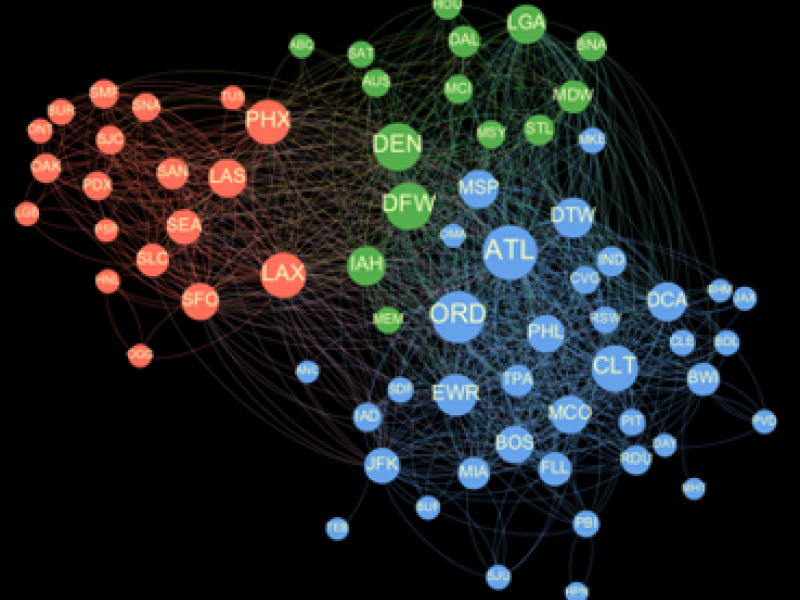
First-of-its-kind network analysis on a supercomputer can speed real-time applications for cybersecurity, transportation, and infectious disease tracking
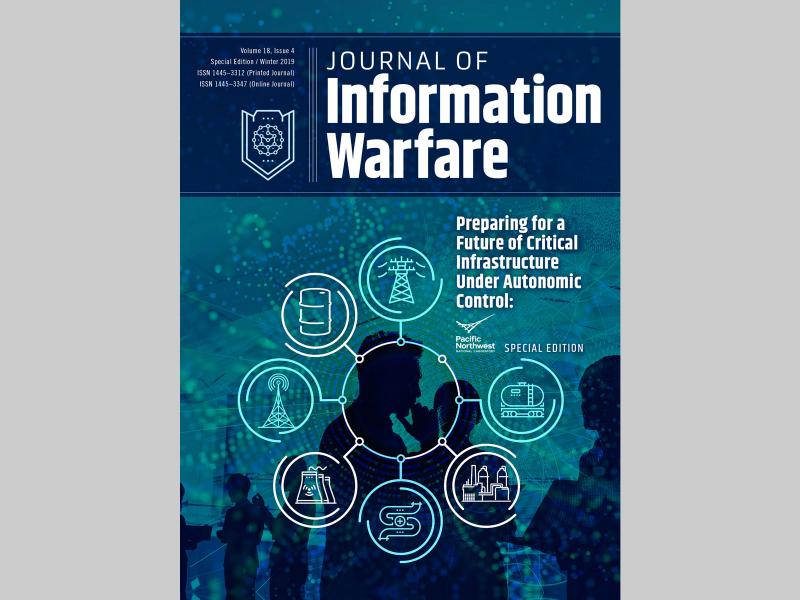
In a special edition of the Journal of Information Warfare, Pacific Northwest National Laboratory researchers explore the revolution of technologies defending the nation’s critical infrastructure.
A new book by PNNL biochemist Erick Merkley details forensic proteomics, a technique that directly analyzes proteins in unknown samples, in pursuit of making proteomics a widespread forensic method when DNA is missing or ambiguous.
The world’s largest scientific society honored Sue B. Clark, a PNNL and WSU chemist, for contributions toward resolving our legacy of radioactive waste, advancing nuclear safeguards, and developing landmark nuclear research capabilities.
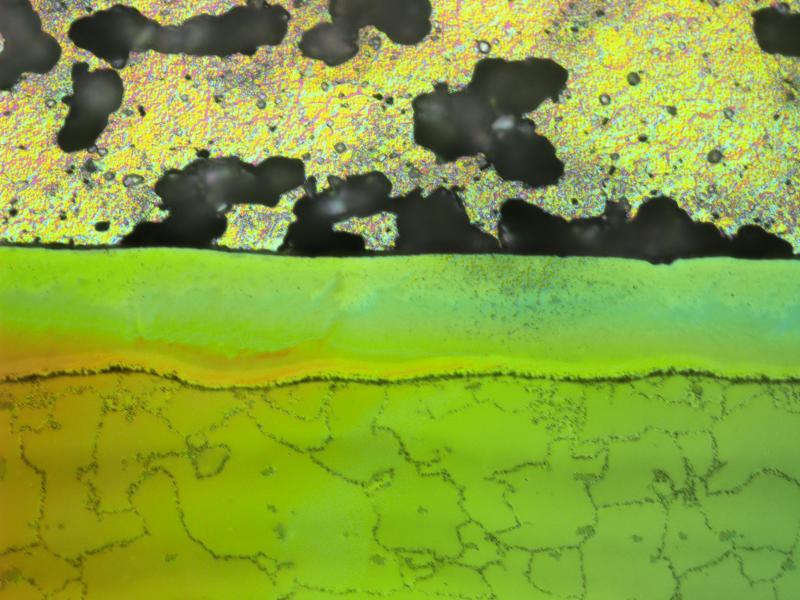
PNNL researchers demonstrated a nanoscale analysis tool to map isotopes to location in low-enriched uranium-molybdenum fuel plates for use in nuclear research reactors.
At a conference featuring the most advanced computing hardware and software, ML in its various guises was on full display and highlighted by Nathan Baker’s featured invited presentation.
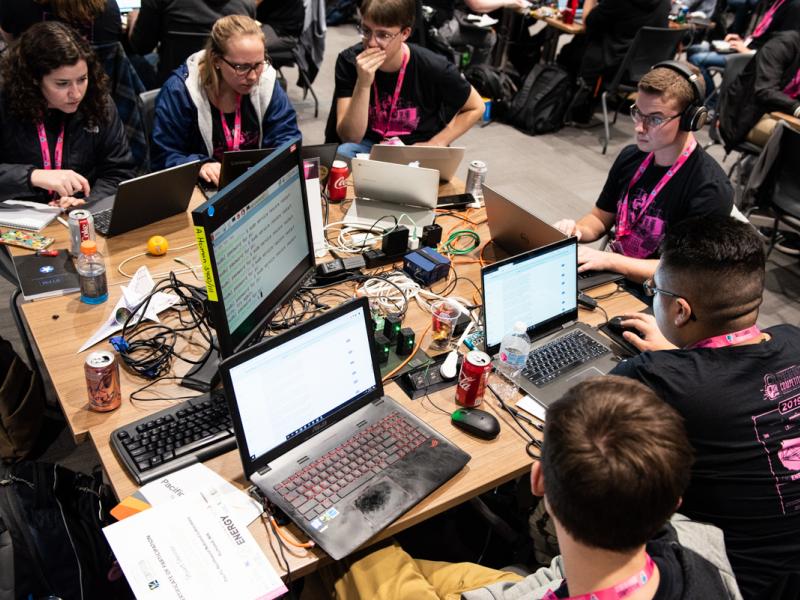
Seventeen teams from regional colleges and universities gathered at PNNL Nov. 16 to put their cyber skills to the test by protecting critical energy infrastructure against simulated cyberattacks as part of DOE's CyberForce Competition.
In today’s digital age, the rabbit hole of connected information can be not only a time sink, but downright overwhelming. Even for high-performance computers.
Twenty-four analysts from U.S. intelligence organizations met in August for a machine learning activity with PNNL researchers Nicole Nichols, Jeremiah Rounds, Lawrence Phillips, and Brian Kritzstein.
Trouble on the electric grid might start with something relatively small: a downed power line, or a lightning strike at a substation. What happens next?
Pacific Northwest National Laboratory is leading efforts to address next-generation computing’s critical role in protecting the nation from cybersecurity threats.
More than 350 people from scientific institutions, education and the private sector gathered at the PNNL campus July 30 for the IEEE Women in Engineering International Leadership Summit.
When two powerful earthquakes rocked southern California earlier this month, officials’ attention focused, understandably, on safety. How many people were injured? Were buildings up to code? How good are we at predicting earthquakes?
PNNL Laboratory Director Steve Ashby attended an event marking the 20th anniversary of the Department of Energy’s National Nuclear Security Administration Nuclear Smuggling Detection and Deterrence program.