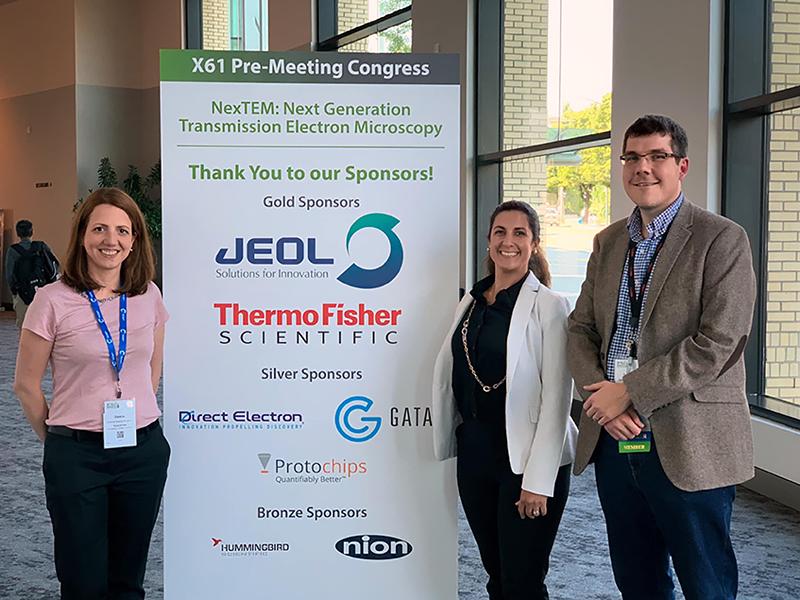
A gathering of international experts in Portland, Oregon, explored the future of electron microscopy and surfaced potential solutions in areas including new instrument designs, high-speed detectors, and data analytics capabilities.
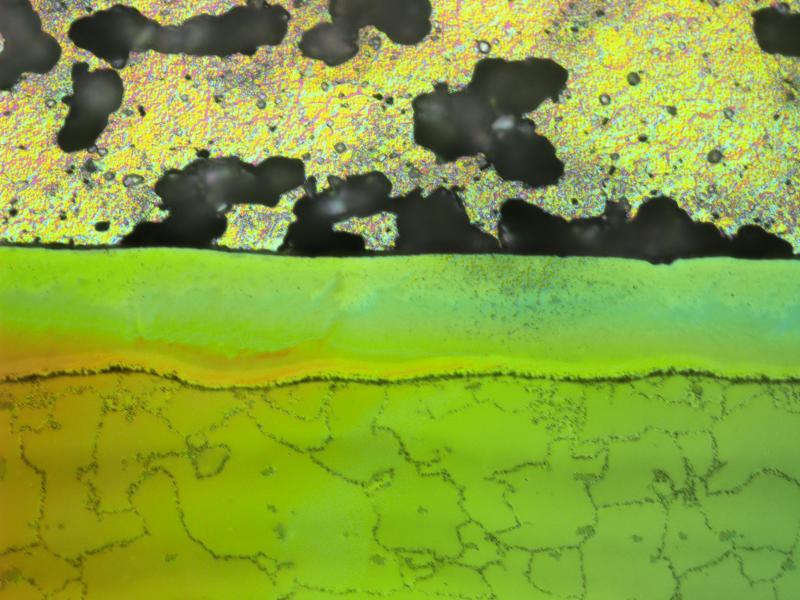
A multi-institute team develops an imaging method that reveals how uranium dioxide (UO2) reacts with air. This could improve nuclear fuel development and opens a new domain for imaging the group of radioactive elements known as actinides.
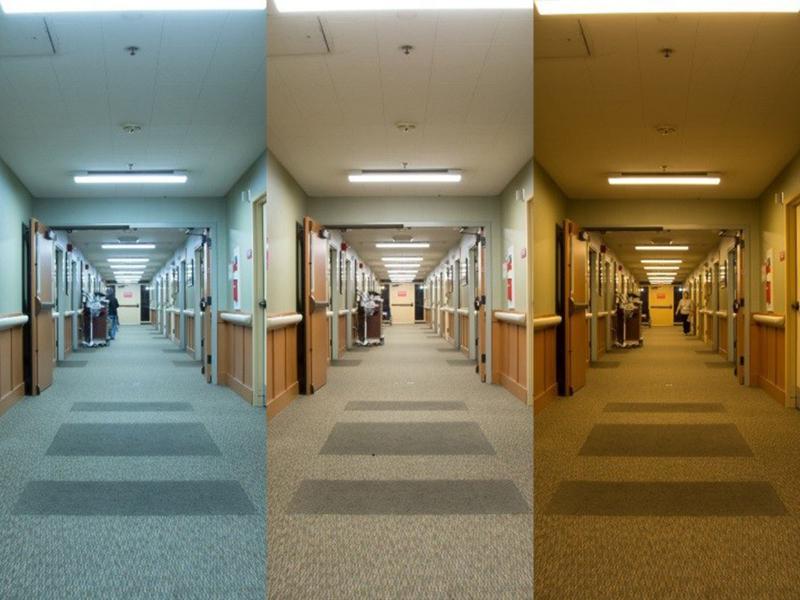
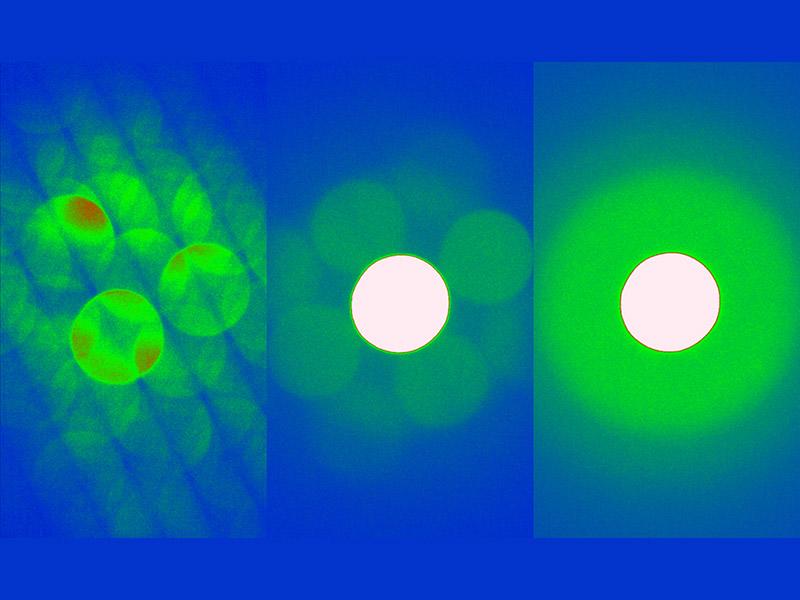
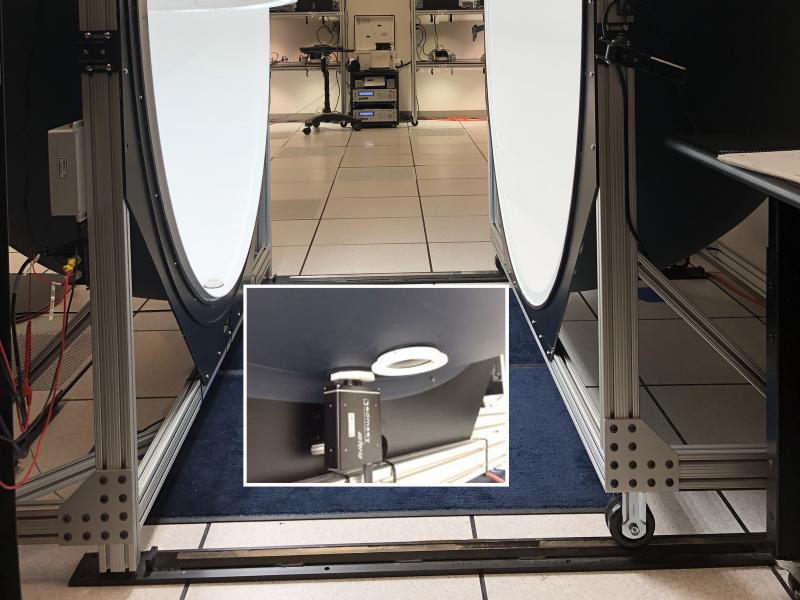
A staple in horror movies, flickering lights can also summon potential human health and productivity concerns. PNNL studied hand-held meters that measure flicker, and the results could improve future measurement and lighting strategies.
Researchers at the Department of Energy’s Pacific Northwest National Laboratory and Sandia National Laboratories have joined forces to reduce costs and improve the reliability of hydrogen fueling stations.
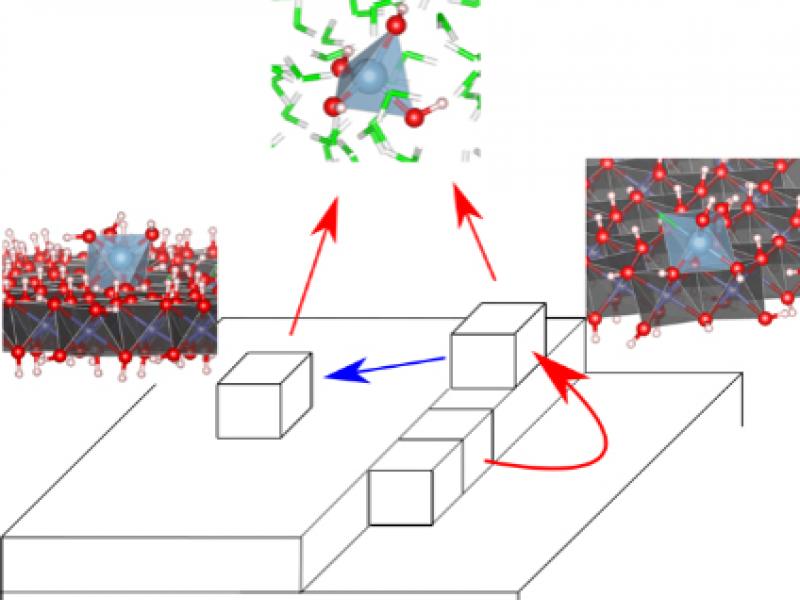
Researchers apply numerical simulations to understand more about a sturdy material and how its basic structure responds to and resists radiation. The outcomes could help guide development of the resilient materials of the future.
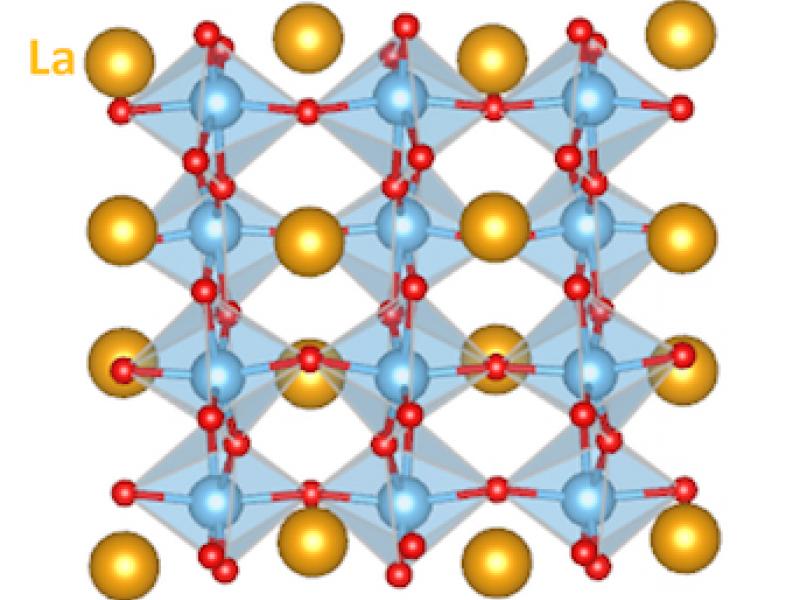
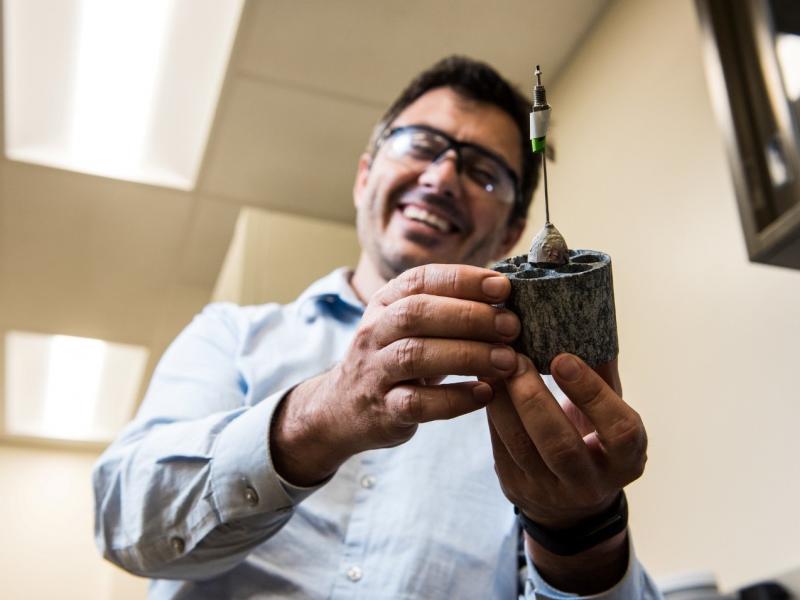
His research is dedicated to the development of experimental tools and expertise critical for controlled synthesis and characterization of complex oxides, and gaining deep understanding of structure-composition-function relationships.
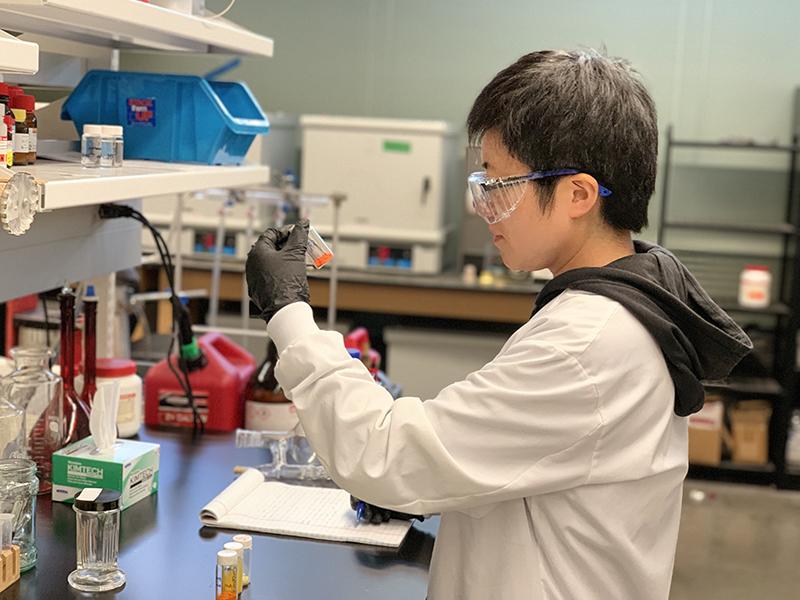
A radioactive chemical called pertechnetate is a bad actor when it’s in nuclear waste tanks. But researchers at PNNL and the University of South Florida have a new lead on how to selectively separate it from the nuclear waste for treatment.
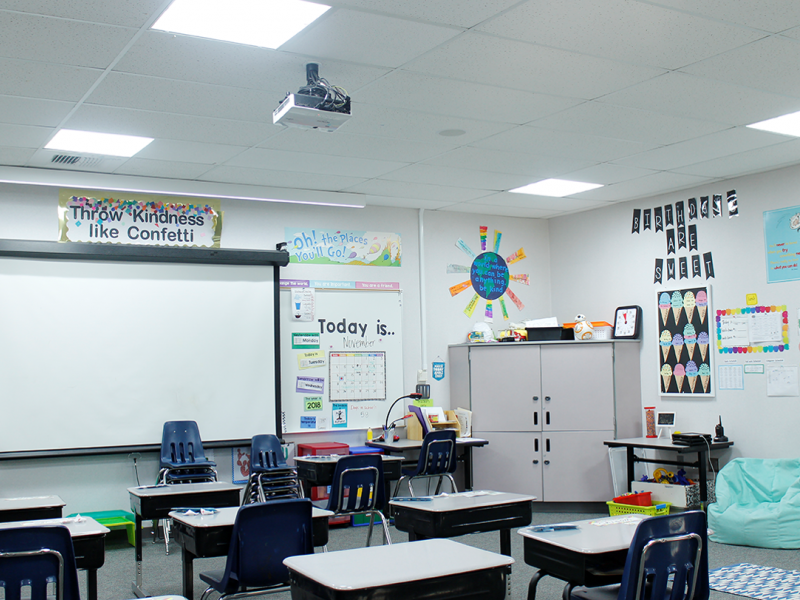
PNNL’s Solid State Lighting program evaluated the energy and photometric performance of adjustable LED lighting systems installed in three California classrooms as part of a GATEWAY study.
Patricia Huestis, a collaborator in the Interfacial Dynamics in Radioactive Environments and Materials (IDREAM) Energy Frontier Research Center, has been awarded the DOE Office of Science Graduate Student Research (SCGSR) award.
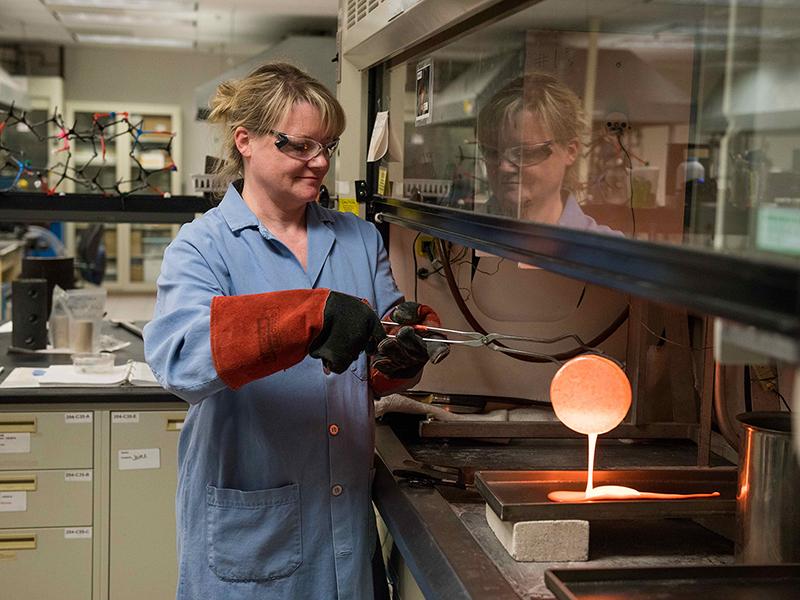
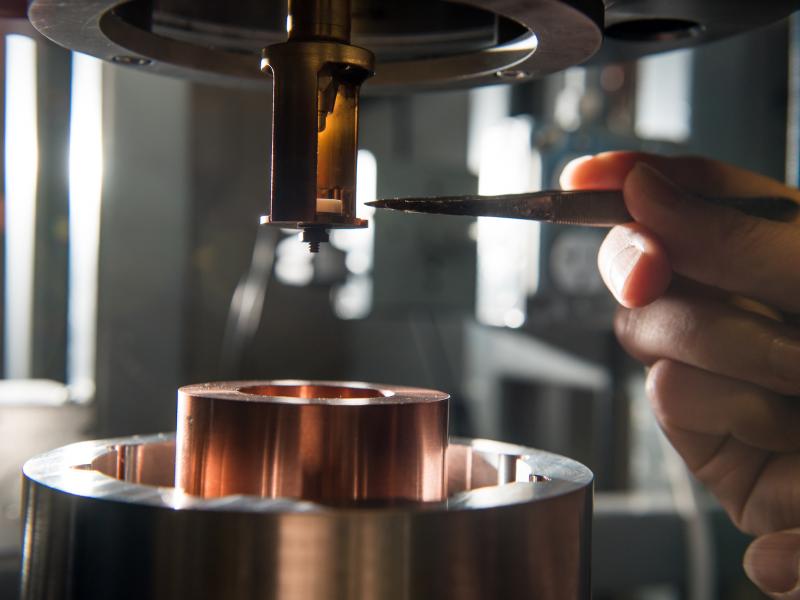
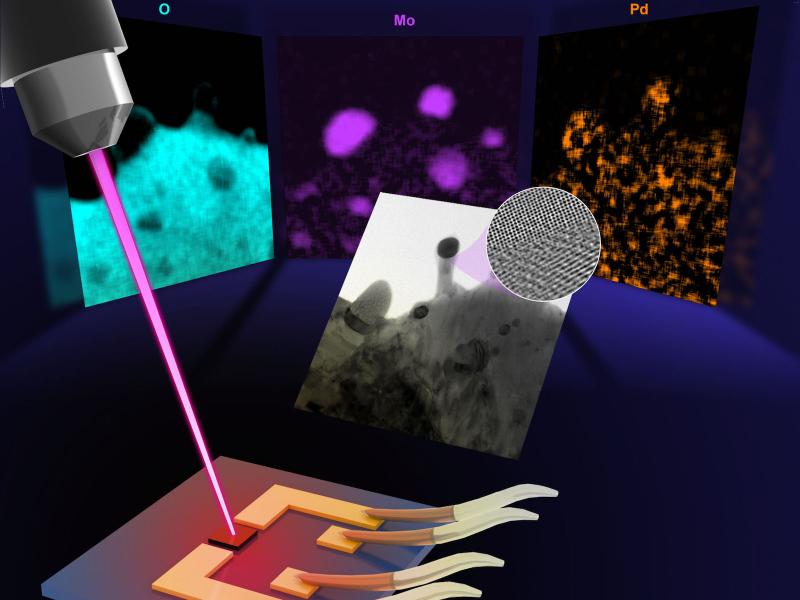
It’s hot in there! PNNL researchers take a close, but nonradioactive, look at metal particle formation in a nuclear fuel surrogate material. What they found will help fill knowledge gaps and could lead to better nuclear fuel designs.
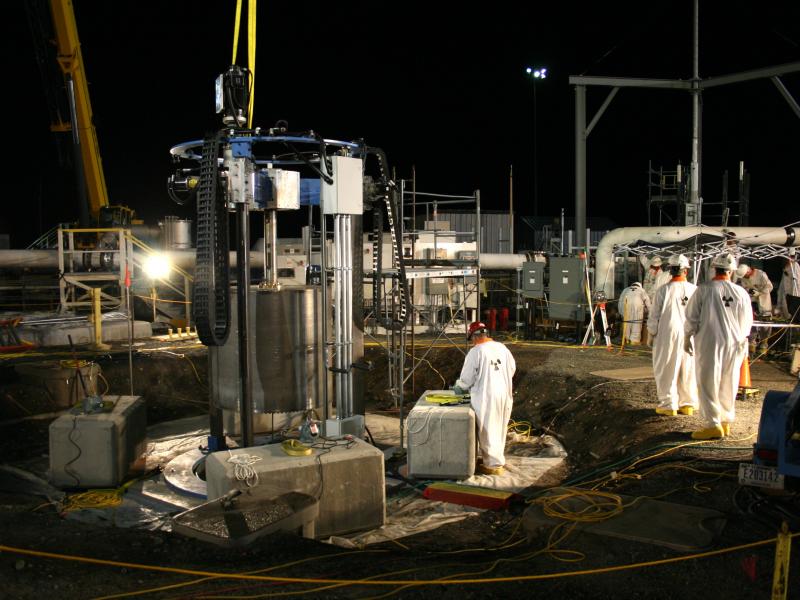
Installing new access holes (up to 6 feet in diameter) could reduce the overall time and cost to retrieve waste from Hanford's underground storage tanks, according to a structural analysis of the tank domes by PNNL and Becht Engineering.