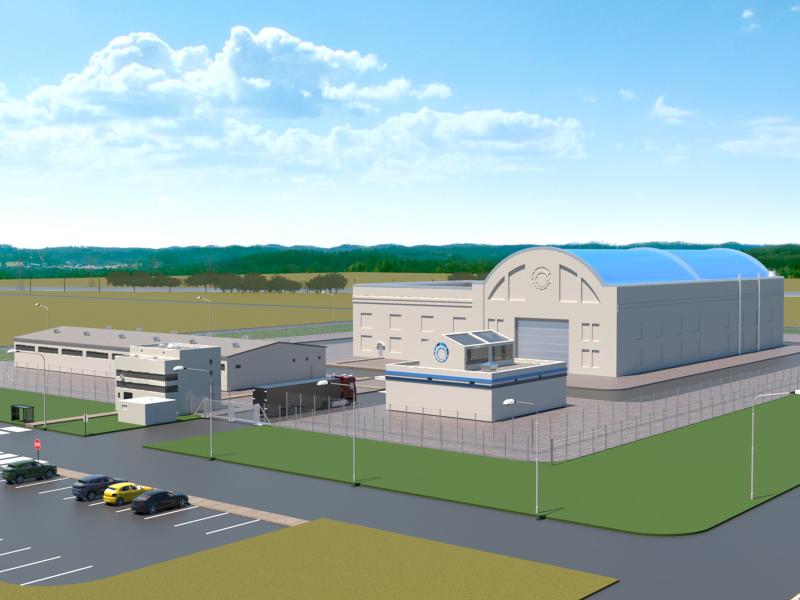
A feasibility study conducted by PNNL for DOE via the National Reactor Innovation Center looked at the potential for using small modular reactors to generate nuclear energy to power maritime port operations.
A PNNL team is supporting the U.S. Department of the Army’s efforts to provide local, secure energy to military installations through the use of nuclear microreactors.
Nuclear reactors need tough alloys that can withstand extreme conditions. PNNL researchers developed a computational approach called robust alloy design (RAD) to search for materials that meet multiple nuclear requirements.
The Iowa Nuclear Energy Task Force, chaired by PNNL’s Mark Nutt, evaluated the state’s potential nuclear future including emerging technologies, workforce needs, waste management, and economic growth opportunities.
Researchers support NRC in accelerating the environmental review process for restarting reactors to meet increased electricity demands—starting with the Palisades Nuclear Plant.
PNNL researchers are advancing AI-assisted nuclear fuel recycling to tap more than 90% of the energy potential left in used fuel, reduce waste and support secure, cost-effective next-generation reactors.
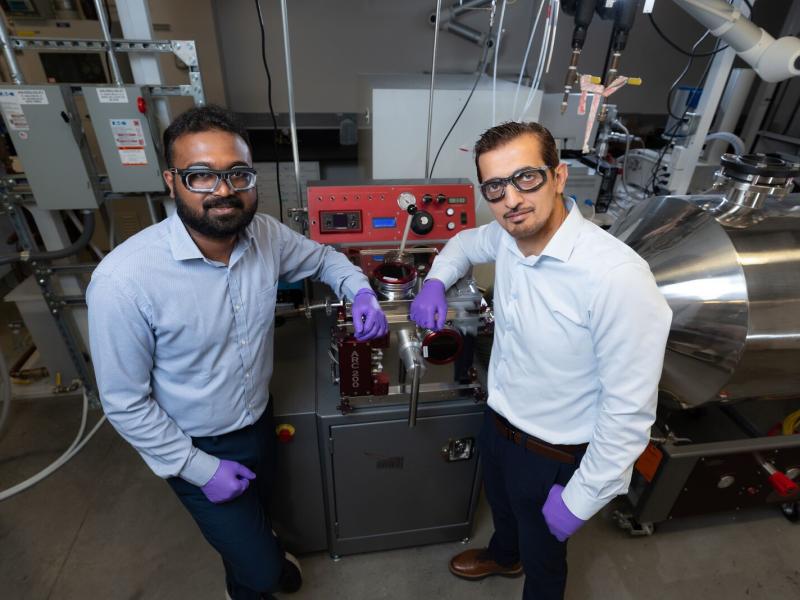
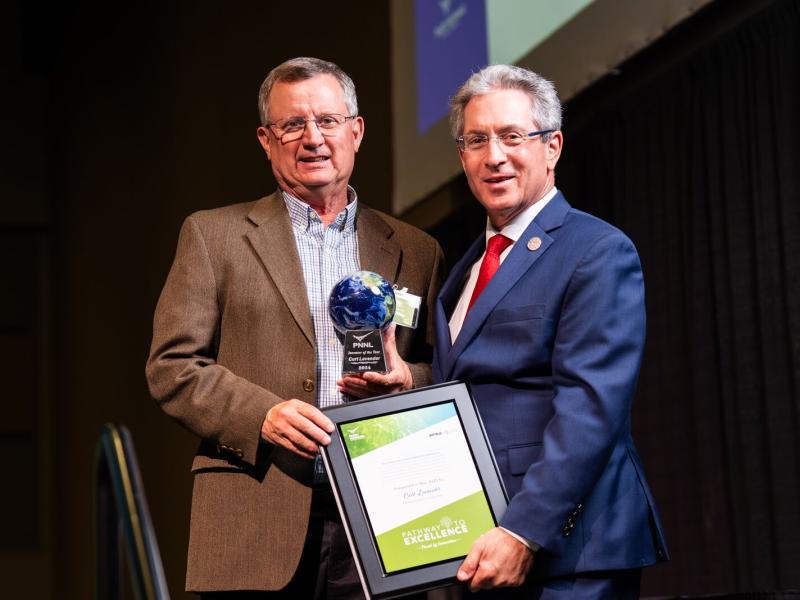
From vehicles and airplanes to solid-phase processing of metals—how Curt Lavender and his team at PNNL solve industry problems with practical ingenuity.
By combining computational modeling with experimental research, scientists identified a promising composition that reduces the need for a critical material in an alloy that can withstand extreme environments.
PNNL researchers earned five Papers of Note, 17 Superior Papers, and one poster award for their environmental remediation, radioactive waste, and nuclear energy-related presentations.
Kriston Brooks received the 2023 Department of Energy Office of Classification Outstanding DC Award, which is given to those in the classification community who have made significant contributions.
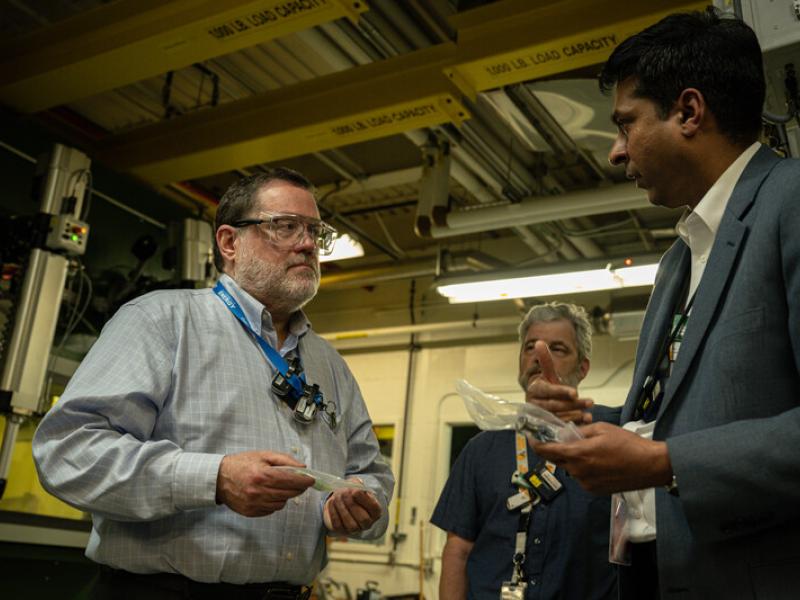
The Department of Energy Office of Nuclear Energy acting assistant secretary makes his first visit to a national laboratory in his new role, touring PNNL's Radiochemical Processing Laboratory.
Bradley Crowell with the U.S. Nuclear Regulatory Commission sees advanced materials integrity, radiological measurement, and environmental capabilities on his first visit to PNNL.
As the world races to discover solutions for reaching net zero carbon emissions, a PNNL analysis quantifies the economic value of the existing nuclear power fleet and its carbon-free energy contributions.