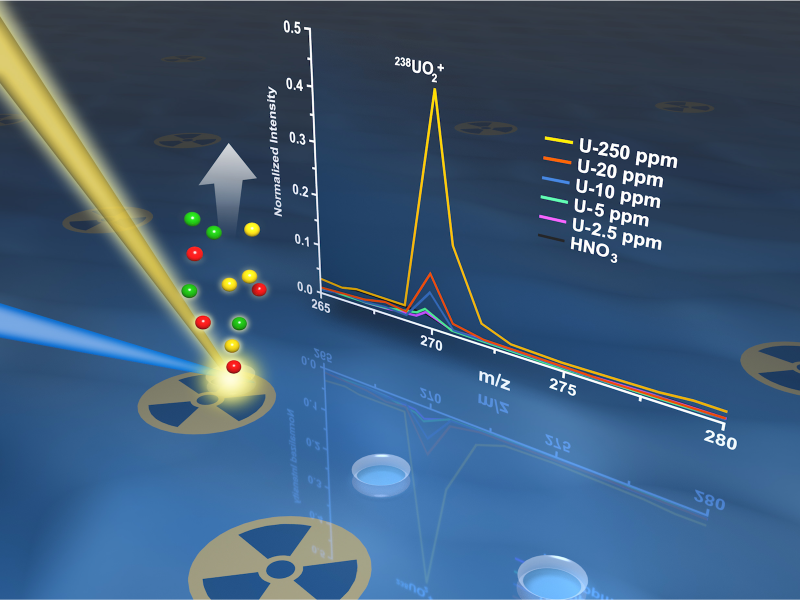
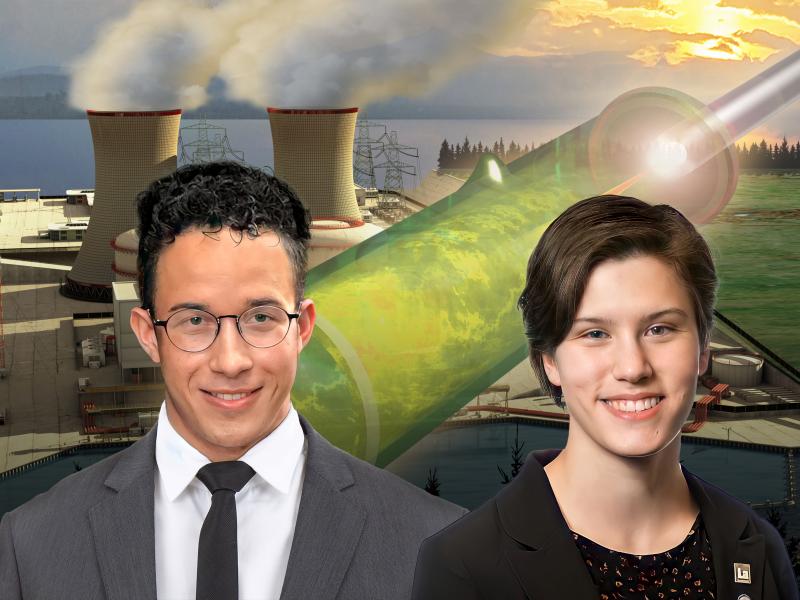
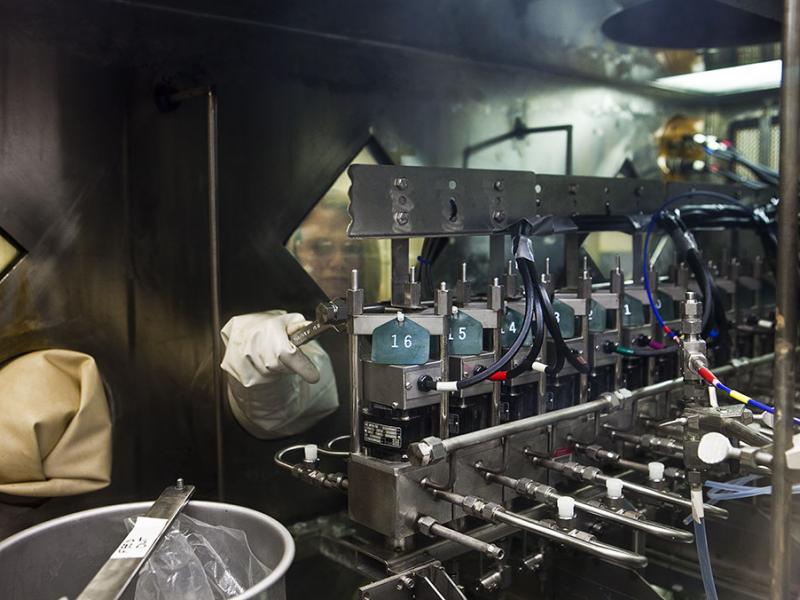
Two PNNL interns are behind recent innovation in real-time testing and continuous monitoring for pH and the concentration of chemicals of interest in chemical solutions; outcomes have applicability not only to nuclear, but to industries.
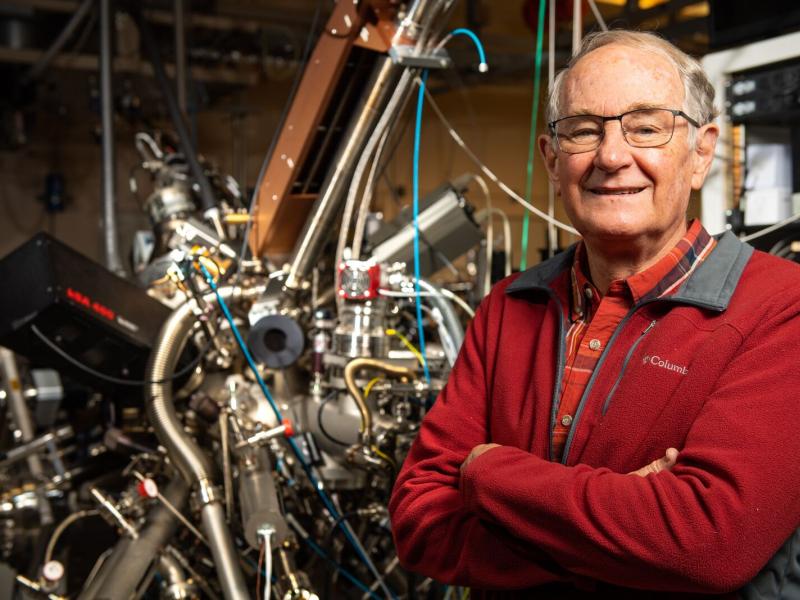
Scott Chambers creates layered structures of thin metal oxide films and studies their properties, creating materials not found in nature. He will soon move his instrumentation and research to the new Energy Sciences Center.
PNNL paper in Nuclear Technology journal unveils modeling possibilities for TRISO used fuel, implications for reactor planning, and resulting carbon-free nuclear energy.
2021 marks the largest cohort of PNNL authors and co-authors to be recognized at annual Waste Management Symposia for environmental management research.
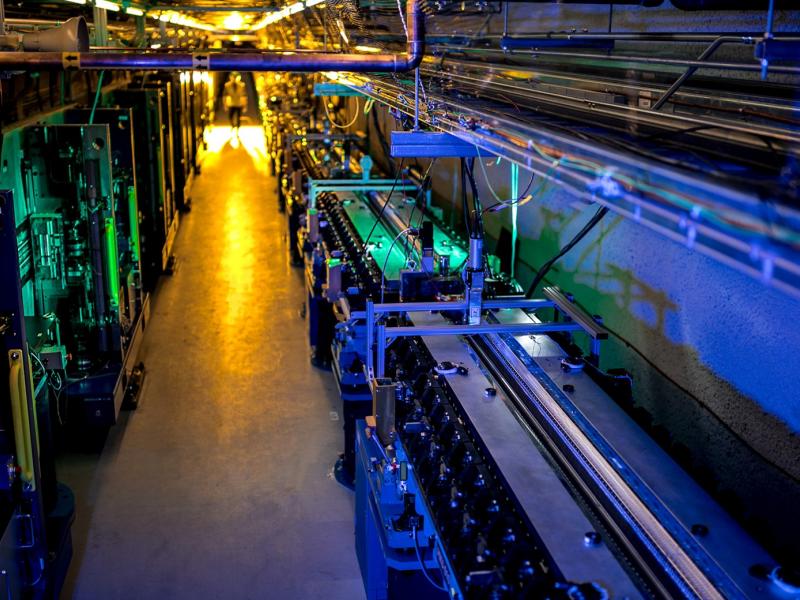
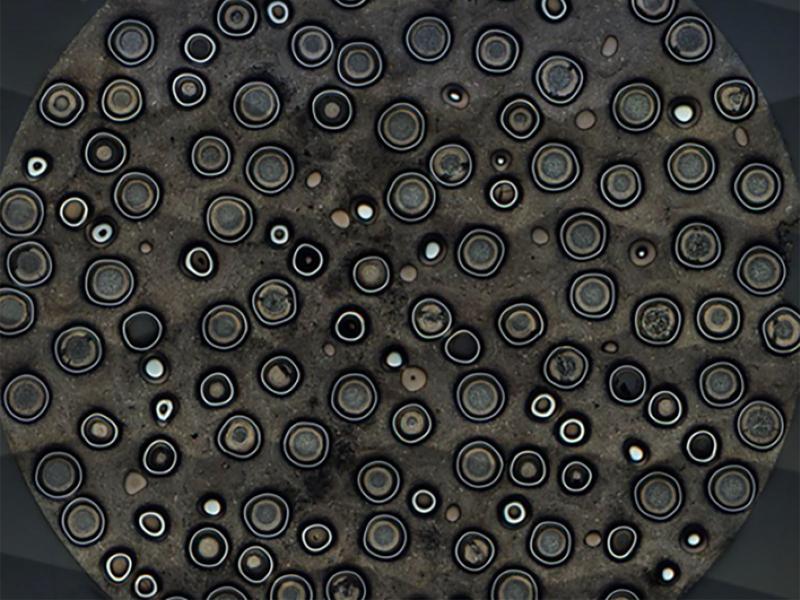
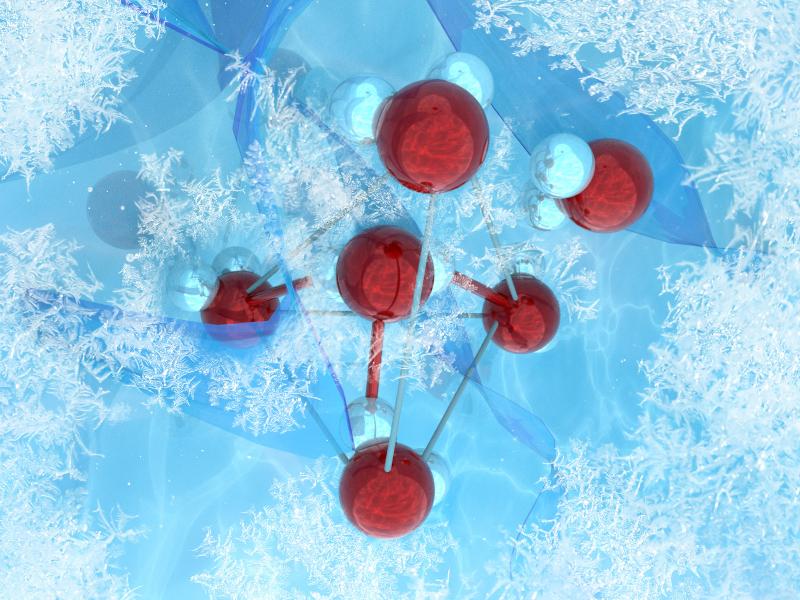
New study elucidates the complex relaxation kinetics of supercooled water using a pulsed laser heating technique at previously inaccessible temperatures.
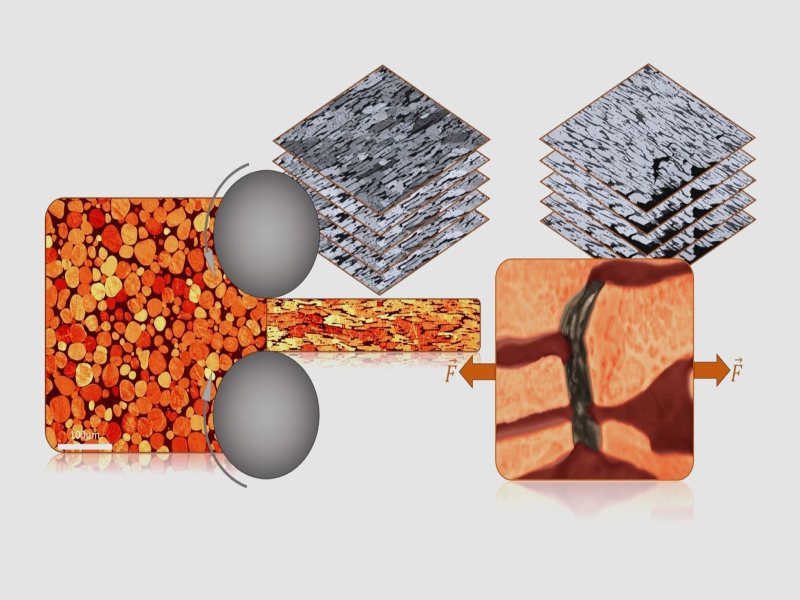
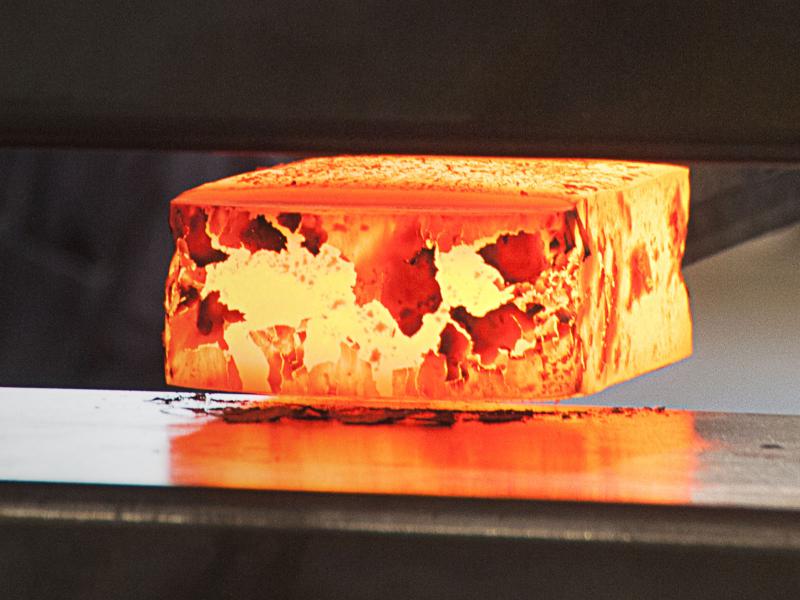
Machine learning techniques are accelerating the development of stronger alloys for power plants, which will yield efficiency, cost, and decarbonization benefits.
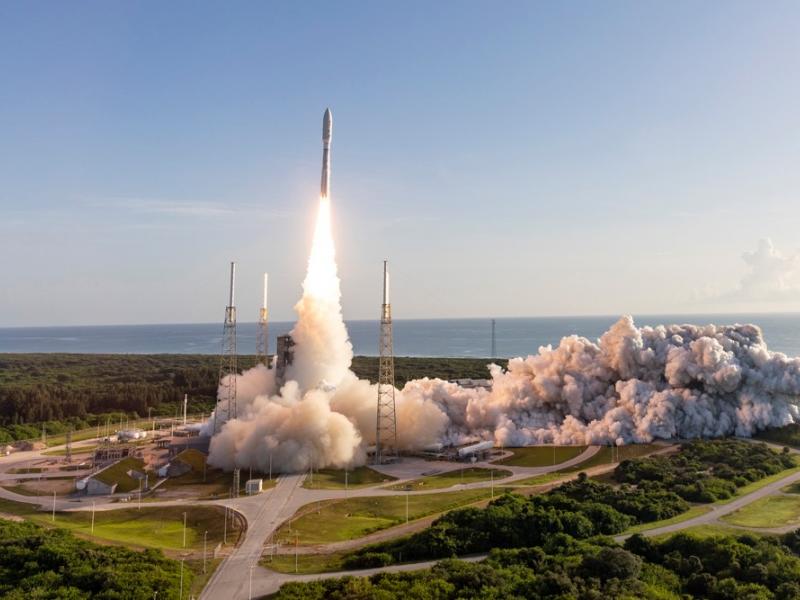
Risk analysis on the plutonium-fueled power system that supplies electricity to the Mars rover answered the “what if” nuclear safety questions for NASA.
Three unused, 48,000-pound stainless steel canisters arrived at PNNL, bringing the chance to deepen research in spent nuclear fuel storage and transportation.
PNNL radiochemist and research manager Patricia Paviet named National Technical Director for the Molten Salt Reactor (MSR) Program by the U.S. Department of Energy’s Office of Nuclear Energy.