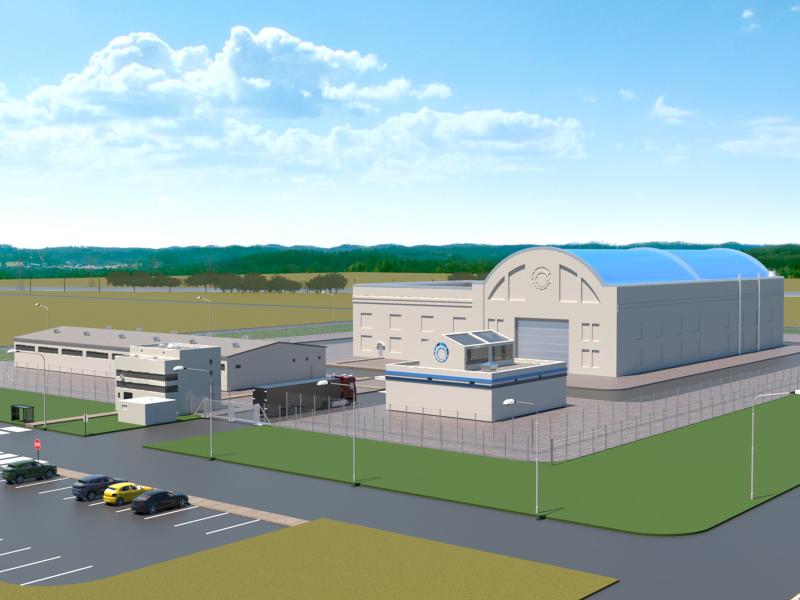
A feasibility study conducted by PNNL for DOE via the National Reactor Innovation Center looked at the potential for using small modular reactors to generate nuclear energy to power maritime port operations.
PNNL partners with SRNL, FIU, and industry to test fixative technologies that could be used to immobilize radioactive contaminants on the surface of building materials during the deactivation and decommissioning of DOE legacy facilities.
The Iowa Nuclear Energy Task Force, chaired by PNNL’s Mark Nutt, evaluated the state’s potential nuclear future including emerging technologies, workforce needs, waste management, and economic growth opportunities.
Researchers support NRC in accelerating the environmental review process for restarting reactors to meet increased electricity demands—starting with the Palisades Nuclear Plant.
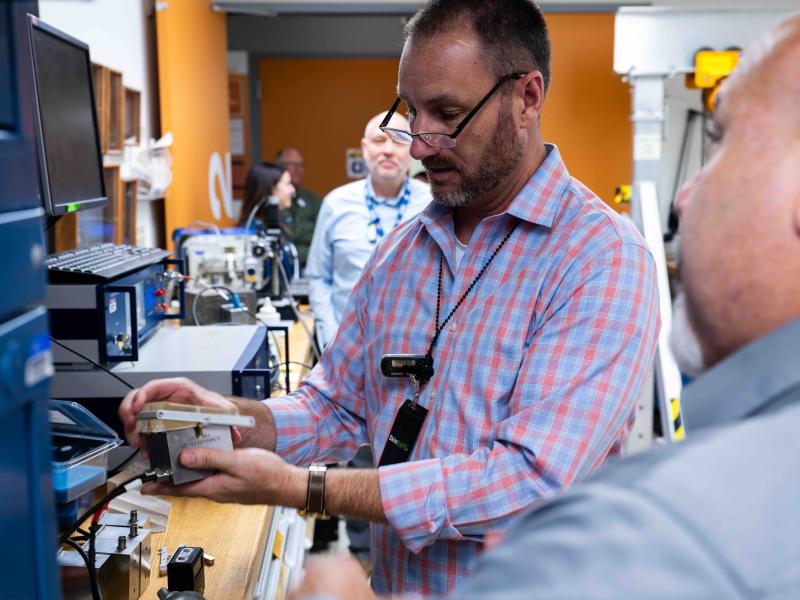
PNNL’s nondestructive evaluation capabilities support advancements in nuclear energy, including research for the U.S. Nuclear Regulatory Commission to preserve the nation’s existing nuclear fleet.
Bradley Crowell with the U.S. Nuclear Regulatory Commission sees advanced materials integrity, radiological measurement, and environmental capabilities on his first visit to PNNL.
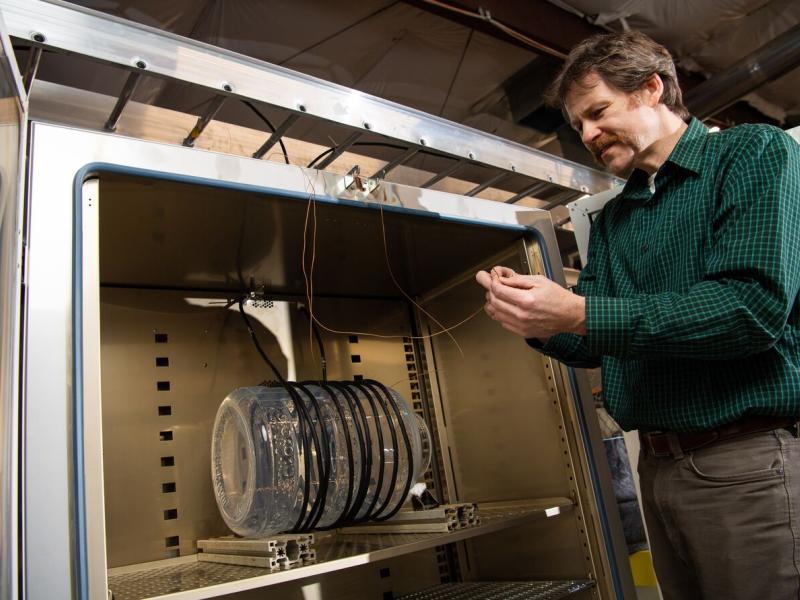
PNNL’s ARENA test bed analyzes how electrical cables degrade in extreme environments and how nondestructive examination inspection technologies can detect and locate damage.
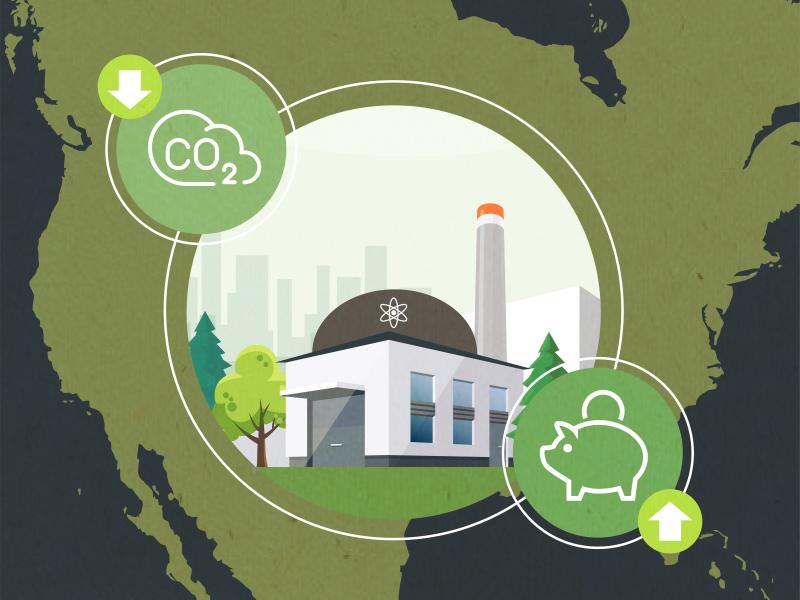
As the world races to discover solutions for reaching net zero carbon emissions, a PNNL analysis quantifies the economic value of the existing nuclear power fleet and its carbon-free energy contributions.
PNNL gathered researchers from eight national laboratories plus the U.S. Department of Energy (DOE) to share ideas and build synergy at the Energy Equity and Environmental Justice Summit.
Eight PNNL research papers were recognized by the 2022 Waste Management Symposia as “Papers of Note” and “Superior.” One paper received a Best Oral Paper/Presentation Award.
To support federal energy agencies in meeting renewed environmental policies, PNNL is identifying the mechanisms and practices that could enhance agencies’ existing environmental justice programs, policies, and activities.