A process developed at PNNL that converts biomass and waste into a chemical intermediate or into gasoline, diesel, and jet fuel is available for commercial licensing.
Dominant and functionally important soil microbes show strong, predictable, and distinctly different associations with continental-scale gradients in climate, vegetation, and soil moisture.
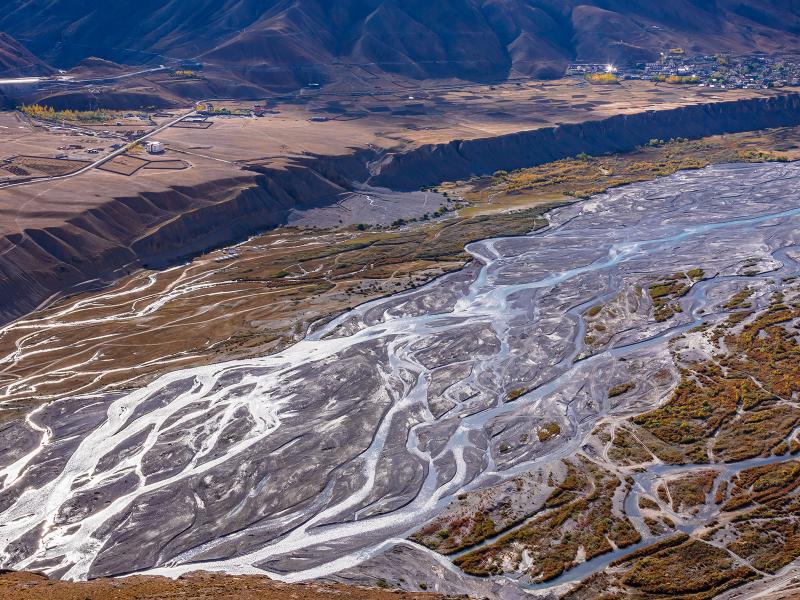
A novel ecological measurement uncovered interactions between river corridor organic matter assemblages and microbial communities, highlighting potentially important microbial taxa and molecular formula types.
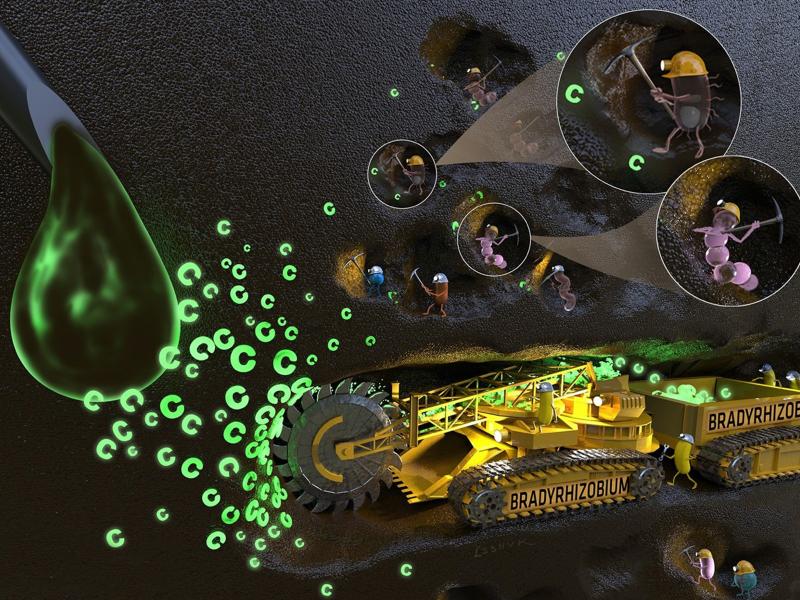
Knowing which bacteria in a community are involved with carbon cycling could help scientists predict how microbial carbon storage and release could influence future climate dynamics.
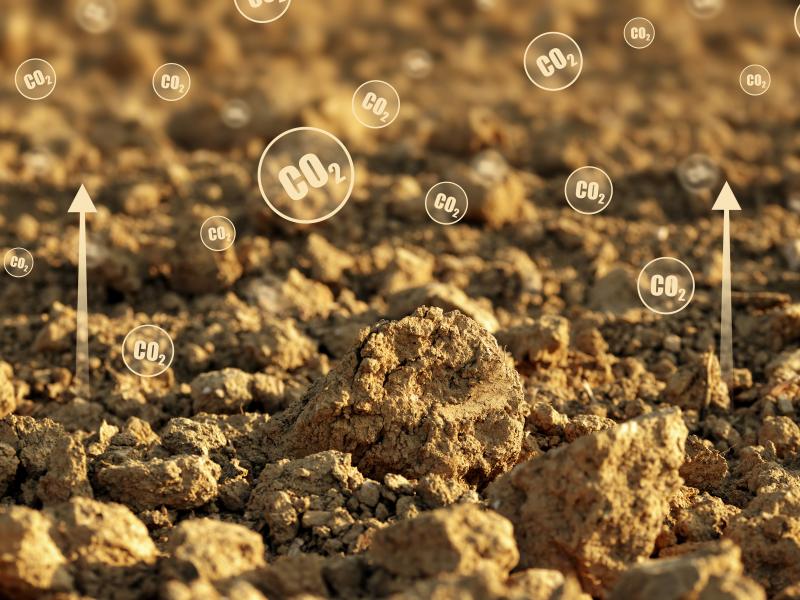
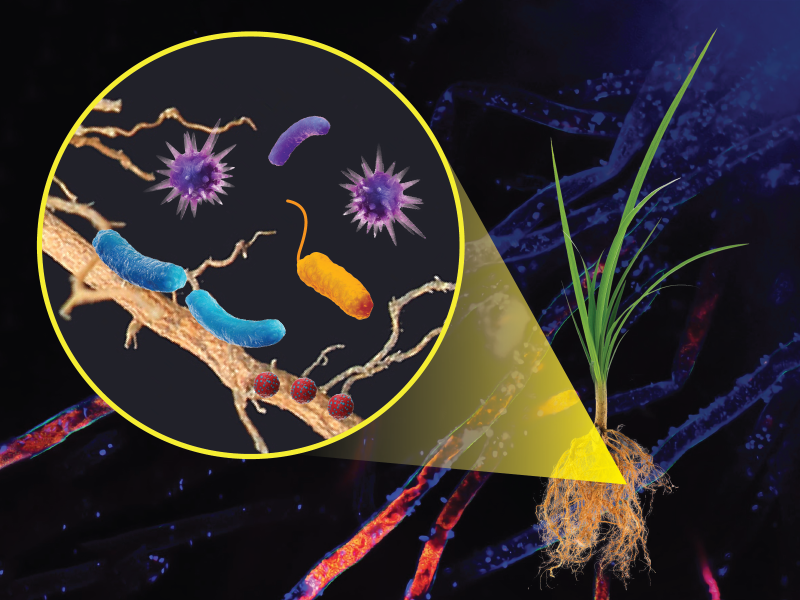
Microbiome and soil chemistry characterization at long-term bioenergy research sites challenges idea that switchgrass increases carbon accrual in surface soils of marginal lands.
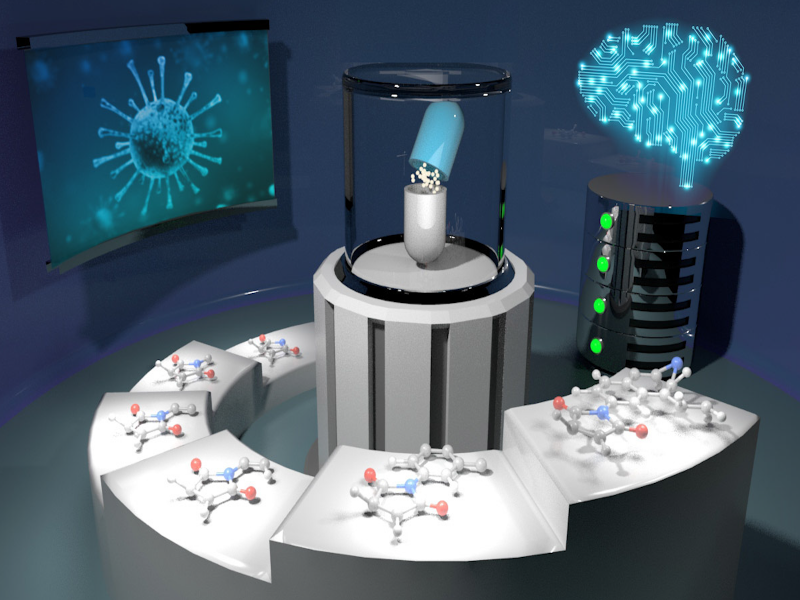
Contributions from researchers across Pacific Northwest National Laboratory (PNNL) were recently recognized in the preliminary findings of a Secretary of Energy Advisory Board (SEAB) report.