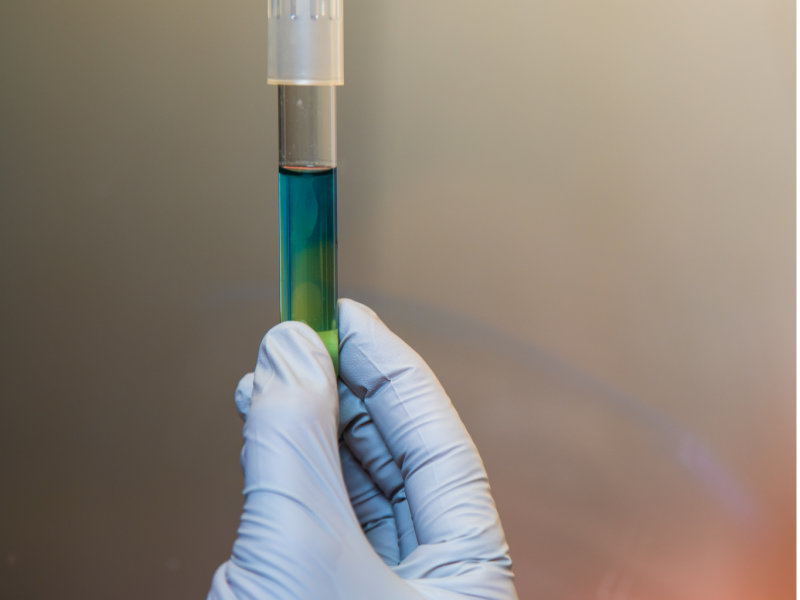
A process developed at PNNL that converts biomass and waste into a chemical intermediate or into gasoline, diesel, and jet fuel is available for commercial licensing.
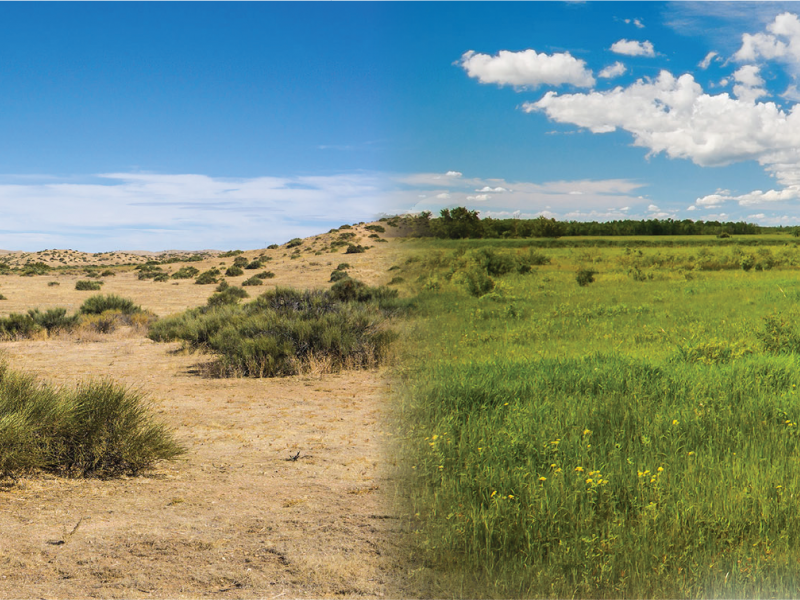
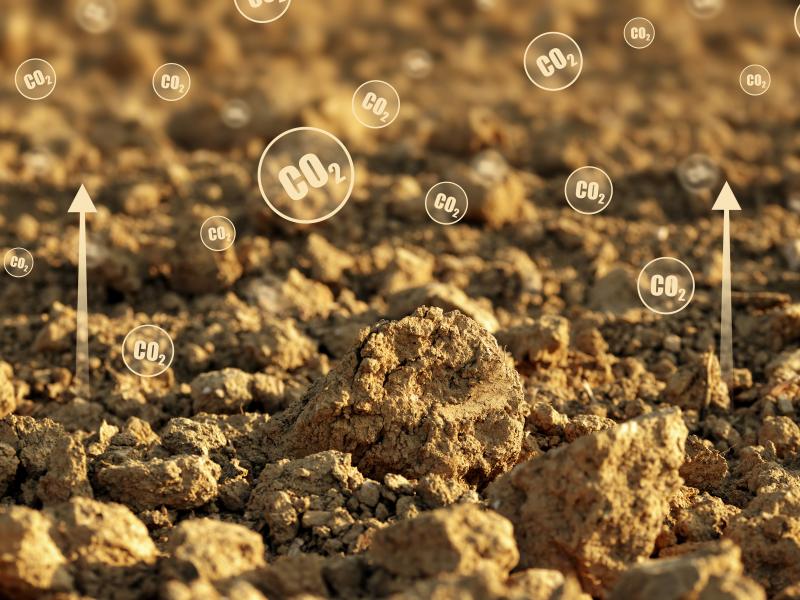
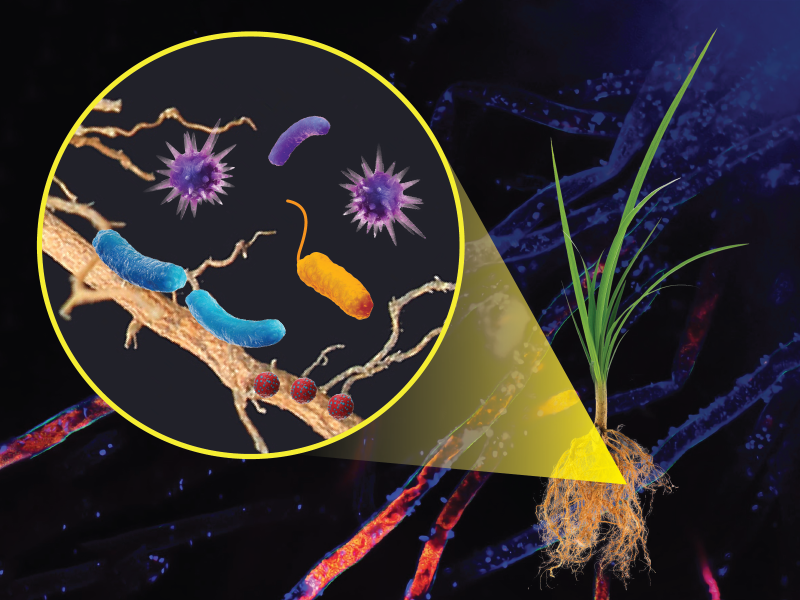
Dominant and functionally important soil microbes show strong, predictable, and distinctly different associations with continental-scale gradients in climate, vegetation, and soil moisture.
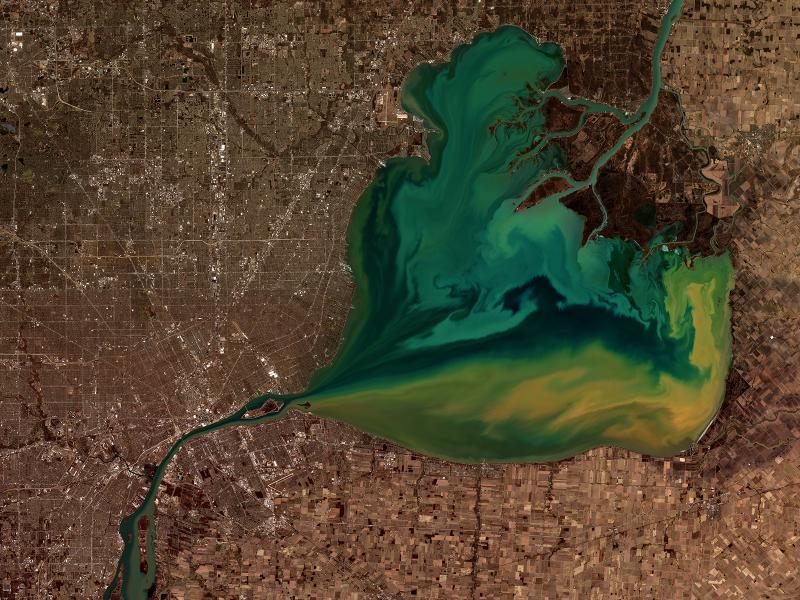
A novel ecological measurement uncovered interactions between river corridor organic matter assemblages and microbial communities, highlighting potentially important microbial taxa and molecular formula types.
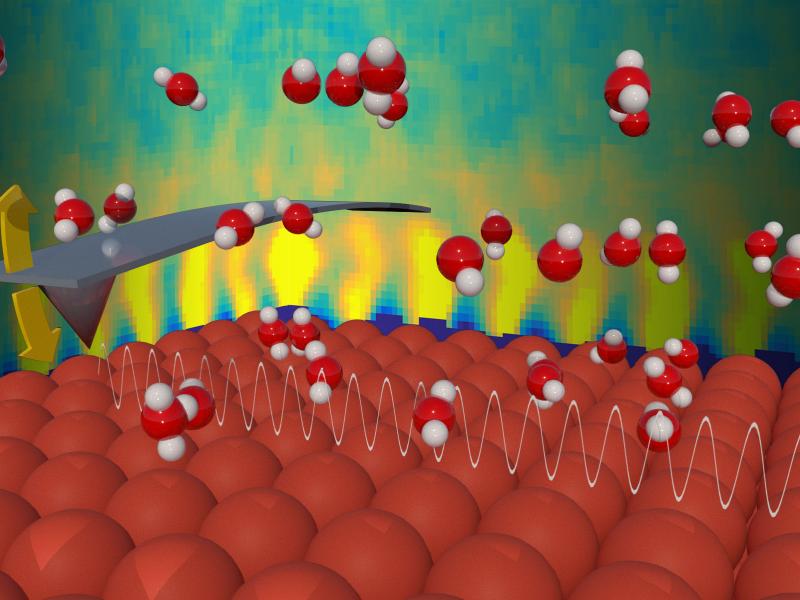
A team of researchers developed a simulation approach to identify how atomic structures can affect the phonon transport of energy and information in quantum systems near absolute zero temperatures.
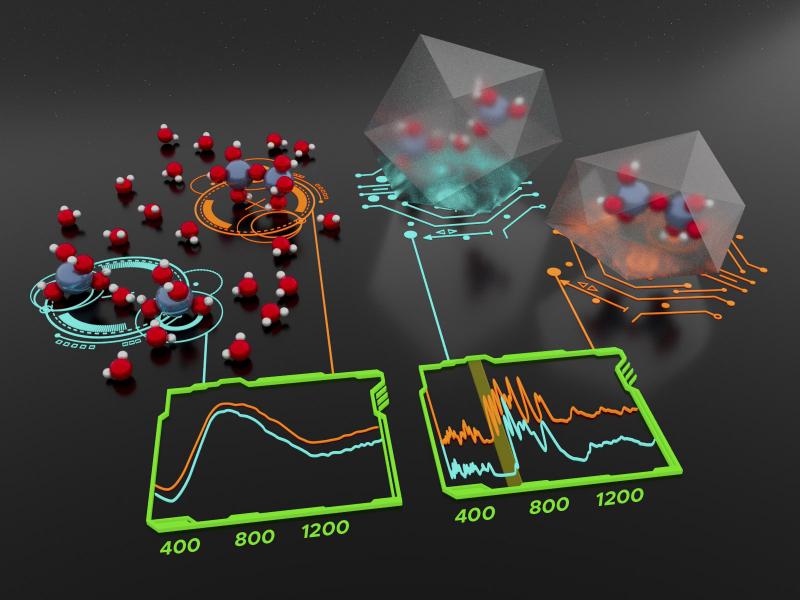
Theoretical work shows that an important natural iron source can be described as a nanoscale composite of different, but experimentally indistinguishable, structures.
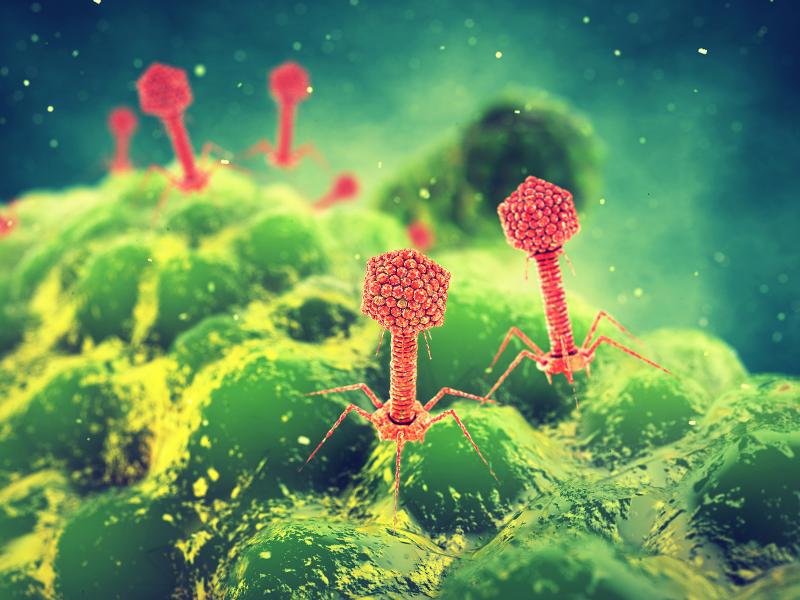
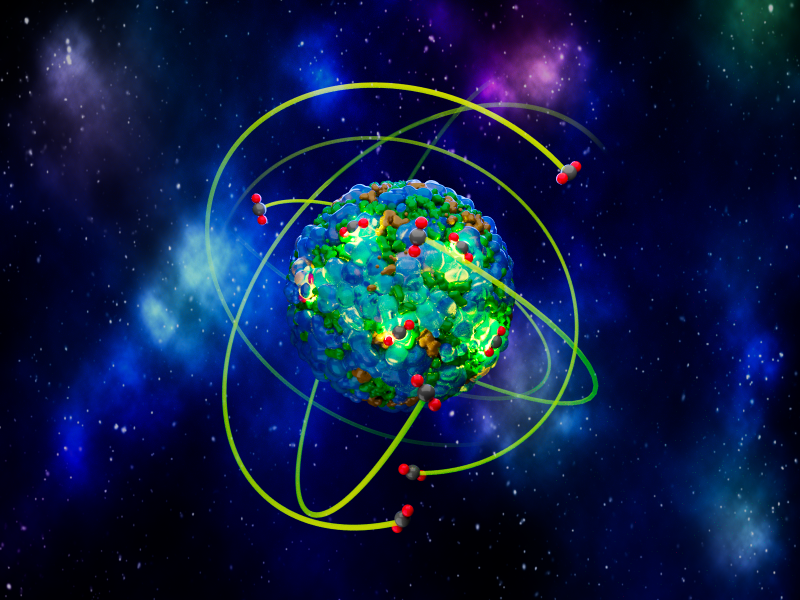
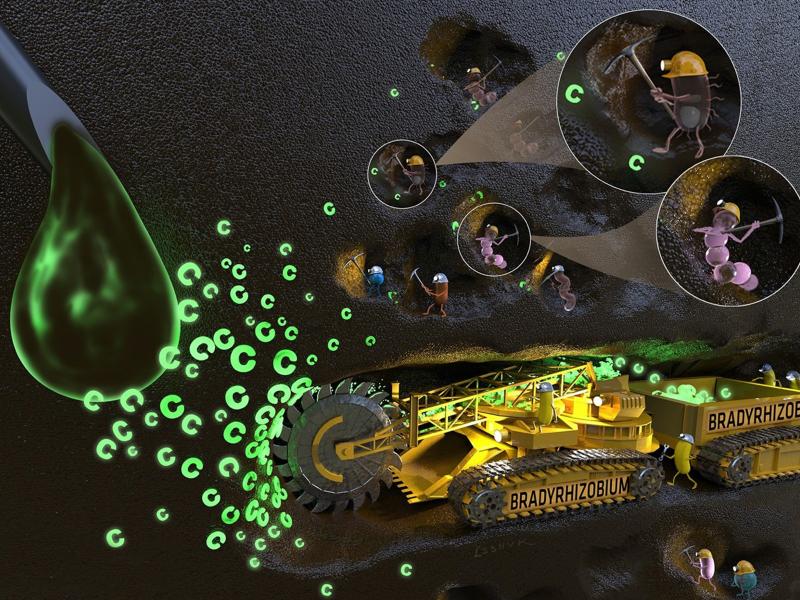
Knowing which bacteria in a community are involved with carbon cycling could help scientists predict how microbial carbon storage and release could influence future climate dynamics.