Explore the types of batteries, including lithium-ion, lead-acid, and more, to understand their roles in energy storage, efficiency, and sustainable power solutions.
Machine learning engineering applies AI techniques to build scalable systems, driving innovation in data processing, automation, and predictive modeling.
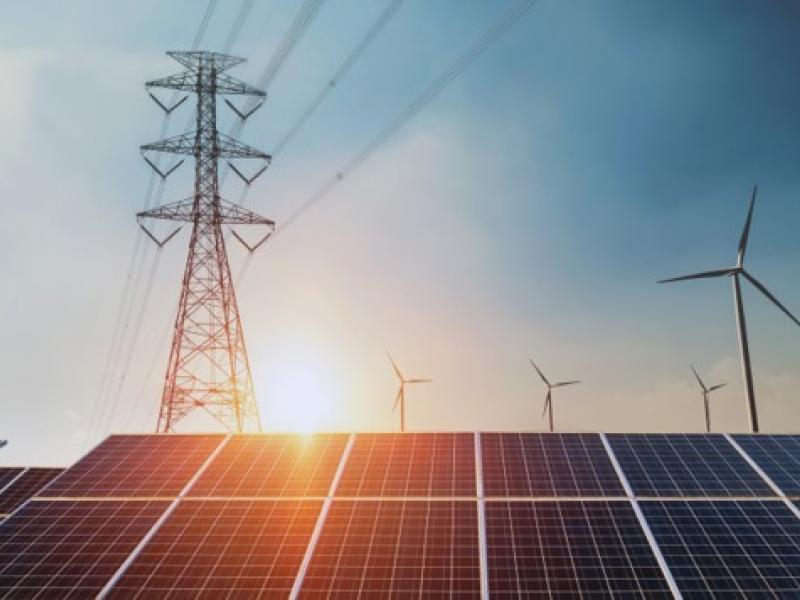
Renewable integration focuses on blending renewable energy into power grids efficiently, enhancing reliability, sustainability, and clean energy adoption.
Fish passage refers to the ability to effectively and efficiently allow fish to move through a water system, including successfully navigating human-made structures like dams and culverts, which can impede their journey.
Biogeochemical transformations explore the chemical and biological processes shaping Earth's ecosystems, impacting water quality, soil health, and sustainability.
Critical infrastructure protection safeguards essential systems like power, water, and transportation against threats, ensuring resilience and national security.
Export controls regulate the trade of sensitive goods, technologies, and information to protect national security and support compliance with global trade laws.
Deep reinforcement learning employs AI to solve complex problems by learning optimal strategies, revolutionizing autonomous systems and decision-making.
Biocatalysis uses natural catalysts like enzymes to accelerate chemical processes, offering energy-efficient alternatives for sustainable materials and fuels.
Green buildings prioritize sustainability, energy efficiency, and reduced environmental impact, combining design and technologies for healthier, eco-friendly spaces.
Environmental justice ensures underserved communities are included in environmental decisions, addressing disproportionate impacts and promoting equity in health.
Renewable fuels, like biodiesel and bioethanol, offer eco-friendly energy alternatives to petroleum, reducing greenhouse gas emissions and supporting sustainability.