Sue Southard's one thousand dives as a PNNL staff member leave a ripple effect on efforts to keep our ocean healthy, our economy thriving, and our waters safe.
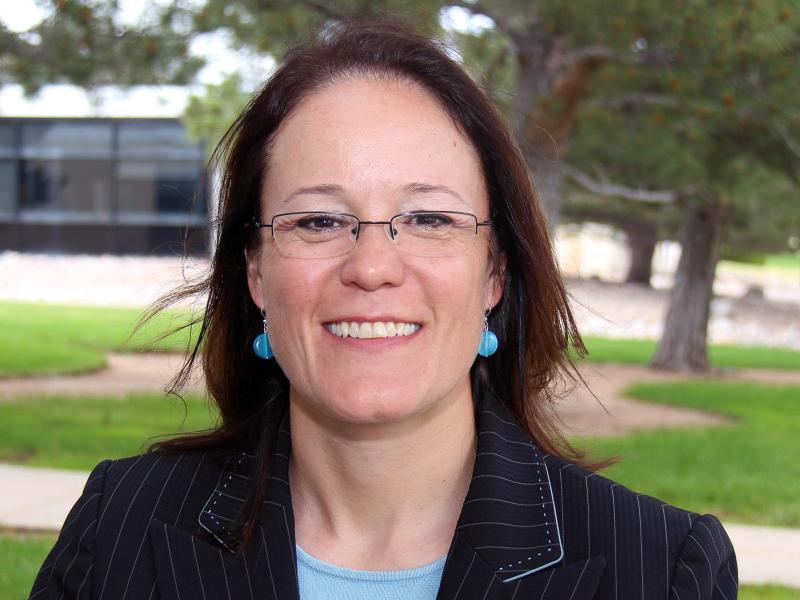
PNNL's Tegan Emerson was invited to be one of two plenary speakers at the inaugural AIM 2022 congress. The Minerals, Metals & Materials Society organized AIM 2022 to connect materials and manufacturing researchers from around the world.
Business Interns Maryam Masood and Eden Yonas presented a framework for building a better discourse around climate change and environmental justice at the Battelle Conference on Innovations in Climate Resilience.
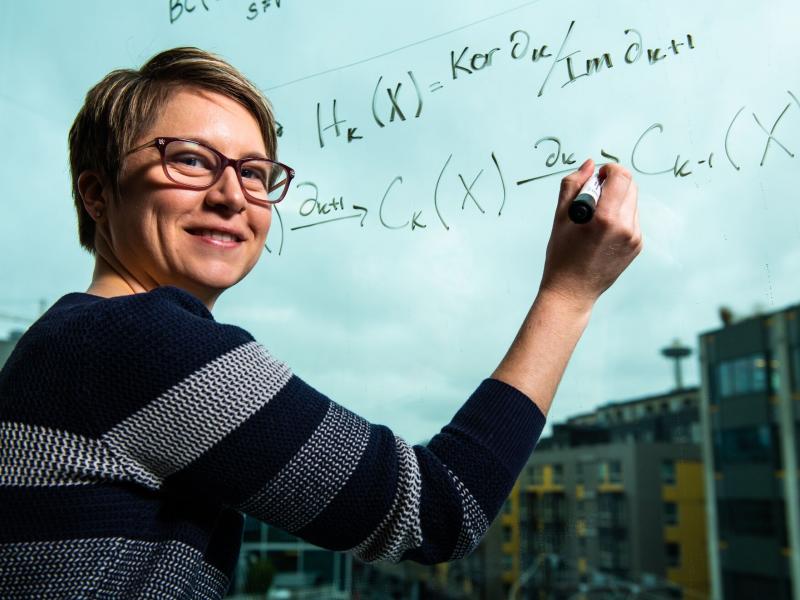
Working on puzzles with her grandpa helped instill Emilie Purvine’s interest in math from an early age. That interest later turned to being co-captain for her high school math team, a degree in mathematics, and eventually a career at PNNL.
PNNL forensic toxicologist has been invited to serve on a committee of experts charged with improving U.S. strategies for preventing, countering, and responding to chemical terrorism threats.
Four research staff from PNNL are part of an international team that earned top honors for a journal paper focused on a new algorithm-evaluation approach for buildings.
Anika Halappanavar’s research into COVID-19 misinformation earned her recognition by the Washington State Academy of Sciences as one of the state’s top high school researchers.
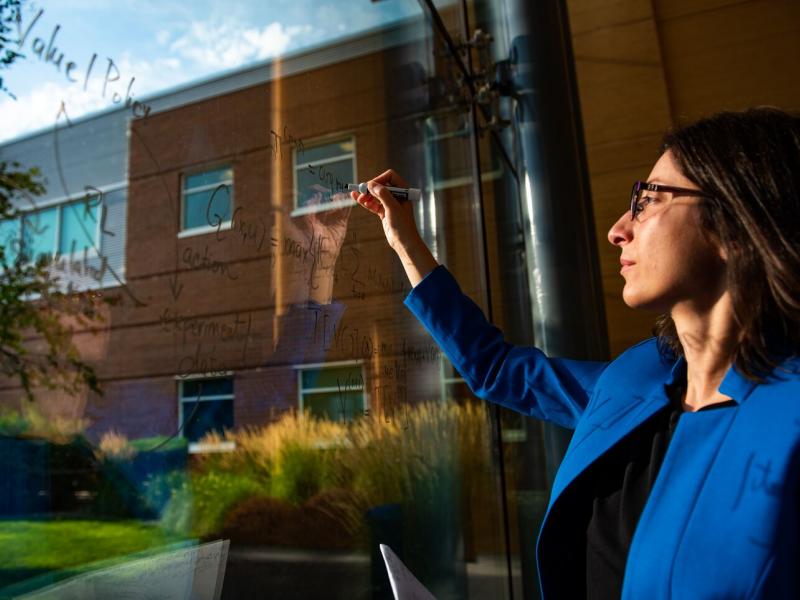
PNNL data scientist was invited to give the first big-picture talk about autonomous control systems at the Autonomous Discovery in Science and Engineering Workshop.
As a member of the NAM board of directors, Brett Jefferson, PNNL data scientist, will help lead the professional association’s mission to advance mathematical excellence of underrepresented minorities.
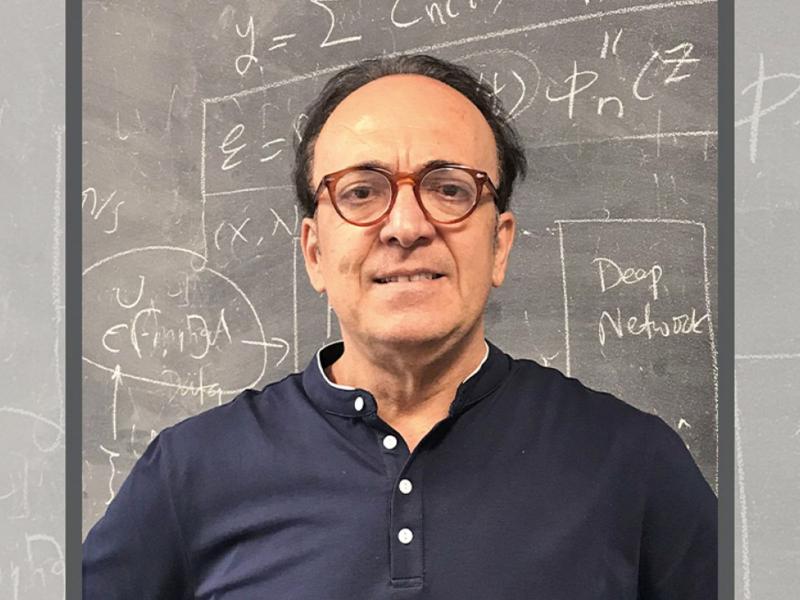
The partnership to apply artificial intelligence to improve complex systems is part of a U.S. Department of Energy Office of Science $4.2 million, three-year grant.
Red teaming for CPS, the process of challenging systems, involves a group of cybersecurity experts to emulate end-to-end cyberattacks following a set of realistic tactics, techniques, and procedures.
The MIT-sponsored competition encourages community approaches to developing new solutions for analyzing graphs and sparse data; PNNL has placed a winner in each year.