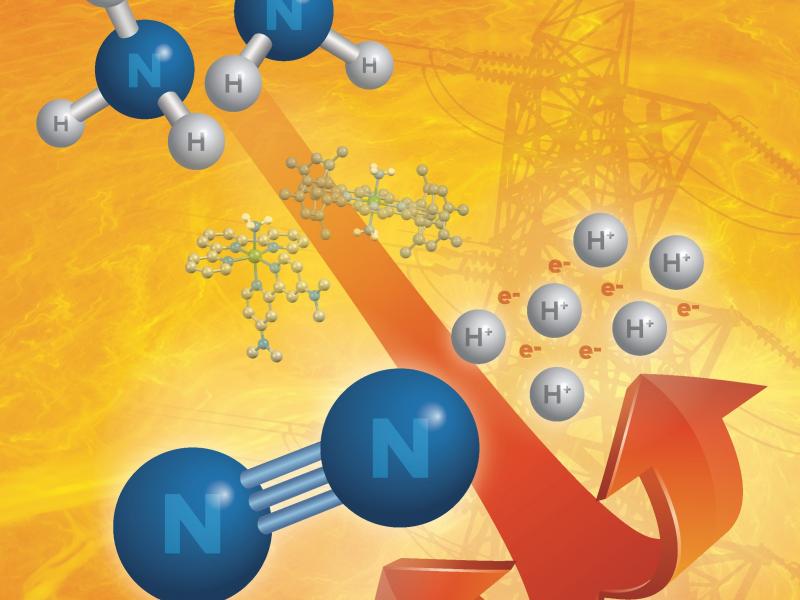
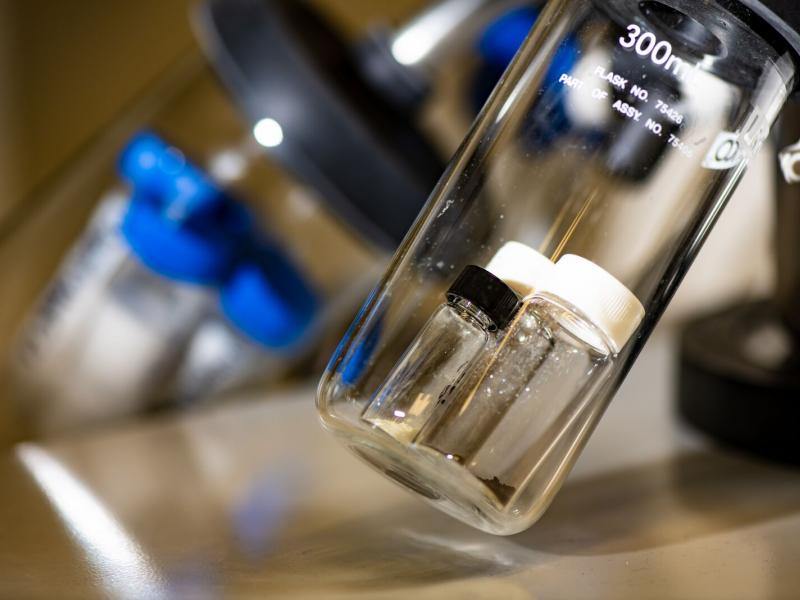
A perspective article in the Journal of the American Chemical Society by a team of PNNL researchers shows the way forward to understand ammonia oxidation.
James A. Ang, a PNNL computing expert, was recently invited to moderate a panel in a virtual workshop focused on federally funded research and development on software for heterogeneous computing.
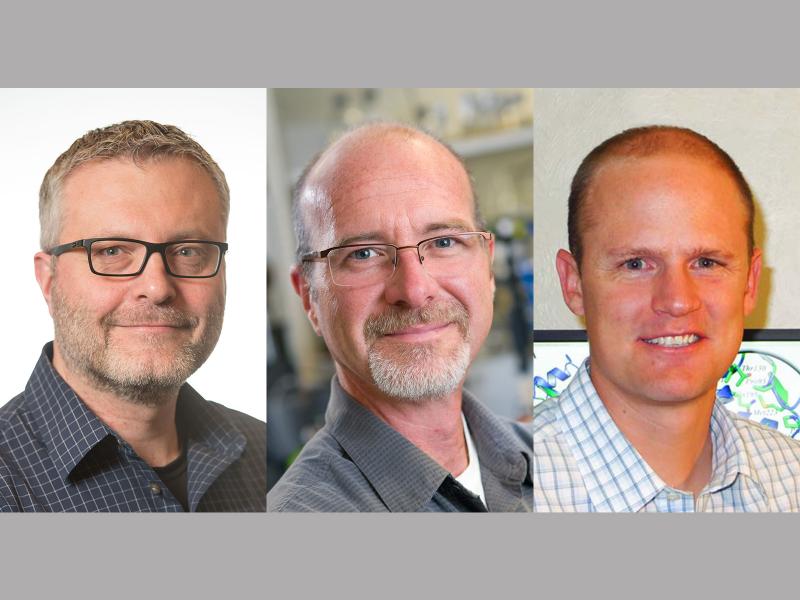
NIH awarded $1.7 million to researchers from PNNL, WSU, and NREL to continue fundamental research into catalytic bias—a phenomenon in the protein environment that shifts the direction and speed of an enzyme’s catalytic reaction.
Lauren Charles, a PNNL senior data scientist, has joined the editorial board of Pathogens. Pathogens is an international peer-reviewed open access journal of pathogens and pathogen-host interaction.
Writing in the journal Nature Chemistry, PNNL materials scientists Jim De Yoreo and Benjamin Legg provides context to new work showing how single atoms organize into clusters that seed crystal growth
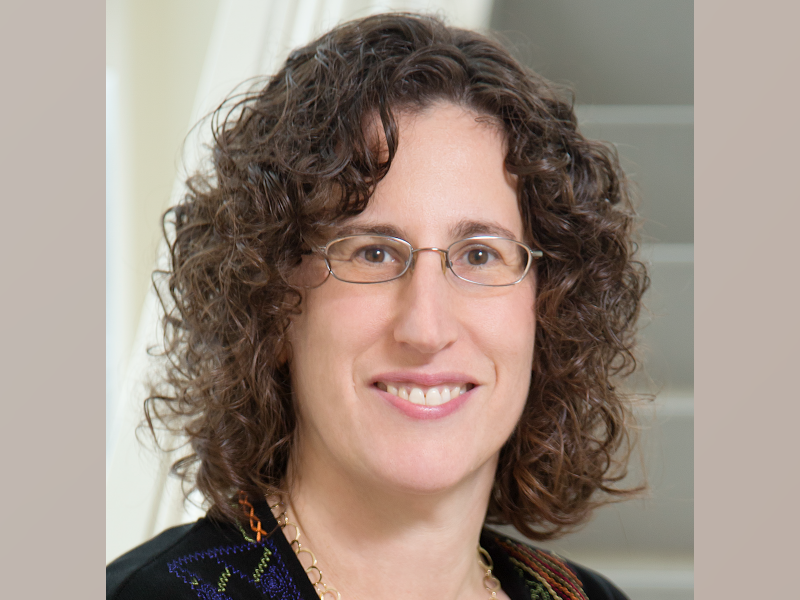
Sharon Hammes-Schiffer, deputy director of the Center for Molecular Electrocatalysis (CME), has received awards from both the Royal Society of Chemistry and the American Chemical Society.
The American Society for Quality (ASQ) has recognized Laboratory Fellow and Pacific Northwest National Laboratory (PNNL) Statistician Greg Piepel with the William G. Hunter Award.
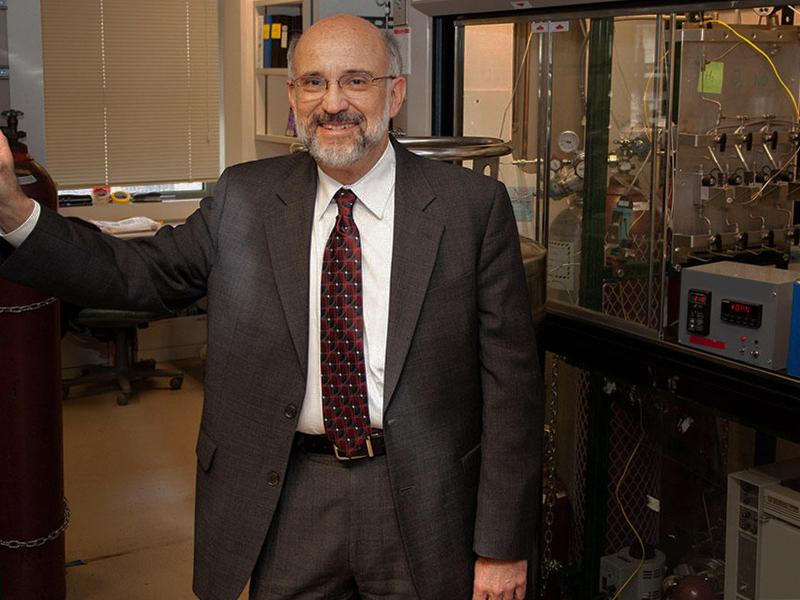
Yong Wang, associate director of PNNL’s Institute for Integrated Catalysis, has been recognized with 2021 American Chemical Society’s E.V. Murphree Award in Industrial and Engineering Chemistry.
Joseph Williams, director of the Pacific Northwest National Laboratory Seattle Research Center, has been selected as a guest editor for the IEEE Computer journal.
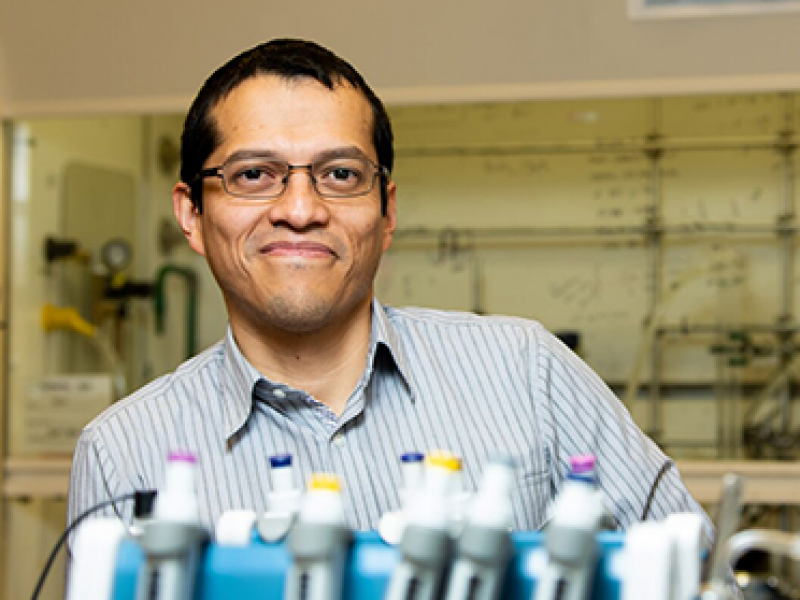
Oliver Gutiérrez leads an electrocatalytic hydrogenation research team at PNNL that focuses on next-generation catalysts at the molecular level and in an aqueous state.
Biomedical scientist Brian Thrall co-edited the issue published in the journal NanoImpact. Three of the articles in the issue include multiple PNNL authors.
PNNL and Oklahoma State University join forces to understand the chemistry of sodium-ion and potassium-ion batteries thanks to an award from the U.S. Department of Energy's Established Program to Stimulate Competitive Research (EPSCoR).