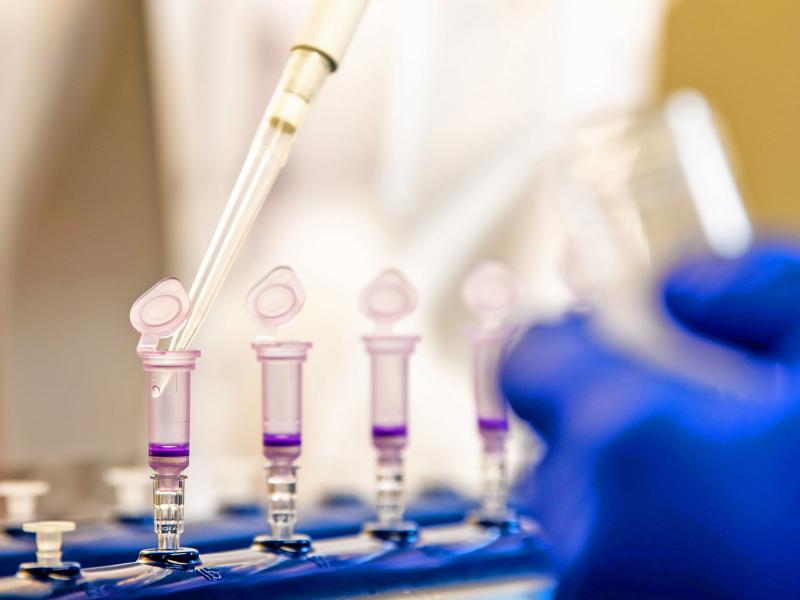
Accurate identification of metabolites, and other small chemicals, in biological and environmental samples has historically fallen short when using traditional methods.
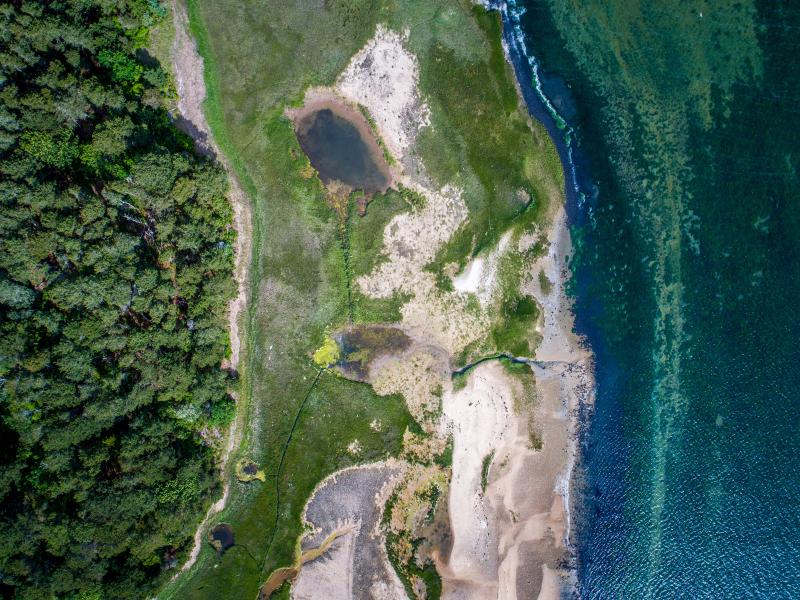
In a recent review article, an interdisciplinary team of researchers led by PNNL biogeochemist Nick Ward proposed a path to refining the representation of coastal interfaces in Earth systems models used to predict climate.
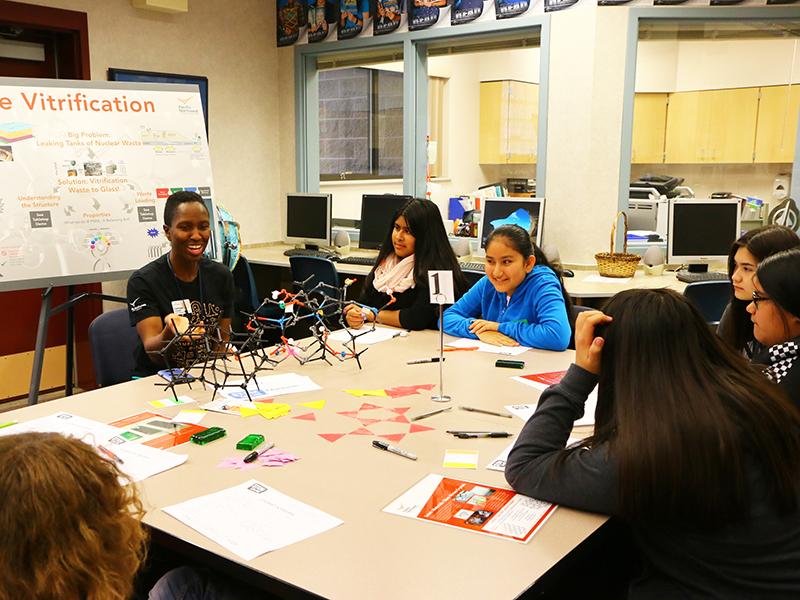
Knowing schools and events would be disrupted for an unknown duration, PNNL worked quickly to move several STEM resources online and to roll out a STEM campaign via its Facebook, Twitter, and Instagram channels.
PNNL’s Patrick Balducci delivered an information-packed tutorial on grid energy storage valuation at the Naval Postgraduate School in Monterey, California.
A long-standing collaboration between PNNL and Oregon State University to study harmful chemicals at federally designated hazardous waste sites primarily across the Pacific Northwest has been awarded a five-year, $12.7 million grant.
The recent coronavirus pandemic shows just how quickly a deadly pathogen can sweep across the globe, killing tens of thousands in the U.S. and disrupting daily life for millions more in the span of a few months.
Retooled program offers researcher-led virtual lab tours, online Q&A sessions, discussion groups, online networking, and video professional development workshops
Scientists at Pacific Northwest National Laboratory have recently formed a new partnership with Washington State University Health Sciences Spokane to study how gut microbes influence circadian rhythms.
PNNL and the U.S. Forest Service used a combination of data, models, analytical techniques and software to evaluate forest restoration impacts on the environment, while also assessing the economics of resulting biomass.
At PNNL, subsurface science inhabits two separate but interlocking worlds. One looks at basic science, the other at applied science and engineering. Both are funded by the U.S. Department of Energy (DOE).
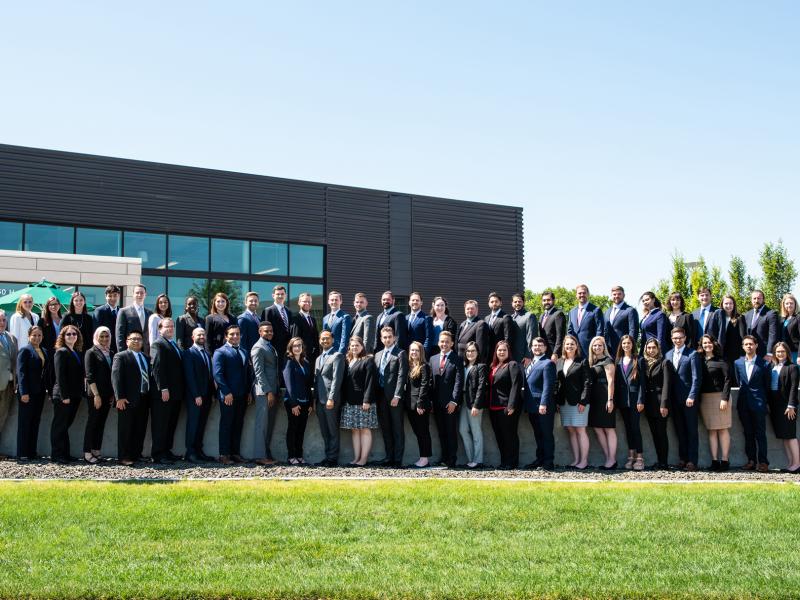
PNNL and the National Nuclear Security Administration are building future leaders for nuclear security through the NNSA Graduate Fellowship Program, a hands-on fellowship spanning the nuclear security enterprise.
A team of researchers is working to expand our uranium chemistry understanding using a surprising tool: lasers. This capability gives never-before-seen insight into uranium gas-phase oxidation during nuclear explosions.
PNNL study evaluated "tunable" lighting and its effects on sleep at study in a California nursing home. Tunable refers to the ability to adjust LED light output and the warmth or coolness of the light color.
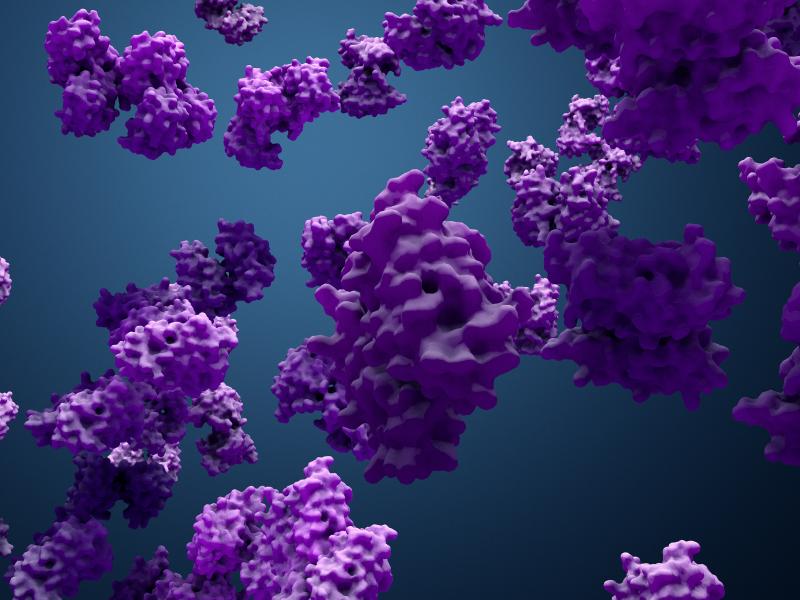
A PNNL scientist is studying the structures of the proteins on the surface of the novel coronavirus, using NMR spectroscopy to reveal information about the molecular toolkit that holds the keys to a vaccine or treatment.