PNNL will provide technical support to finalists in the Incubate stage and to Grand Prize Winners following the Pitch contest stage of the Fish Protection Prize competition, which is now accepting submissions.
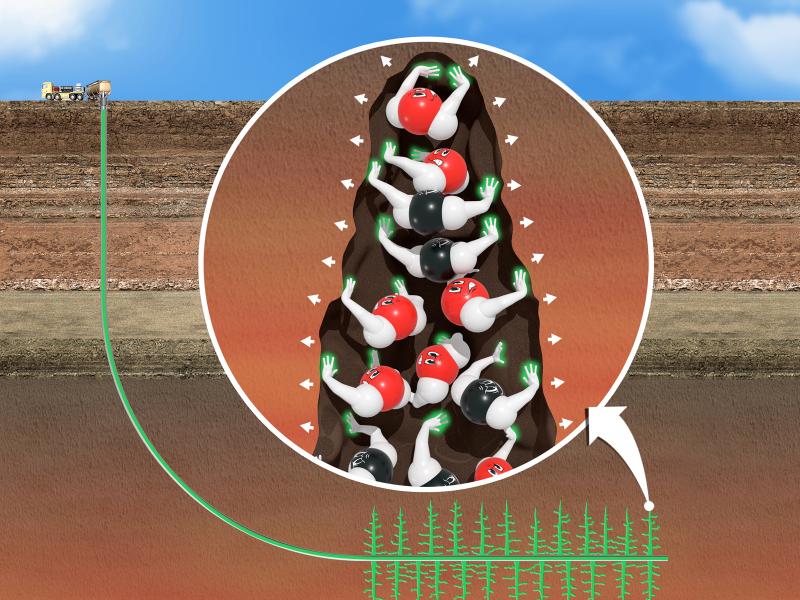
Researchers have identified two processes responsible for fracturing rock at lower pressures for geothermal energy production using PNNL’s fracturing fluid, StimuFrac™.
Global climate change is often at the forefront of national and international discussions and controversies, yet many details of the specific contributing factors are poorly understood.
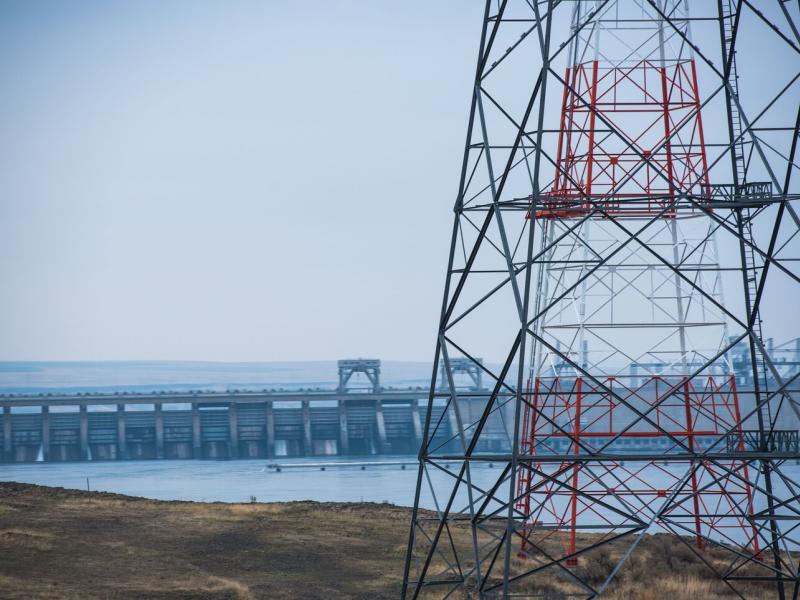
Pumped-storage hydropower offers the most cost-effective storage option for shifting large volumes of energy. A PNNL-led team wrote a report comparing cost and performance factors for 10 storage technologies.
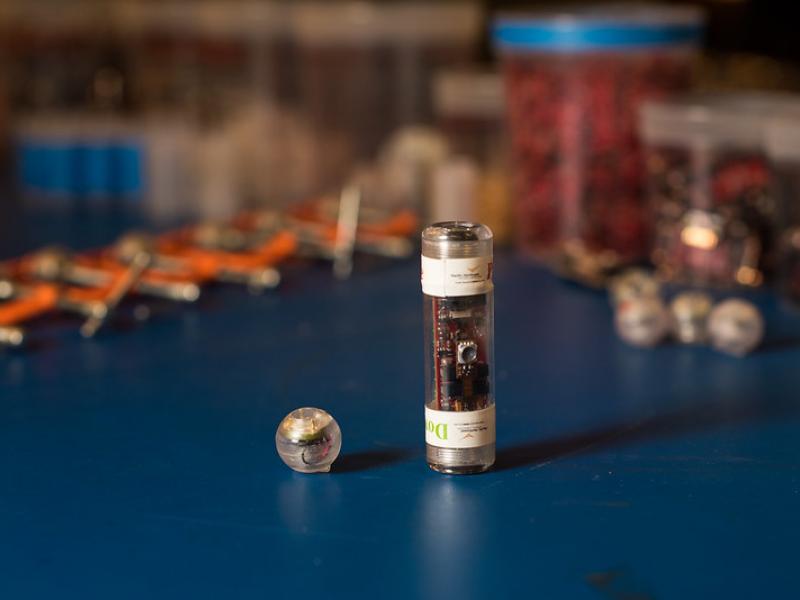
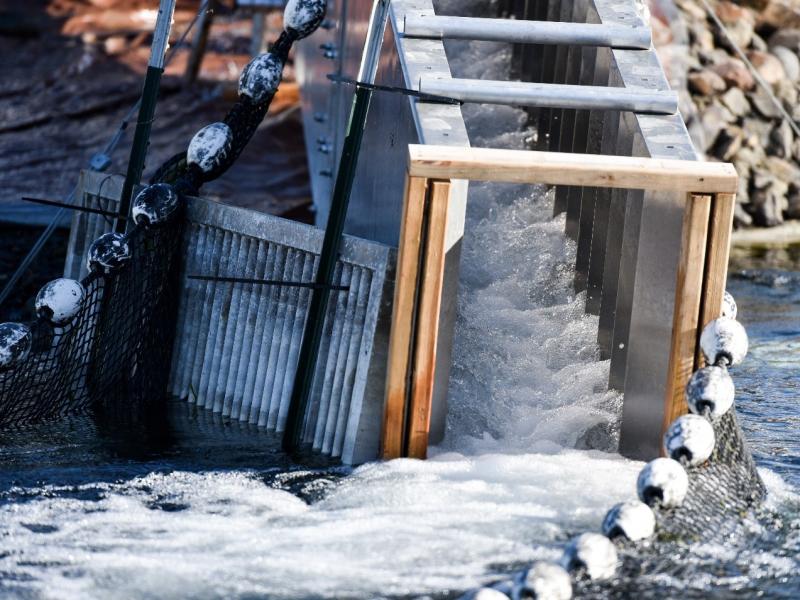
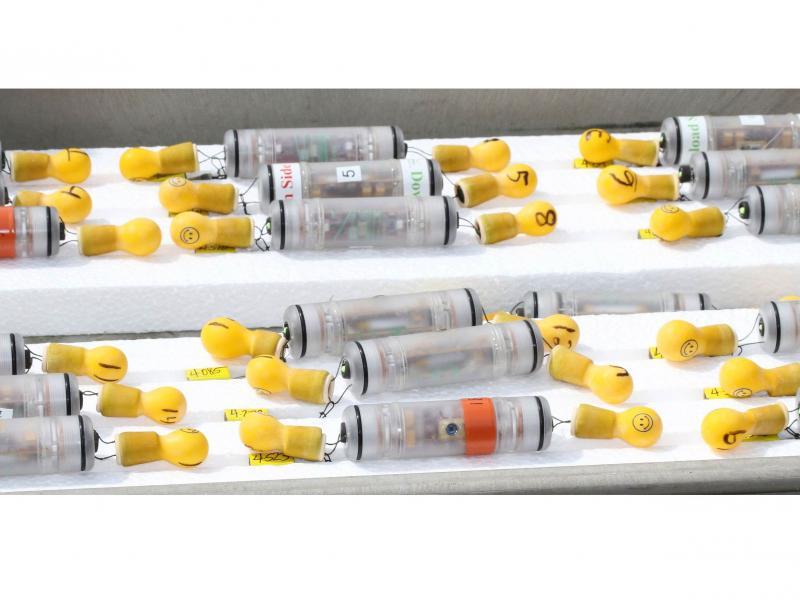
PNNL’s autonomous fish body double, Sensor Fish, and the miniature version, Sensor Fish Mini, were used to evaluate a special screen. Researchers found the screen provides safe downstream passage for fish at irrigation structures.
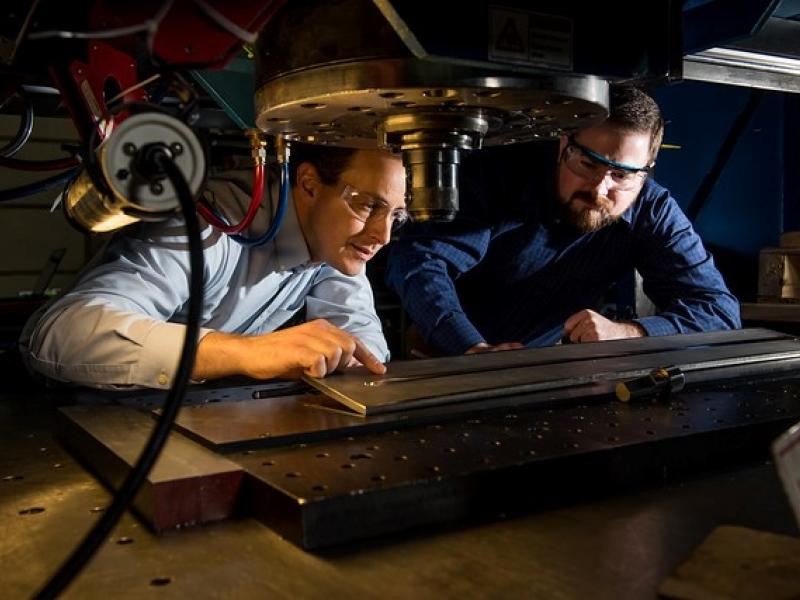
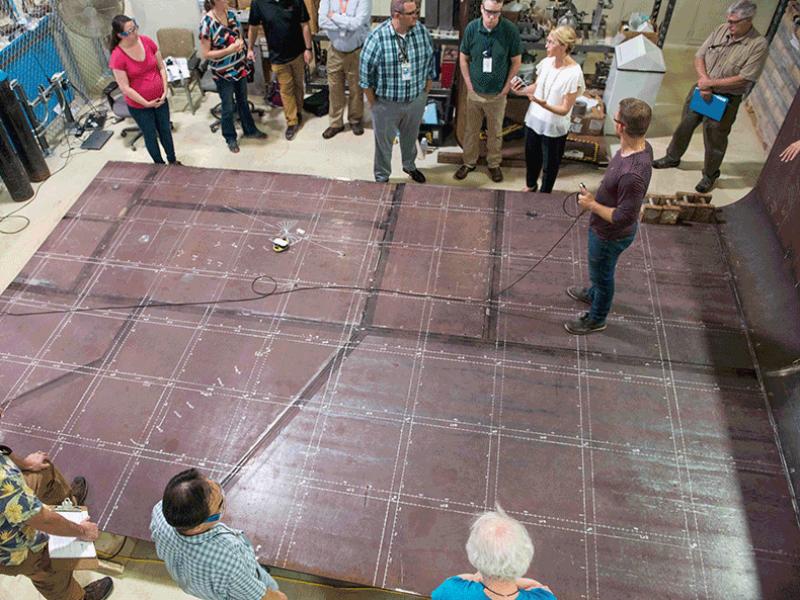
A PNNL study that evaluated the use of friction stir technology on stainless steel has shown that the steel resists erosion more than three times that of its unprocessed counterpart.
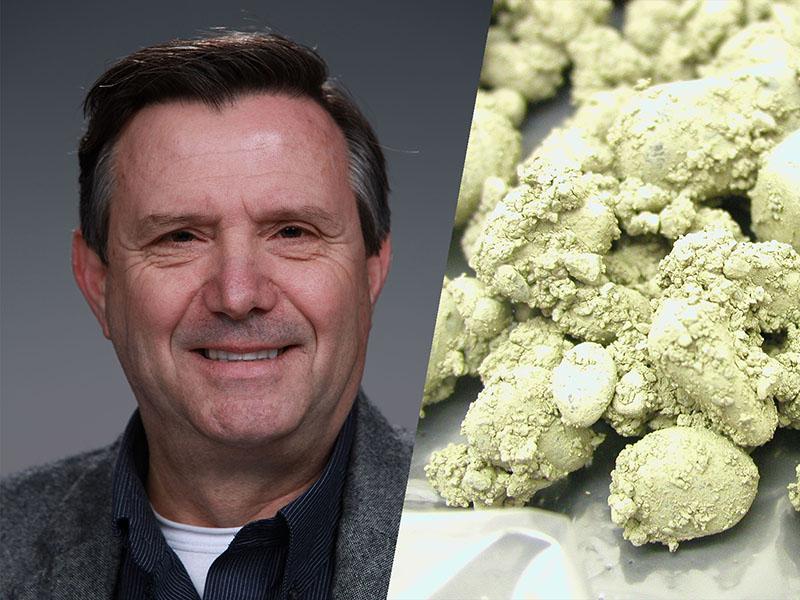
The Soil Science Society of America presents Nik Qafoku with the 2019 Jackson Award for contributions in soil chemistry and mineralogy—ranging from agricultural fertilizer efficiency in Albania to soil contaminant transport at Hanford.
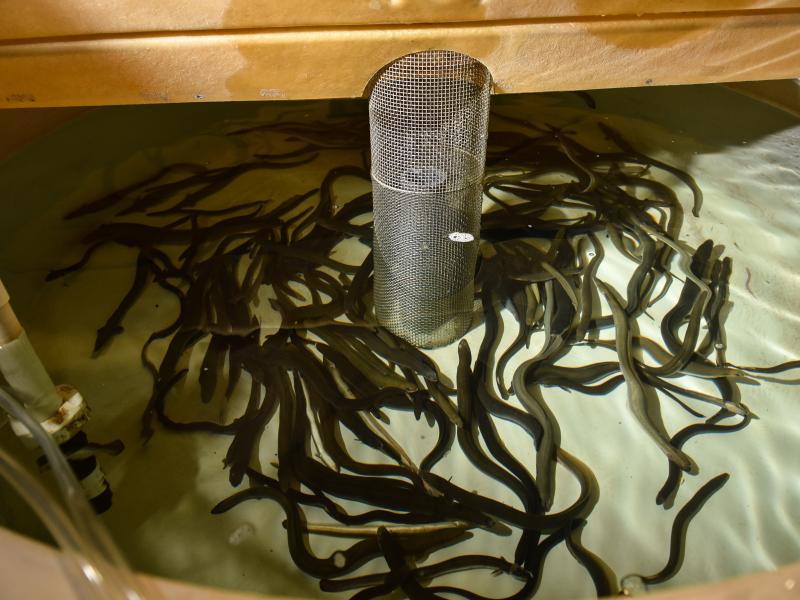
Three PNNL fish researchers recently published a video journal article on how to properly implant miniature acoustic tags in juvenile Pacific lamprey and American eel and how the tags could benefit migration.
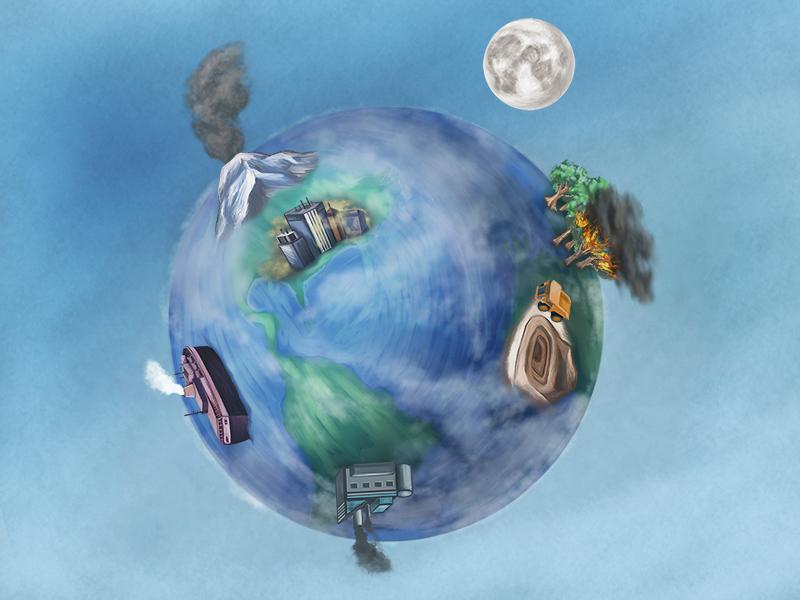
A study co-led by PNNL and reviewed in Science investigates how nanomaterials—both ancient and modern—cycle through the Earth’s air, water, and land, and calls for a better understanding of how they affect the environment and human health.
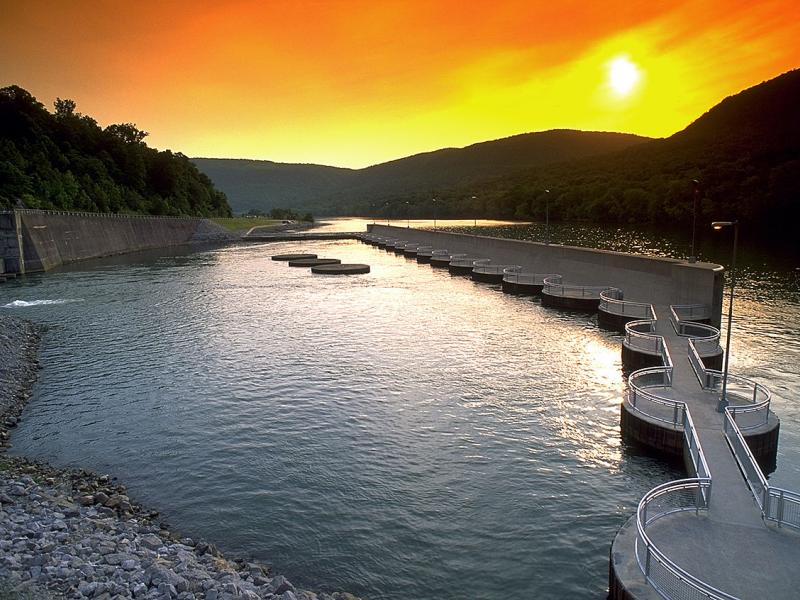
A new paper found that hydropower turbines with composite blades generate about 20 percent more power than turbines with traditional stainless steel blades at the same flow rate.
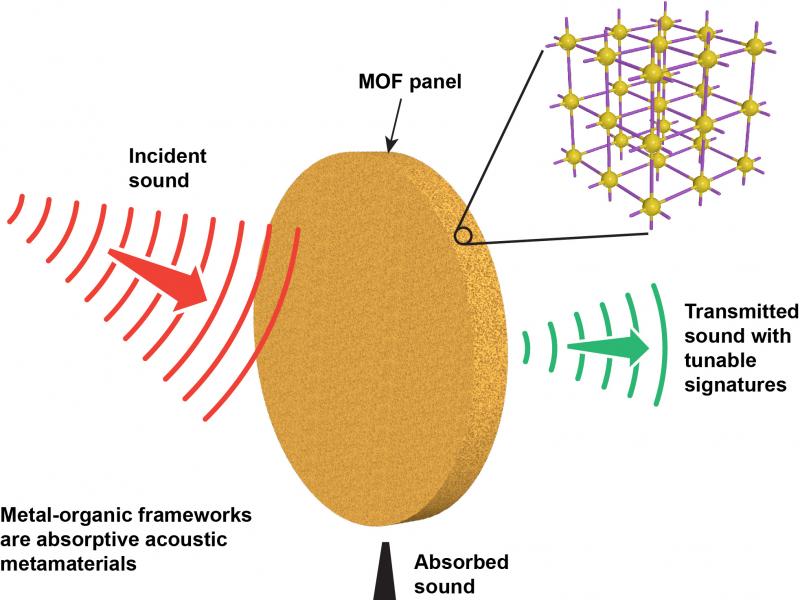
Researchers at PNNL are developing a new class of acoustically active nanomaterials designed to improve the high-resolution tracking of exploratory fluids injected into the subsurface. These could improve subsurface geophysical monitoring.
Researchers at PNNL used key metrics to develop visualizations that show how the combined effects of climate change on hydropower and load influence the frequency, duration, and severity of power shortfalls.