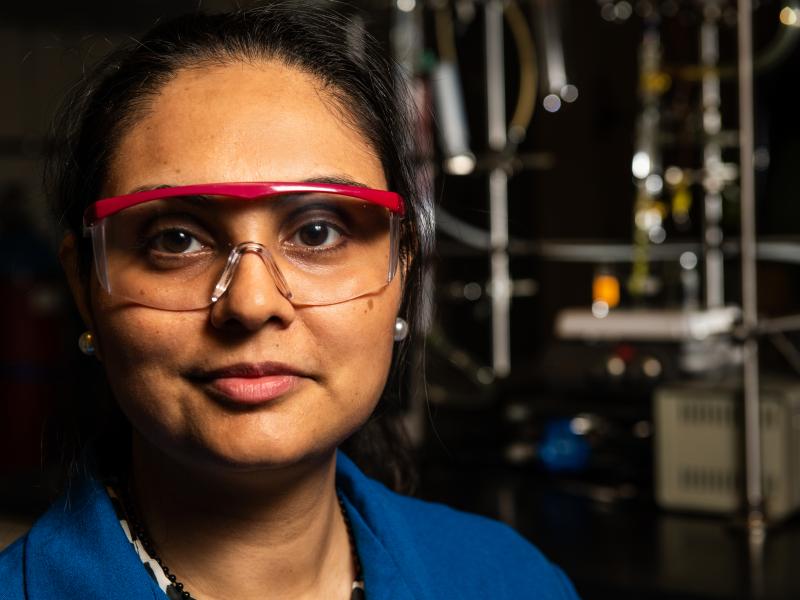
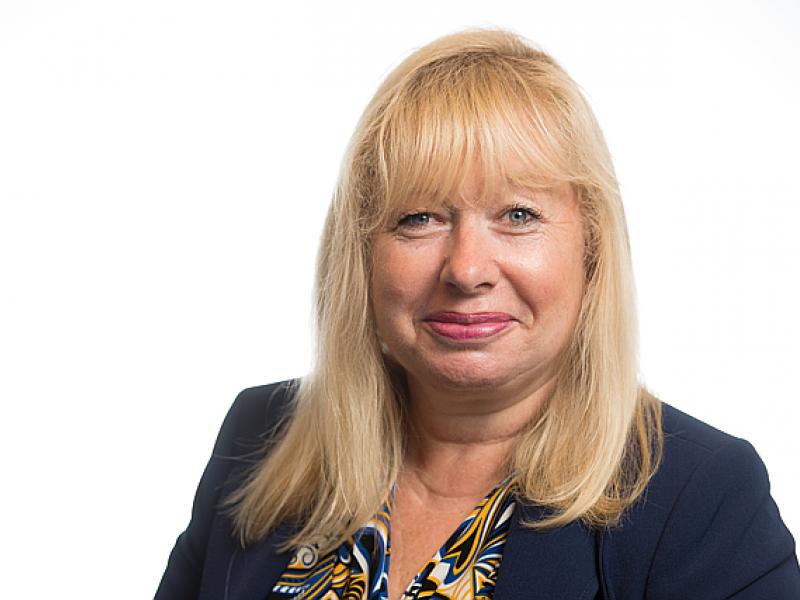
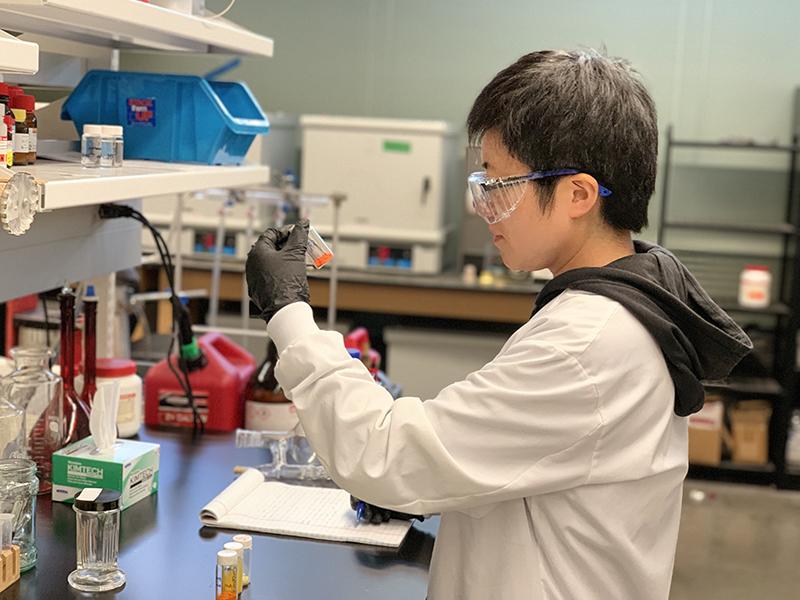
Deepika Malhotra, an organic chemist at PNNL, will lend her expertise to help shape the content and quality of Pollutants a new, interdisciplinary, open access, journal focusing on a range of environmental science research.
Researchers adding water to the surface of alumina measured some surprising results that raise important questions regarding the fundamental reactions that govern chemical transformations of aluminum oxides and hydroxides.
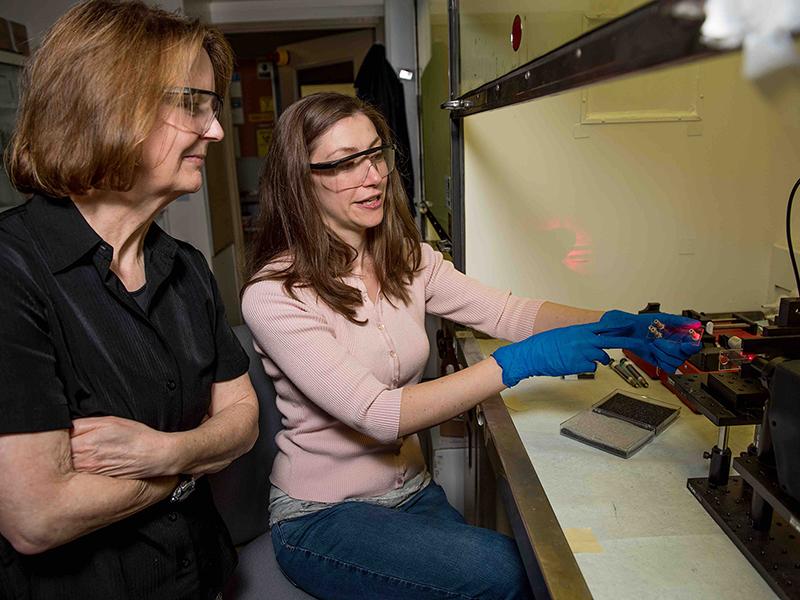
Scientists at the Interfacial Dynamics in Radioactive Environments and Materials (IDREAM) sort out which compounds are present and their concentrations, providing an important new tool with broad applicability.
Malhotra, a chemist, will apply her expertise on designing and creating modular solvents for carbon capture, acid gas separations, catalysis, and rare earth metal extractions to provide constructive review for the submitted manuscripts.
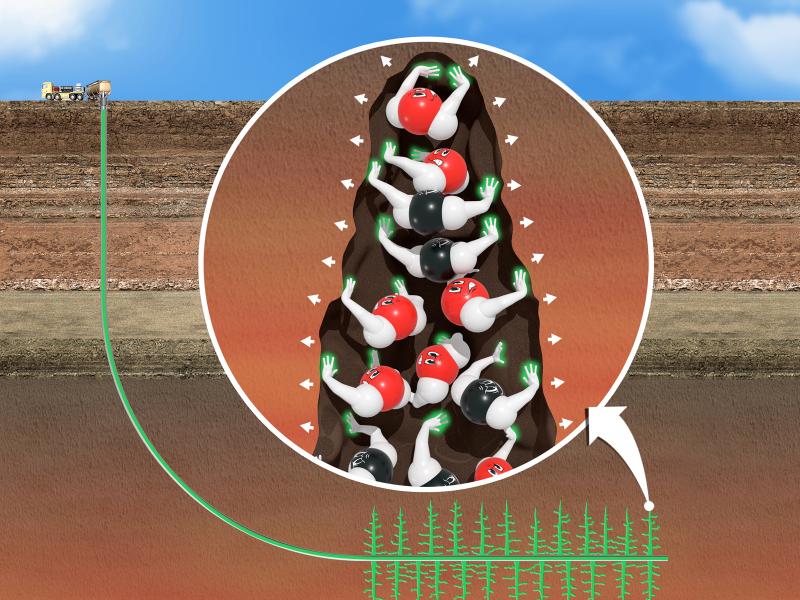
Researchers have identified two processes responsible for fracturing rock at lower pressures for geothermal energy production using PNNL’s fracturing fluid, StimuFrac™.
The world’s largest scientific society honored Sue B. Clark, a PNNL and WSU chemist, for contributions toward resolving our legacy of radioactive waste, advancing nuclear safeguards, and developing landmark nuclear research capabilities.
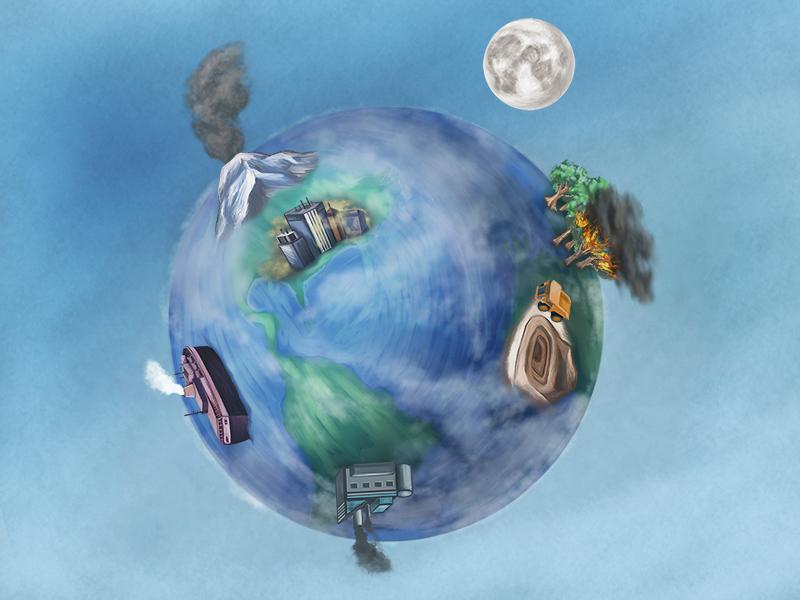
Global climate change is often at the forefront of national and international discussions and controversies, yet many details of the specific contributing factors are poorly understood.
The ANS award will be presented at the Global Top Fuel 2019 Conference this September in Seattle, and comes amid several recent recognitions for Paviet.
The Soil Science Society of America presents Nik Qafoku with the 2019 Jackson Award for contributions in soil chemistry and mineralogy—ranging from agricultural fertilizer efficiency in Albania to soil contaminant transport at Hanford.
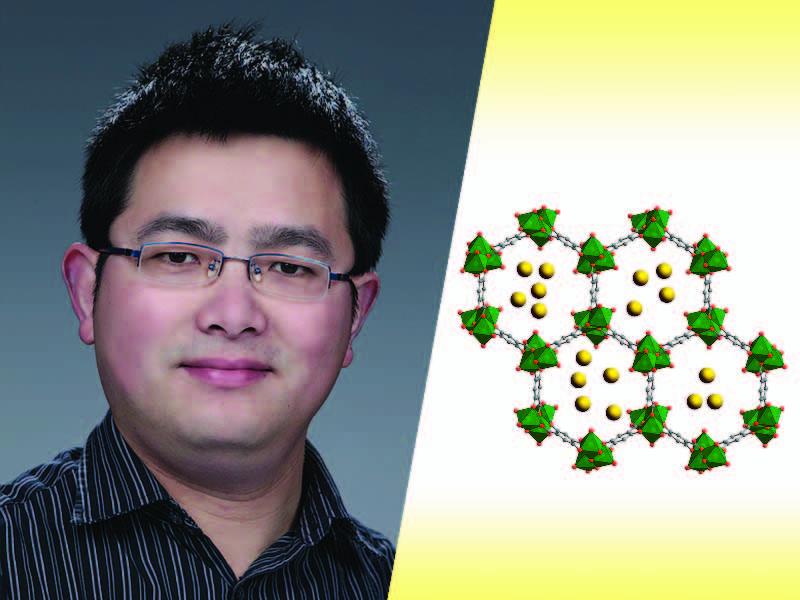
A radioactive chemical called pertechnetate is a bad actor when it’s in nuclear waste tanks. But researchers at PNNL and the University of South Florida have a new lead on how to selectively separate it from the nuclear waste for treatment.
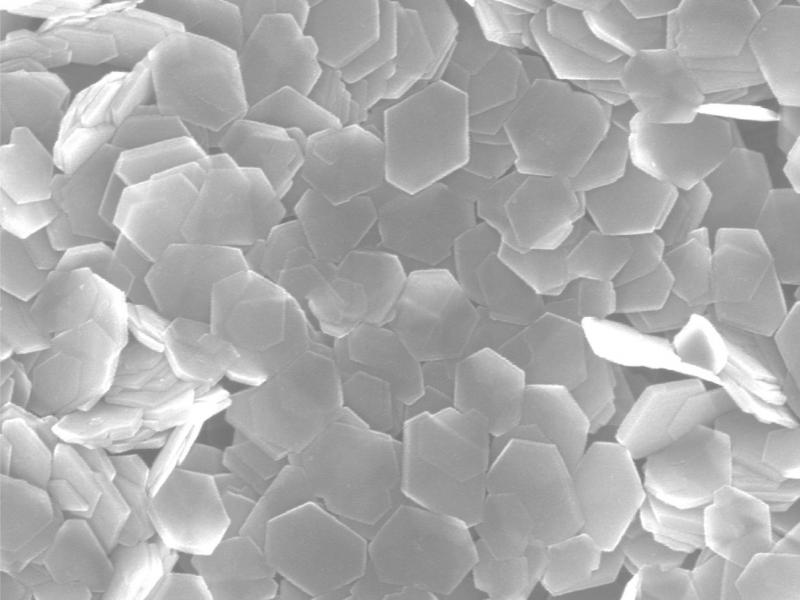
A study co-led by PNNL and reviewed in Science investigates how nanomaterials—both ancient and modern—cycle through the Earth’s air, water, and land, and calls for a better understanding of how they affect the environment and human health.
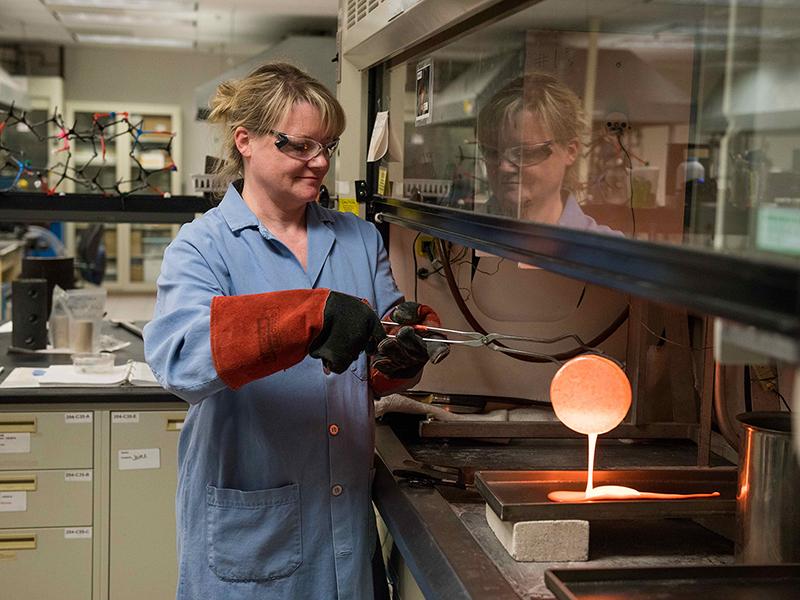
Frannie Smith, a chemist specializing in nuclear waste management and disposal, was recognized as a "Notable Woman in STEM" for 2019 by the nonprofit Washington STEM program.
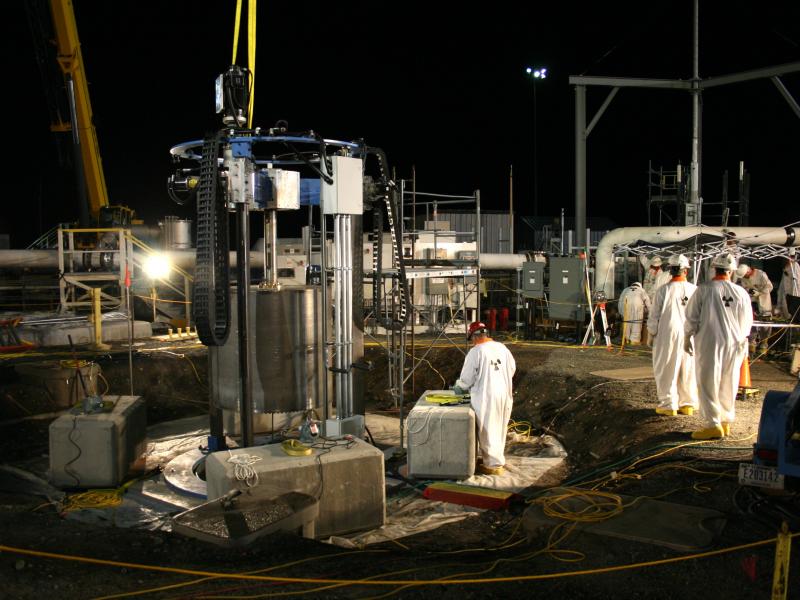
Installing new access holes (up to 6 feet in diameter) could reduce the overall time and cost to retrieve waste from Hanford's underground storage tanks, according to a structural analysis of the tank domes by PNNL and Becht Engineering.