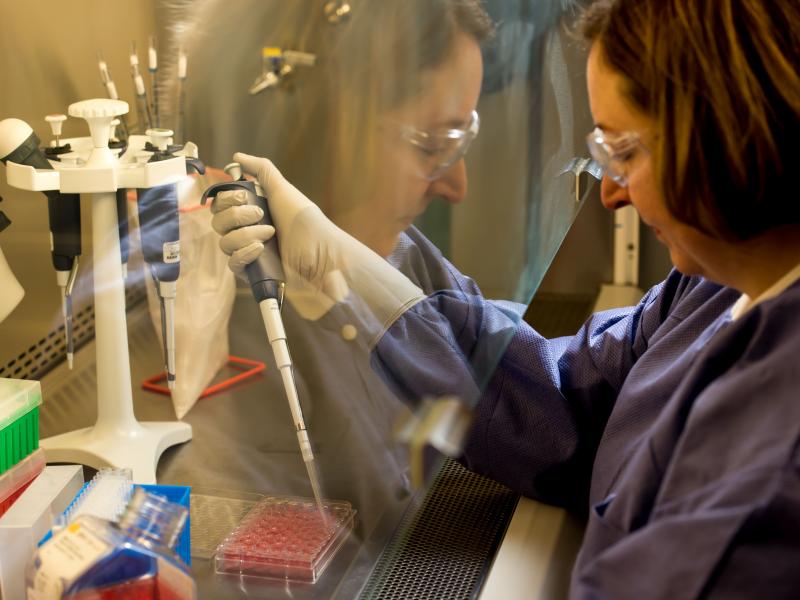
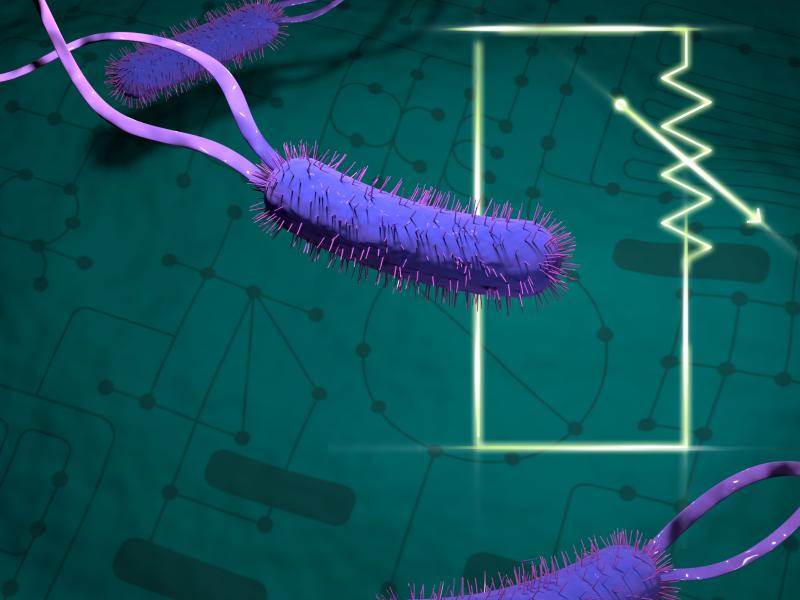
Researchers at PNNL have developed a bacteria testing system called OmniScreen that combines biological and synthetic chemistry with machine learning to hunt down pathogens before they strike.
An award-winning ion separation technology developed at PNNL has been licensed for biomedical applications. Continued research aims to make the devices suitable for molecular analysis in the field.
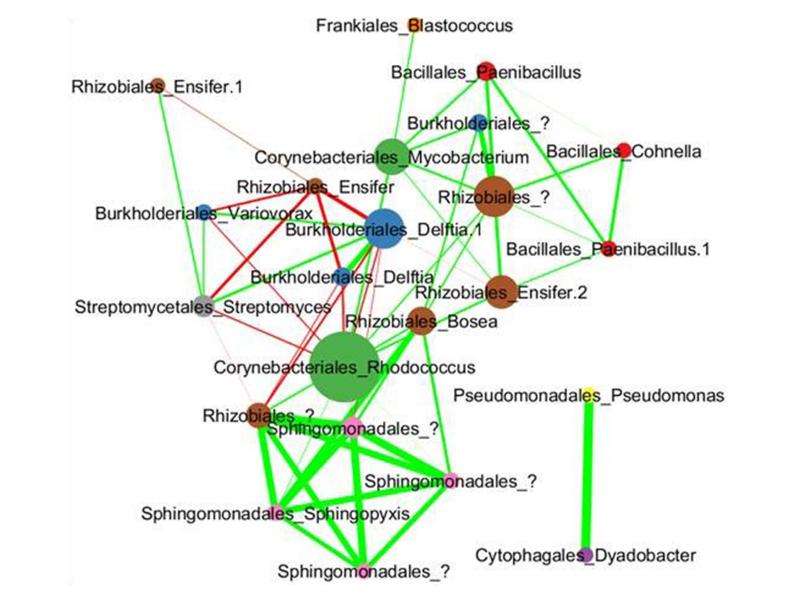
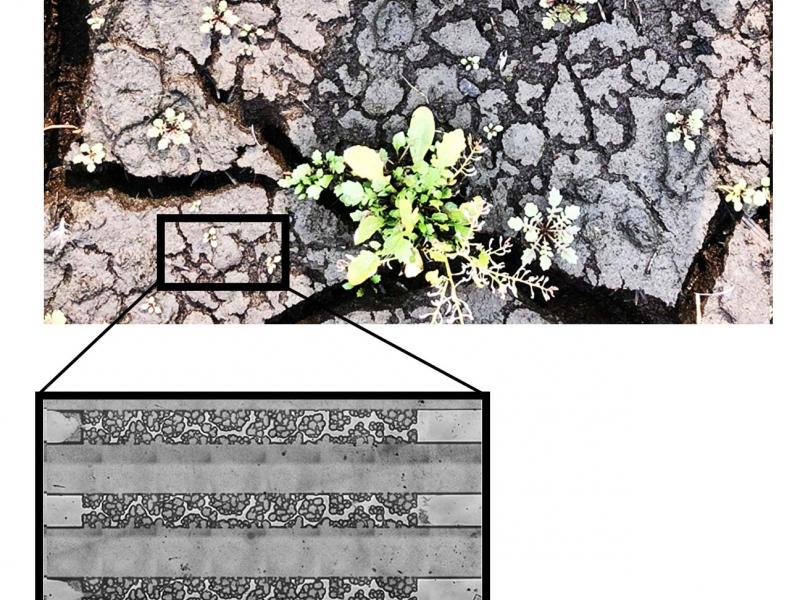
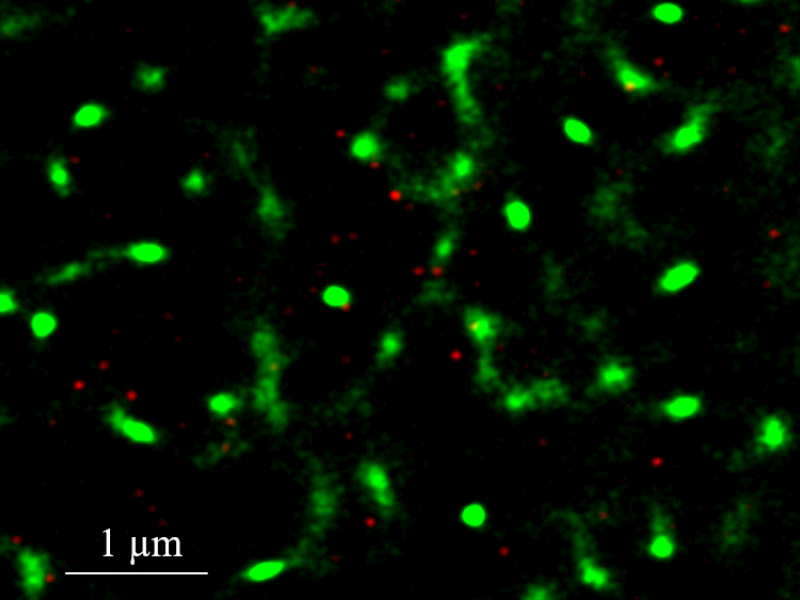
Soil microbial communities produced more water retaining molecules when enriched with insoluble organic carbon, chitin, compared to a soluble carbon source, N-acetylglucosamine.
Using a large repository of blood samples from military personnel, PNNL and Uniformed Services University scientists have discovered a group of 13 proteins that could provide early detection of head and neck cancers.
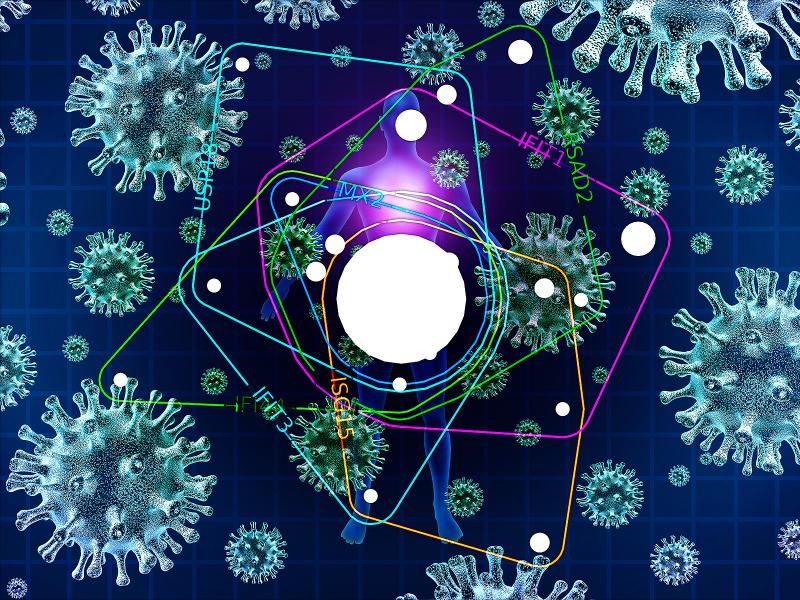
The nation’s ability to test for COVID-19 has expanded, thanks to work at Pacific Northwest National Laboratory, where scientists have established the performance of testing equipment to detect the virus.
Twelve researchers from PNNL presented at the 2020 Metabolomics Association of North America virtual conference in mid-September. Their presentations included a plenary talk, keynote talks, oral presentations, posters, and a lightning talk.
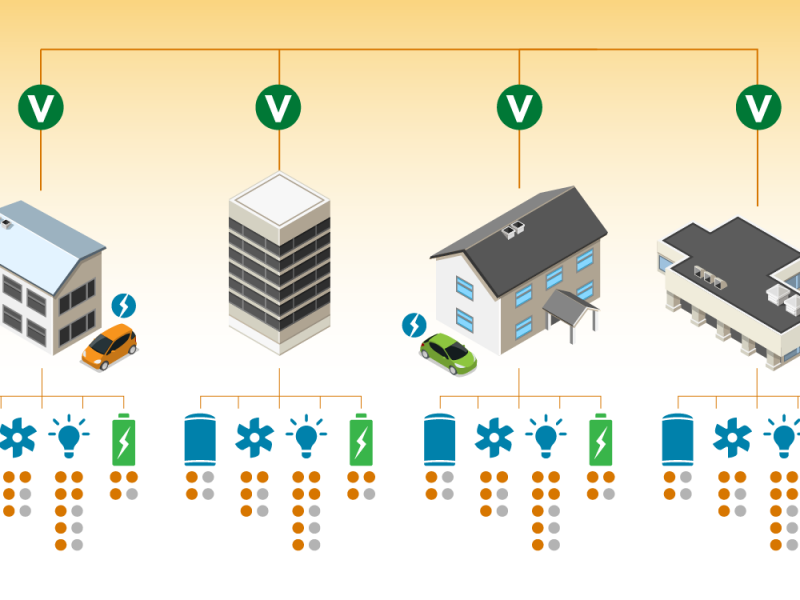
The PNNL-developed VOLTTRON™ software platform’s advancement has benefited from a community-driven approach. The technology has been used in buildings nationwide, including most recently on a university campus.
Pacific Northwest National Laboratory (PNNL) is part of a continuing National Science Foundation (NSF) team investigating the environmental impact of nanoparticles at the molecular level.
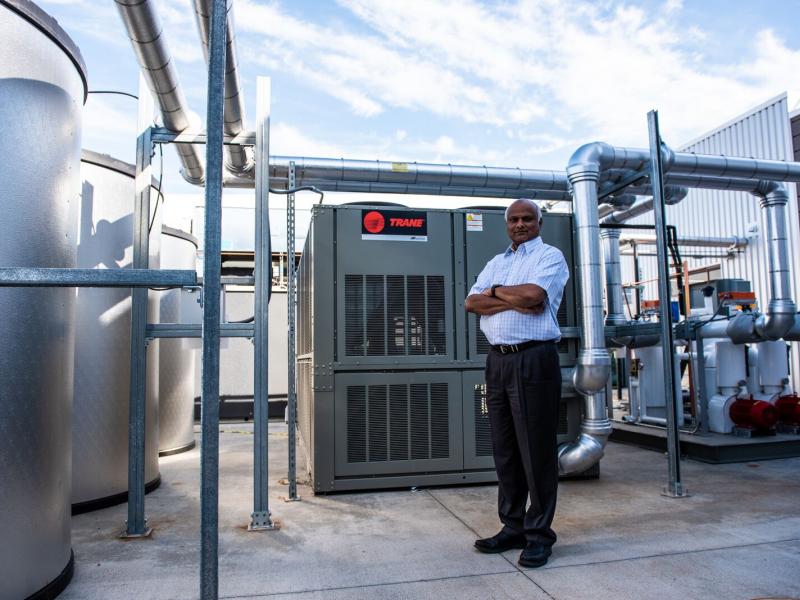
PNNL engineer Srinivas Katipamula was recognized by the American Council for an Energy-Efficient Economy with a 2020 Champion of Energy Efficiency Award.
To study the impact of accelerated dryland expansion and degradation on global dryland gross primary production (GPP,) PNNL and Washington State University researchers assessed GPP data from 2000-2014 and the CMIP5 aridity index (AI).