Researchers at PNNL examined heat pump water heater (HPWH) operation in Pacific Northwest residences, gaining insights into HPWH electricity use patterns. Part of the study captured trends during a COVID-19 stay-at-home order.
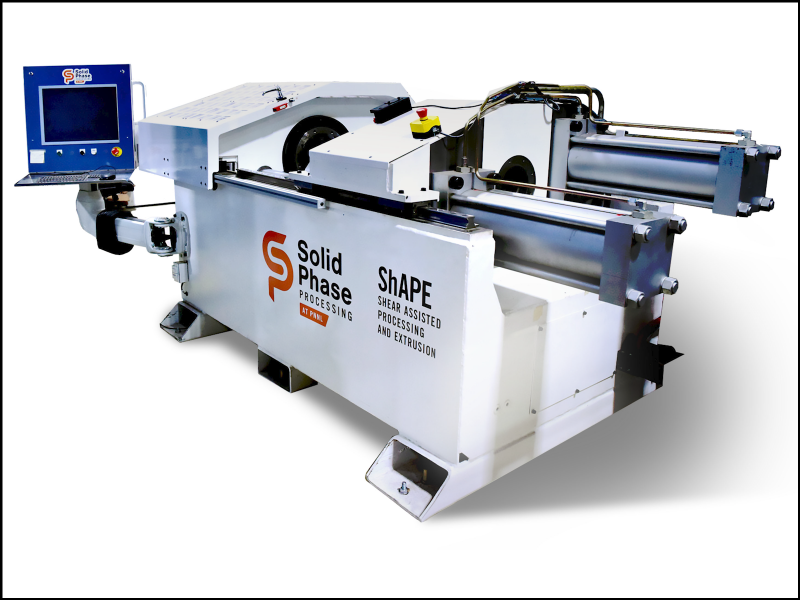
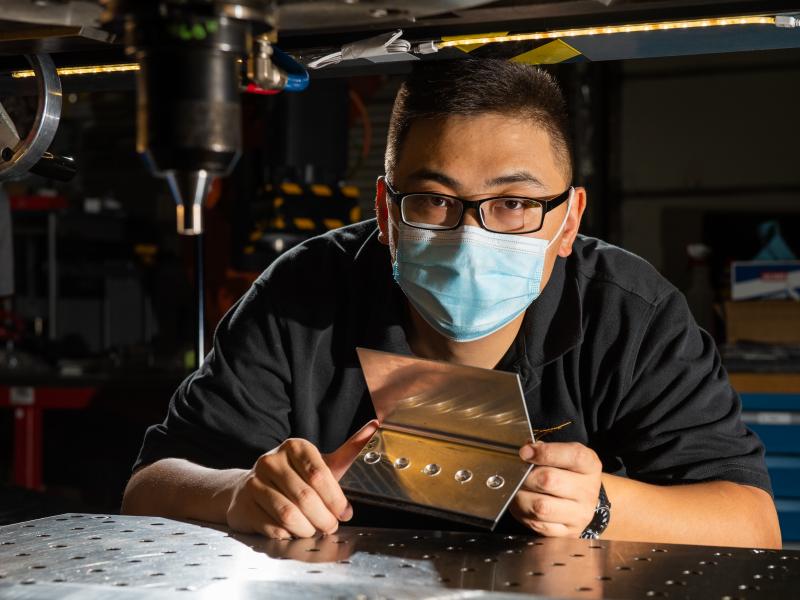
Rotational Hammer Riveting, developed by PNNL, joins dissimilar materials quickly without preheating rivets. The friction-based riveting enables use of lightweight magnesium rivets and also works on aluminum and speeds manufacturing.
A discovery from PNNL and Washington State University could help reduce the amount of expensive material needed to treat vehicle exhaust by making the most of every precious atom.
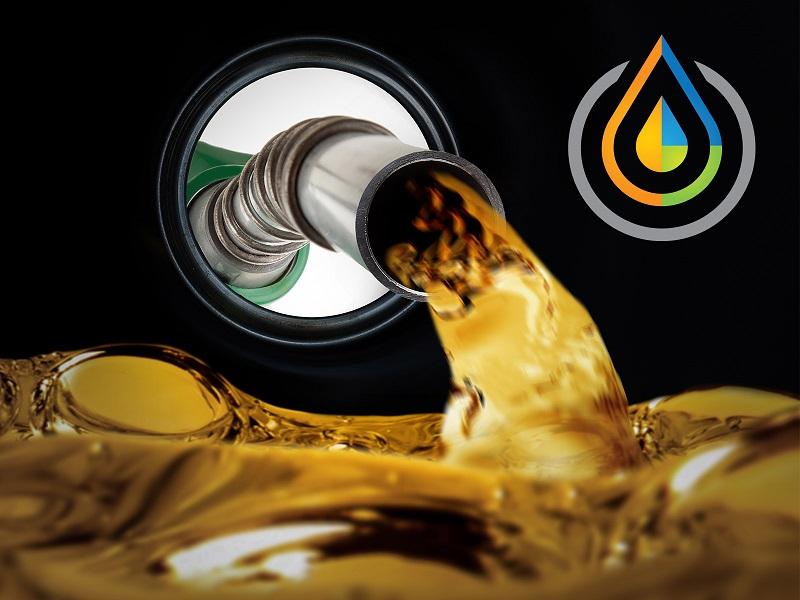
A new report led by PNNL identifies the top 13 most promising waste- and biomass-derived diesel blendstocks for reducing greenhouse gas emissions, other pollutants, and overall system costs.
Researchers developed two solutions for air-conditioning—a novel, energy-efficient dehumidification system and a technology to detect refrigerant leaks. Both help increase energy-efficiency and reduce costs.
A new research partnership between PNNL and the University of Nevada, Reno aims to tackle critical challenges such as climate change, infrastructure resilience and cybersecurity.
A report published by the National Academies of Sciences, Engineering, and Medicine Committee on Applied Research Topics for Hazard Mitigation and Resilience focuses on social capital and connectedness for resilience.
PNNL bioenergy expert Justin Billing has contributed expertise to a newer standard designed to ensure the safety, performance, and sustainability of prefabricated fecal sludge treatment units.
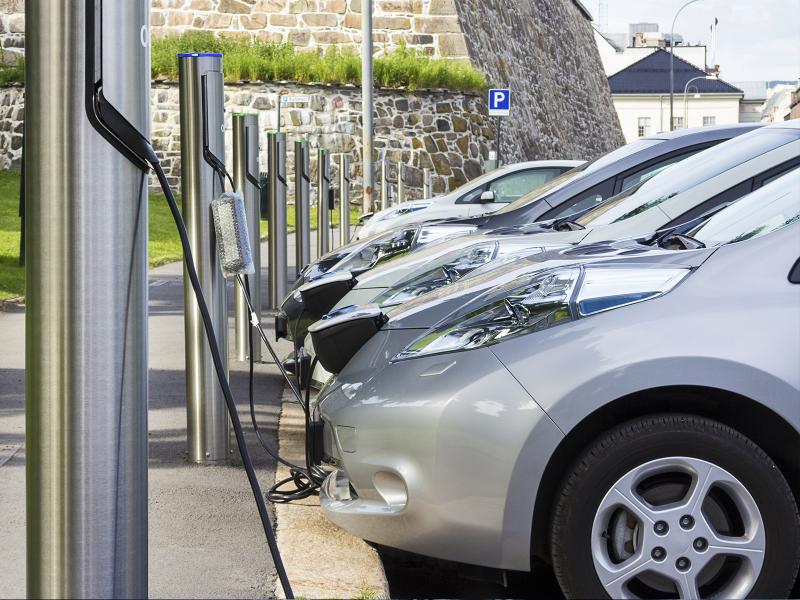
PNNL’s energy-efficient dehumidifier may reduce energy consumption by up to 50% in residential A/C systems and increase the range of electric vehicles by up to 75%. The system has been licensed to Montana Technologies.
The first customized resource of its kind, H-BEST analyzes the indoor environmental quality profile for buildings and helps its users identify the costs and benefits of improvements.