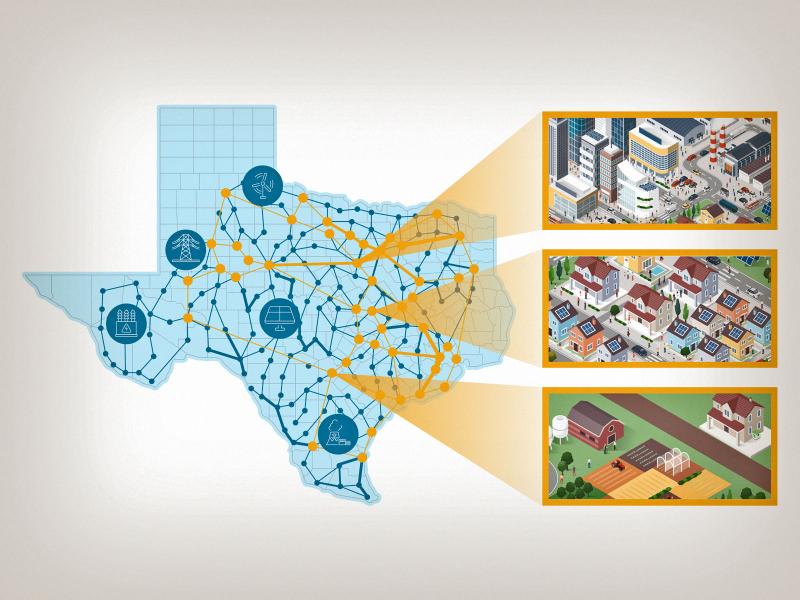
PNNL’s longstanding grid and buildings capabilities are driving two projects that test transactive energy concepts on a grand scale and lay the groundwork for a more efficient U.S. energy system.
The Facility Cybersecurity toolkit, developed by PNNL, is designed for federal facilities to help implement the presidential executive order on cybersecurity, but it is also available for commercial facilities without charge.
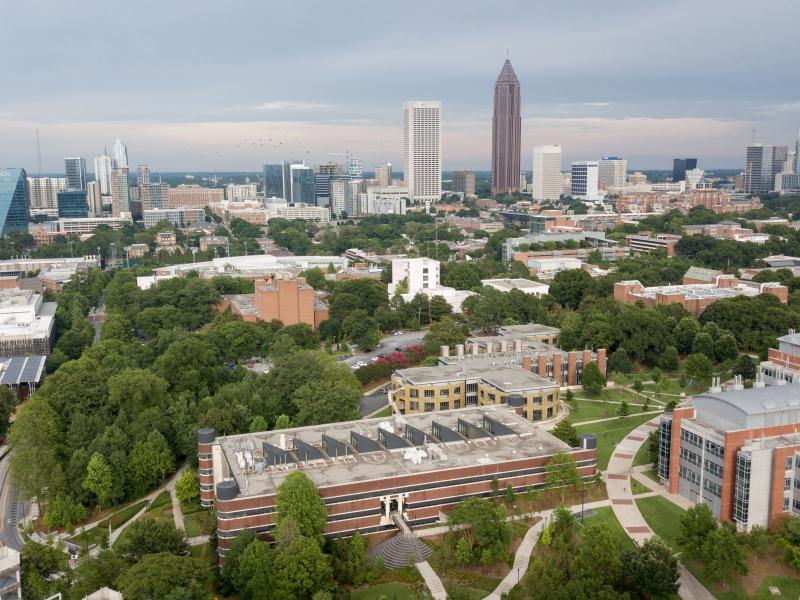
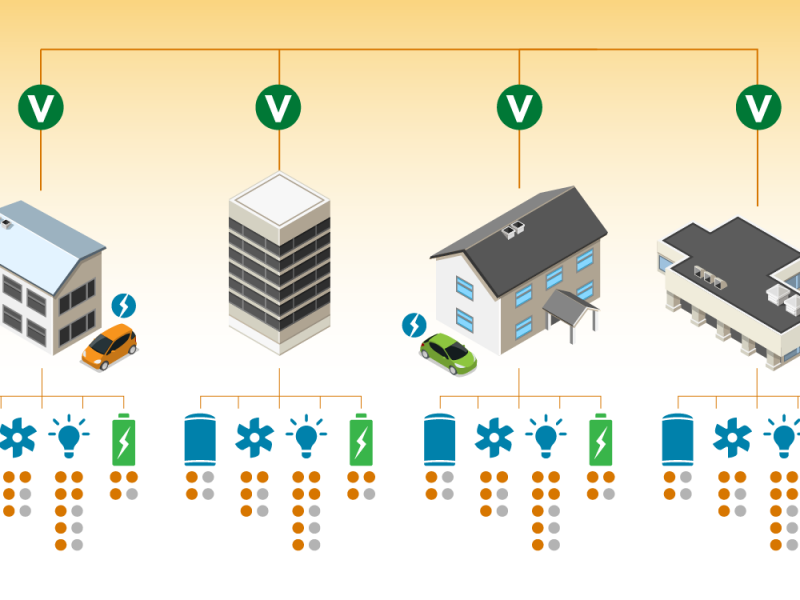
The PNNL-developed VOLTTRON™ software platform’s advancement has benefited from a community-driven approach. The technology has been used in buildings nationwide, including most recently on a university campus.
PNNL mechanical engineer Stephanie Johnson has been recognized by DOE’s Advanced Manufacturing Office for making a significant impact in energy-efficiency research.
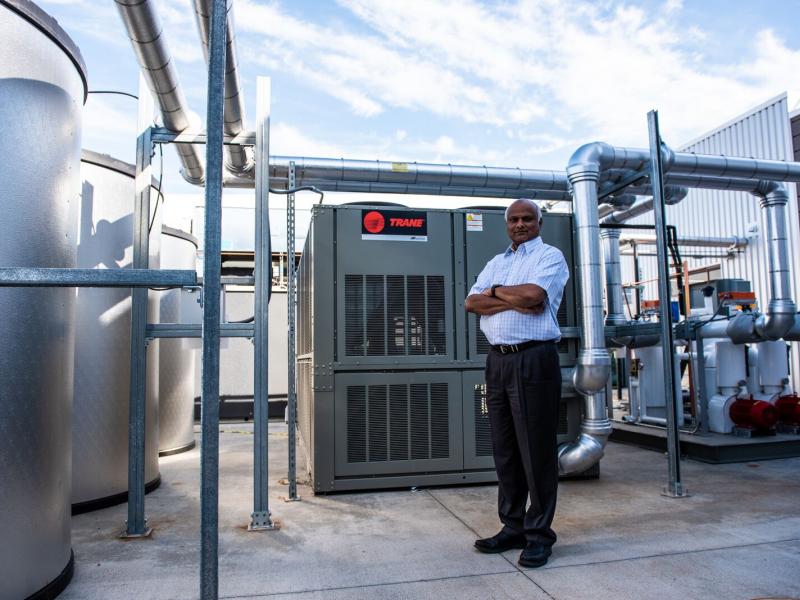
PNNL engineer Srinivas Katipamula was recognized by the American Council for an Energy-Efficient Economy with a 2020 Champion of Energy Efficiency Award.
Contributions from researchers across Pacific Northwest National Laboratory (PNNL) were recently recognized in the preliminary findings of a Secretary of Energy Advisory Board (SEAB) report.
Four researchers from PNNL were recently honored for contributing to two U.S. Department of Energy Office of Energy Efficiency and Renewable Energy initiatives that support the blue economy and building-grid integration.
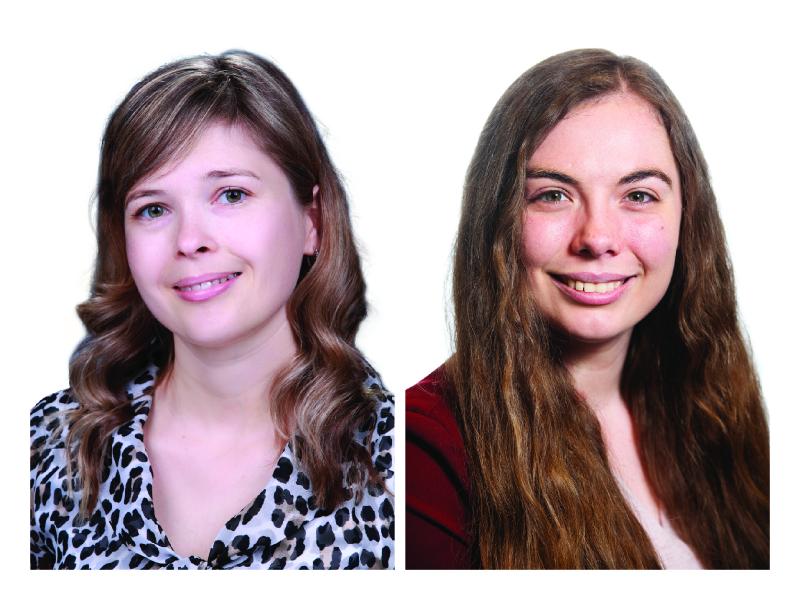
PNNL data scientists Maria Glenski and Svitlana Volkova have contributed a chapter to a book titled Disinformation, Misinformation, and Fake News in Social Media: Emerging Research Challenges and Opportunities.
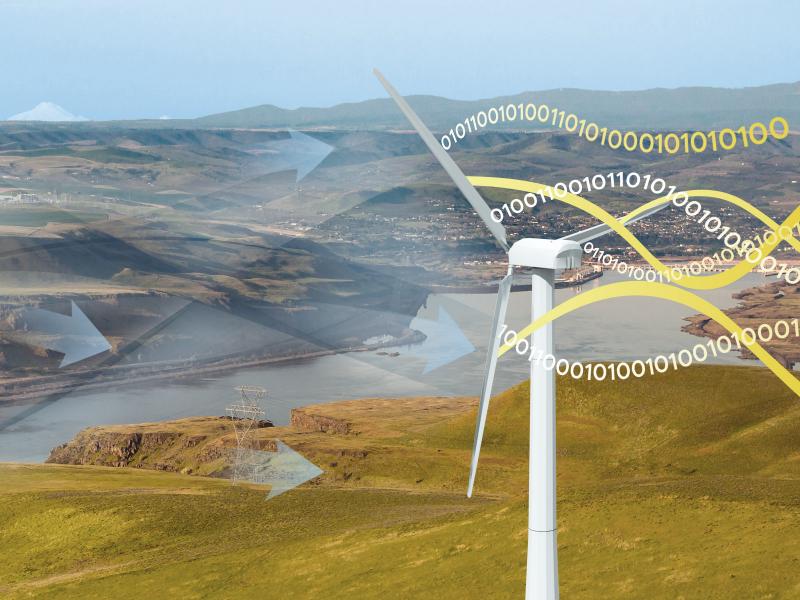
PNNL is managing the Data Archive and Portal, which provides the wind research community with secure, timely, easy, and open access to all data brought in from research under DOE’s Atmosphere to Electrons program.
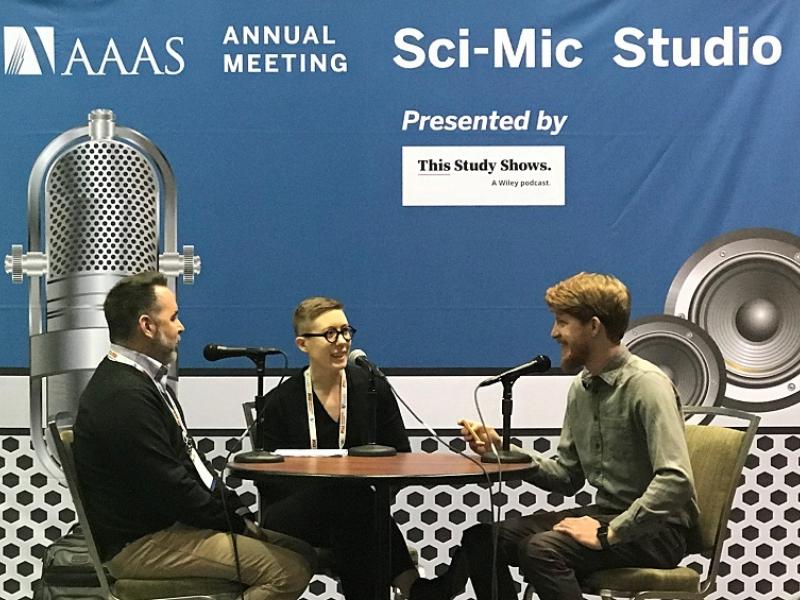
Two PNNL team members, Courtney Corley, a data scientist, and Kyle Bingman, an advisor on assured artificial intelligence (AI), were featured on a recent episode of the U.S. Department of Energy Direct Currents podcast.
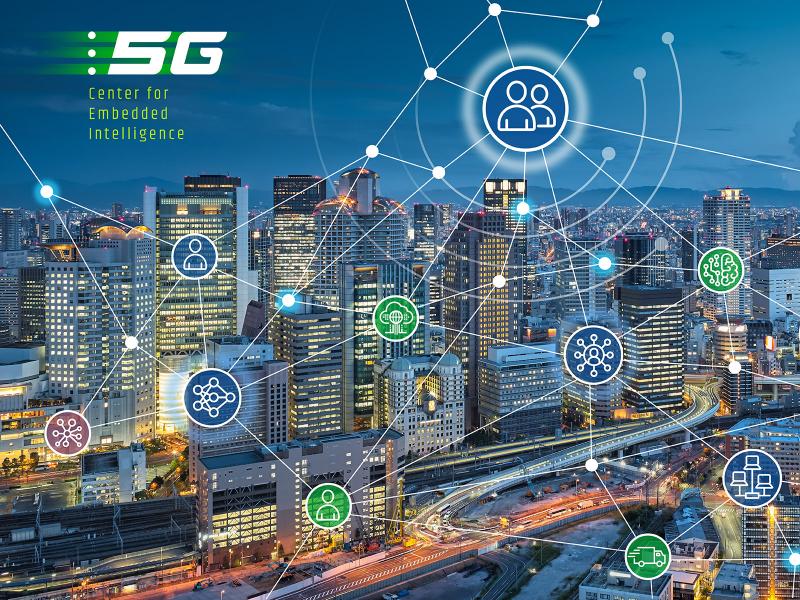
Ten staff members from PNNL were invited to attend and lead the various breakout sessions at the Department of Energy Office of Science 5G Enabled Energy Innovation Workshop (5GEEIW), which was held in early March.
Two PNNL researchers are helping define the future of transparency and accountability for public and private use of autonomous and intelligent systems.
Verizon recently announced a partnership that will make Pacific Northwest National Laboratory the U.S. Department of Energy’s first national laboratory with Verizon 5G ultra wideband wireless technology.