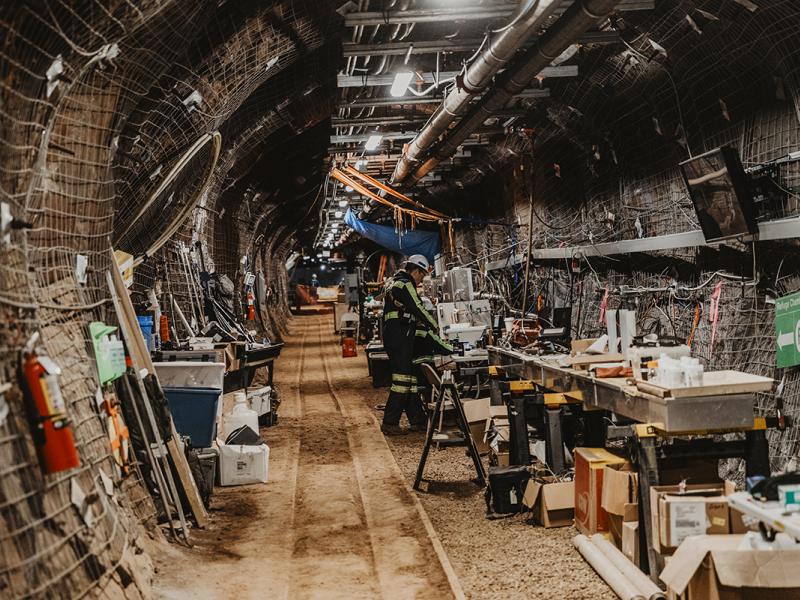
A team of researchers from 10 national laboratories and eight universities is conducting hydraulic shearing tests to explore the potential for geothermal energy at the Sanford Underground Research Facility (SURF).
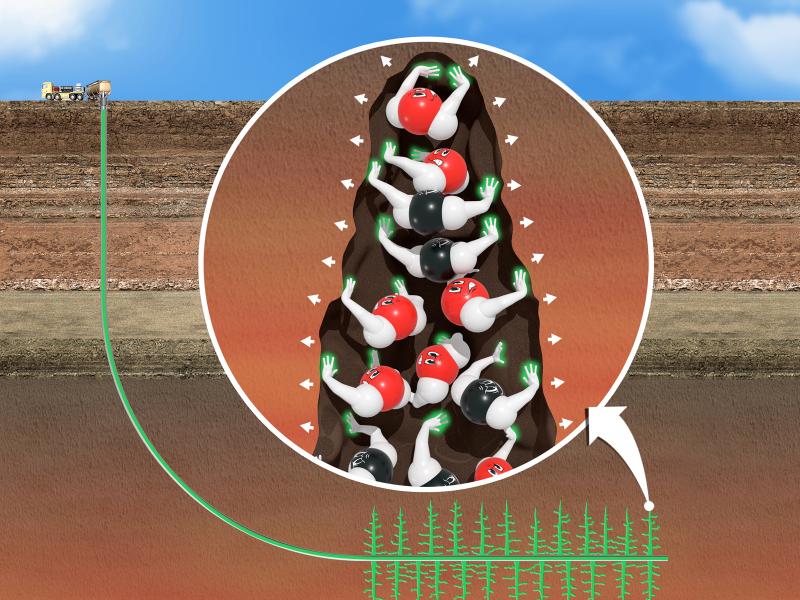
A research team from Pacific Northwest National Laboratory developed an apparatus that evaluates the performance of high-temperature fluids in hydraulic fracturing for enhanced geothermal systems.
Five PNNL technologies were recently awarded six R&D 100 honors. The R&D 100 Awards, now in its 58th year, recognize pioneers in science and technology from industry, the federal government, and academia.
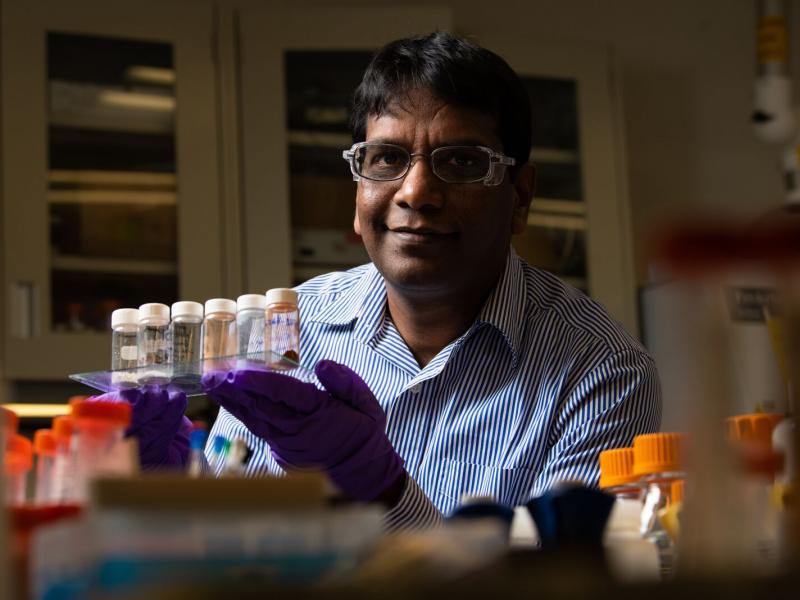
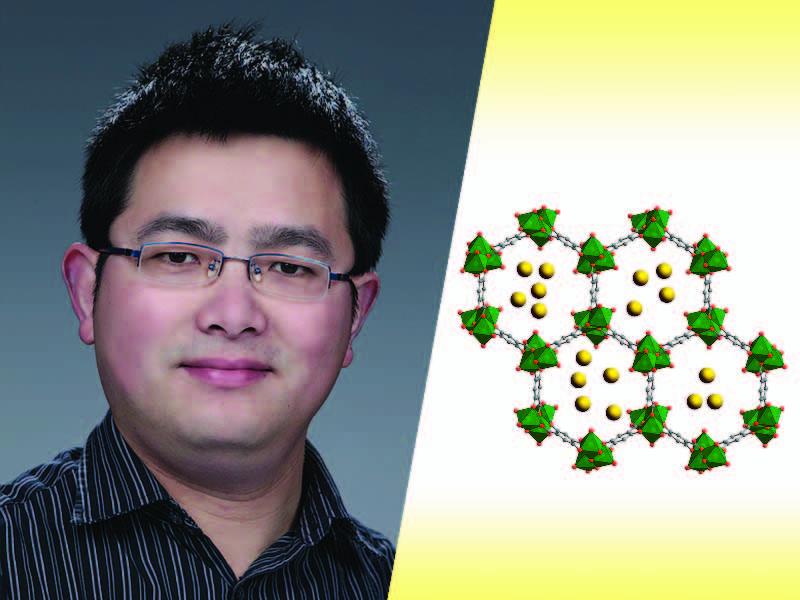
PNNL scientists have created an improved metal-organic framework (MOF) for adsorption cooling, that performs at least 40 percent better than its predecessors.
Sam Chatterjee, a senior operations research scientist at PNNL, was recently appointed as associate editor for the specialty section, “Water and the Built Environment” at the peer-reviewed, open access journal Frontiers in Water.
The Federal Laboratory Consortium for Technology Transfer has honored three innovations at the U.S. Department of Energy’s Pacific Northwest National Laboratory.
PNNL coastal ecologist Heida Diefenderfer was a featured speaker in February at the National Academies of Sciences, Engineering, and Medicine’s Government-University-Industry Research Roundtable on policy and global affairs.
PNNL’s Juliet Homer was an invited panelist at a California Energy Commission workshop, which highlighted research on water treatment, delivery, and energy.
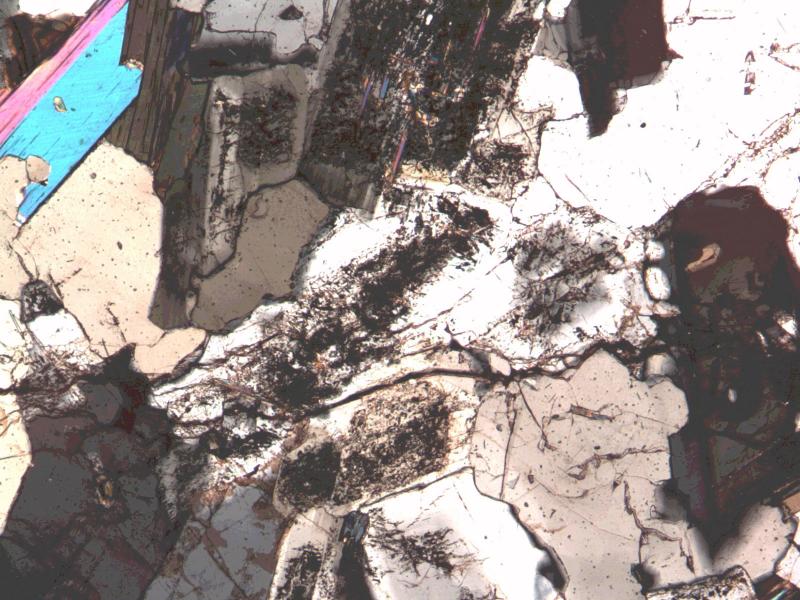
Researchers have identified two processes responsible for fracturing rock at lower pressures for geothermal energy production using PNNL’s fracturing fluid, StimuFrac™.
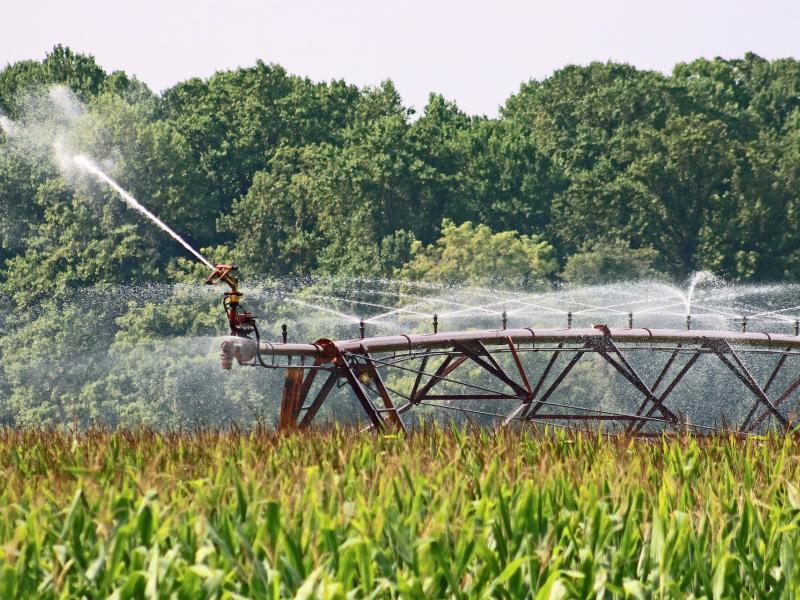
PNNL’s autonomous fish body double, Sensor Fish, and the miniature version, Sensor Fish Mini, were used to evaluate a special screen. Researchers found the screen provides safe downstream passage for fish at irrigation structures.
Alicia Gorton, marine scientist and project manager in the PNNL’s Coastal Sciences Division, has joined the editorial board of the Marine Technology Society Journal.
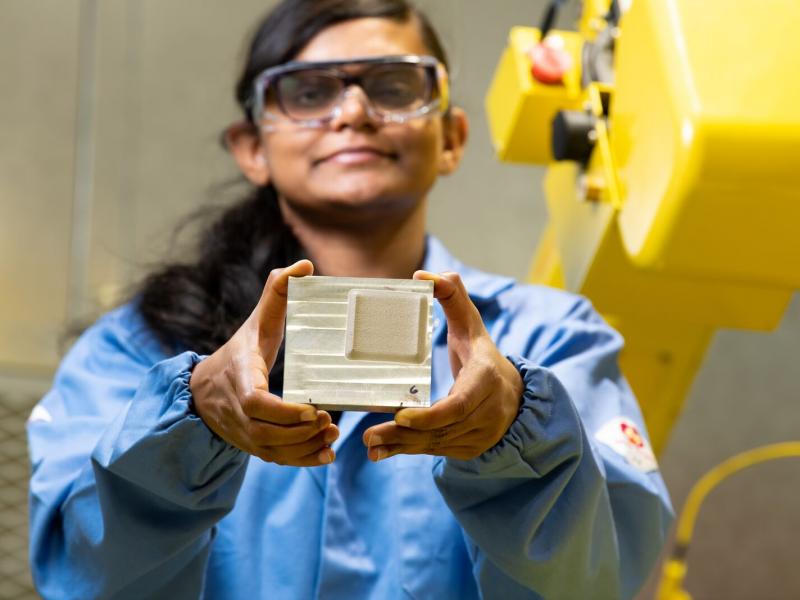
A PNNL study that evaluated the use of friction stir technology on stainless steel has shown that the steel resists erosion more than three times that of its unprocessed counterpart.
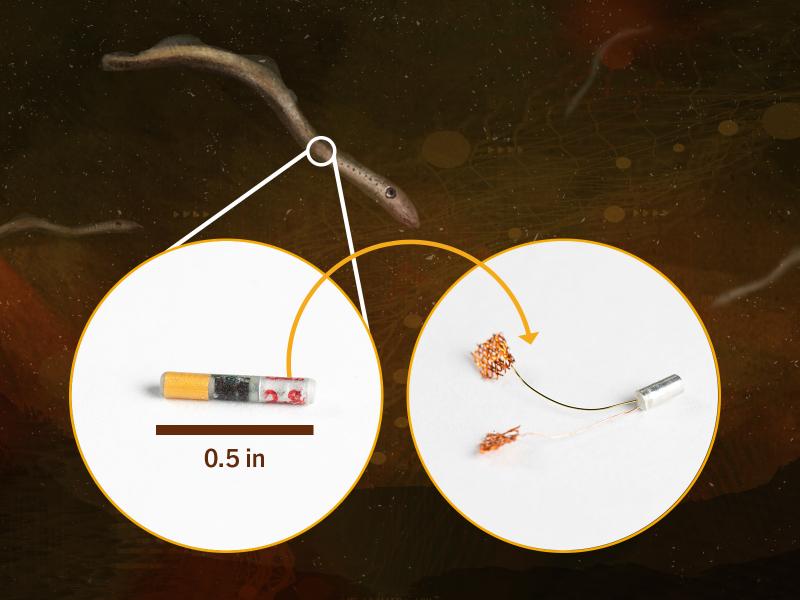
Three PNNL fish researchers recently published a video journal article on how to properly implant miniature acoustic tags in juvenile Pacific lamprey and American eel and how the tags could benefit migration.