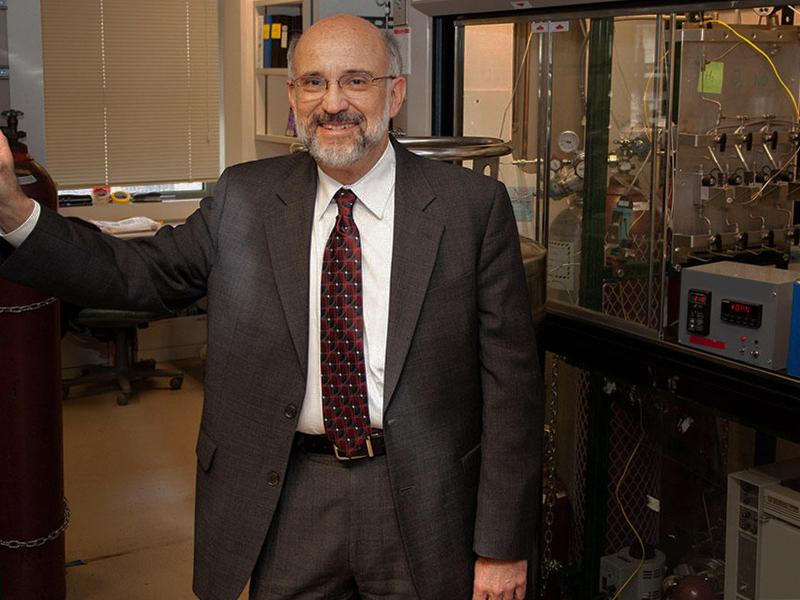
Four researchers from PNNL were recently honored for contributing to two U.S. Department of Energy Office of Energy Efficiency and Renewable Energy initiatives that support the blue economy and building-grid integration.
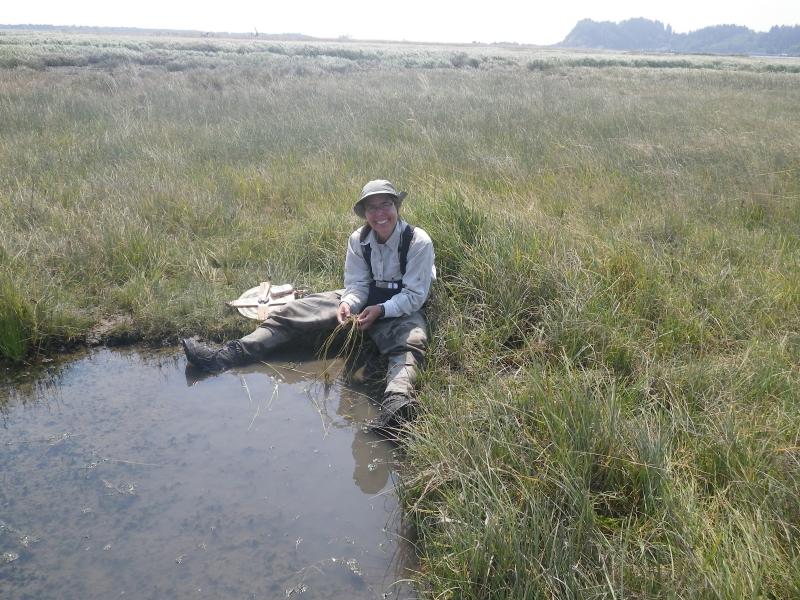
Ecological modeler Kate Buenau discusses how the Triton Initiative can use modeling to predict potential environmental effects of marine energy systems.
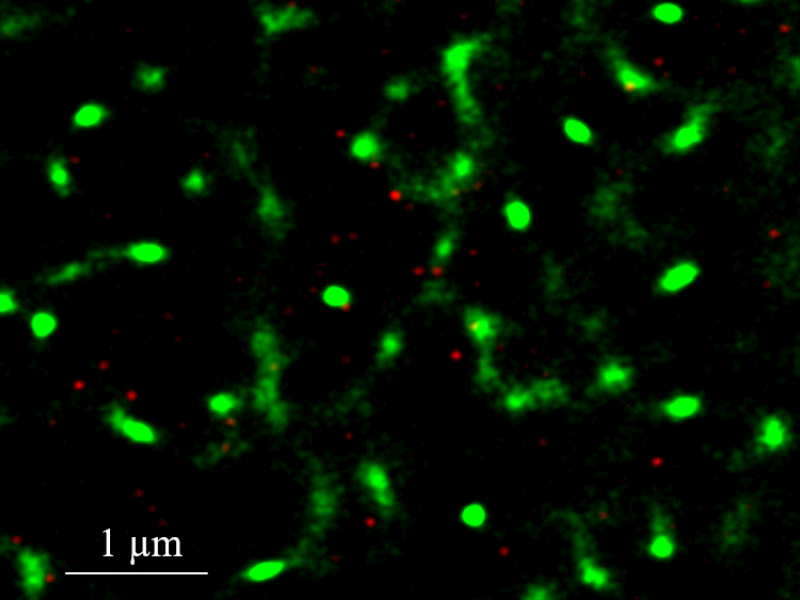
Researchers from PNNL have helped colleagues at OHSU identify lipid molecules required for Zika infection in human cells. The specific lipids involved could also be a clue to why the virus primarily infects brain tissue.
PNNL scientists have created an improved metal-organic framework (MOF) for adsorption cooling, that performs at least 40 percent better than its predecessors.
PNNL scientists Larry Berg, Susannah Burrows, Nicholas Ward, and Yun Qian were named among the most outstanding journal reviewers by the American Geophysical Union.
Their consistency and predictability makes tidal energy attractive, not only as a source of electricity but, potentially, as a mechanism to provide reliability and resilience to regional or local power grids.
Researchers from 25 institutions around the country, including PNNL, are working to find out how exercise changes the molecular makeup of our cells to generate health benefits.
Lenaïg Hemery, a marine energy specialist with Pacific Northwest National Laboratory, has been appointed to the position of topic editor for the Journal of Marine Science and Engineering.
Electrical engineer Nolann Williams supports technical development for DOE-funded projects building marine energy environmental monitoring technologies.
Research buoys managed by PNNL underwent a $1.3-million upgrade that included more powerful lidar that reaches heights of today’s taller wind turbines.
To help spur economic development and assist in the battle against COVID-19, PNNL is making available its entire portfolio of patented technologies on a research trial basis—at no cost—through the end of 2020.
On World Oceans Day, an international team of marine scientists reports that the potential impact of marine renewable energy to marine life is likely small or undetectable, though some uncertainty remains.
After 50 years in science and on the eve of retirement, Laboratory Fellow Karin Rodland, a cancer cell biologist at PNNL, is working on experiments she has dreamed about for decades.
PNNL is managing the Data Archive and Portal, which provides the wind research community with secure, timely, easy, and open access to all data brought in from research under DOE’s Atmosphere to Electrons program.
Accurate identification of metabolites, and other small chemicals, in biological and environmental samples has historically fallen short when using traditional methods.
A new study using proteogenomics to compare cancerous tissue with normal fallopian tube samples advances insights about the molecular machinery that underlies ovarian cancer.