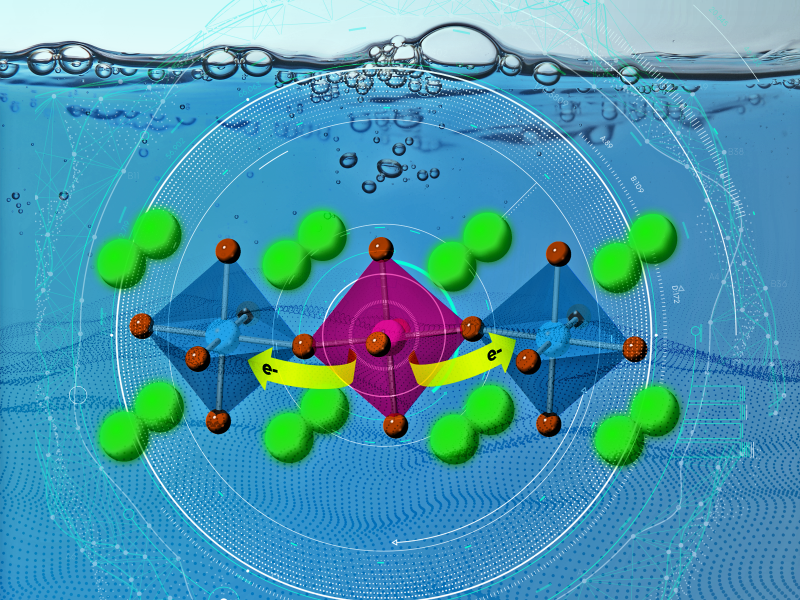
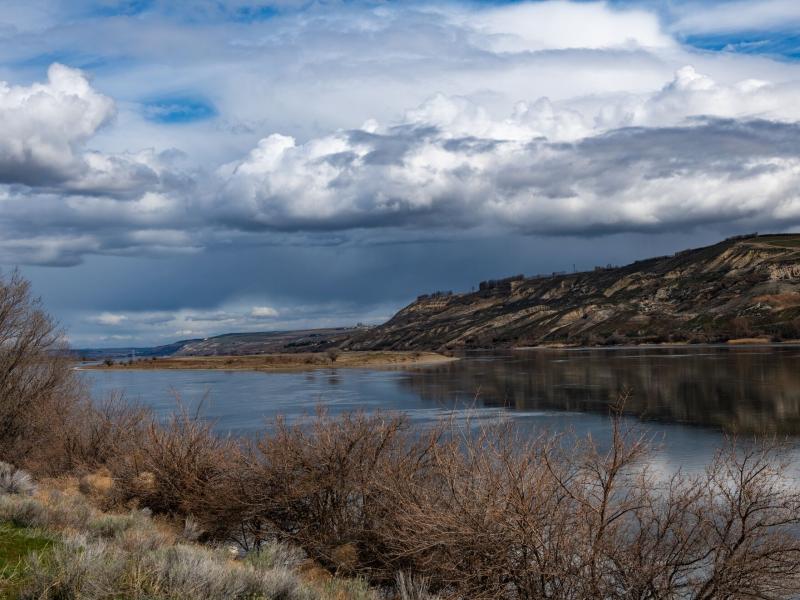
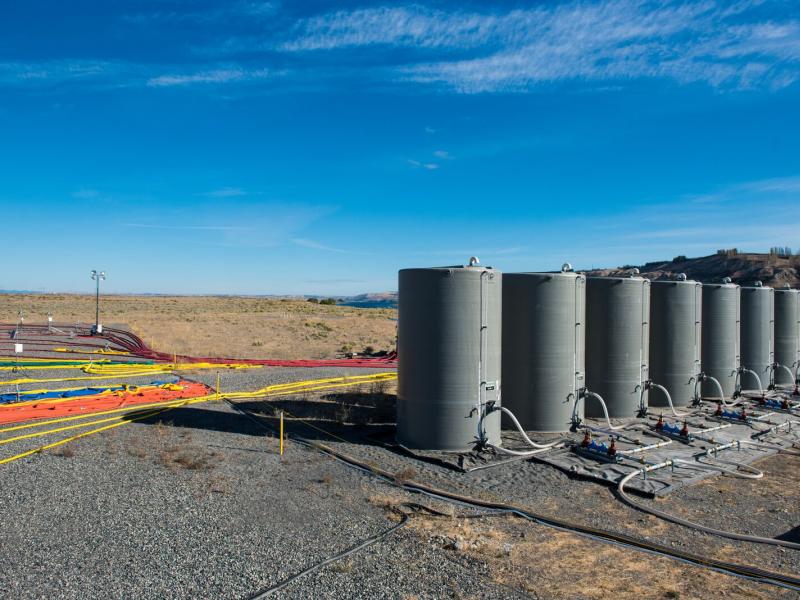
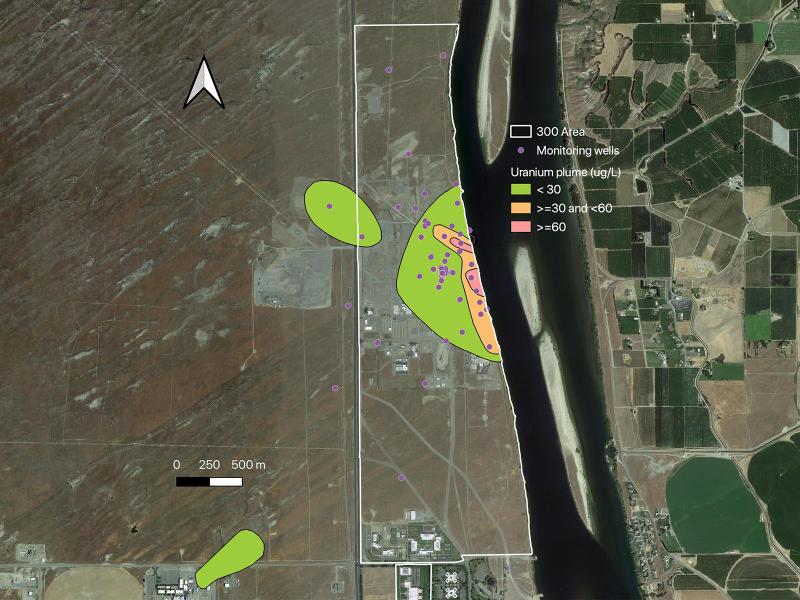
Integrating hydrogeology and biogeochemistry are required to model the dynamics of geochemical processes occurring in river corridor zones where groundwater and surface water mix.
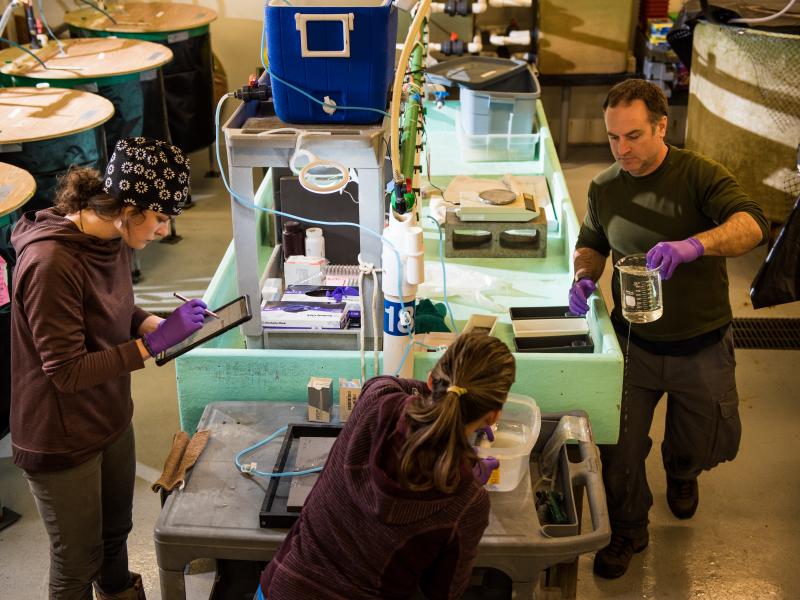
PNNL’s Sequim campus hosts underrepresented students and teachers from Washington State’s Olympic peninsula to nurture future researchers needed to create sustainable, culturally sensitive, marine energy technologies.
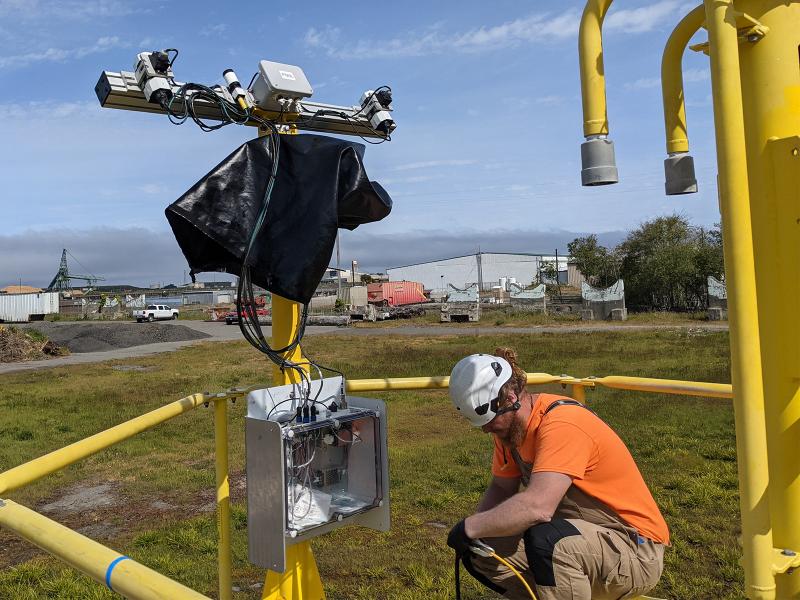
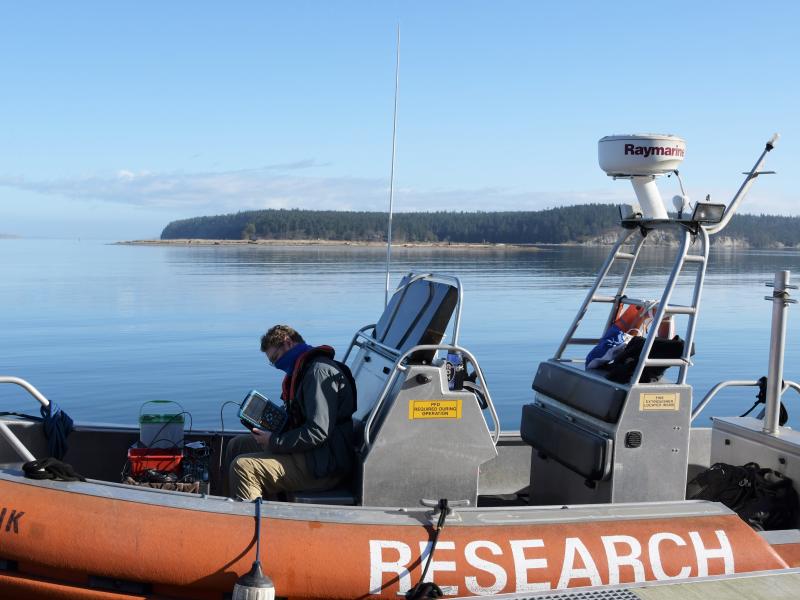
The Triton Initiative supports projects funded through U.S. Department of Energy funding opportunity announcements developing environmental monitoring technologies for marine energy.
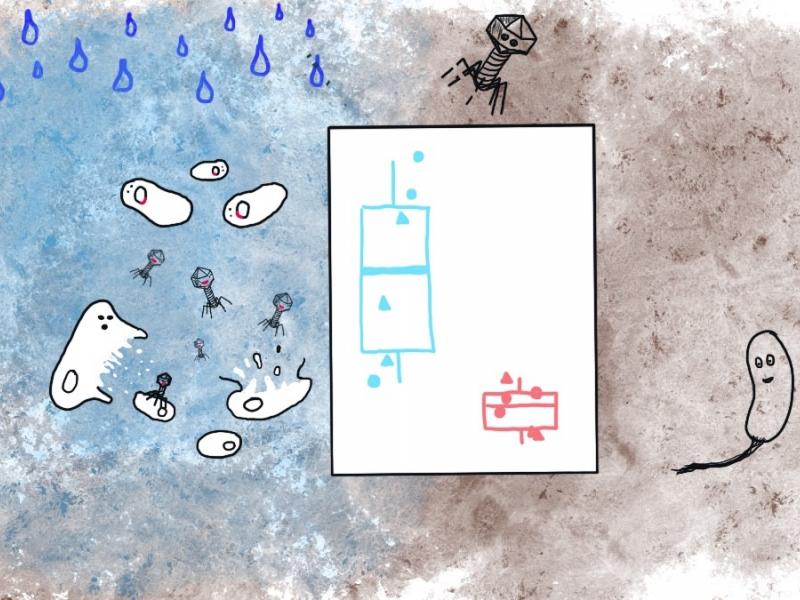
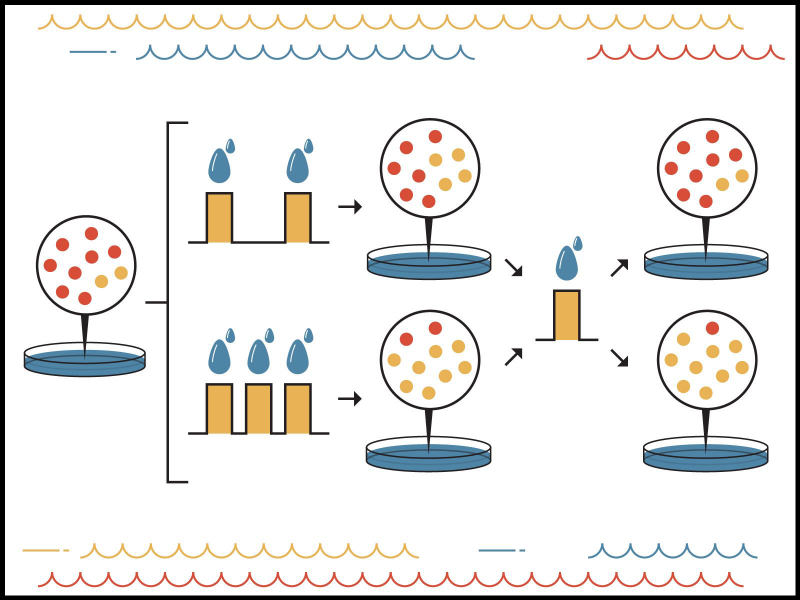
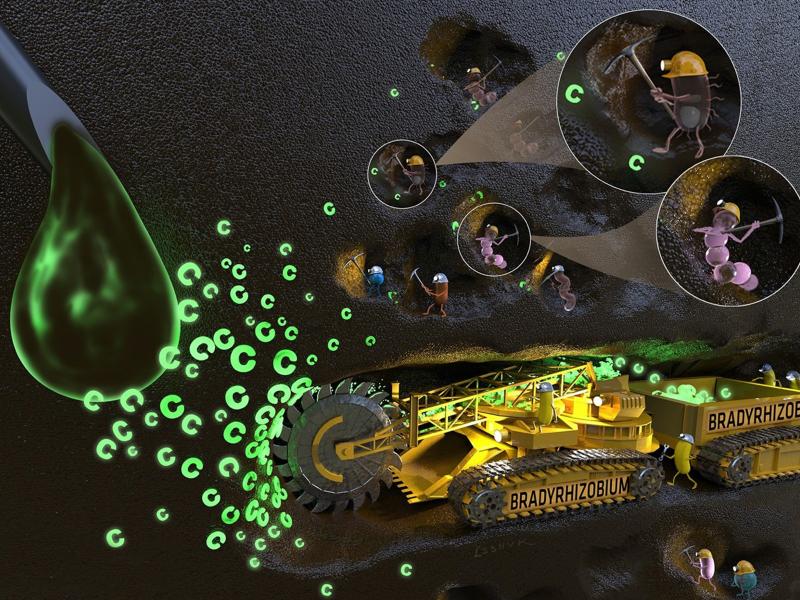
Knowing which bacteria in a community are involved with carbon cycling could help scientists predict how microbial carbon storage and release could influence future climate dynamics.
Using existing fish processing plants, kelp and fish waste can be converted to a diesel-like fuel to power generators or fishing boats in remote, coastal Alaska.
A new research partnership between PNNL and the University of Nevada, Reno aims to tackle critical challenges such as climate change, infrastructure resilience and cybersecurity.
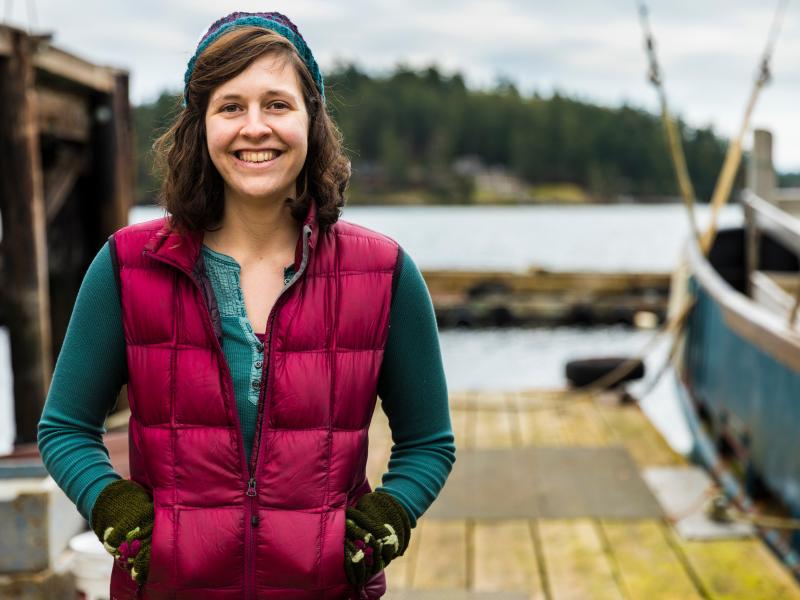
Cailene Gunn discusses her work in science communication and how she communicates the Triton Initiative's research to help advance the marine energy industry.
Sagadevan Mundree, director of the Queensland University of Technology Centre for Agriculture and the Bioeconomy, is joining PNNL as a joint appointee.
PNNL scientists developed a new, tiny battery and tag to track younger, smaller species, to evaluate behavior and estimate survival during downstream migration.