PNNL coastal ecologist Heida Diefenderfer was a featured speaker in February at the National Academies of Sciences, Engineering, and Medicine’s Government-University-Industry Research Roundtable on policy and global affairs.
PNNL’s Juliet Homer was an invited panelist at a California Energy Commission workshop, which highlighted research on water treatment, delivery, and energy.
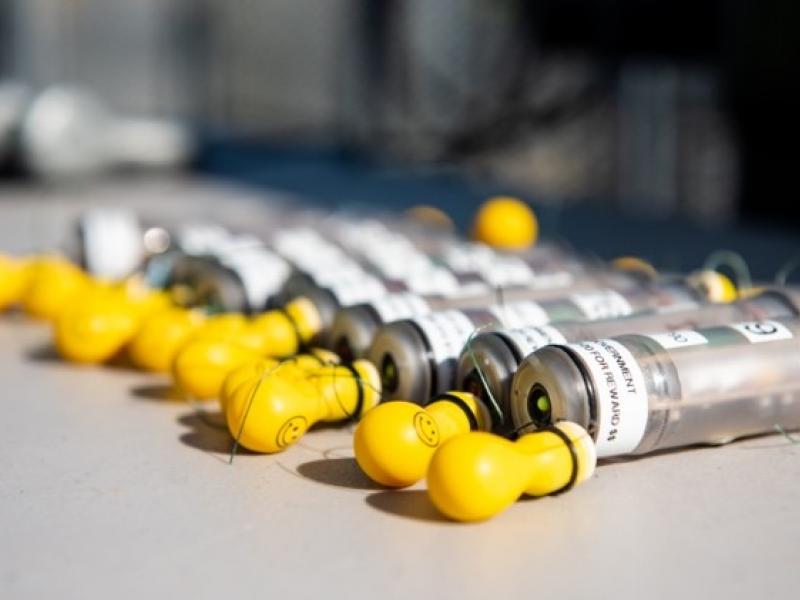
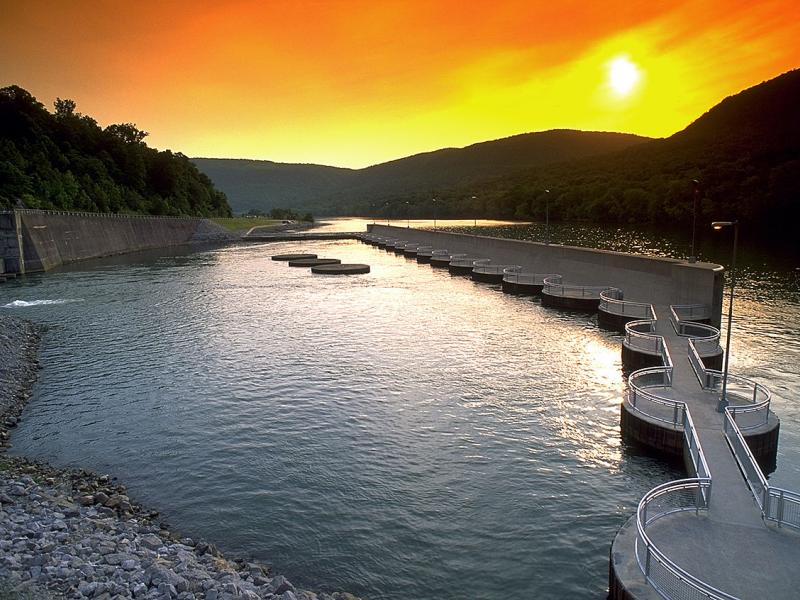
PNNL's Sensor Fish were deployed at Ice Harbor Dam to collect data from a new turbine. The data indicates the design changes are making travel through the dam less arduous for fish.
PNNL will provide technical support to finalists in the Incubate stage and to Grand Prize Winners following the Pitch contest stage of the Fish Protection Prize competition, which is now accepting submissions.
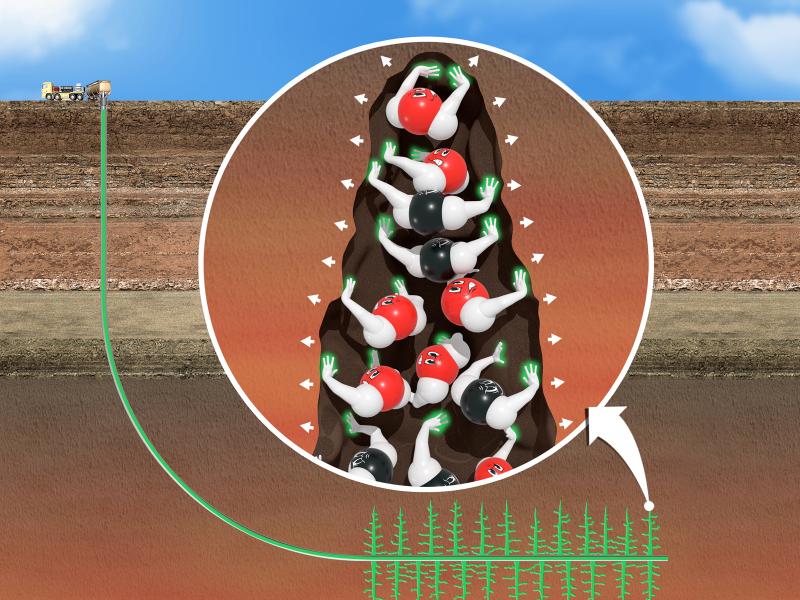
Researchers have identified two processes responsible for fracturing rock at lower pressures for geothermal energy production using PNNL’s fracturing fluid, StimuFrac™.
Pumped-storage hydropower offers the most cost-effective storage option for shifting large volumes of energy. A PNNL-led team wrote a report comparing cost and performance factors for 10 storage technologies.
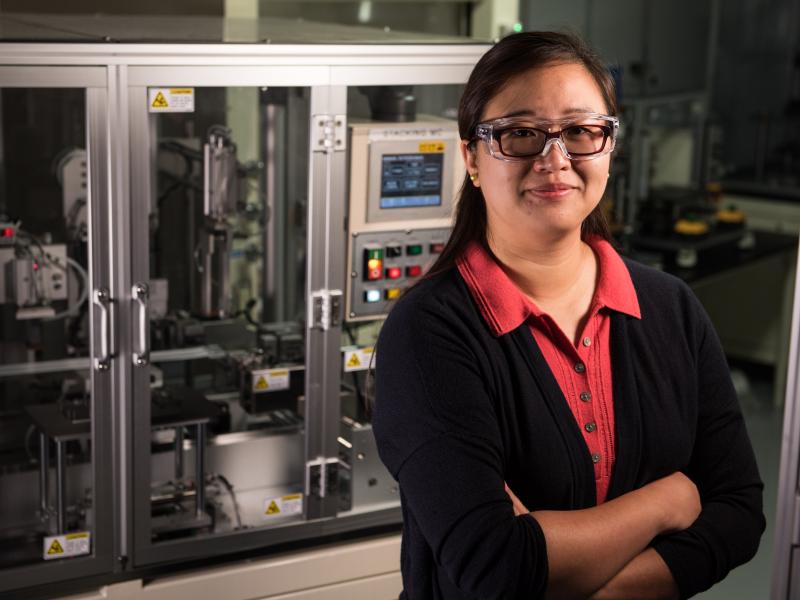
PNNL’s Jie Xiao was recently recognized for her outstanding contribution to basic and applied research on lithium-ion batteries and beyond by the International Automotive Lithium Battery Association.
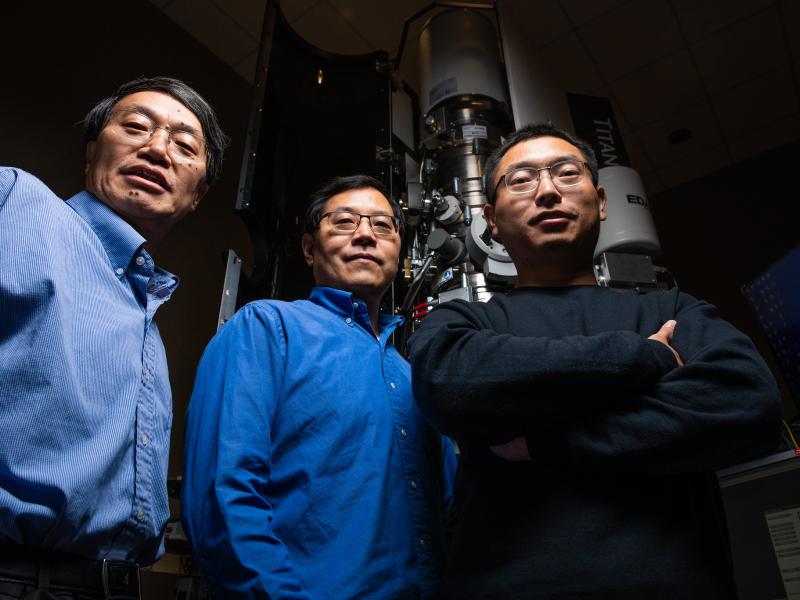
Scientists have uncovered a root cause of the growth of needle-like structures—known as dendrites and whiskers—that plague lithium batteries, sometimes causing a short circuit, failure, or even a fire.
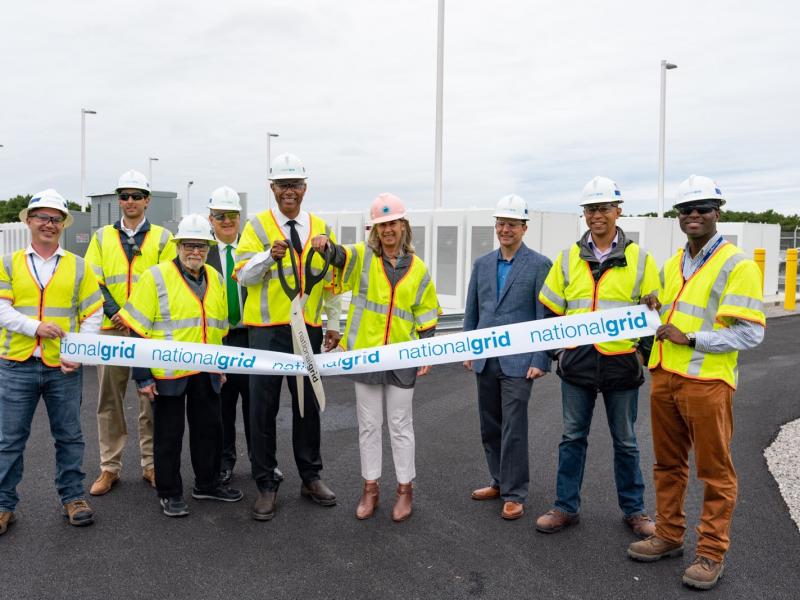
With support from DOE’s Office of Electricity and National Grid, PNNL led a groundbreaking study to accurately assess the full value of grid energy storage investments across a wide variety of use cases.
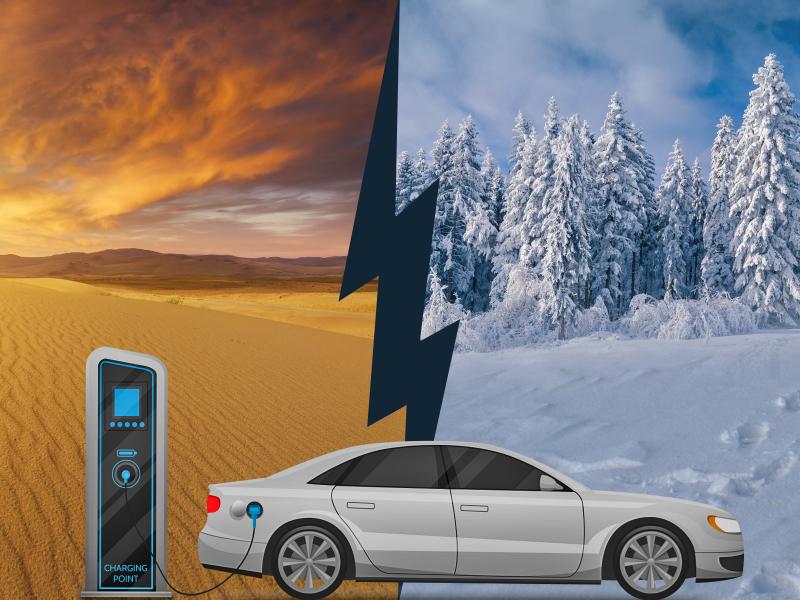
PNNL researchers have created a chemical cocktail that could help electric cars power their way through extreme temperatures where current lithium-ion batteries don’t operate as efficiently as needed.
Energy storage is slowly shifting utility planning practices from the current paradigm, which ensures grid reliability by building reserve generation resources, to ensuring grid reliability by optimizing grid services.