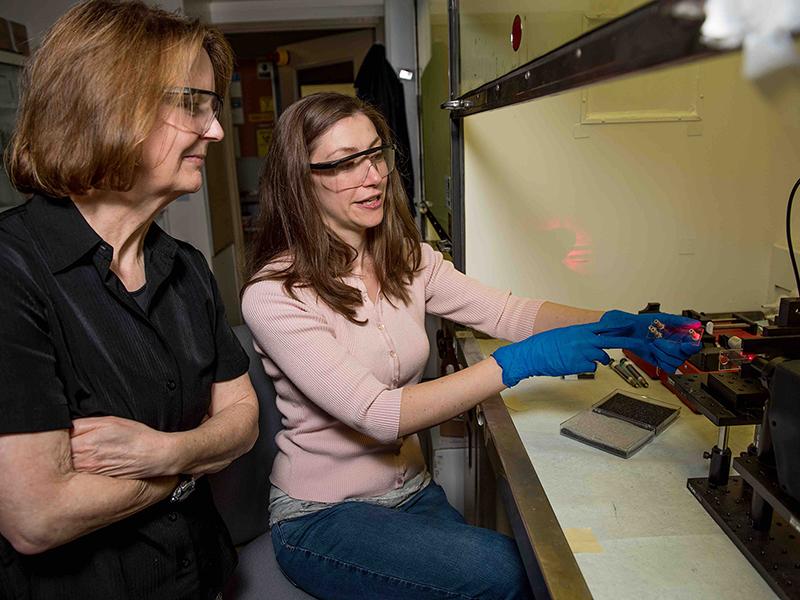
In a new video series, PNNL is highlighting six scientific and technical experts in the national security domain throughout the fall. Each was promoted to scientist and engineer Level 5, one of PNNL’s most senior research roles.
In a new video series this fall, PNNL is highlighting six scientific and technical experts in the national security domain. Each was promoted to Scientist and Engineer Level 5, one of PNNL’s most senior research roles.
Twelve energy-related technologies developed at PNNL have been selected for additional technology maturation funding to help move them from the laboratory and field tests to the marketplace.
PNNL researchers and professional staff led discussions ranging from biothreats and climate change to science careers at the 2020 annual meeting of the American Association for the Advancement of Science, held this year in Seattle.
The world’s largest scientific society honored Sue B. Clark, a PNNL and WSU chemist, for contributions toward resolving our legacy of radioactive waste, advancing nuclear safeguards, and developing landmark nuclear research capabilities.
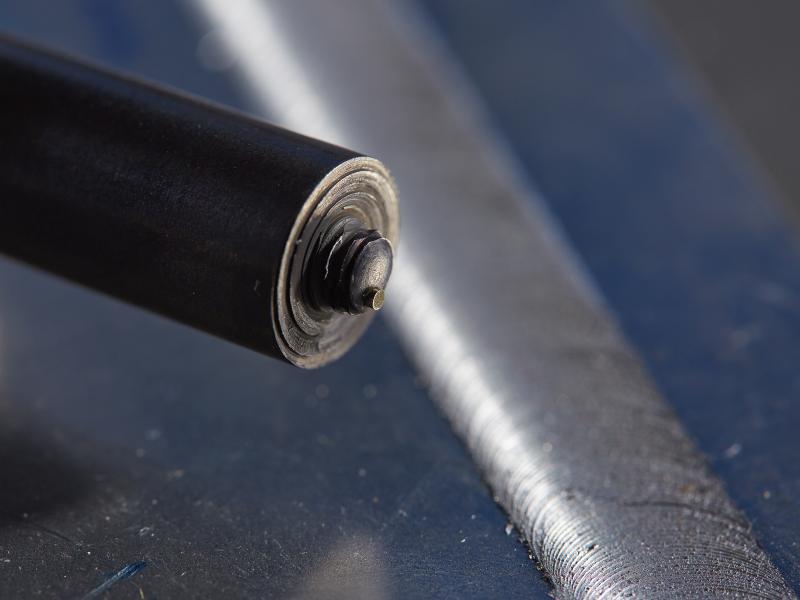
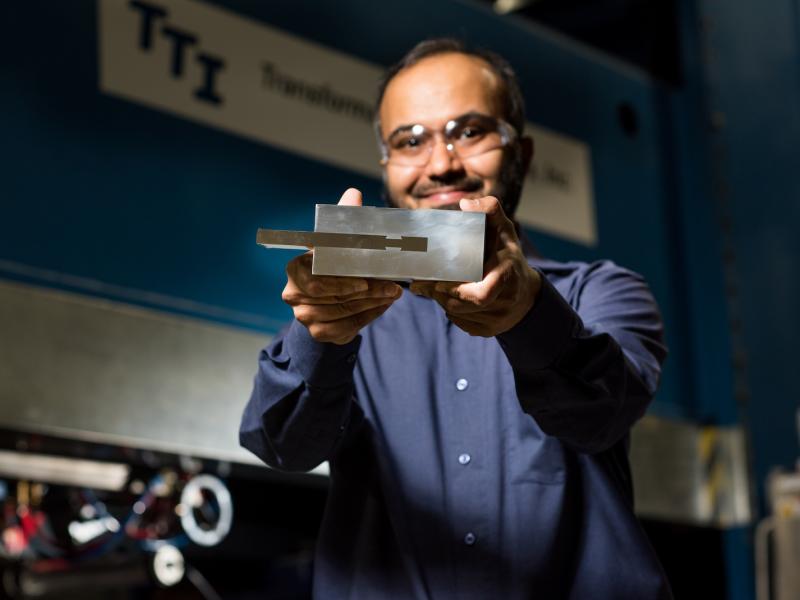
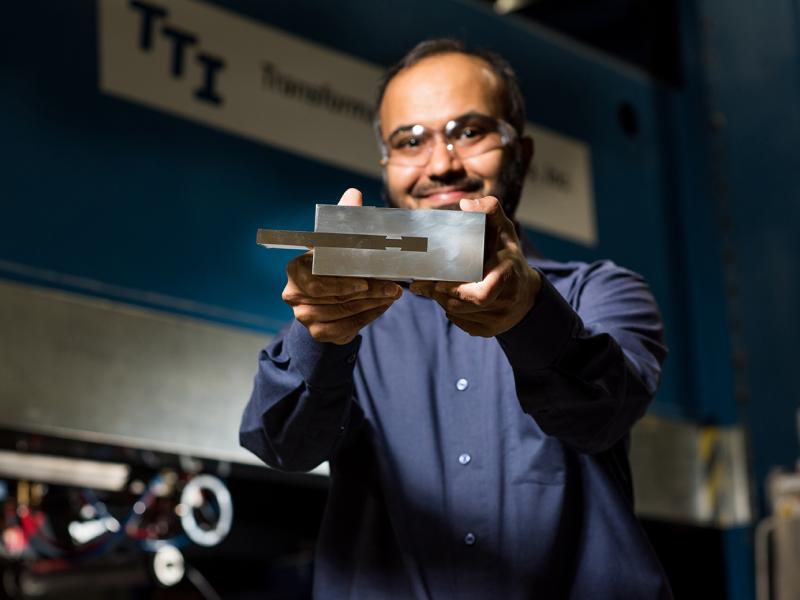
Superman may be known as the "Man of Steel," but scientific superheroes at the Department of Energy's Pacific Northwest National Laboratory are developing a novel approach for manufacturing metals with superior strength.
When two powerful earthquakes rocked southern California earlier this month, officials’ attention focused, understandably, on safety. How many people were injured? Were buildings up to code? How good are we at predicting earthquakes?
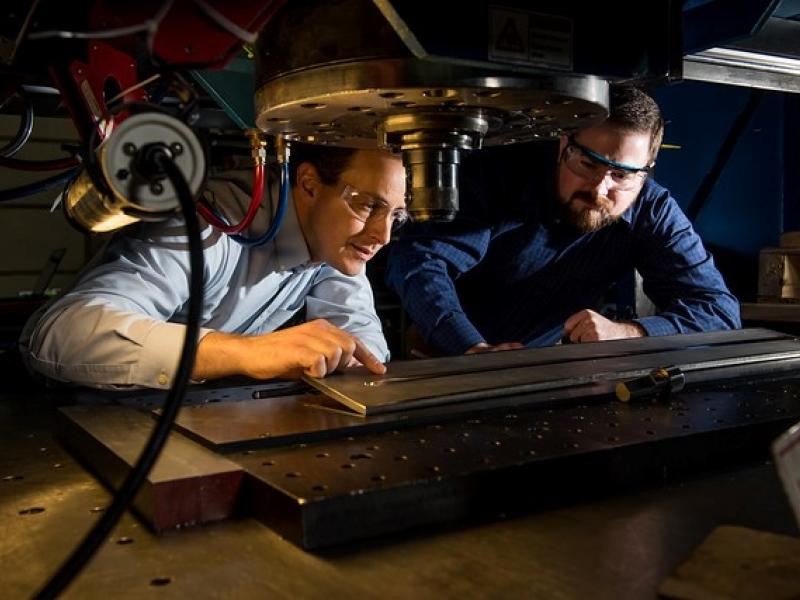
A PNNL study that evaluated the use of friction stir technology on stainless steel has shown that the steel resists erosion more than three times that of its unprocessed counterpart.
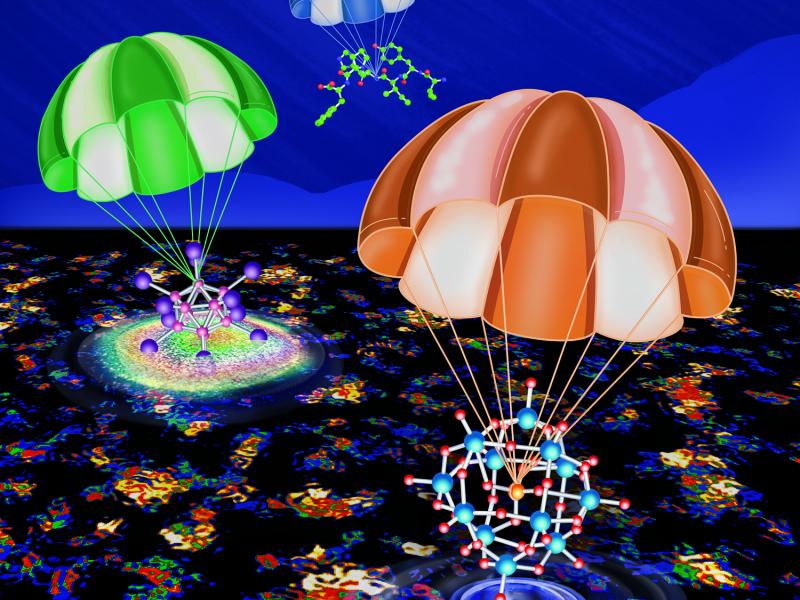
Patricia Huestis, a collaborator in the Interfacial Dynamics in Radioactive Environments and Materials (IDREAM) Energy Frontier Research Center, has been awarded the DOE Office of Science Graduate Student Research (SCGSR) award.
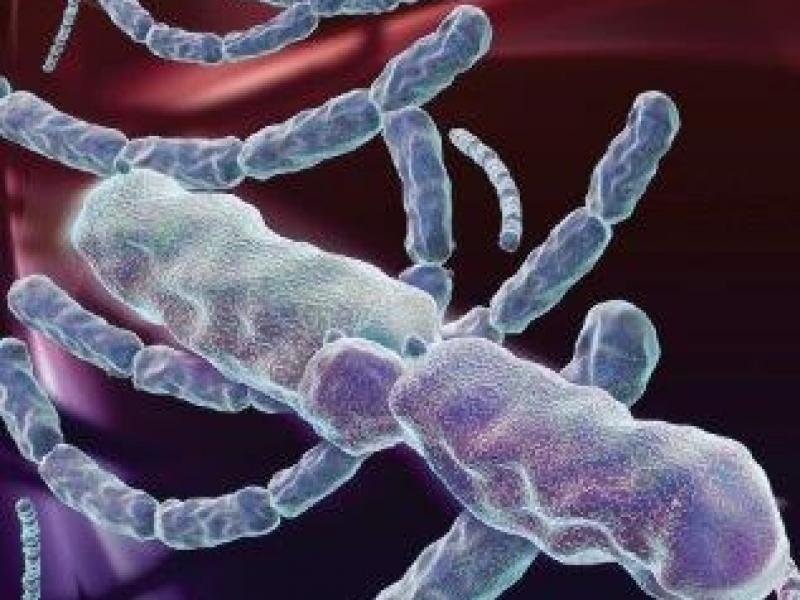
PNNL scientists today unveiled an updated tool designed to help stakeholders assess the nation's preparedness for biological-based dangers, also known as biothreats.
PNNL is advancing scientific frontiers and addressing challenges in energy, the environment and national security. So, in no particular order, here are PNNL's top 10 research accomplishments of 2018
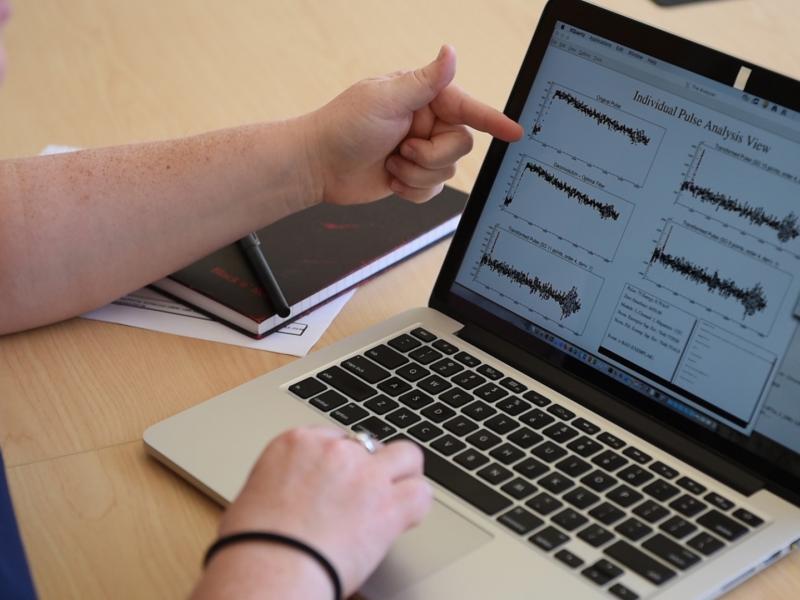
Scientists are exploring the use of deep neural network to interpret highly technical data related to national security, the environment and the cosmos.
Pointing the finger at chemical criminals: Several scientists from PNNL and other institutions will discuss new methods and approaches at the American Chemical Society's national meeting in San Francisco April 2-6.