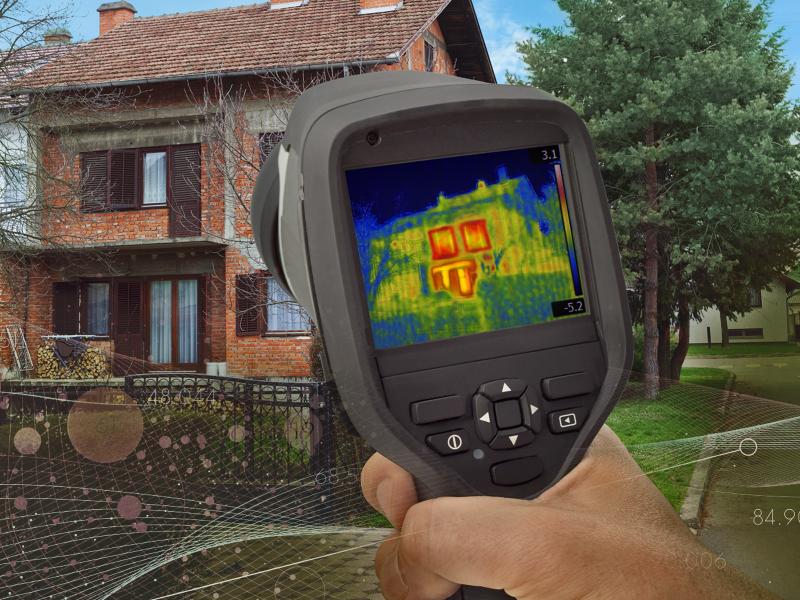
Next generation triple-pane windows provide builders with lower cost options and help homeowners conserve energy, reduce noise, and lower home energy bills.
PNNL will provide technical resources and support to a national coalition of states and cities focused on implementing building performance standards to improve energy efficiency and reduce carbon emissions.
PNNL is highlighting scientific and technical experts in the national security domain who were recently promoted to scientist and engineer level 5, one of PNNL’s most senior research roles.
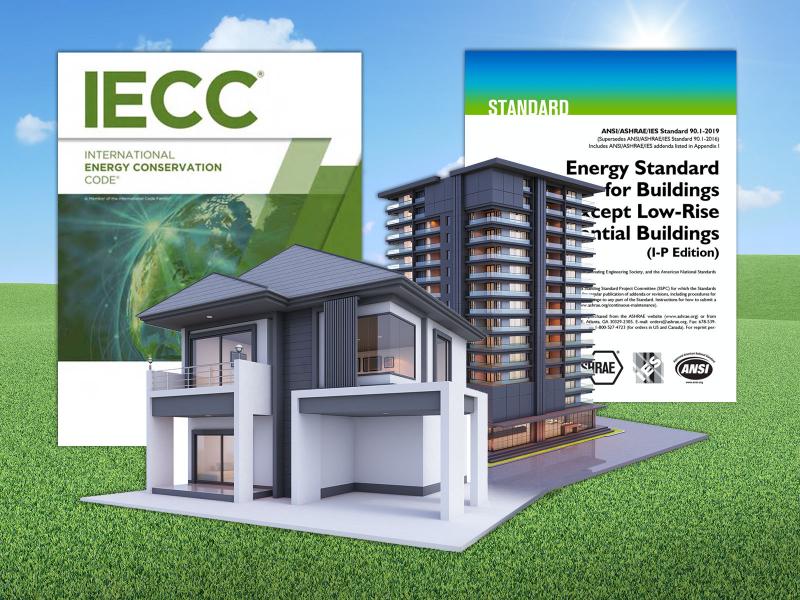
New building energy codes could reduce utility bills by $138 billion and prevent 900 million metric tons of CO2 emissions coming from buildings. Now, they will be easier to adopt.
Chemist April Carman was recognized for her career accomplishments with the Professional Achievement Award from the University of Nevada, Reno, College of Science.
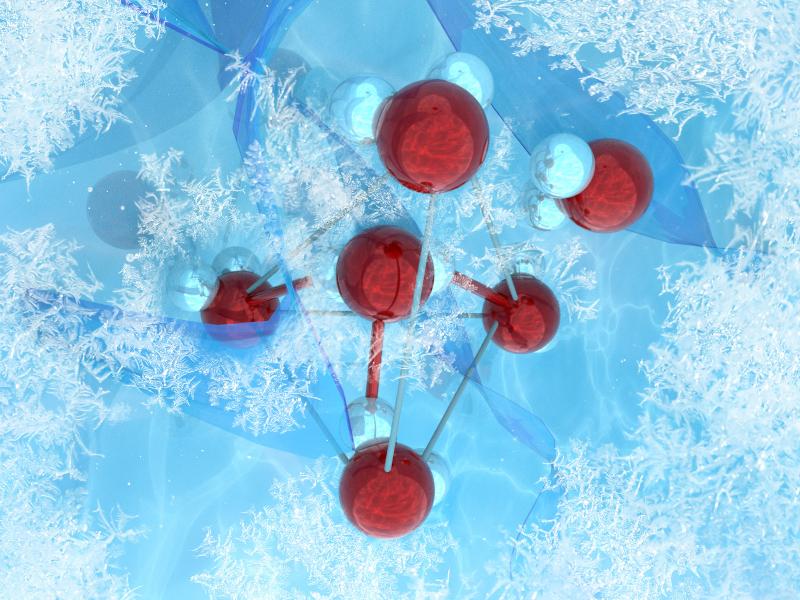
New study elucidates the complex relaxation kinetics of supercooled water using a pulsed laser heating technique at previously inaccessible temperatures.
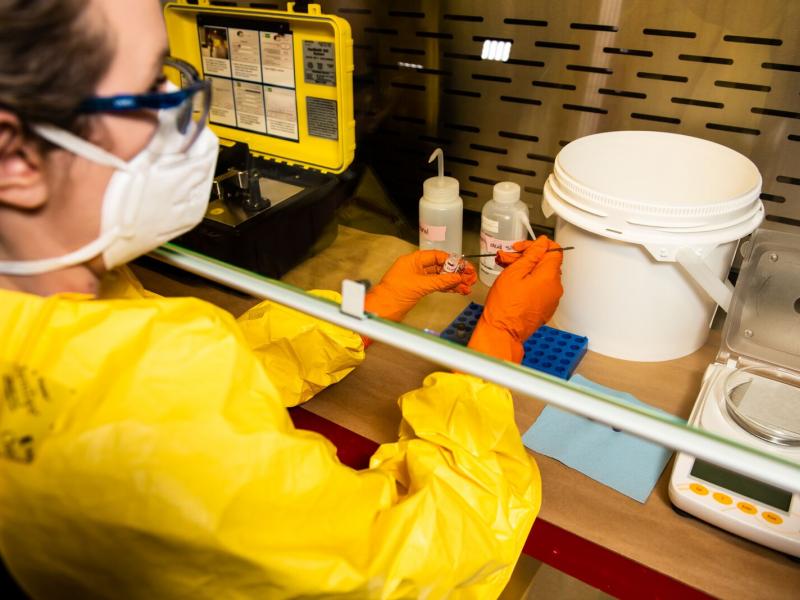
PNNL's Rich Ozanich, project manager of opioids standards and equipment testing, served on an expert panel about opioid detection as part of a Department of Homeland Security S&T research and development showcase.
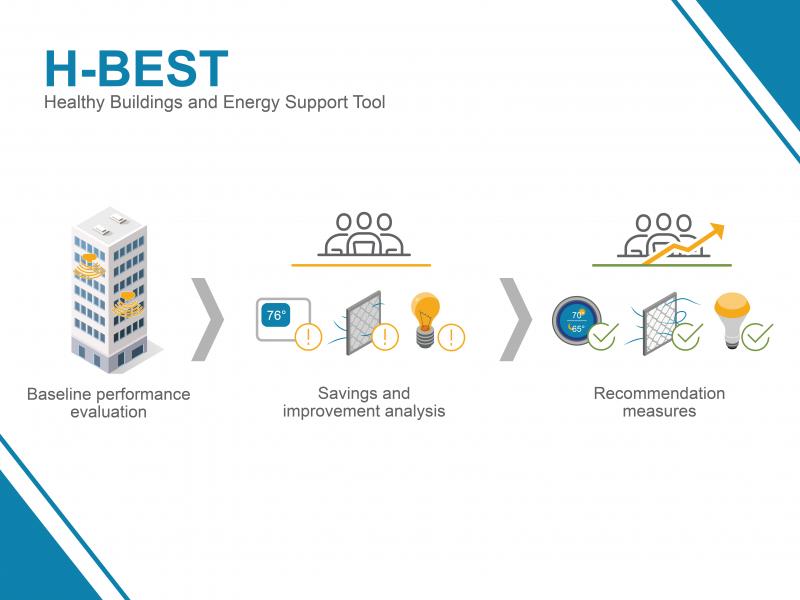
The first customized resource of its kind, H-BEST analyzes the indoor environmental quality profile for buildings and helps its users identify the costs and benefits of improvements.
PNNL’s Supriya Goel has been named by Consulting-Specifying Engineer as one of 2021’s 40 outstanding nonresidential building industry professionals age 40 or younger.
PNNL provided expert analysis and technical background for some of the most ambitious building energy efficiency codes proposed for this year's International Energy Conservation Code updates.
In 2020, virtual Washington State University teams successfully worked together in a program sponsored by the National Nuclear Security Administration’s (NNSA) Office of International Nuclear Safeguards.