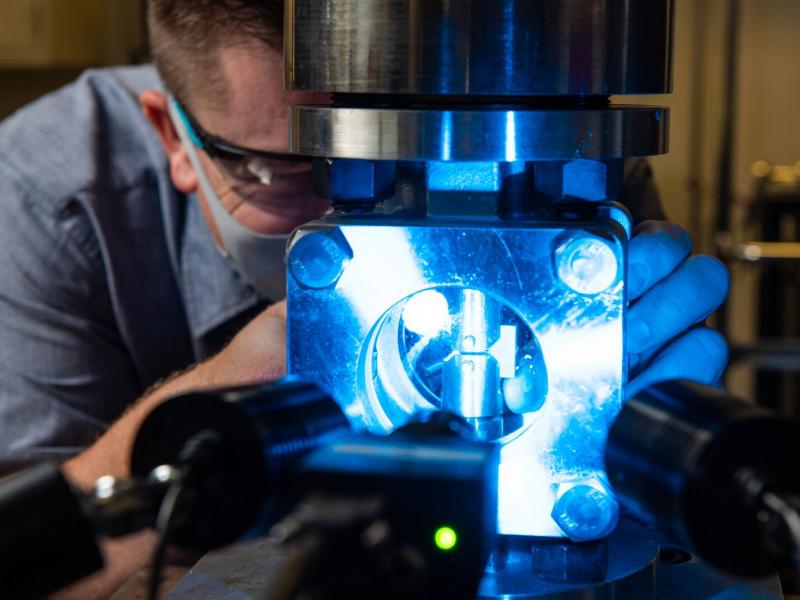
When it comes to hydrogen compatibility, all rubbers are not created equal. New research hints at pathways to improve the durability of rubber-based materials in hydrogen infrastructure.
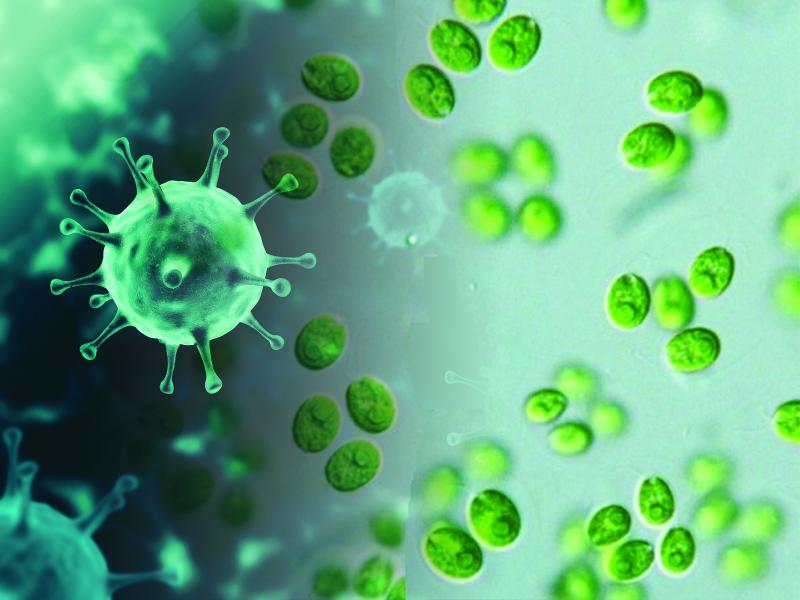
A comprehensive literature review linking algae and antivirals determines compounds in algae may demonstrate an exceptional—and as yet untapped—potential to combat viral diseases at every point along the viral infection pathway.
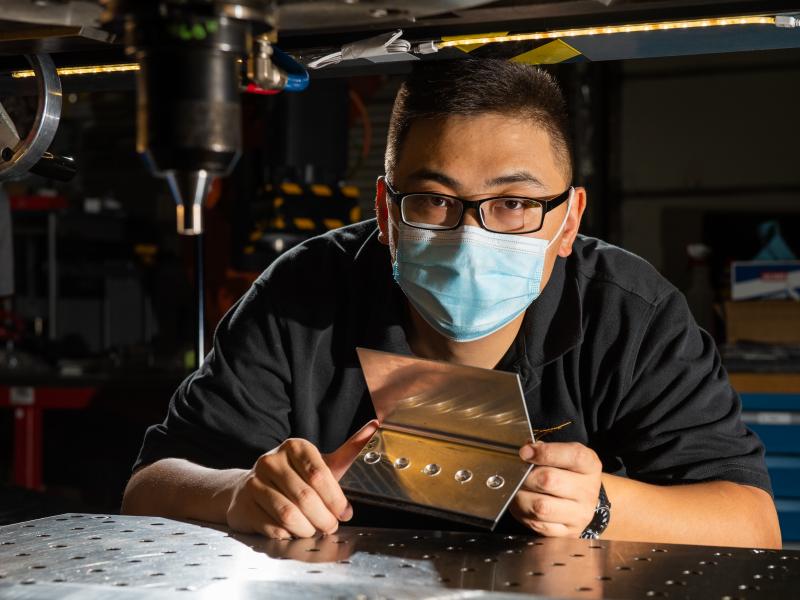
Rotational Hammer Riveting, developed by PNNL, joins dissimilar materials quickly without preheating rivets. The friction-based riveting enables use of lightweight magnesium rivets and also works on aluminum and speeds manufacturing.
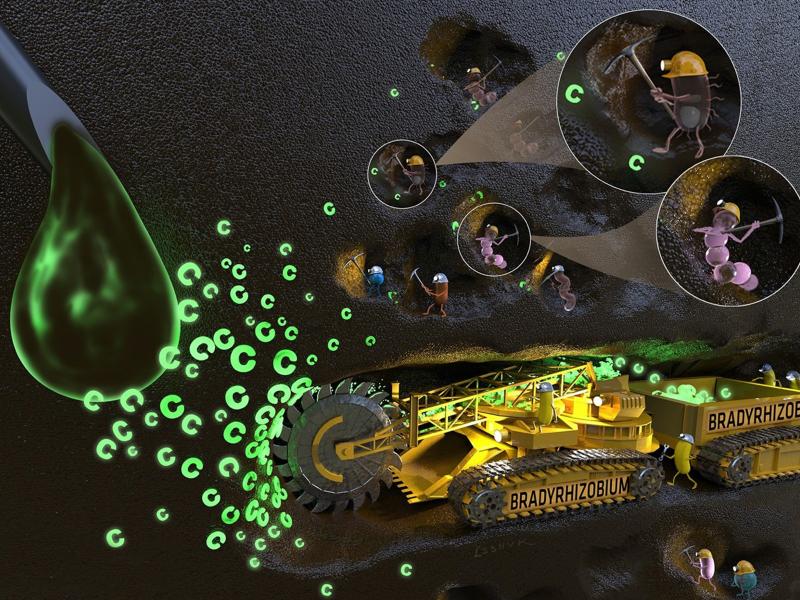
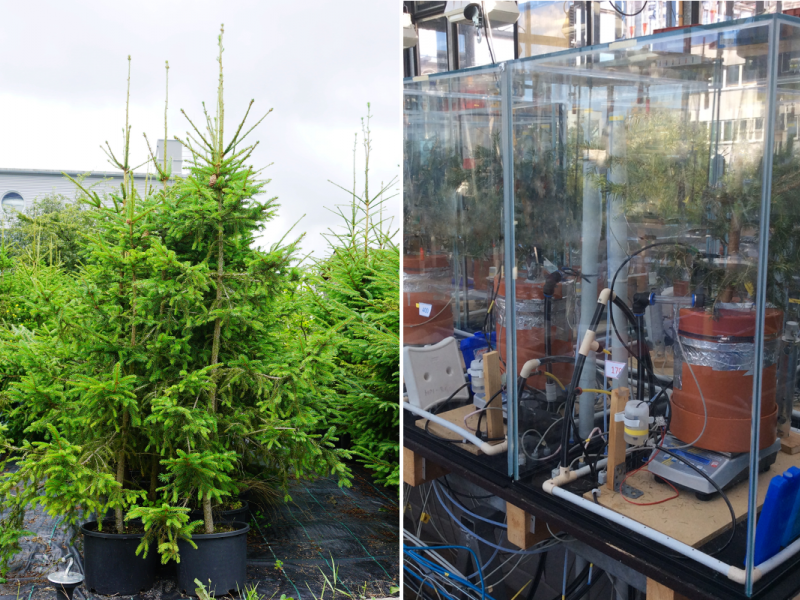
Knowing which bacteria in a community are involved with carbon cycling could help scientists predict how microbial carbon storage and release could influence future climate dynamics.
PNNL’s Mike Hochella receives Geochemical Society’s Patterson Award and ACS Geochemistry medal for discovery of toxic particles produced during coal combustion.
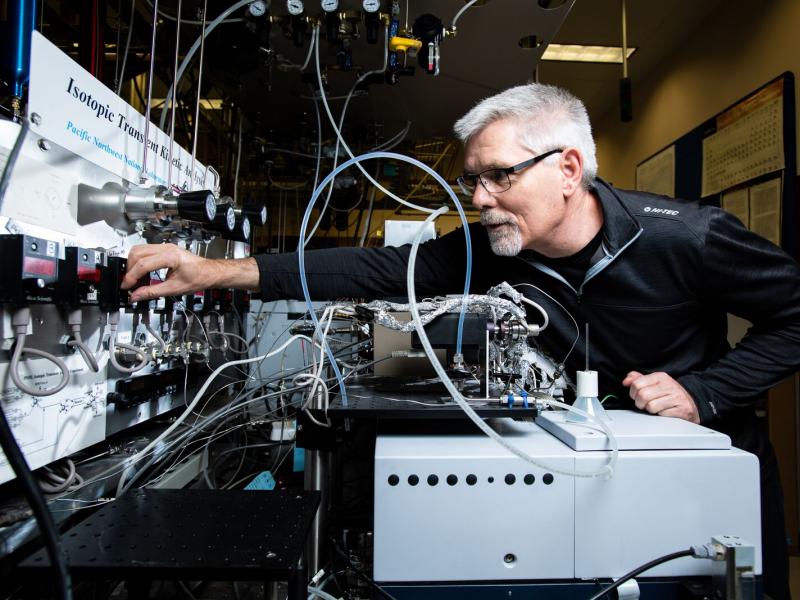
A discovery from PNNL and Washington State University could help reduce the amount of expensive material needed to treat vehicle exhaust by making the most of every precious atom.
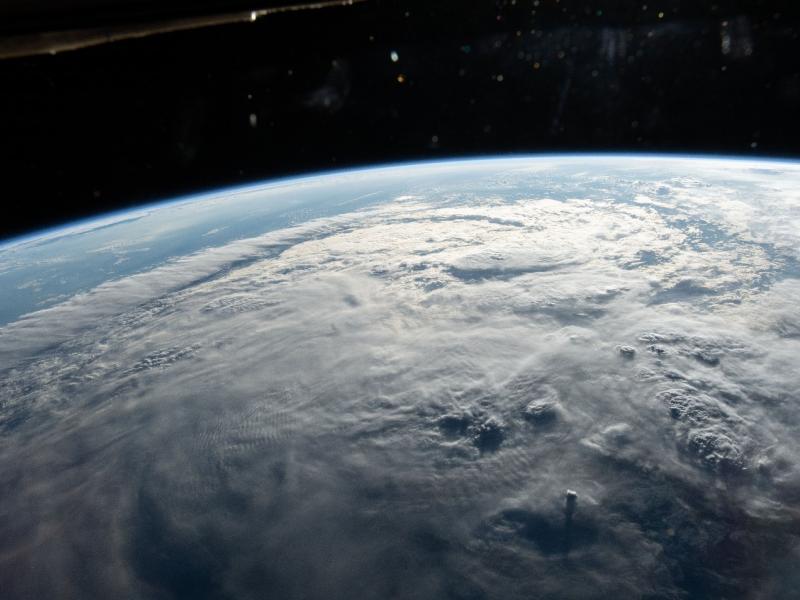
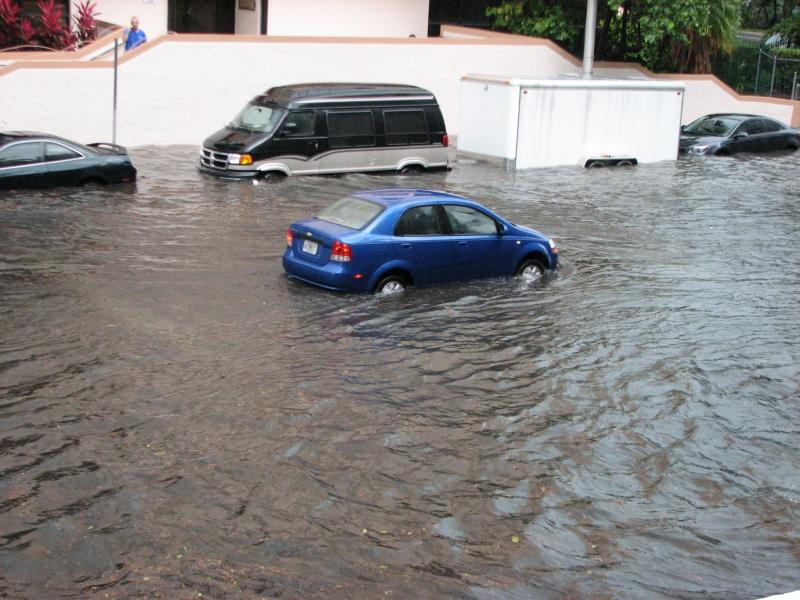
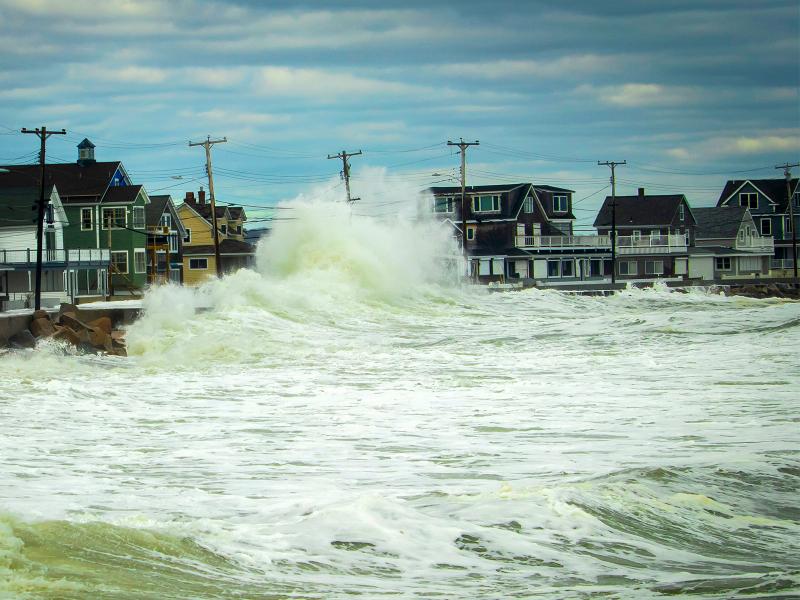
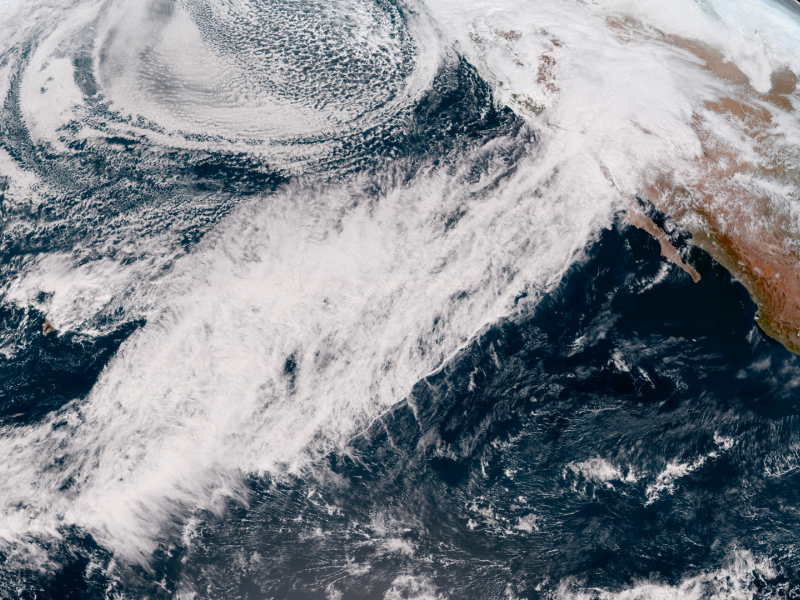
Differences in background moisture transport explain how climate variability modes influence the frequency of landfalling atmospheric rivers and their corresponding precipitation.
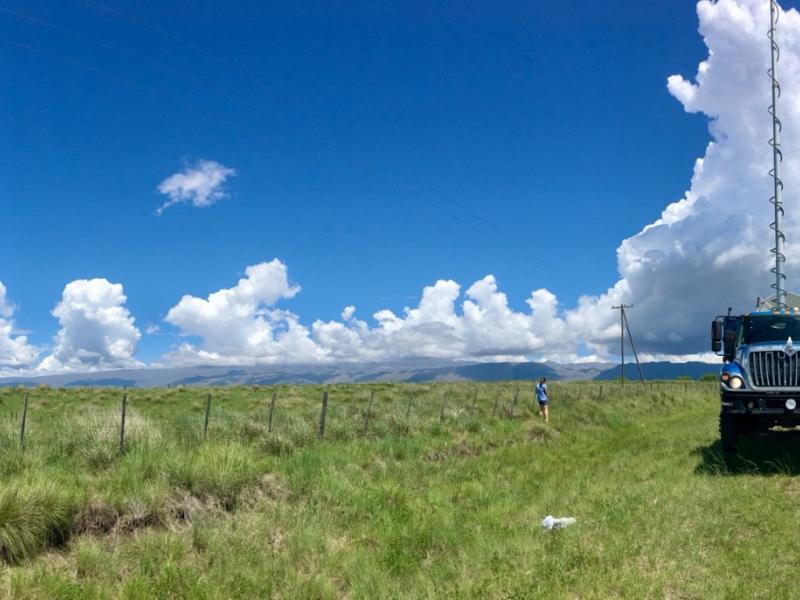
Sherman Beus, software engineer, Katie Dorsey, communications team writer and editor, and Brian Ermold, data ingest manager, receive 2021 Atmospheric Radiation Measurement User Facility Service Awards.