A recent edition of the Infrastructure Resilience Research Group Journal featured an article written by PNNL researchers Rob Siefken and Jake Burns about “Design Basis Threat and the Low Threat Environment.”
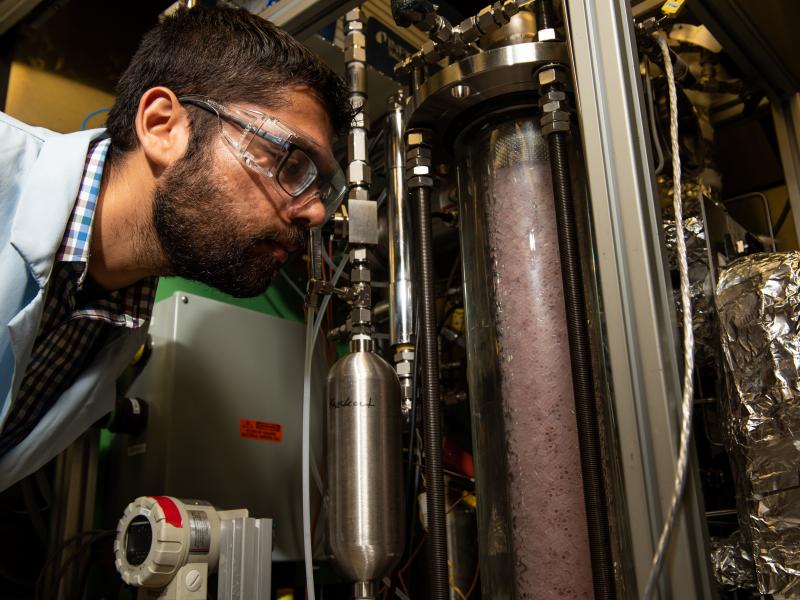
A research team from Pacific Northwest National Laboratory developed an apparatus that evaluates the performance of high-temperature fluids in hydraulic fracturing for enhanced geothermal systems.
As COVID-19 was limiting in-person contact, halting travel, and creating additional barriers, researchers at PNNL were working to find solutions on how they could still get work done while establishing new safety protocols.
PNNL’s Fred Morris was awarded the National Nuclear Security Administration Administrator Lifetime Achievement and Distinguished Service Silver awards.
Pacific Northwest National Laboratory Global Security Technology and Policy group manager, Sarah Frazar, was named to the Board of Trustees for the World Affairs Council of Seattle.
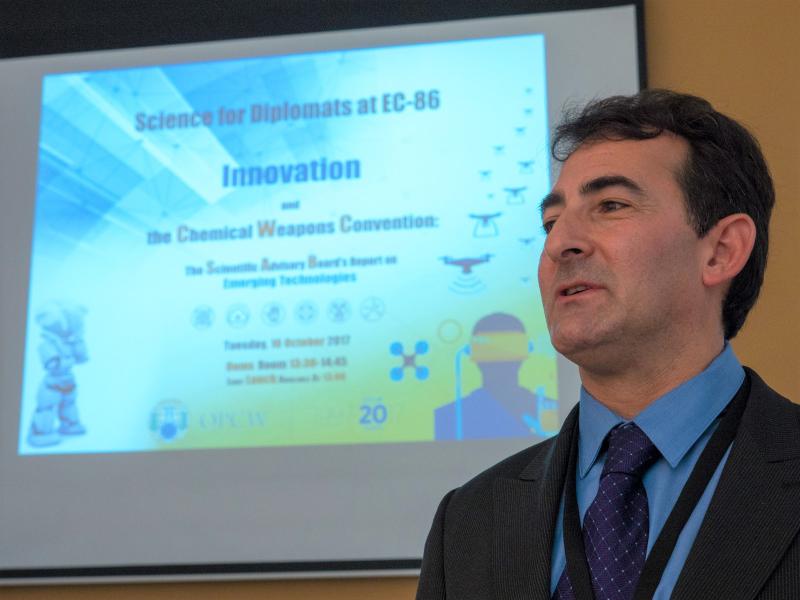
Jonathan Forman, science and technology advisor at Pacific Northwest National Laboratory, was announced as the winner of the Hall of Fame award in the innovator category by the Organisation for the Prohibition of Chemical Weapons.
In a new review, PNNL researchers outline how to convert stranded biomass to sustainable fuel using electrochemical reduction reactions in mini-refineries powered by renewable energy.
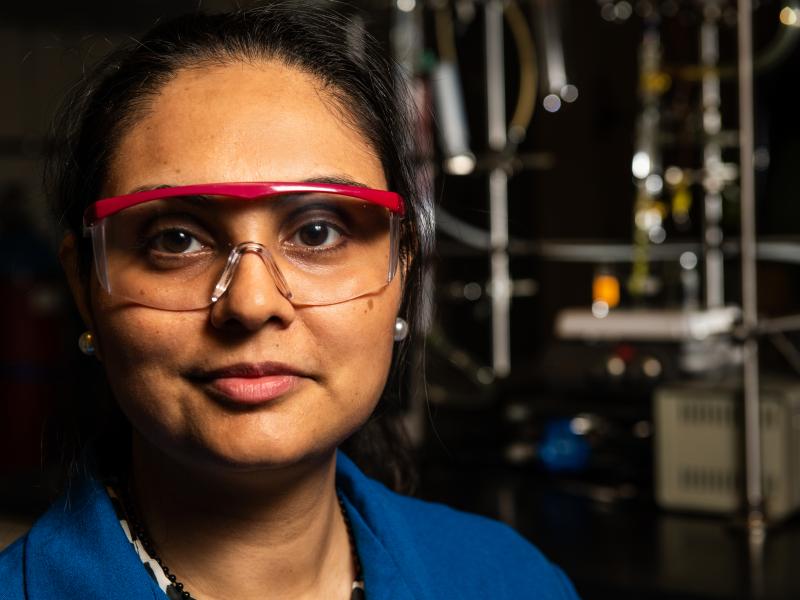
Deepika Malhotra, an organic chemist at PNNL, will lend her expertise to help shape the content and quality of Pollutants a new, interdisciplinary, open access, journal focusing on a range of environmental science research.
Malhotra, a chemist, will apply her expertise on designing and creating modular solvents for carbon capture, acid gas separations, catalysis, and rare earth metal extractions to provide constructive review for the submitted manuscripts.
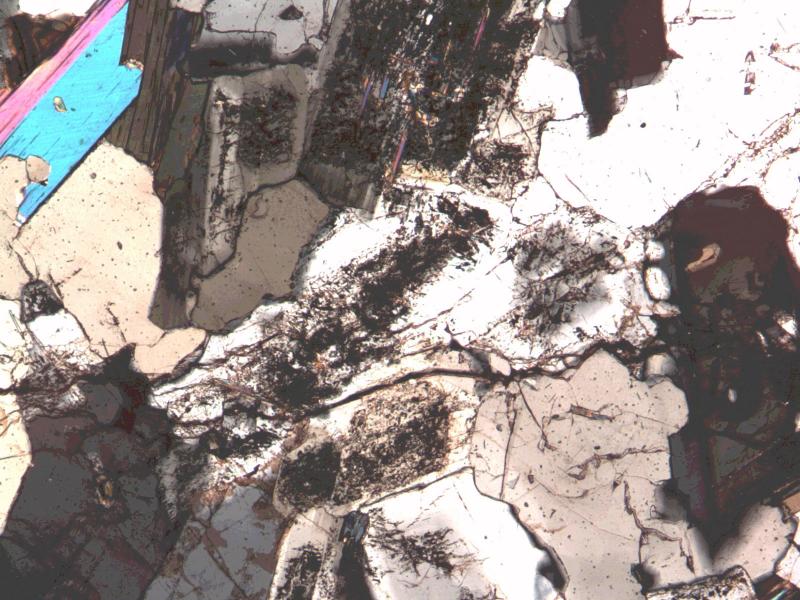
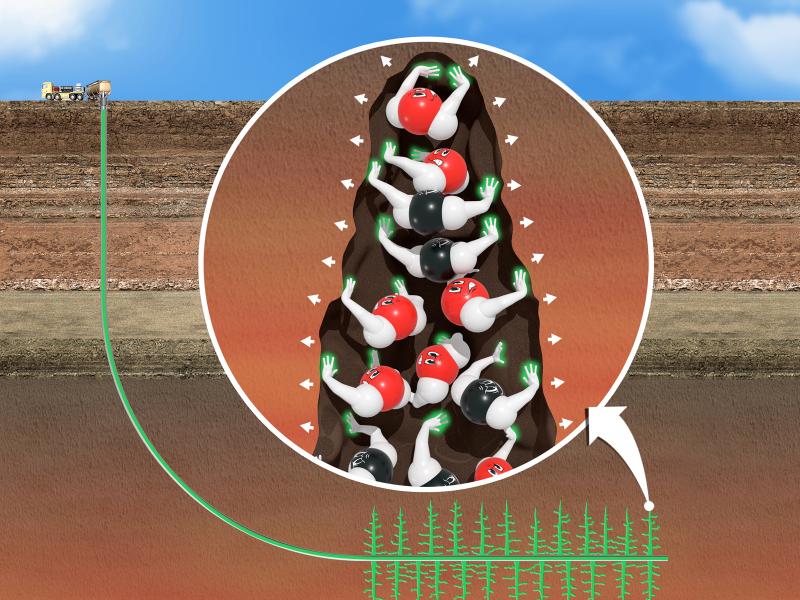
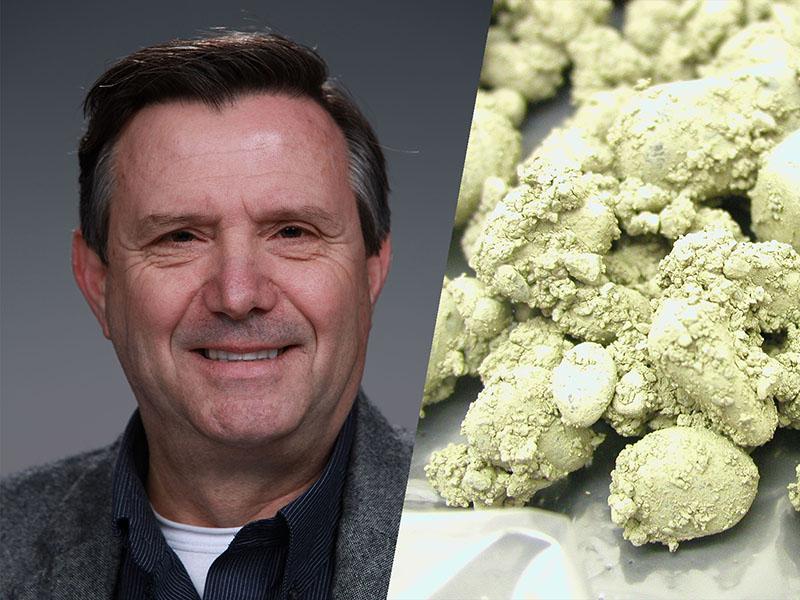
Researchers have identified two processes responsible for fracturing rock at lower pressures for geothermal energy production using PNNL’s fracturing fluid, StimuFrac™.
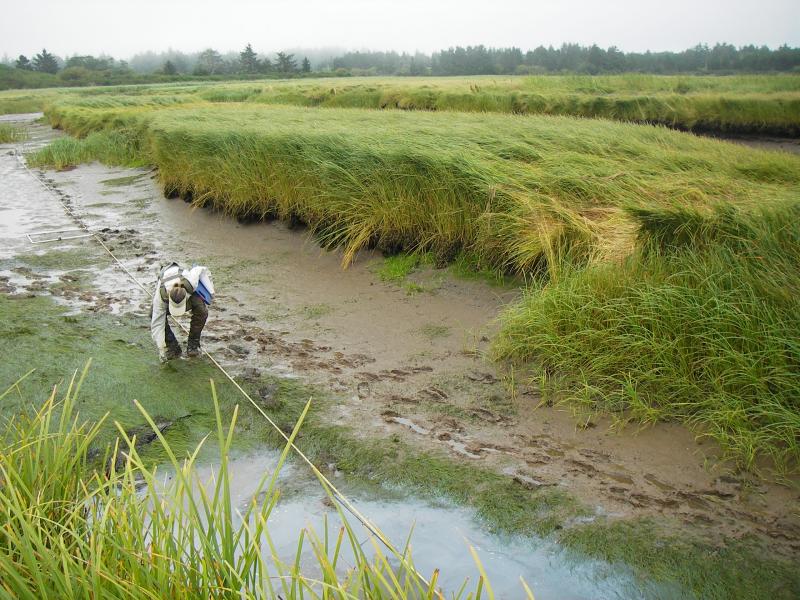
Global climate change is often at the forefront of national and international discussions and controversies, yet many details of the specific contributing factors are poorly understood.
The Soil Science Society of America presents Nik Qafoku with the 2019 Jackson Award for contributions in soil chemistry and mineralogy—ranging from agricultural fertilizer efficiency in Albania to soil contaminant transport at Hanford.