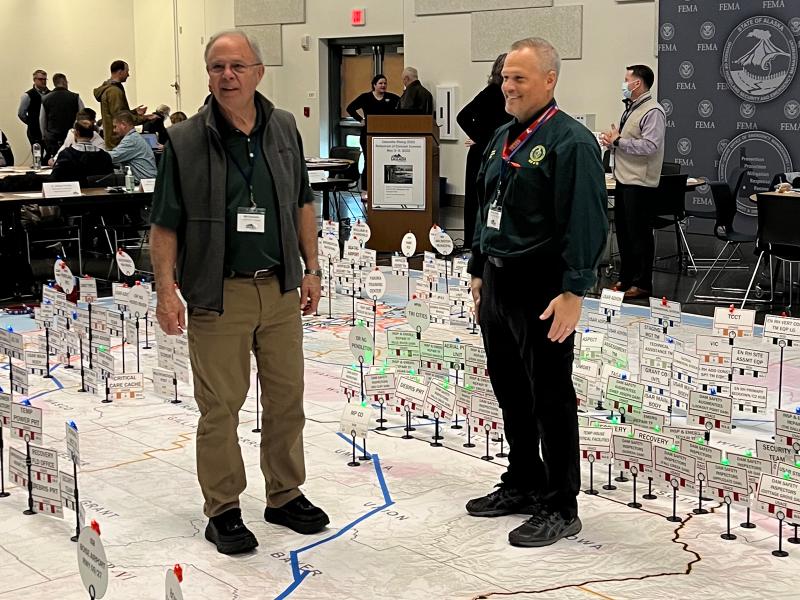
Over three days more than 200 federal, state, and tribal partners gathered to evaluate and walk through the Federal Emergency Management Agency (FEMA) Region 10 Cascadia Subduction Zone Earthquake and Tsunami Response Plan.
A new longer-lasting sodium-ion battery design is much more durable and reliable in lab tests. After 300 charging cycles, it retained 90 percent of its charging capacity.
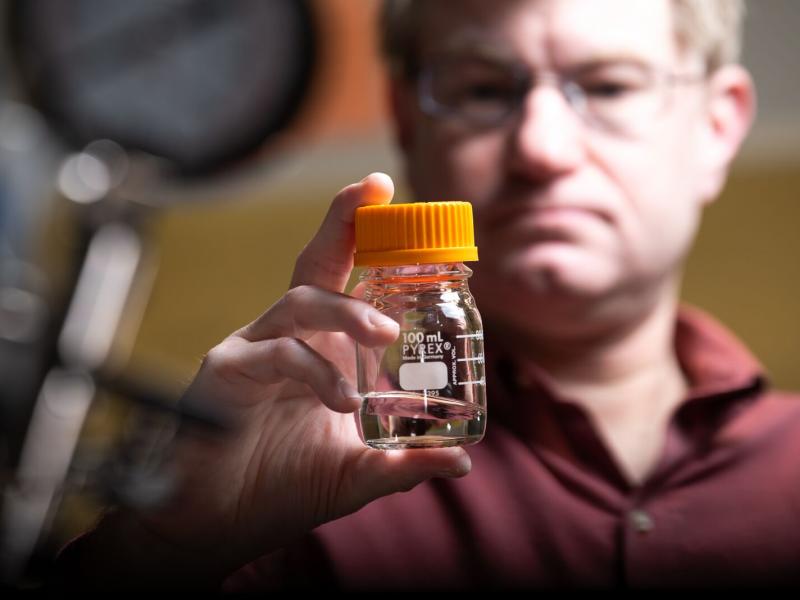
Three PNNL bioenergy experts have received adjunct appointments at Washington State University (WSU), working closely with the WSU-PNNL Bioproducts Institute and students.
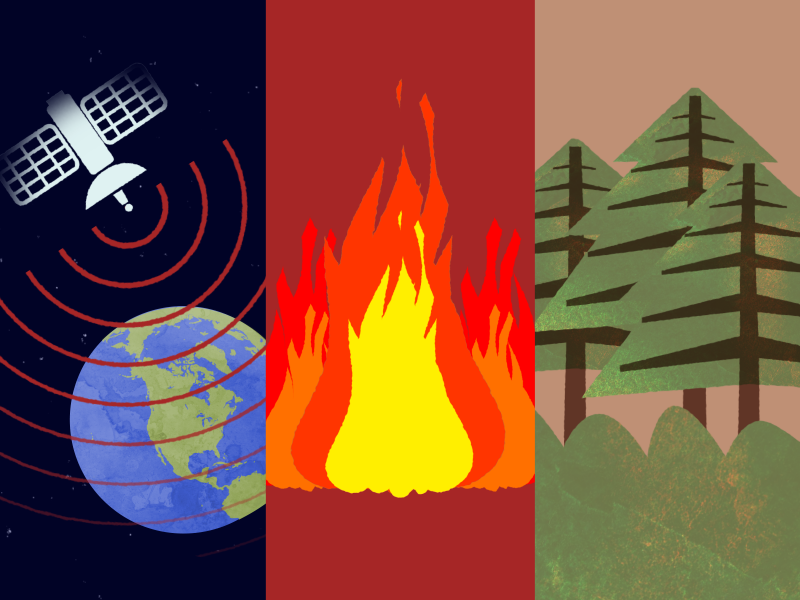
Scientists from PNNL and the U.S. Department of Agriculture-Forest Services’ Pacific Northwest Research Station have partnered to evaluate potential climate and wildfire adaptation scenarios and resulting benefits from restoration forestry.
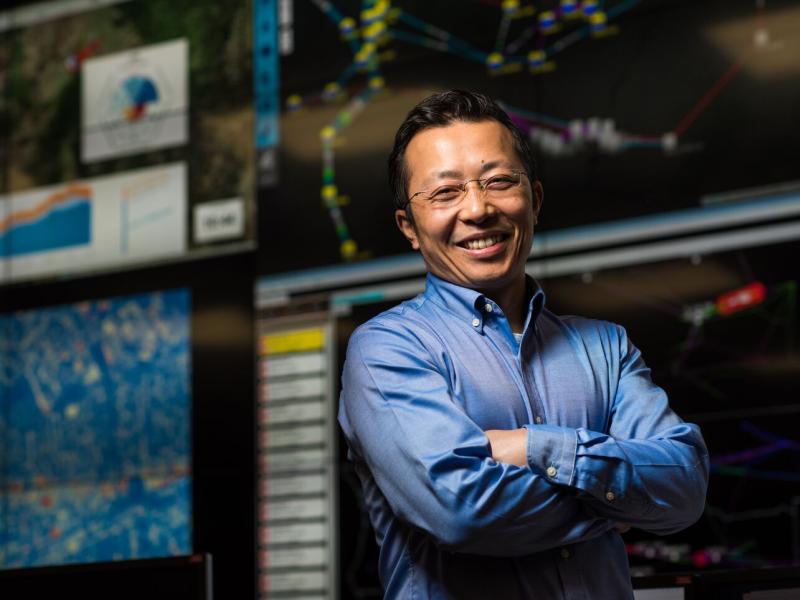
PNNL researchers developed a new model to help power system operators and planners better evaluate how grid-forming, inverter-based resources could affect the system stability.
The Department of Homeland Security Science and Technology Virtual First Responder Capitol Hill Showcase highlighted PNNL work in fentanyl detection standards and database libraries.
Top scientists and officials from government, academia, Alaskan Native communities, and industry are heading to Alaska to focus on driving energy technologies for a more sustainable Arctic region.
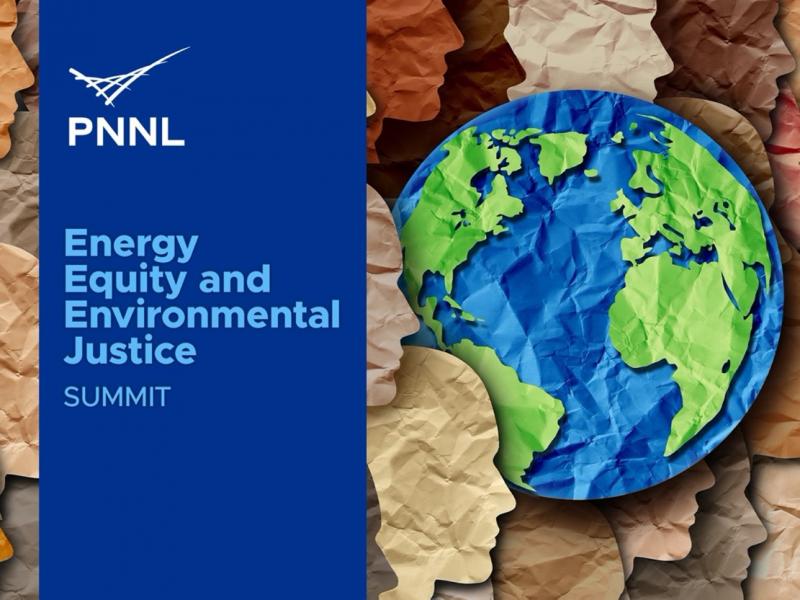
To support federal energy agencies in meeting renewed environmental policies, PNNL is identifying the mechanisms and practices that could enhance agencies’ existing environmental justice programs, policies, and activities.
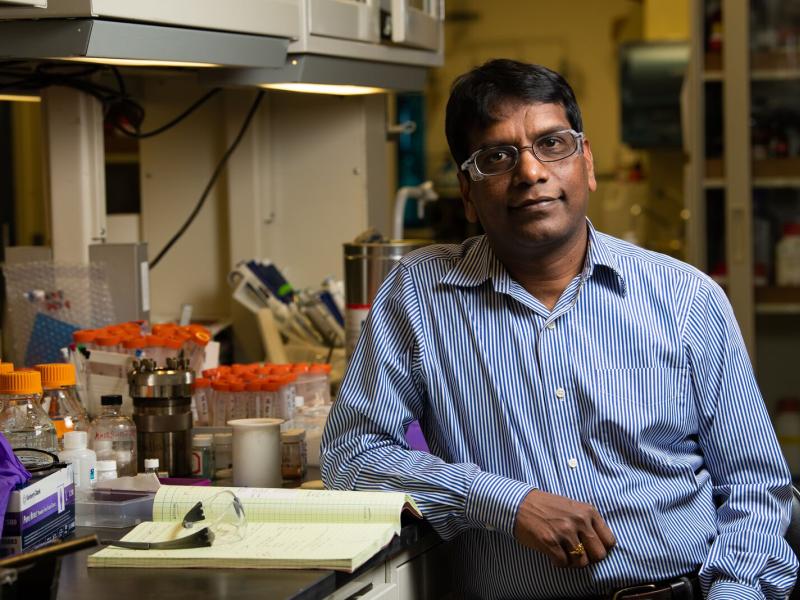
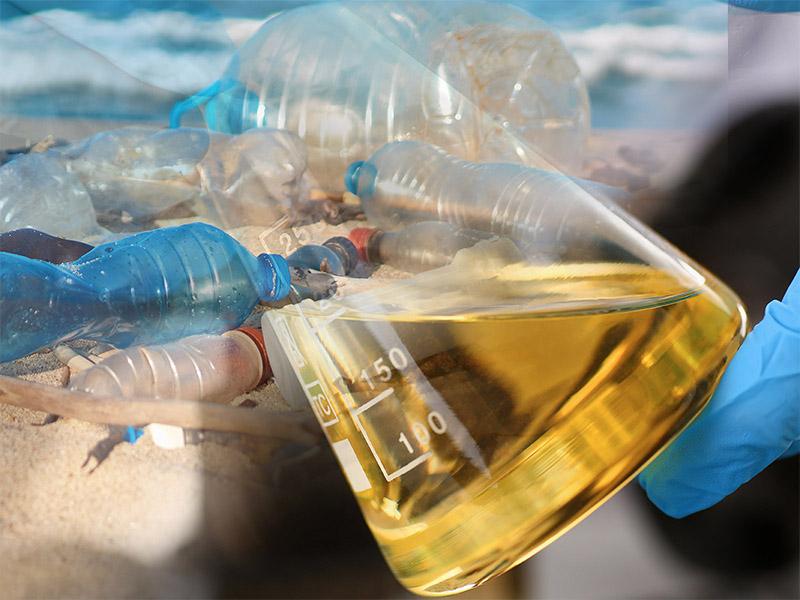
PNNL bioenergy expert Karthikeyan Ramasamy was a co-guest editor in an American Chemical Society Energy & Fuels virtual special issue on advances in biomass and wastes thermochemical processing.
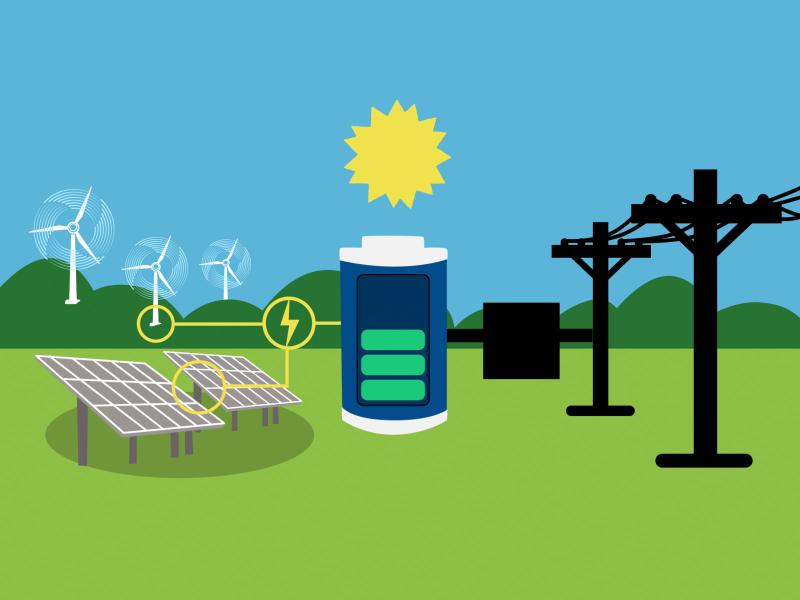
Recognizing how innovation and clean technologies at the very edge of the grid can work together to transition the electricity system, PNNL takes a multidisciplinary approach to advancing and integrating renewable energy solutions.