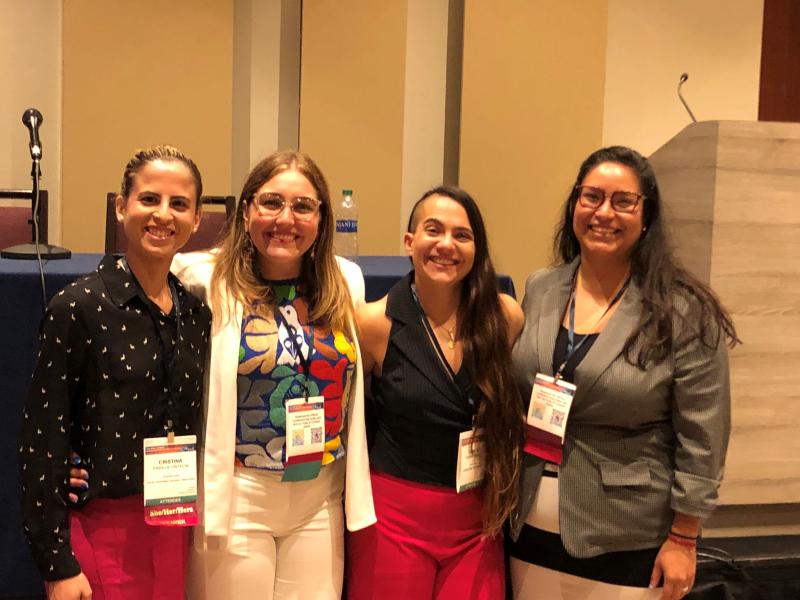
Kate Doty was invited to lend her expertise as guest editor for the International Journal of Nuclear Security on a special issue on women in nuclear security.
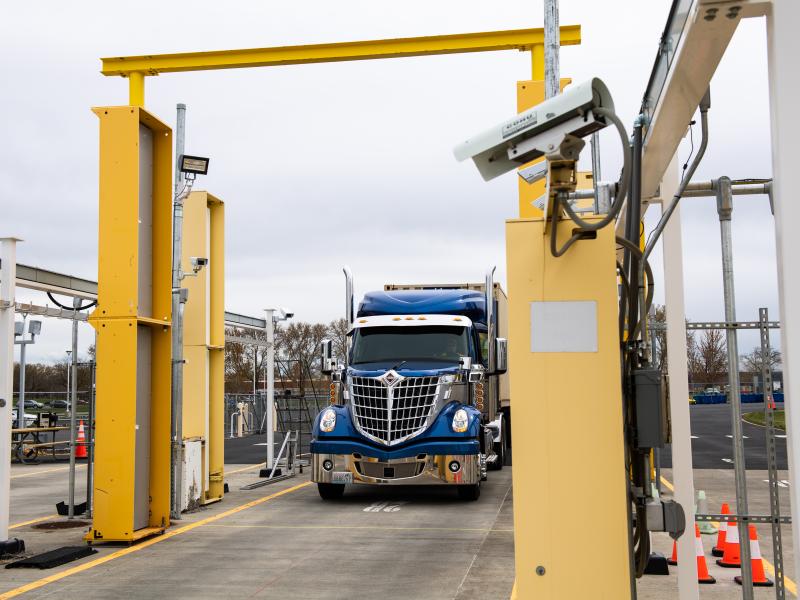
Twenty years after the first radiation portal monitor was installed, PNNL continues supporting the Department of Homeland Security’s efforts to detect and prevent terrorist weapons from crossing our borders.
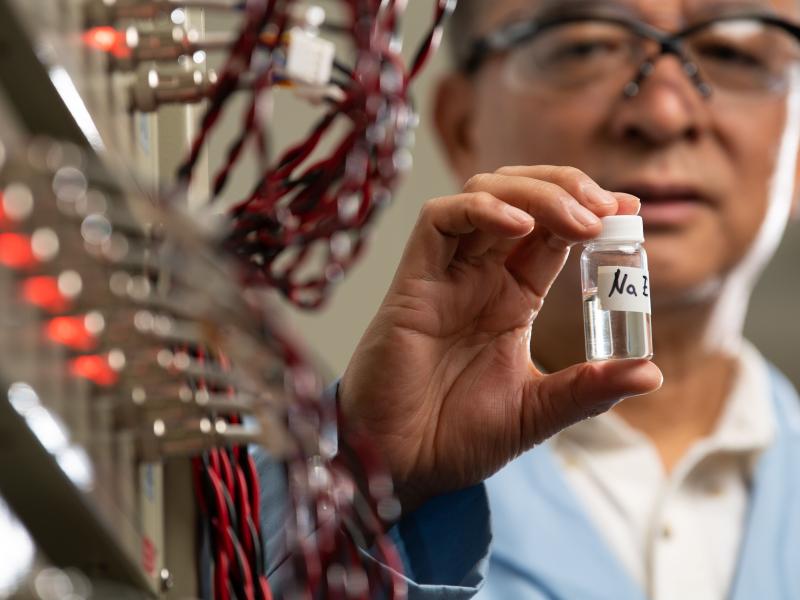
PNNL research, featured on the cover of two science journals, describes advancements in using Raman spectrometry for Hanford Site nuclear waste remediation.
A new web-based tool provides easy-to-understand progress metrics and other data about groundwater cleanup sites overseen by the DOE Office of Environmental Management.
Diefenderfer, Earth scientist who focuses on coastal ecosystems at PNNL, recently published “Ten Years of Gulf Coast Ecosystem Restoration Projects Since the Deepwater Horizon Oil Spill,” a cover article.
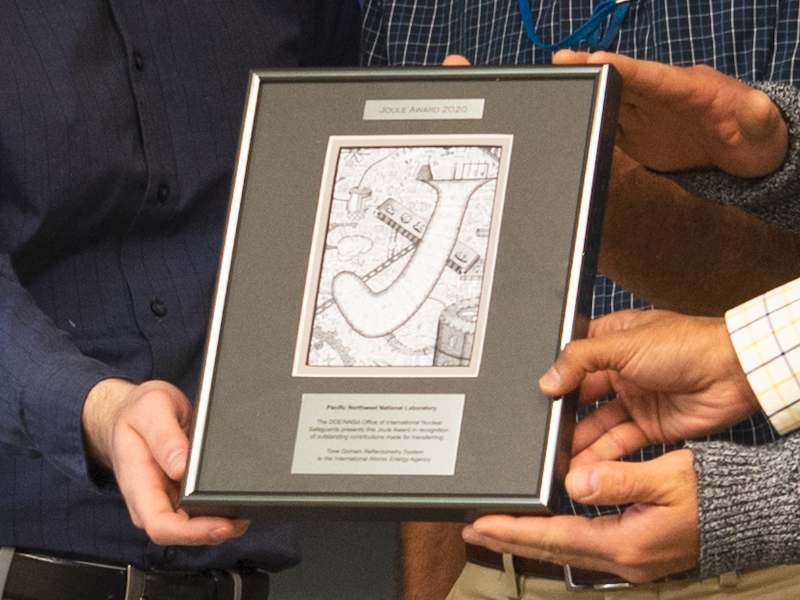
Nonproliferation Policy and Law Analyst, Chanel Chauvet, served as the legal expert in the International Atomic Energy Agency's effort to update Uzbekistan's Integrated Nuclear Security Support Plan.
John VerWey, East Asia national security advisor, delivered remarks on competition in global supply chains at a U.S.-China Economic Security Review Commission hearing in June 2022.
Eight PNNL research papers were recognized by the 2022 Waste Management Symposia as “Papers of Note” and “Superior.” One paper received a Best Oral Paper/Presentation Award.
PNNL scientists have proposed an "adaptive site management" cleanup strategy for the Hanford Site's Central Plateau that incorporates a structured, flexible approach to environmental remediation.
A new, state-of-the-art training facility in Larnaca, Cyprus provides unique training opportunities for border security officials from partner nations.