Researchers performed a combined analysis of metabolic and gene co-expression networks to explore how the soil microbiome responds to changes in moisture and nutrient conditions.
By studying discrete functional components of the soil microbiome at high resolution, researchers obtained a more complete picture of soil diversity compared to analysis of the entire soil community.
A strong interdisciplinary team with a high-performance track record recently received their third Award of Excellence in five years from the National Nuclear Security Administration (NNSA).
Like many graduates crossing the finish line in 2020, the National Nuclear Security Administration Graduate Fellowship Program class of 2019-2020 transitioned its closing ceremony to a virtual environment, joined by NNSA and PNNL leaders.
Accurate identification of metabolites, and other small chemicals, in biological and environmental samples has historically fallen short when using traditional methods.
A new study is among the first to trace the molecular connections between genetics, the gut microbiome and memory in a mouse model bred to resemble the diversity of the human population.
Scientists at Pacific Northwest National Laboratory have recently formed a new partnership with Washington State University Health Sciences Spokane to study how gut microbes influence circadian rhythms.
PNNL and the National Nuclear Security Administration are building future leaders for nuclear security through the NNSA Graduate Fellowship Program, a hands-on fellowship spanning the nuclear security enterprise.
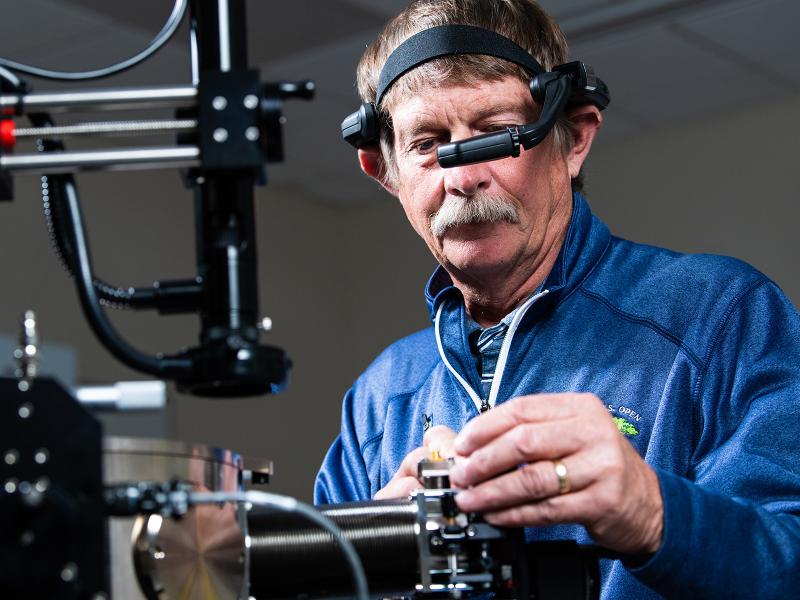
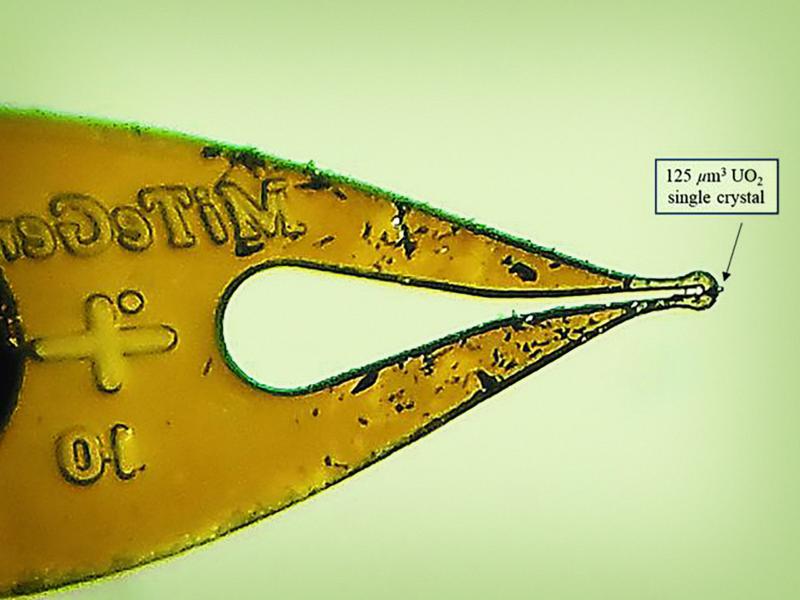
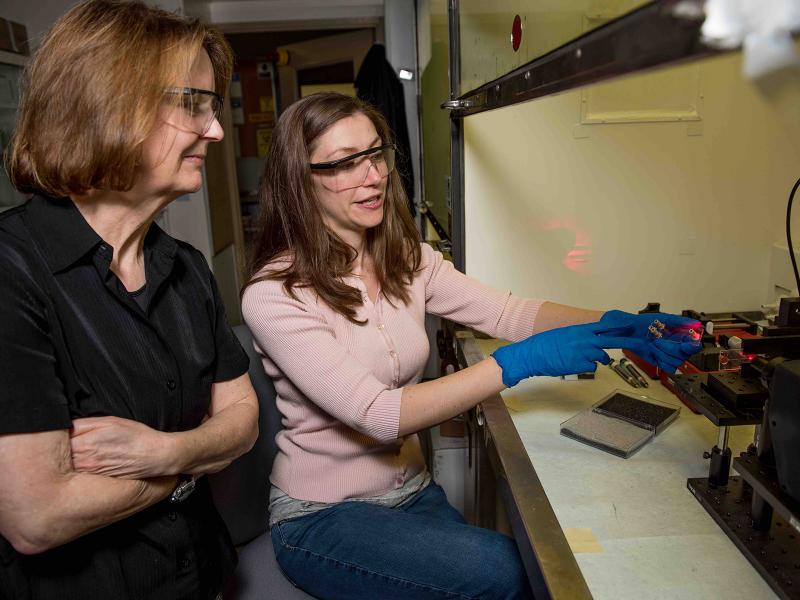
A team of researchers is working to expand our uranium chemistry understanding using a surprising tool: lasers. This capability gives never-before-seen insight into uranium gas-phase oxidation during nuclear explosions.
David Senor, PNNL researcher and tritium expert, has been named to the Texas A&M University Nuclear Engineering Advisory Council. This appointment follows Senor’s eight consecutive years of mentoring Texas A&M’s nuclear engineering senior
DOE researchers investigated the role of microbial genetic diversity in two major subsurface biogeochemical processes: nitrification and denitrification.
The world’s largest scientific society honored Sue B. Clark, a PNNL and WSU chemist, for contributions toward resolving our legacy of radioactive waste, advancing nuclear safeguards, and developing landmark nuclear research capabilities.
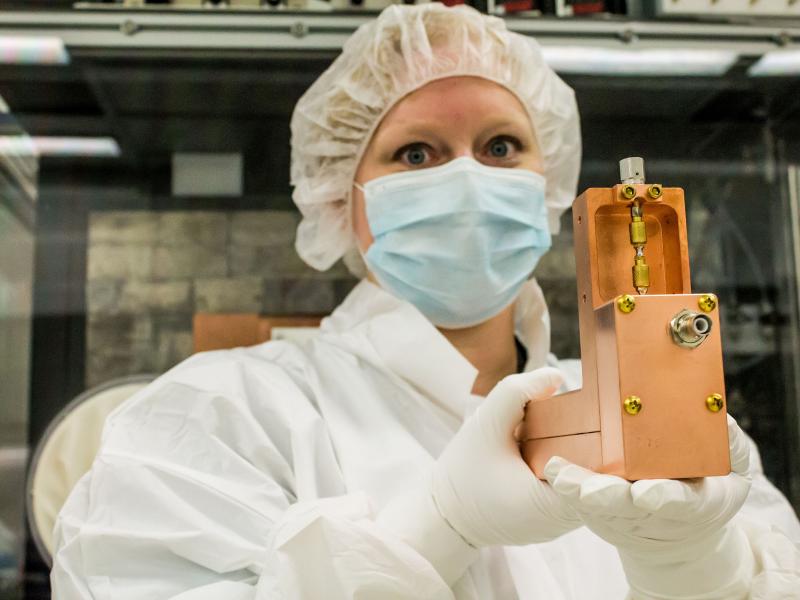
PNNL researchers demonstrated a nanoscale analysis tool to map isotopes to location in low-enriched uranium-molybdenum fuel plates for use in nuclear research reactors.
Researchers from Pacific Northwest National Laboratory reviewed the current state of knowledge about the impacts of climate change on soil microorganisms in different climate-sensitive soil ecosystems.
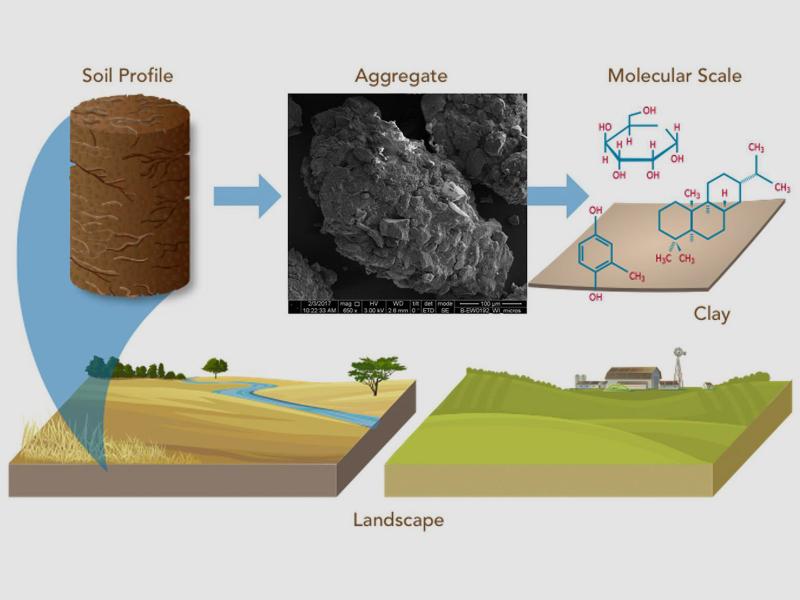
The microbial communities within the loose, friable aggregations of organic and mineral components in soil are highly organized spatially, shaped in part by the structure of the soil itself.