Scientists at the U.S. Department of Energy’s Pacific Northwest National Laboratory have developed and continue to maintain a global database of measurements made of soil-to-atmosphere CO2 flows, termed soil respiration.
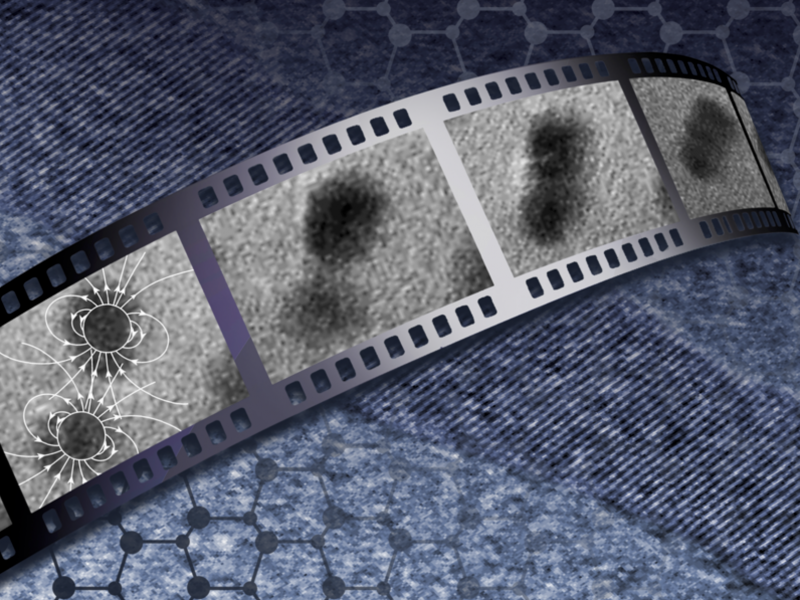
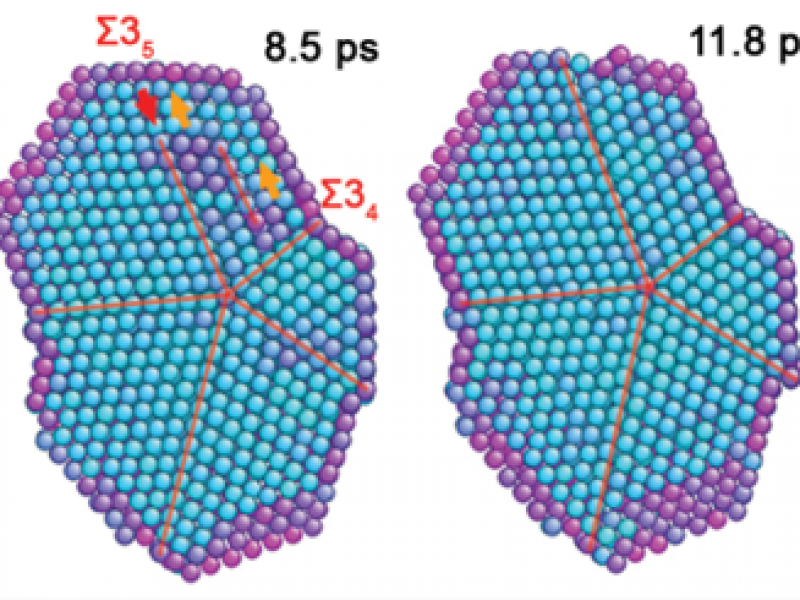
Researchers found that certain oxide interface configurations remain stable in extreme environments, suggesting ways to build better performing, more reliable devices for fuel cells, space-based electronics, and nuclear energy.
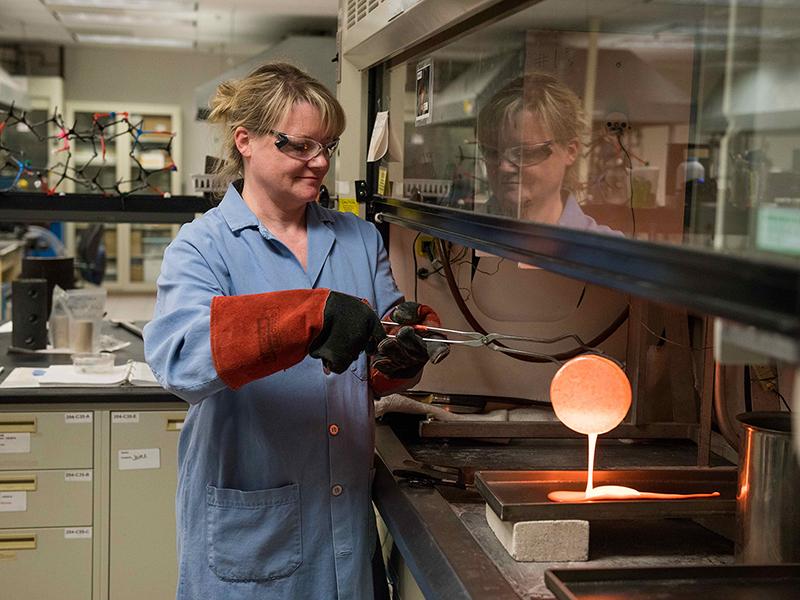
Performing nuclear safeguards work safely and developing the next generation workforce are complementary goals of a longstanding program sponsored by the National Nuclear Security Administration’s Office of International Nuclear Safeguards.
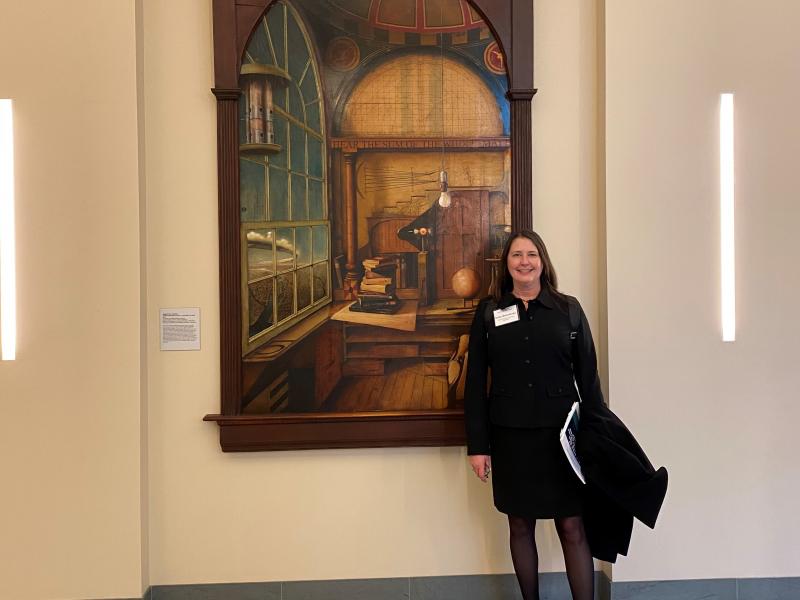
PNNL coastal ecologist Heida Diefenderfer was a featured speaker in February at the National Academies of Sciences, Engineering, and Medicine’s Government-University-Industry Research Roundtable on policy and global affairs.
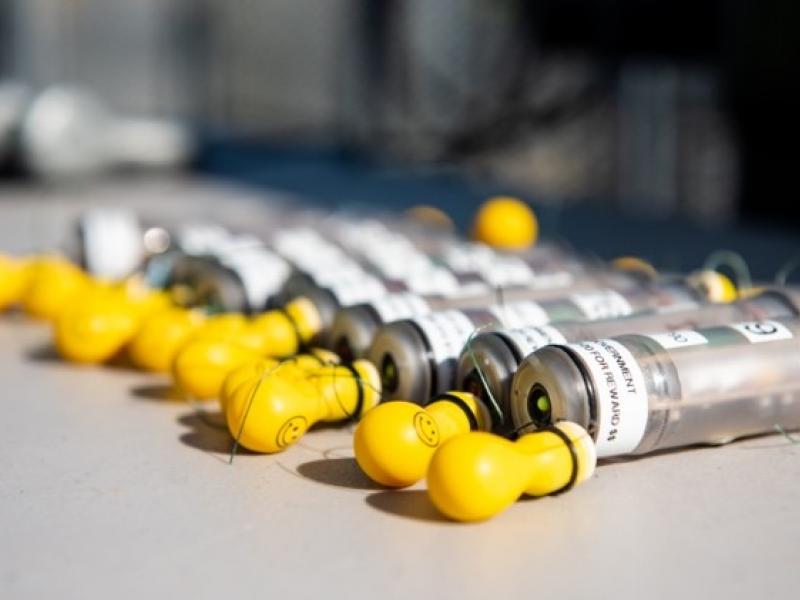
PNNL's Sensor Fish were deployed at Ice Harbor Dam to collect data from a new turbine. The data indicates the design changes are making travel through the dam less arduous for fish.
PNNL Emeritus Scientist Ronald Thom received the 2019 Environmental Leadership Award at the Northwest Straits Marine Conservation Initiative Conference.
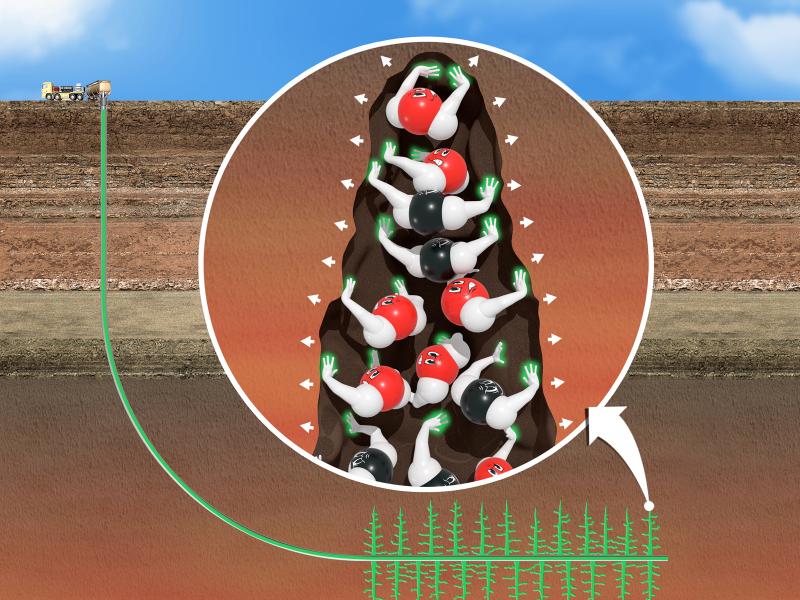
Researchers have identified two processes responsible for fracturing rock at lower pressures for geothermal energy production using PNNL’s fracturing fluid, StimuFrac™.
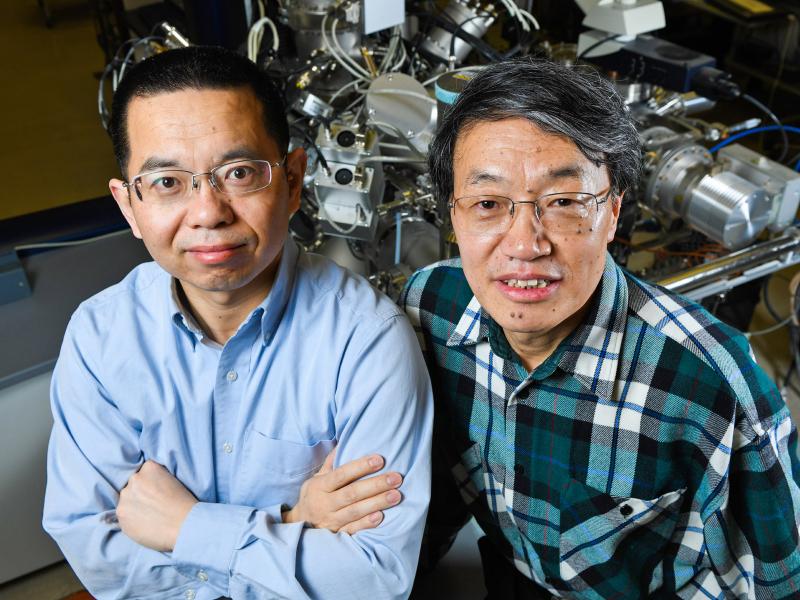
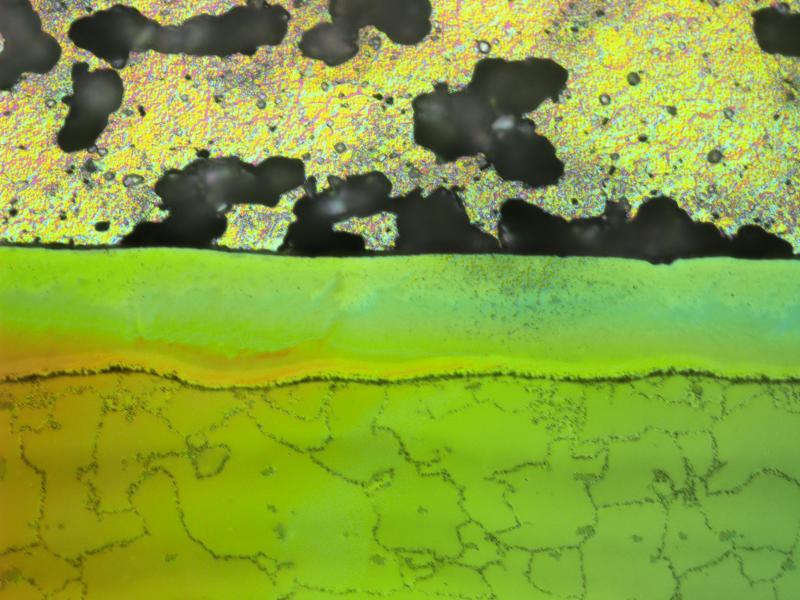
PNNL researchers demonstrated a nanoscale analysis tool to map isotopes to location in low-enriched uranium-molybdenum fuel plates for use in nuclear research reactors.