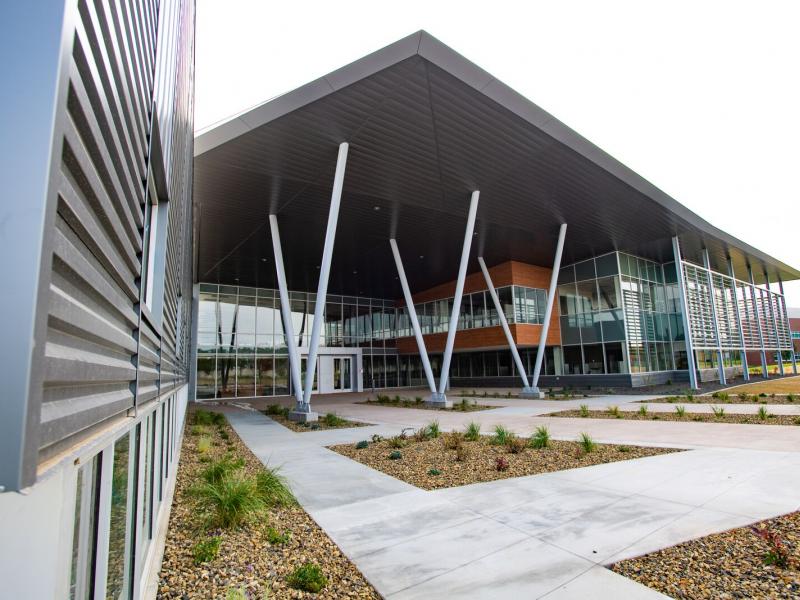
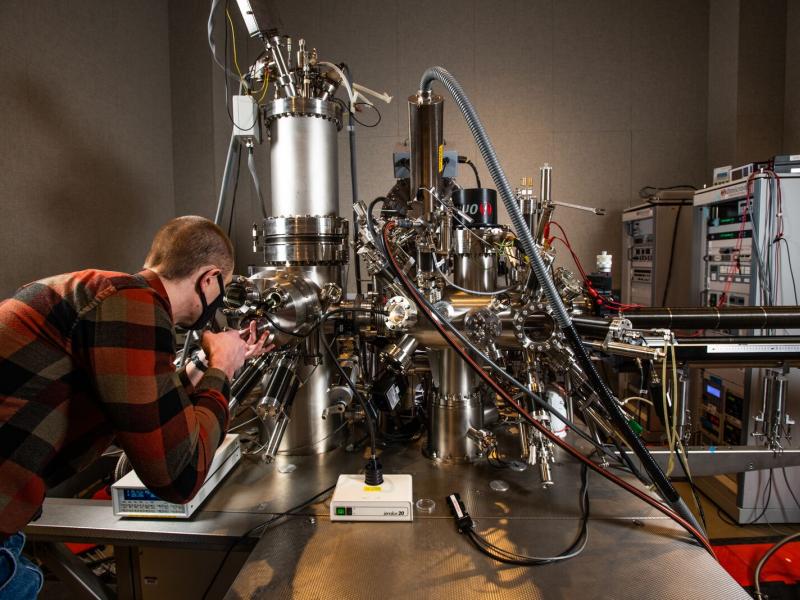
In adjoining Energy Sciences Center laboratories, researchers develop better energy storage devices by understanding the fundamental reactions that form interfaces.
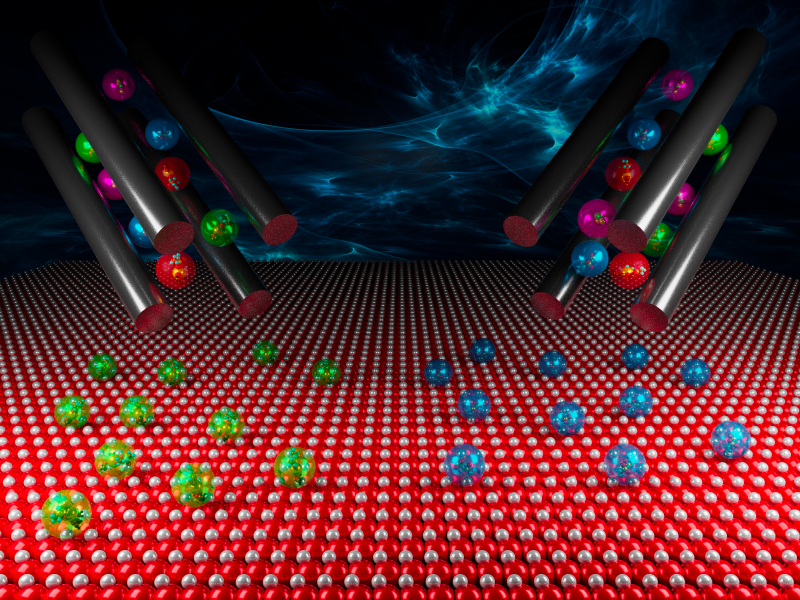
A team of researchers developed a simulation approach to identify how atomic structures can affect the phonon transport of energy and information in quantum systems near absolute zero temperatures.
Human-machine teaming may sound like something from the distant future. In “Human-Machine Teaming: A Vision of Future Law Enforcement” in Domestic Preparedness, Corey Fallon, Kris Cook, and Grant Tietje of PNNL examine this topic.
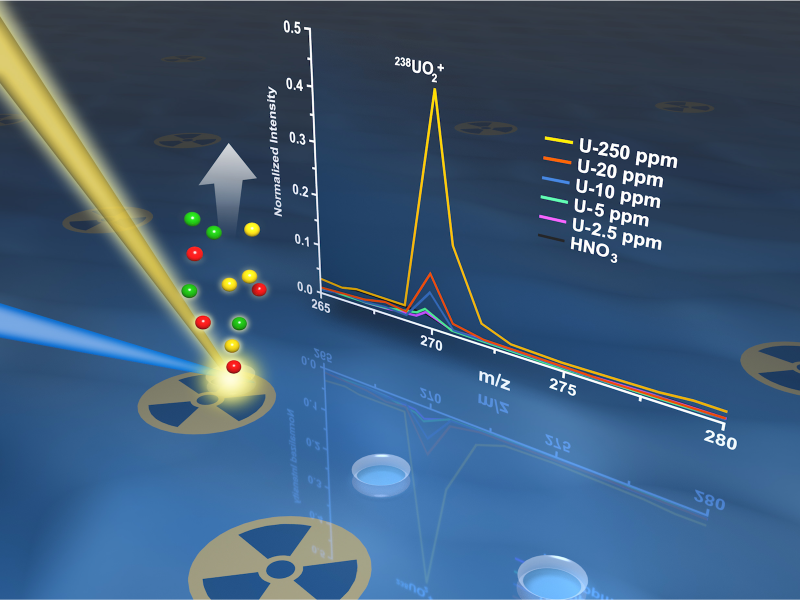
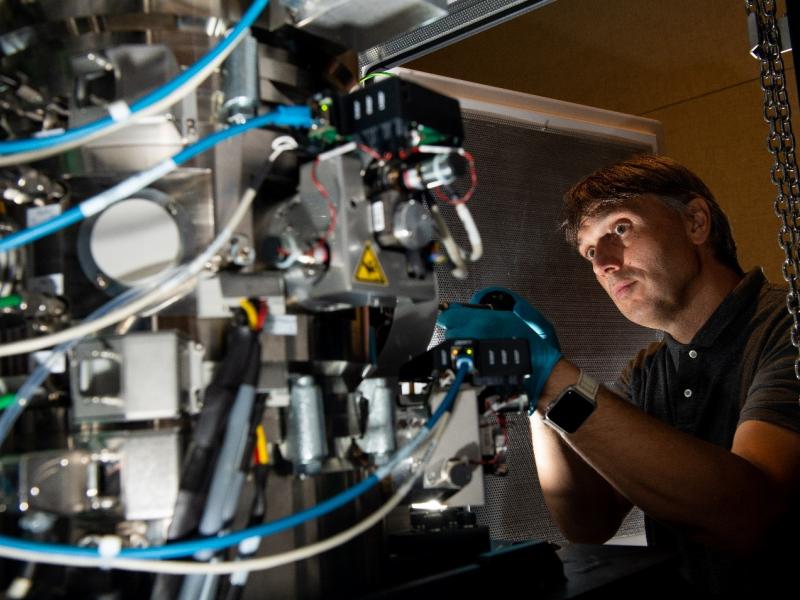
Pacific Northwest National Laboratory researchers developed a patented, nearly non-destructive approach, known as liquid secondary ion mass spectrometry, to analyze nuclear samples.
PNNL is highlighting scientific and technical experts in the national security domain who were recently promoted to scientist and engineer level 5, one of PNNL’s most senior research roles.
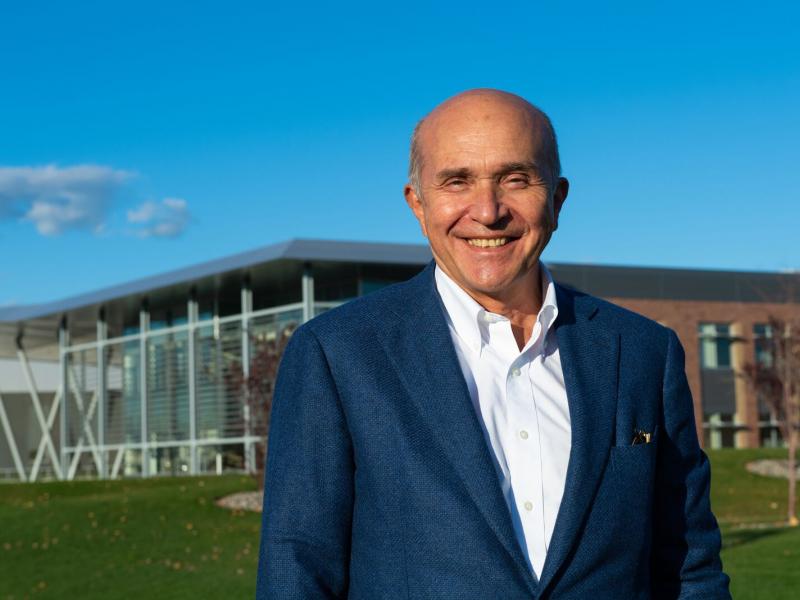
Johannes Lercher, Battelle Fellow and director of the PNNL Institute for Integrated Catalysis, envisions energy storage solutions at the new Energy Sciences Center.
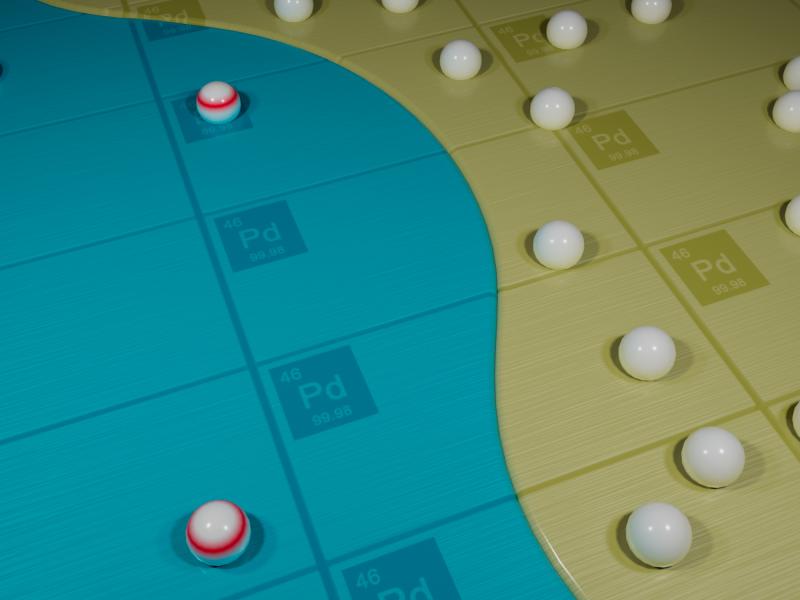
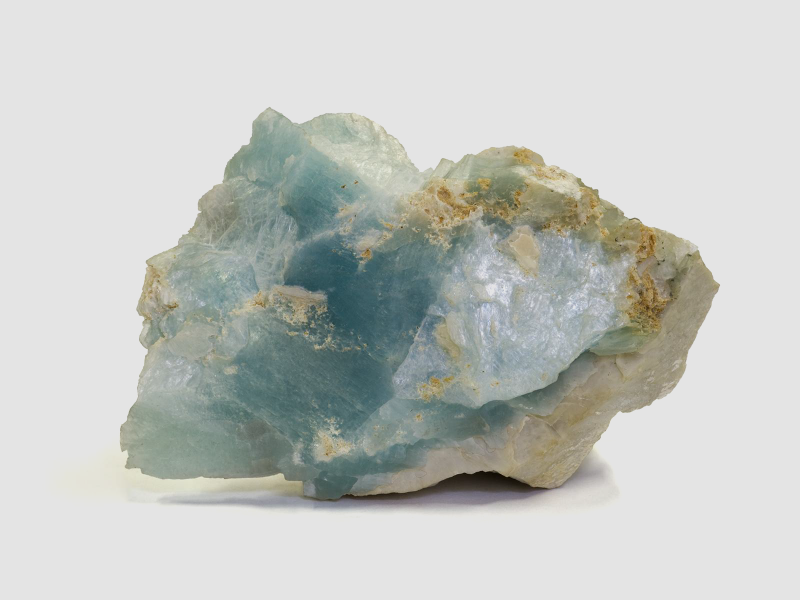
Theoretical work shows that an important natural iron source can be described as a nanoscale composite of different, but experimentally indistinguishable, structures.
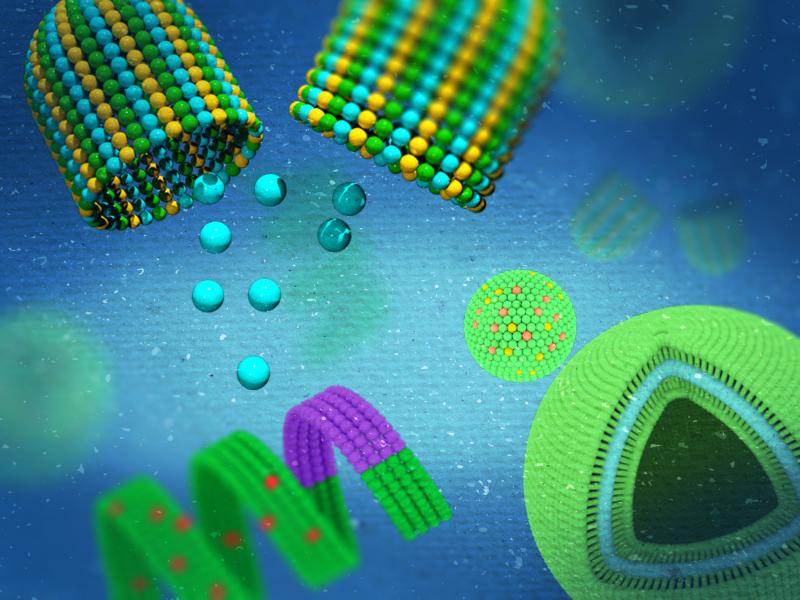
Molecular self-assembly expert Chun-Long Chen describes the challenges and opportunities in bio-inspired nanomaterials in a special issue of Chemical Reviews.
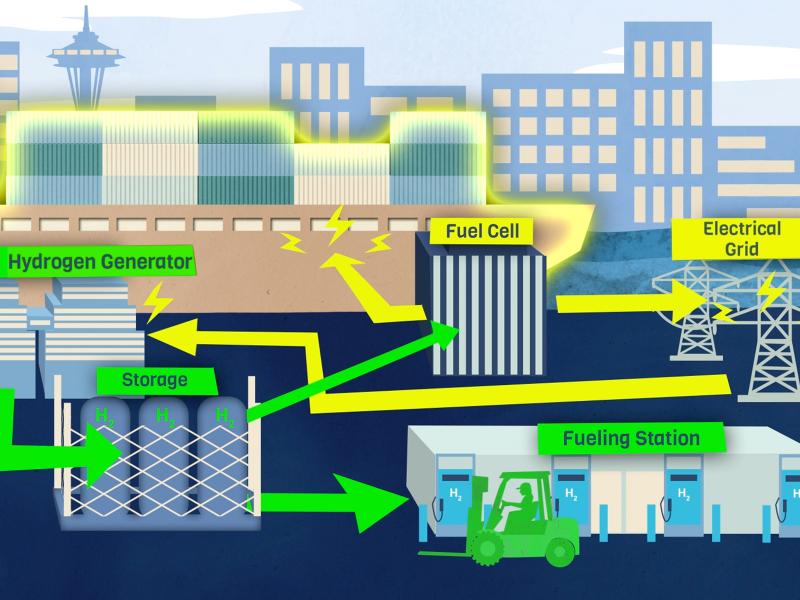
A research team is exploring the safety and feasibility of clean hydrogen to replace some fossil fuel in medium- and heavy-duty vehicles and maritime uses at the Port of Seattle.
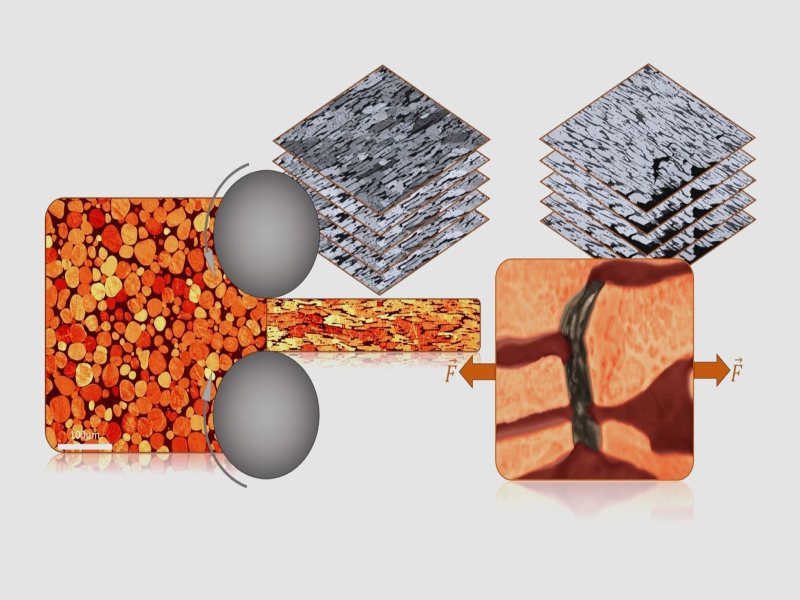
Developed at PNNL, Shear Assisted Processing and Extrusion, or ShAPE™, uses significantly less energy and can deliver components like wire, tubes and bars 10 times faster than conventional extrusion, with no sacrifice in quality.
PNNL has received 119 R&D 100 Awards since 1969, when the laboratory began submitting entries in the contest that recognizes top 100 inventions each year.