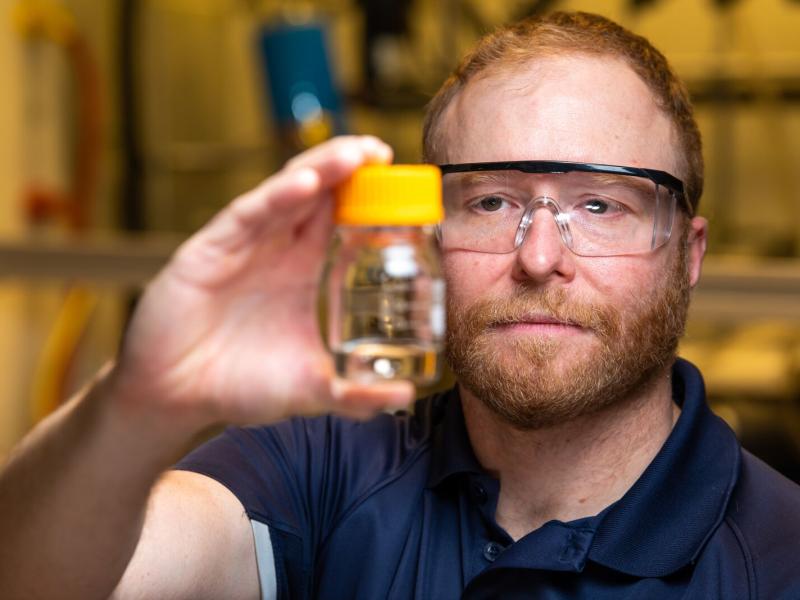
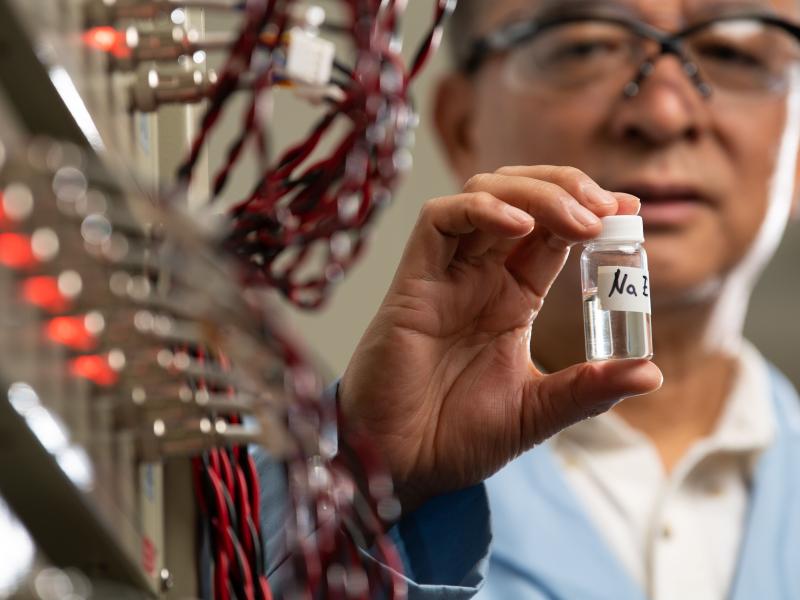
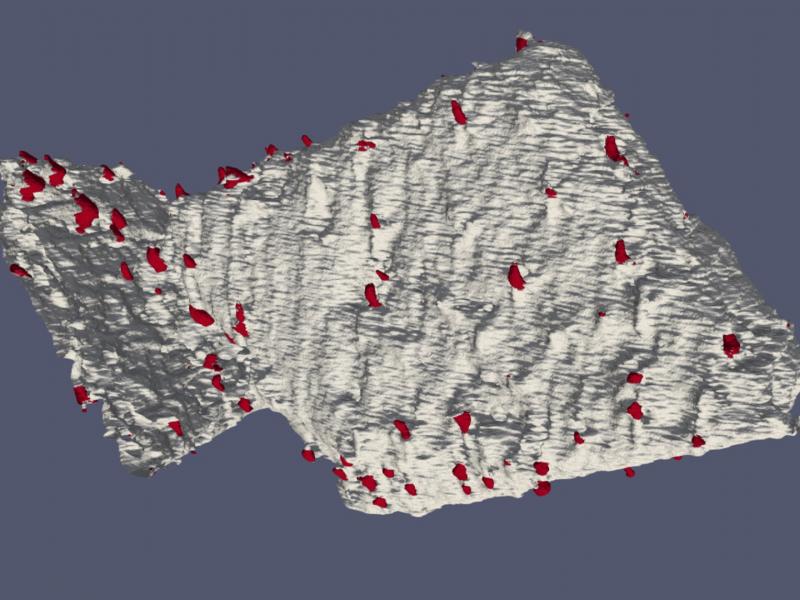
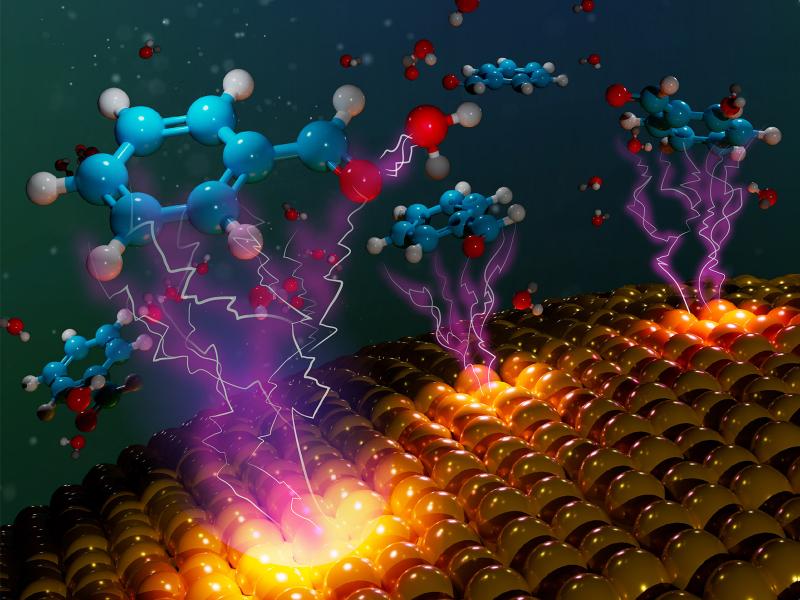
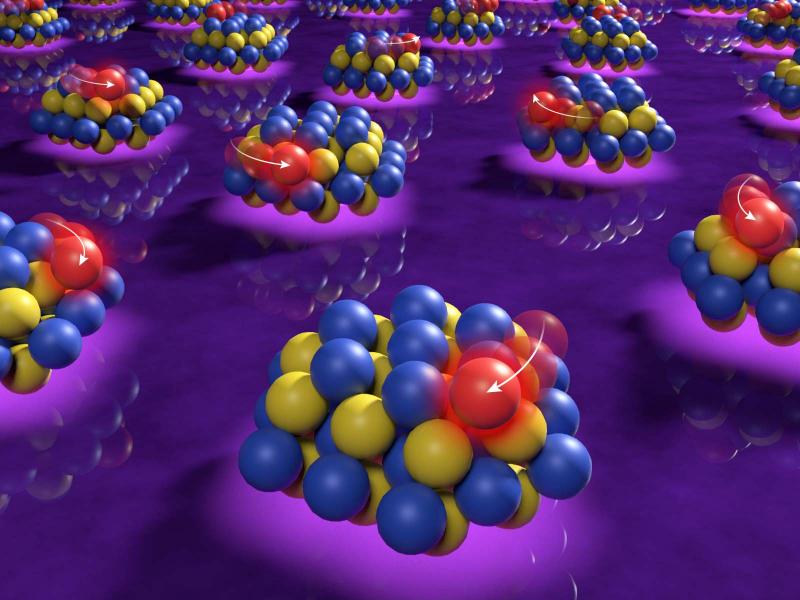
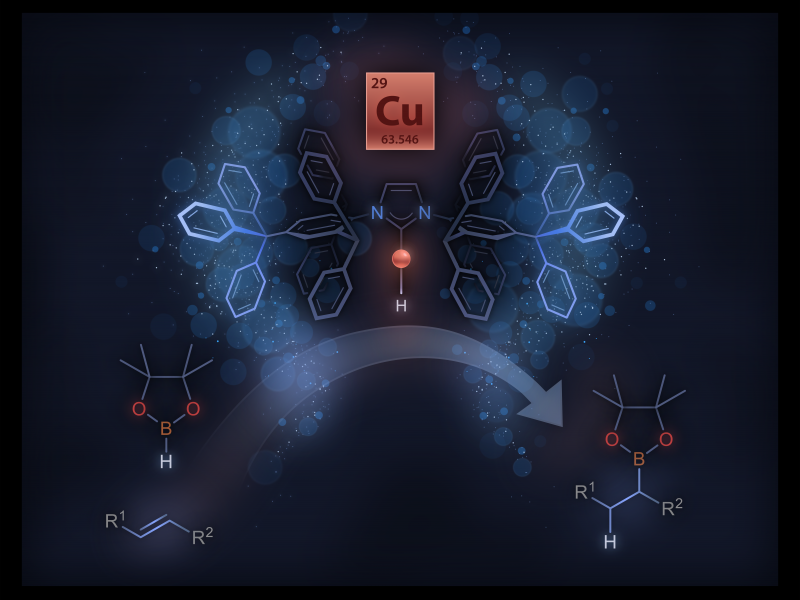
A new discovery simultaneously reduces the need for rare and expensive platinum and improves its ability to speed up economically important chemical reactions.
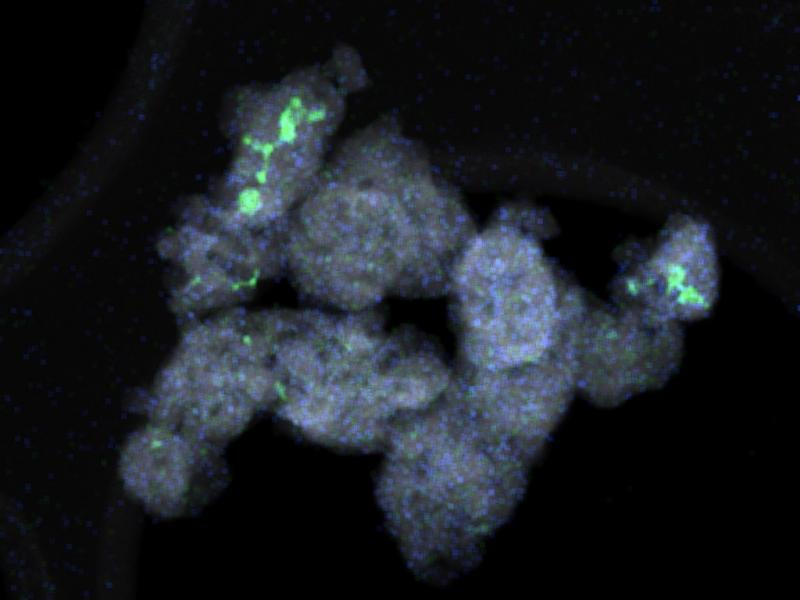
Secondary organic aerosol formation from monoterpenes is more strongly influenced by oxidant and monoterpene structure than by nitric oxides and hydroperoxy radical concentrations.
Repeated aircraft measurements over central Oklahoma allow researchers to better understand the spatial variability of aerosol properties that affect cloud evolution.
The American Chemical Society Richland Section has been recognized by its national organization with the Best Overall Section Minority Affairs award for 2022.
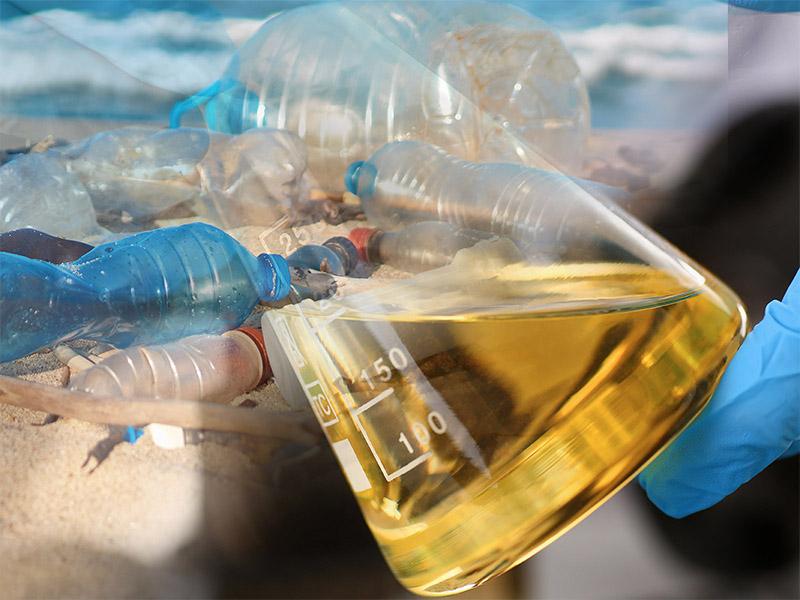
Plastic upcycling efficiently converts plastics to valuable commodity chemicals while using less of the precious metal ruthenium. The method could recycle waste plastic pollution into useful products, helping keep it out of landfills.
The Earth system model aerosol-cloud diagnostics package version 1 uses aircraft, ship, and surface measurements to evaluate simulated aerosols in an Earth system model.
A process developed at PNNL that converts biomass and waste into a chemical intermediate or into gasoline, diesel, and jet fuel is available for commercial licensing.
A new simple and scalable synthesis produces nanoparticle assemblies that can perform catalytic hydrogen sensing at room temperature for the first time.