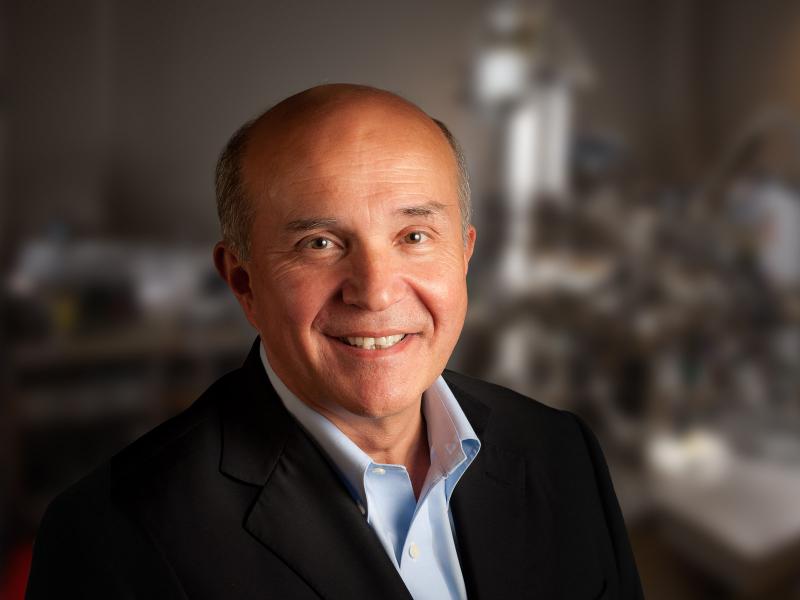
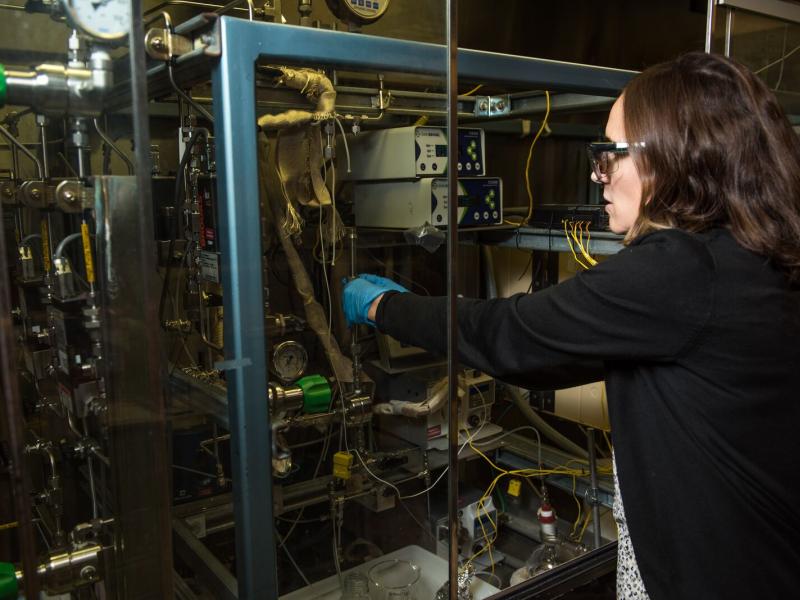
Johnson is among the PNNL scientists preparing to move into the Energy Sciences Center, the new $90 million, 140,000-square-foot facility that is expected to open in late 2021.
Seven teams win the U.S. Department of Energy's DESIGN Contest for wave-powered systems to monitor hurricanes—part of the Ocean Observing Prize. PNNL administers the prize with National Renewable Energy Laboratory.
A new study projects that electricity demand tied to cooling U.S. buildings will grow as peak temperatures rise, and so too would the need for an expanded power sector.
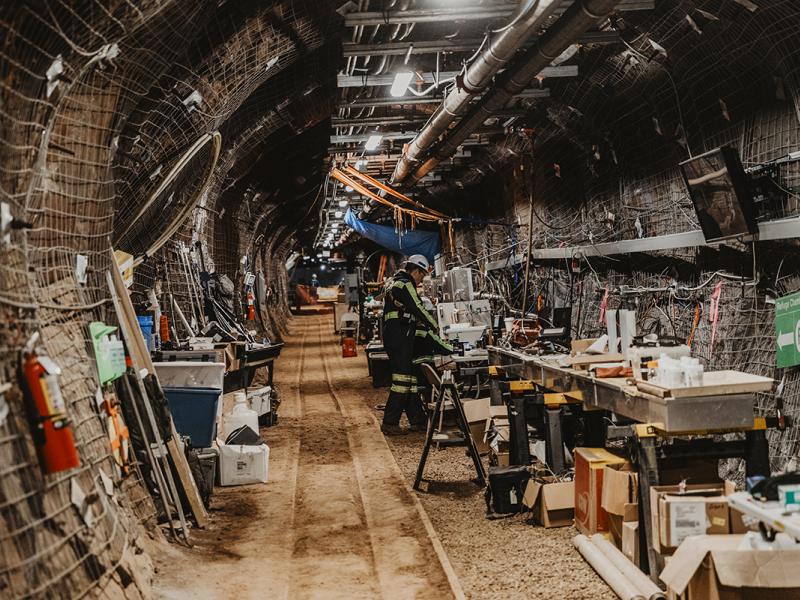
A team of researchers from 10 national laboratories and eight universities is conducting hydraulic shearing tests to explore the potential for geothermal energy at the Sanford Underground Research Facility (SURF).
PNNL has published a cybersecurity guidance report for marine renewable energy devices to prepare the blue economy for harnessing ocean power from waves, tides, and currents.
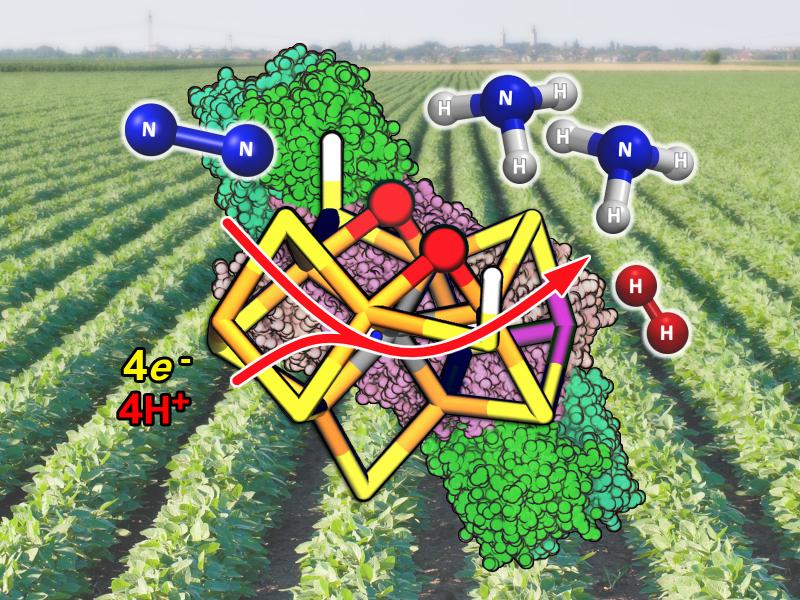
Wendy Shaw, director of the Physical Sciences Division at PNNL, was selected to guest edit a special issue on (photo)electrocatalysis featured in January 2021 edition of the scientific journal ChemComm.
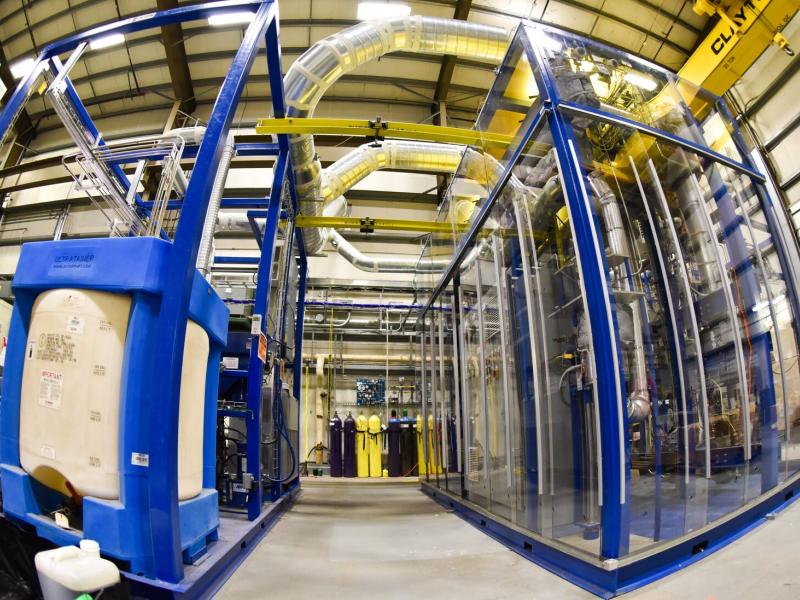
A demonstration converting biocrude to renewable diesel fuel has passed a significant test, operating for more than 2,000 hours continuously without losing effectiveness.
PNNL highlights four researchers whose joint appointments are creating new and diverse opportunities for expanding knowledge and scientific impact across institutions.
The U.S. Department of Energy has awarded funding to PNNL for the design and construction of a hybrid research vessel and an underwater testbed to be located at PNNL-Sequim.
PNNL teamed with academia and industry to develop a novel zero-emission methane pyrolysis process that produces both hydrogen and high-value carbon solids suitable for an array of manufacturing applications.
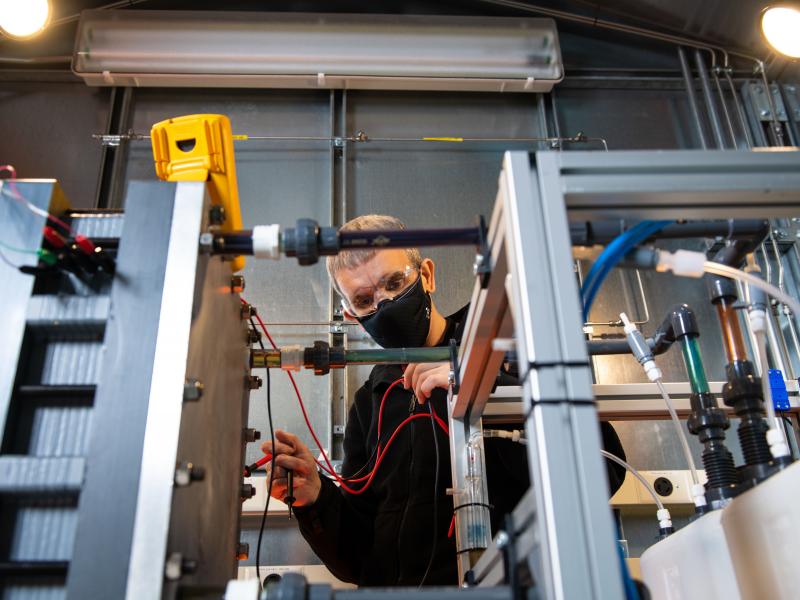
As he prepares to enter PNNL's Energy Sciences Center later this year, Vijayakumar 'Vijay' Murugesan is among DOE leaders exploring solutions to design and build transformative materials for batteries of the future.
New 140,000-square-foot facility will advance fundamental chemistry and materials science for higher-performing, cost-effective catalysts and batteries, and other energy efficiency technologies.