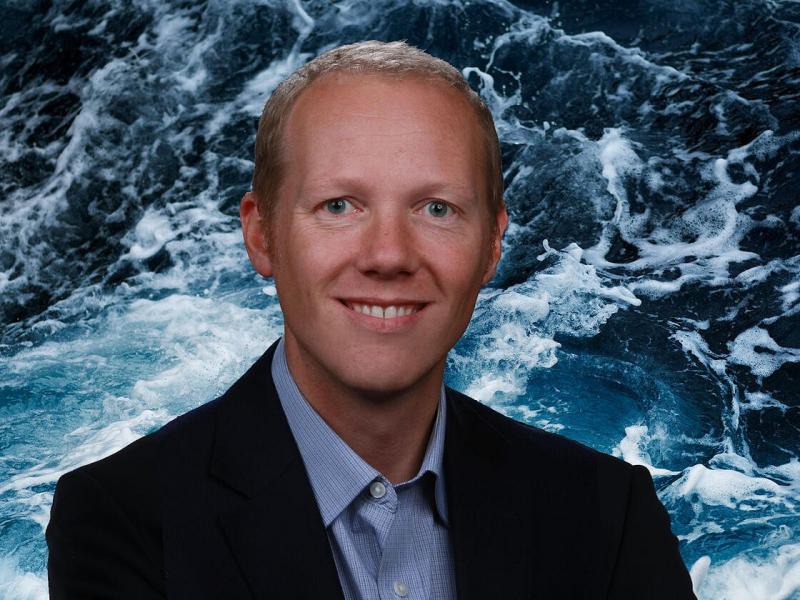
Zhaoqing Yang, chief scientist for coastal ocean modeling at PNNL in Sequim, WA, was recently selected to serve as the lead guest editor for a special issue of the Renewable Energy journal.
PNNL’s Sequim campus hosts underrepresented students and teachers from Washington State’s Olympic peninsula to nurture future researchers needed to create sustainable, culturally sensitive, marine energy technologies.
The Triton Initiative supports projects funded through U.S. Department of Energy funding opportunity announcements developing environmental monitoring technologies for marine energy.
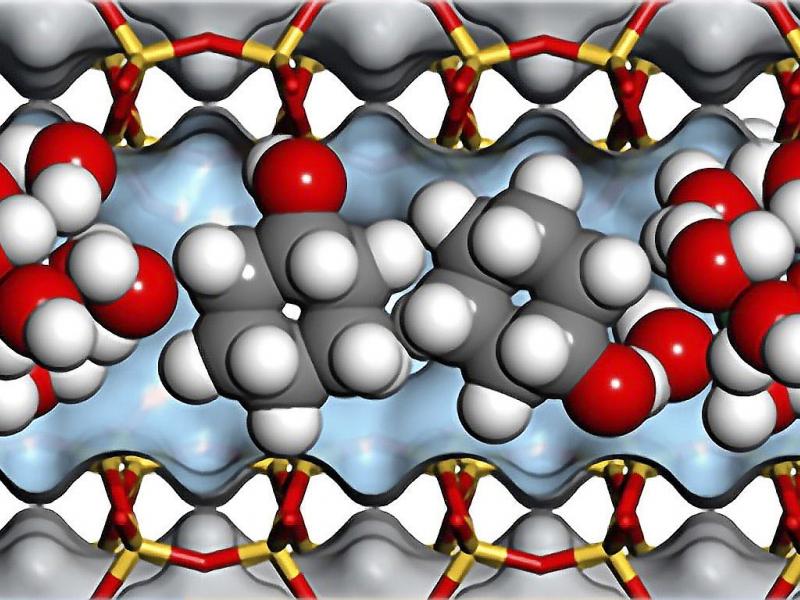
A discovery from PNNL and Washington State University could help reduce the amount of expensive material needed to treat vehicle exhaust by making the most of every precious atom.
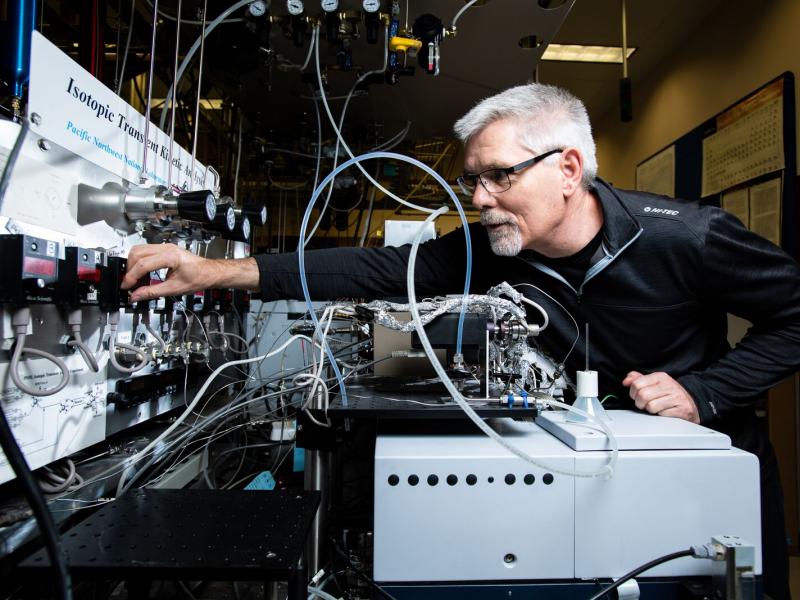
Weber recently shared his knowledge of catalysis in a perspective for the Boudart Special Issue of the Journal of Catalysis and a News and Views article for Nature Sustainability.
Shaw is one of 18 fellows selected by the National Laboratory Directors' Council to join the 2020–2021 Oppenheimer Science and Energy Leadership Program Fellowship.
A new report led by PNNL identifies the top 13 most promising waste- and biomass-derived diesel blendstocks for reducing greenhouse gas emissions, other pollutants, and overall system costs.
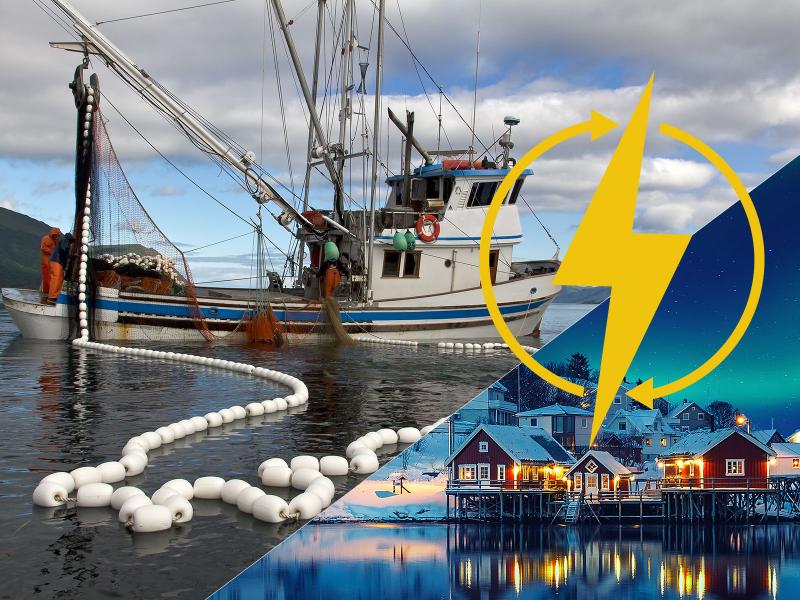
Using existing fish processing plants, kelp and fish waste can be converted to a diesel-like fuel to power generators or fishing boats in remote, coastal Alaska.
Brandi Cossairt, a PI in the Center for Molecular Electrocatalysis (CME) and a Professor of Chemistry at the University of Washington, was elected to the Washington State Academy of Sciences.
Cailene Gunn discusses her work in science communication and how she communicates the Triton Initiative's research to help advance the marine energy industry.
Bojana Ginovska leads a physical biosciences research team headed for PNNL's new Energy Sciences Center. She uses the transformative power of molecular catalysis and enzymes to explore scientific principles.