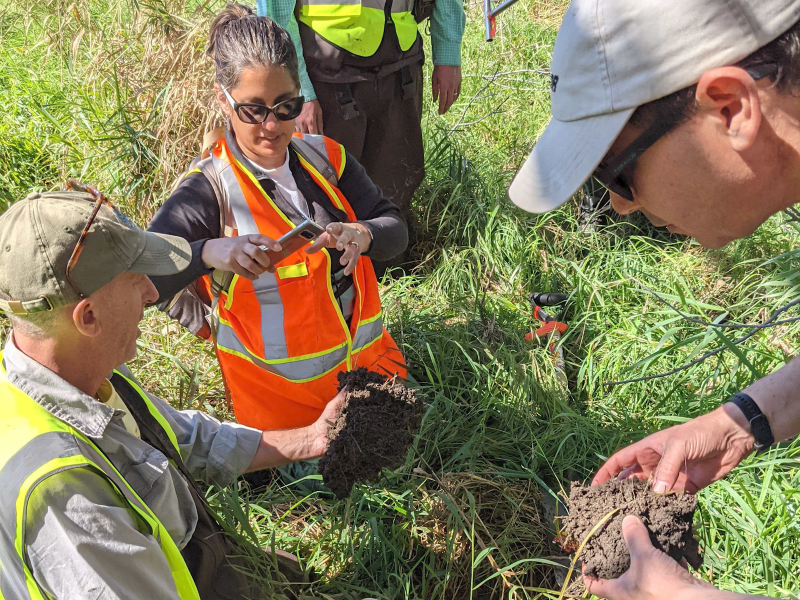
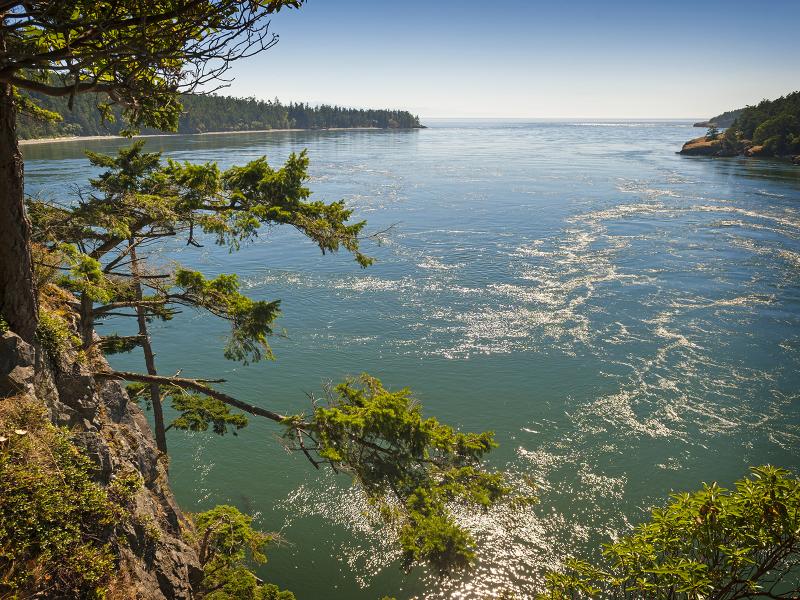
Diefenderfer, Earth scientist who focuses on coastal ecosystems at PNNL, recently published “Ten Years of Gulf Coast Ecosystem Restoration Projects Since the Deepwater Horizon Oil Spill,” a cover article.
ICON science is a Department of Energy-developed framework to enhance scientific outcomes via more intentional design of research efforts across all domains of science.
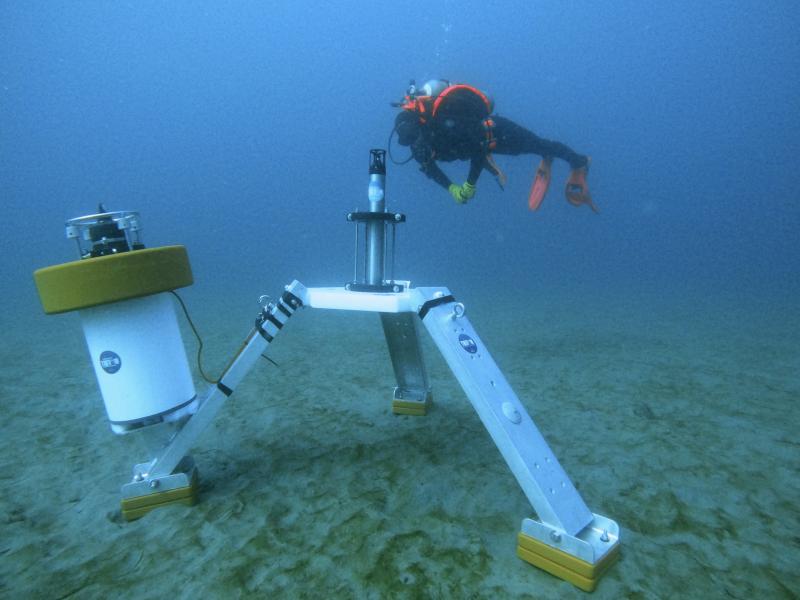
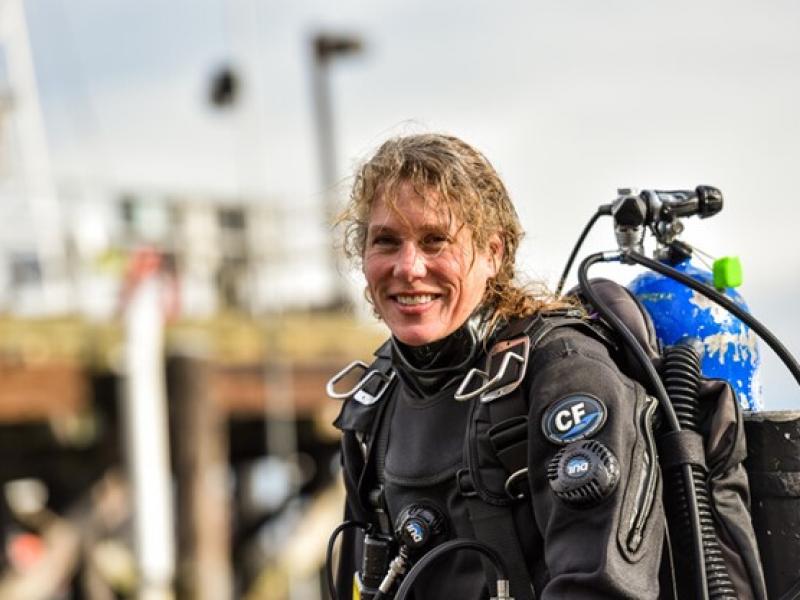
Sue Southard's one thousand dives as a PNNL staff member leave a ripple effect on efforts to keep our ocean healthy, our economy thriving, and our waters safe.
From water purification, to better batteries and tools to foil a cyberattack—a look back at how PNNL helped to invent a brighter and better future over the last year.
Electrical engineer Aditya Ashok and cybersecurity researcher Thomas Edgar win best paper award for their work to create a new high-fidelity dataset that will help advance cybersecurity solutions for critical infrastructure protection.
Ocean biogeochemical modeling software now available as open source to help researchers predict impacts of pollution, sea level rise, and climate change.
PNNL has received 119 R&D 100 Awards since 1969, when the laboratory began submitting entries in the contest that recognizes top 100 inventions each year.
Incorporating green infrastructure into flood protection plans alongside gray infrastructure can shield communities, reduce maintenance, and provide additional social and environmental benefits.