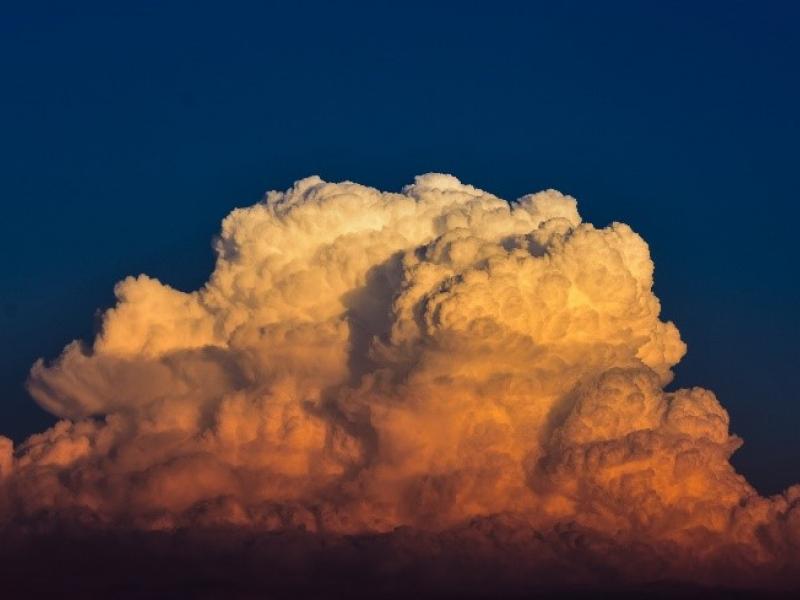
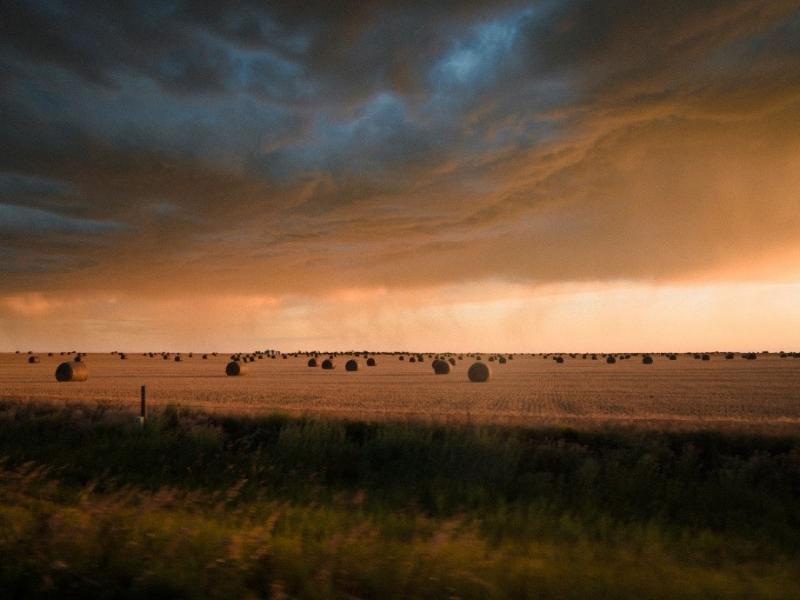
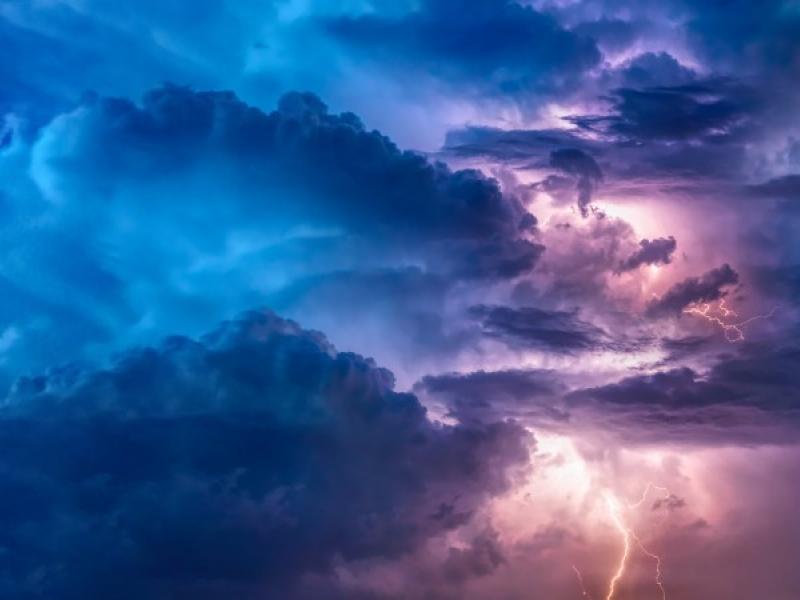
Using machine learning, PNNL researchers identified four types of environments with favorable circulation patterns for spring mesoscale convective systems (MCSs) to form.
PNNL and University of Arizona researchers evaluated the performance of the Weather Research and Forecasting (WRF) model in simulating precipitation under different weather patterns.
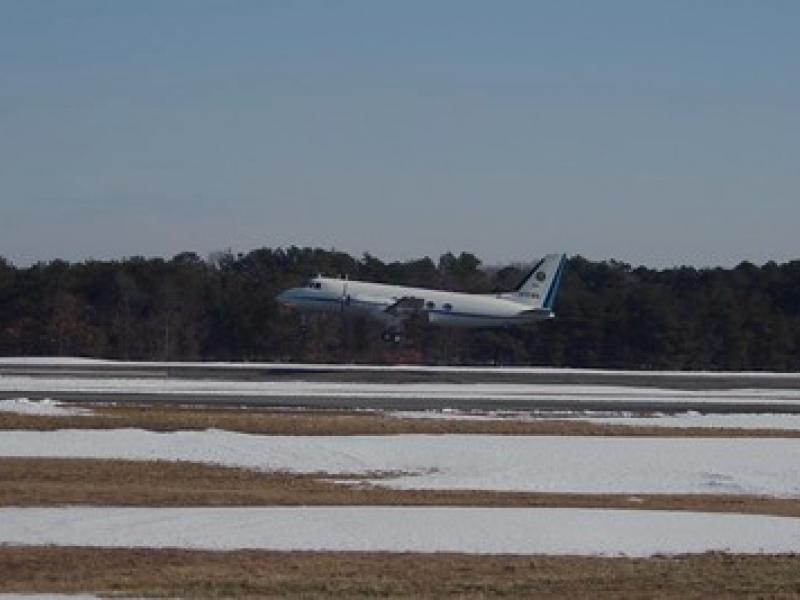
A research team, led by scientists at PNNL, analyzed aerosols’ physical, chemical, and optical properties collected by a suite of airborne instruments during winter as part of a year-long measurement campaign in Cape Cod, Massachusetts.
Using two ice nucleation chambers, PNNL researchers found that ice particles, once nucleated, are more efficient at forming ice in the next ice nucleation event.
Researchers developed a high-resolution mesoscale convective systems database by synthesizing satellite and radar network observations available from 2004 to 2016.
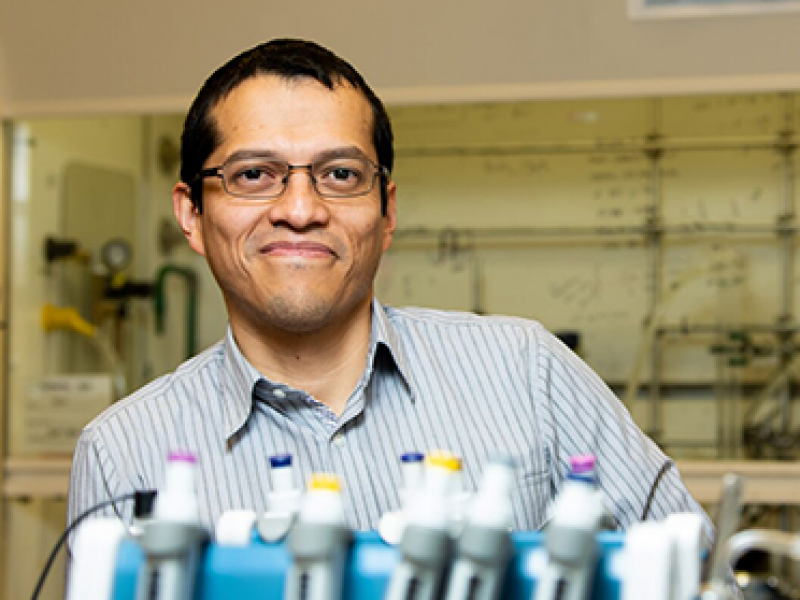
Oliver Gutiérrez leads an electrocatalytic hydrogenation research team at PNNL that focuses on next-generation catalysts at the molecular level and in an aqueous state.
This research addresses two topics that are not well understood in literature: the interplay between organic linkers and substrates during MOF crystallization, as well as the mechanisms that control heterostructure formation in solutions.
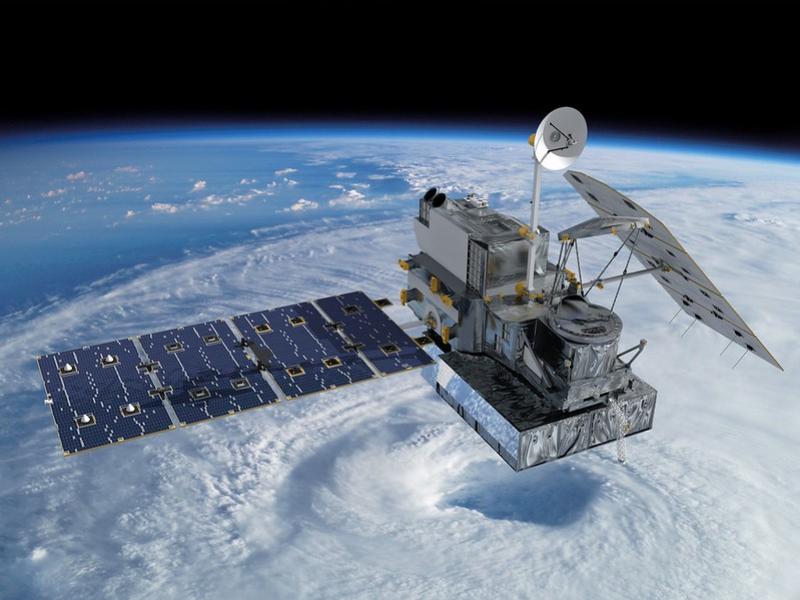
Cloud and precipitation characteristics observed by the Global Precipitation Measurement spaceborne radar allowed researchers to establish, for the first time, a global map of mesoscale convective systems in mid- and high-latitude regions.
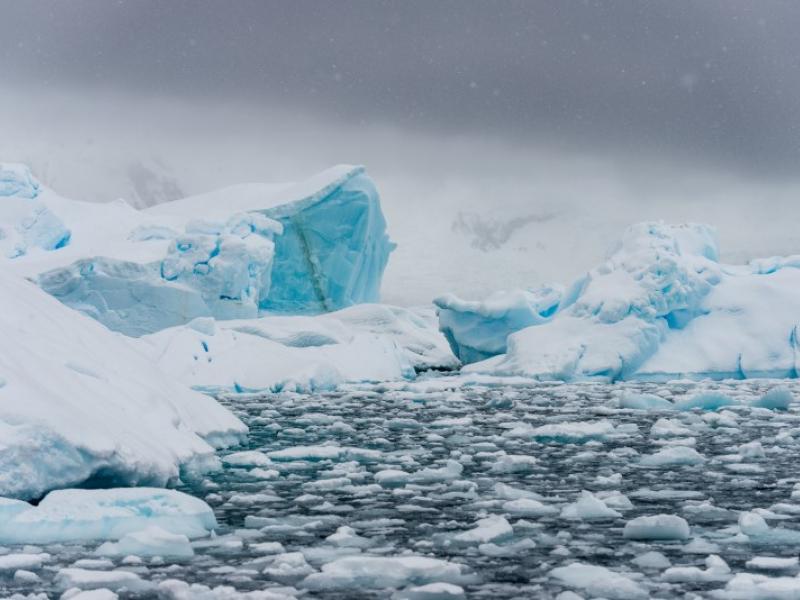
As the planet has warmed during recent history, summer sea ice extent has been decreasing in the Arctic but expanding in the Antarctic at modest but significant rates. This study helps explain why the hemispheres are behaving differently.
A 2011 earthquake and tsunami in Japan that knocked out a nuclear power plant helped inspire PNNL computational scientists looking for clues of future nuclear reactor mishaps by tracking radioactive iodine.
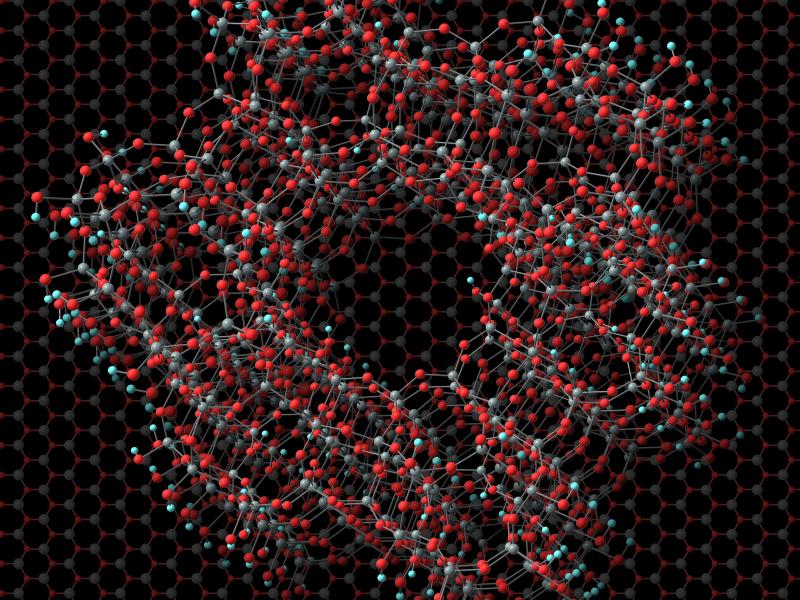
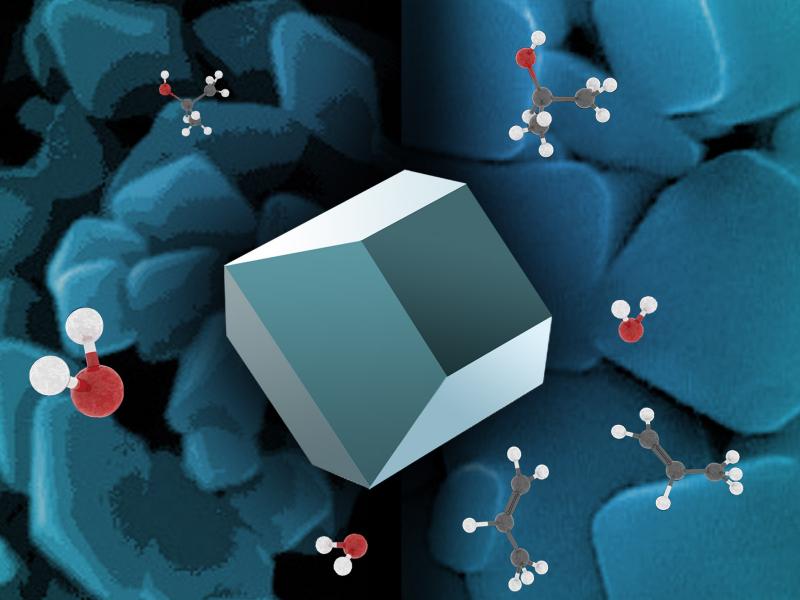
PNNL atomic-scale research shows how certain metal oxide catalysts behave during alkanol dehydration, an important class of oxygen-removal reactions for biomass conversion.
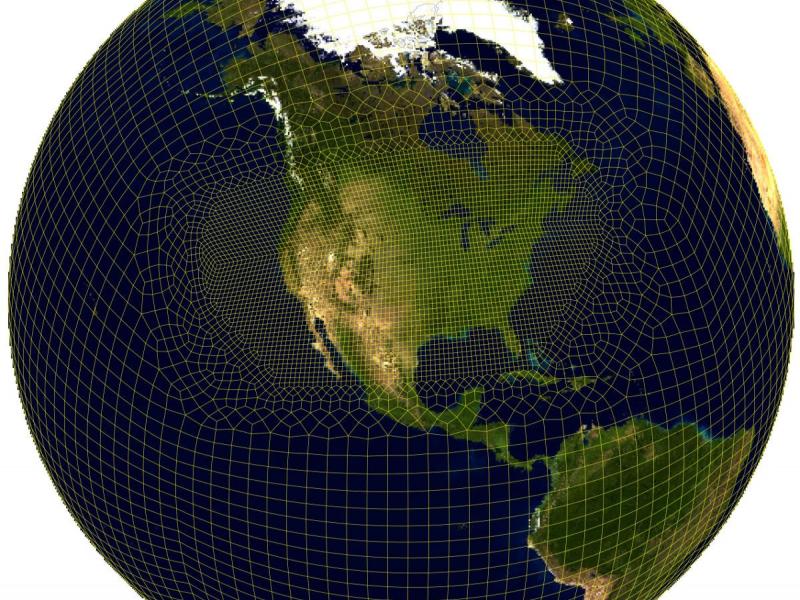
A new version of the E3SM Atmosphere Model (EAM) has been released to the community. This study provides an overview of the model and the science behind it, describing advances made to address E3SM science challenges.
A study led by researchers at PNNL reveals physical mechanisms that link declining Arctic sea ice to increasing winter air stagnation and pollution extremes in China based on Earth system modeling results.
PNNL scientists have created an improved metal-organic framework (MOF) for adsorption cooling, that performs at least 40 percent better than its predecessors.
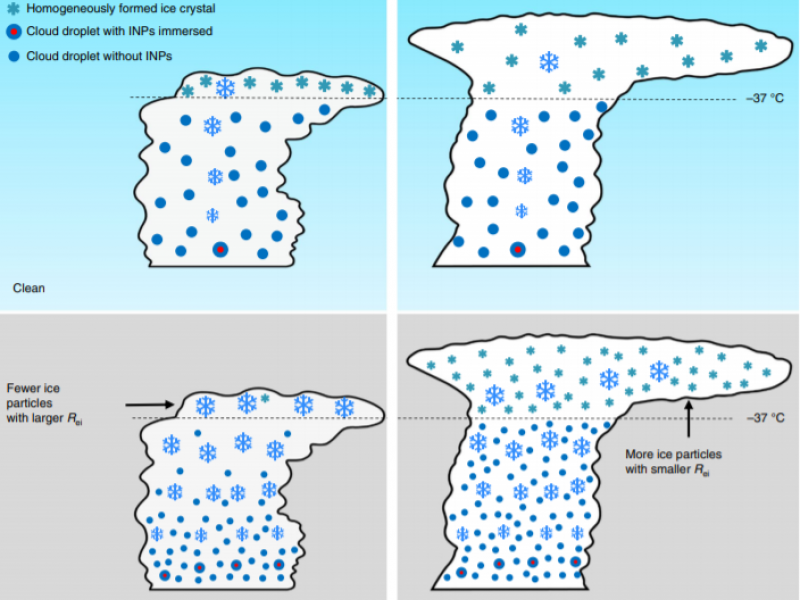
In this study, researchers probed the ice nucleation ability of different aerosol types by combining 11-year observations from multiple satellites and cloud-resolving model simulations.
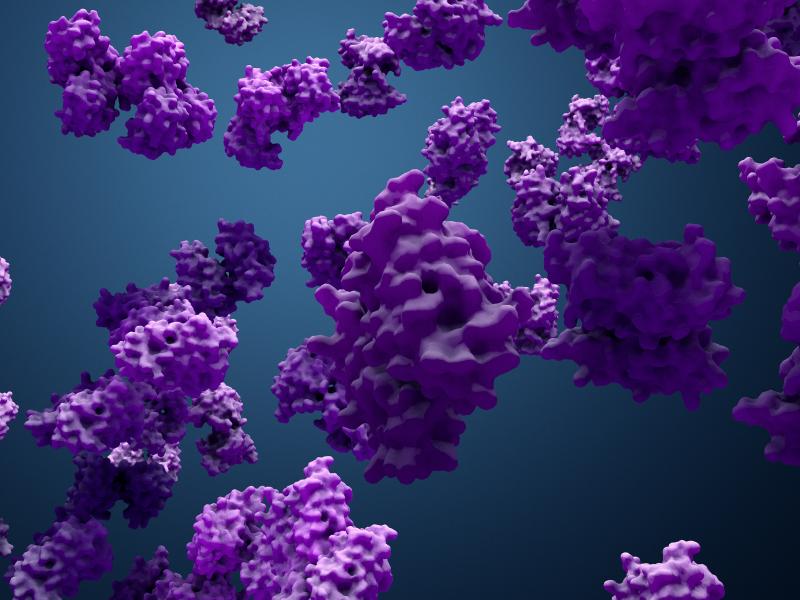
A multi-institution research team found how the protein environment surrounding some enzymes can alter the direction of a cellular reaction, as well as its rate—up to six orders of magnitude—in a phenomenon referred to as catalytic bias.
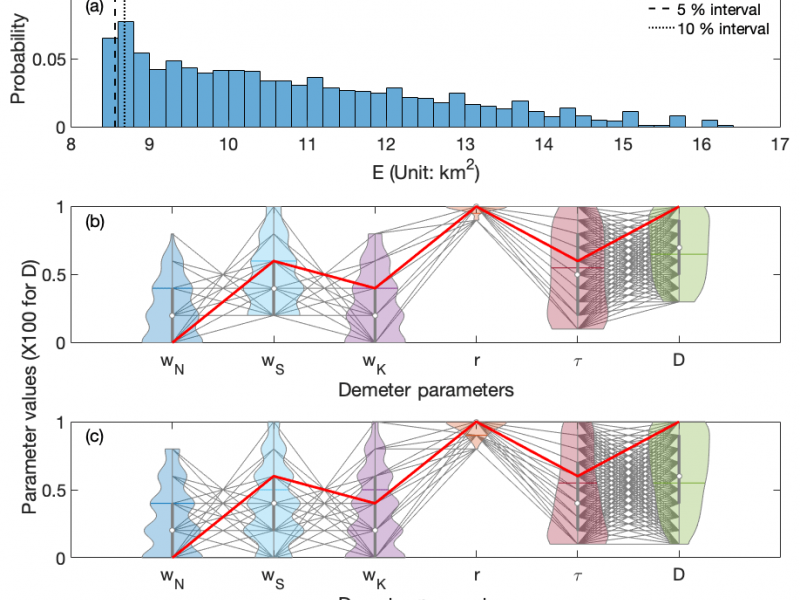
New study provides a key reference for Demeter users and is expected to help reduce uncertainties in downstream hydrologic and Earth system simulations.
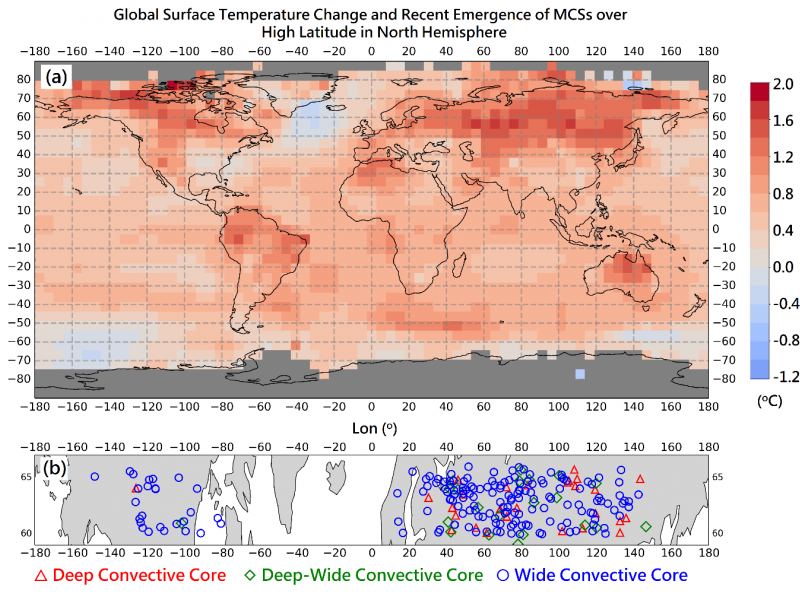
Researchers at PNNL and the University of Washington examined storms seen by the GPM satellite and found that deep convective storms have been occurring surprisingly frequently at high latitudes during the warm seasons of recent years.