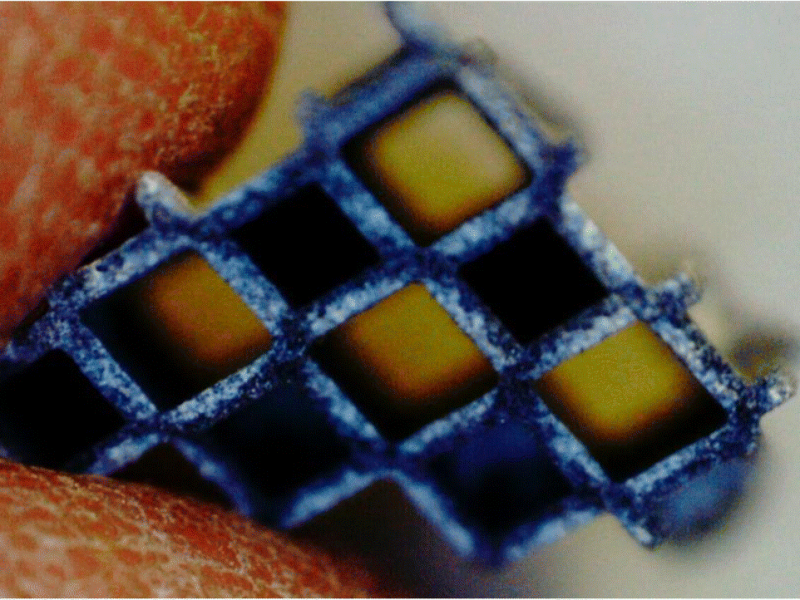
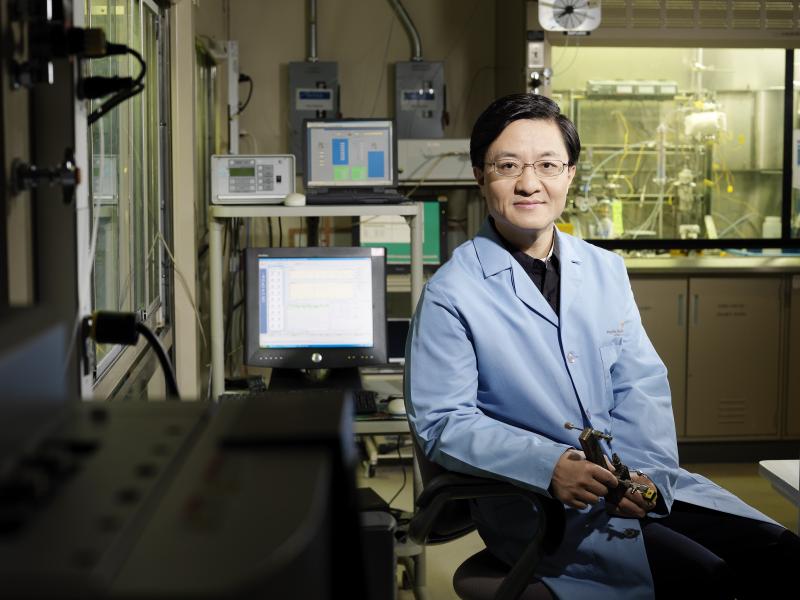
Editors of the journal Emission Control Science and Technology deemed “Coating Distribution in a Commercial SCR Filter” Best Paper in 2018. The authors include PNNL's Mark Stewart, Carl Justin Kamp, Feng Gao, Yilin Wang, and Mark Engelhard.
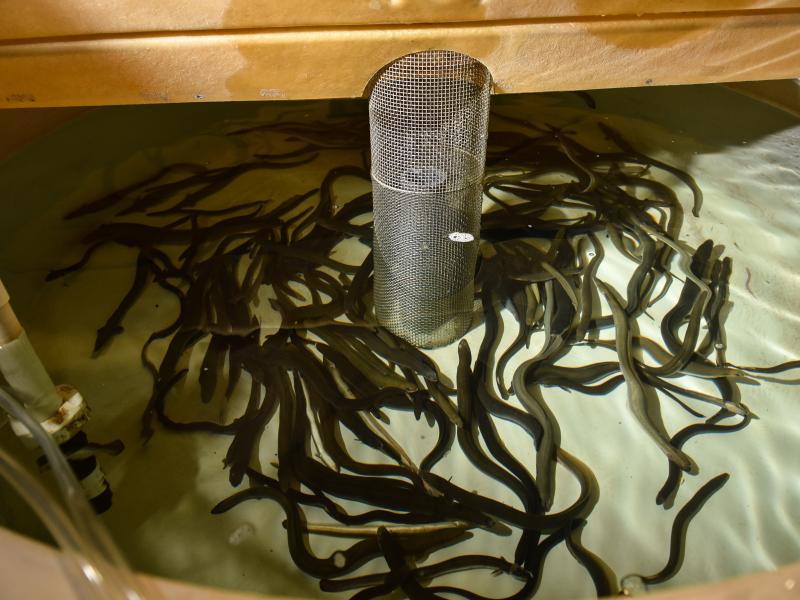
Three PNNL fish researchers recently published a video journal article on how to properly implant miniature acoustic tags in juvenile Pacific lamprey and American eel and how the tags could benefit migration.
A study co-led by PNNL and reviewed in Science investigates how nanomaterials—both ancient and modern—cycle through the Earth’s air, water, and land, and calls for a better understanding of how they affect the environment and human health.
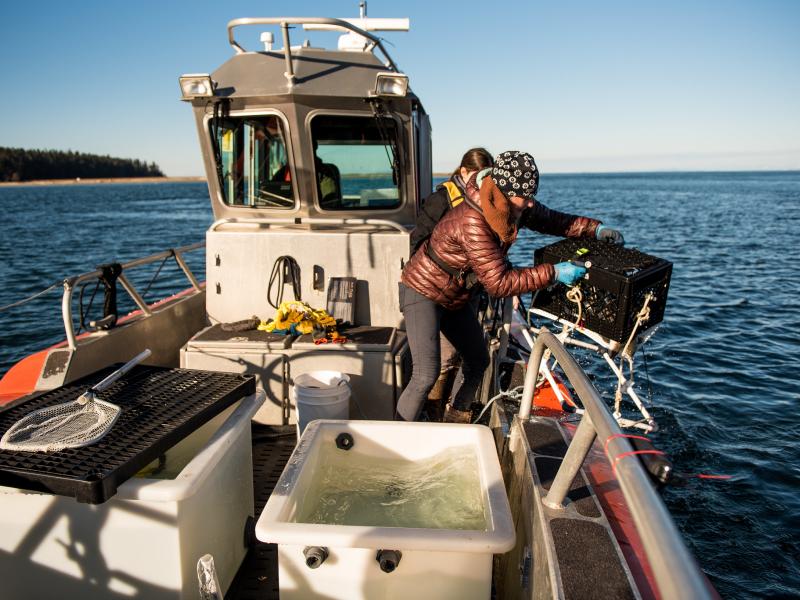
Like its namesake, Triton, a Greek god dubbed the herald of the sea, the Triton Initiative aims to deliver messages from the ocean about marine energy and how it affects nearby marine animals.
Patricia Huestis, a collaborator in the Interfacial Dynamics in Radioactive Environments and Materials (IDREAM) Energy Frontier Research Center, has been awarded the DOE Office of Science Graduate Student Research (SCGSR) award.
Frannie Smith, a chemist specializing in nuclear waste management and disposal, was recognized as a "Notable Woman in STEM" for 2019 by the nonprofit Washington STEM program.
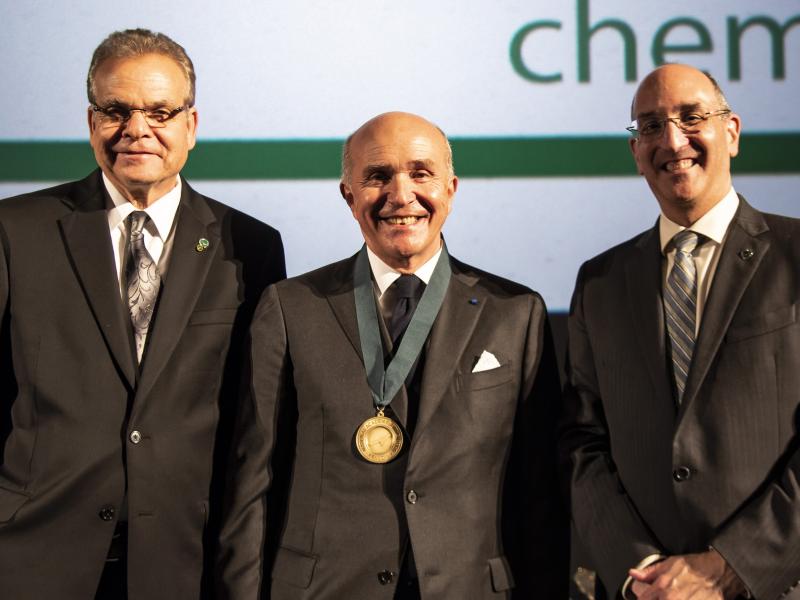
PNNL’s Johannes Lercher was one of 148 researchers recognized at the annual conference of the National Academy of Inventors, held April 10-11, 2019 in Houston, Texas. Lercher recently achieved NAI fellow status, a highly selective honor.
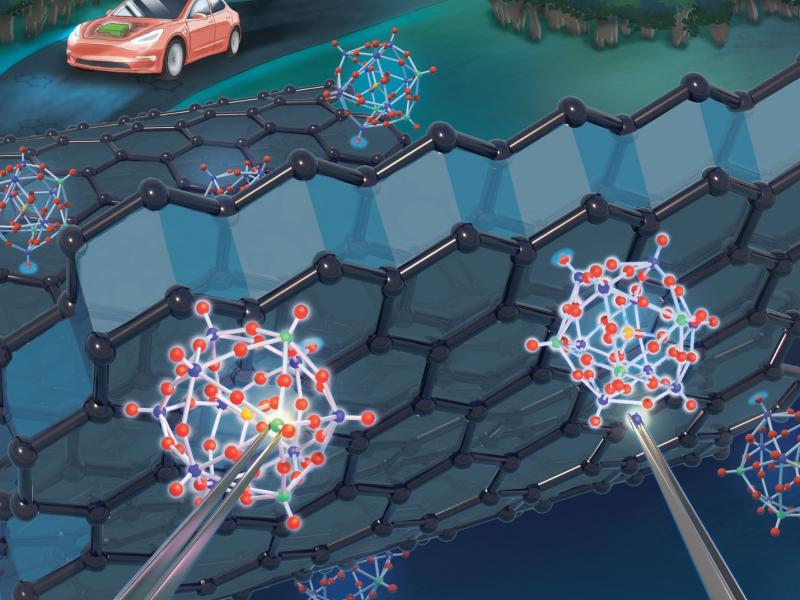
Researchers at PNNL and their collaborators have made a significant improvement to a catalyst that is more rugged and can reduce tailpipe pollution at lower temperatures than existing methods.
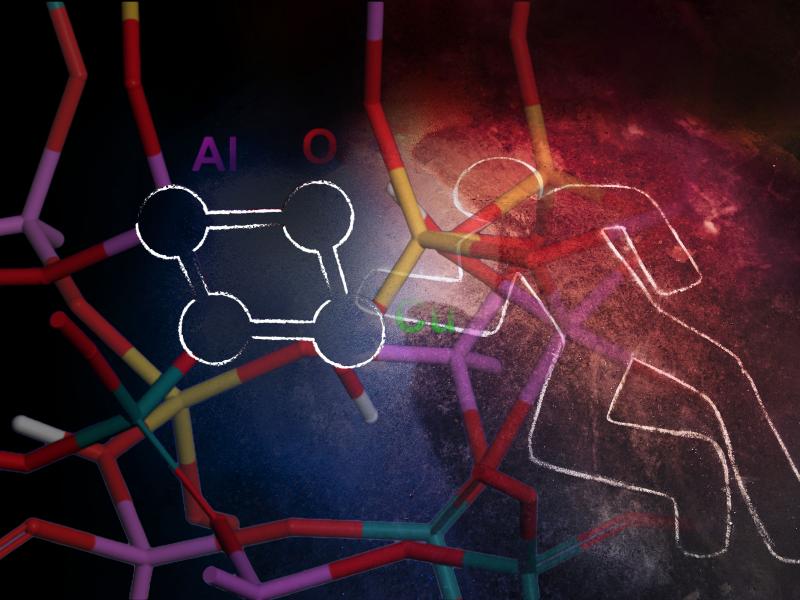
Several years ago, a relatively new catalyst for vehicle emission control began showing failure. A team at PNNL found that this seemingly suicidal catalyst wasn’t actually self-destructing but was the victim of an external assailant.
Scientists created a fast-track tutorial that equips a neural network to tackle drug discovery and other applications where there's a shortage of precisely labeled chemical data.
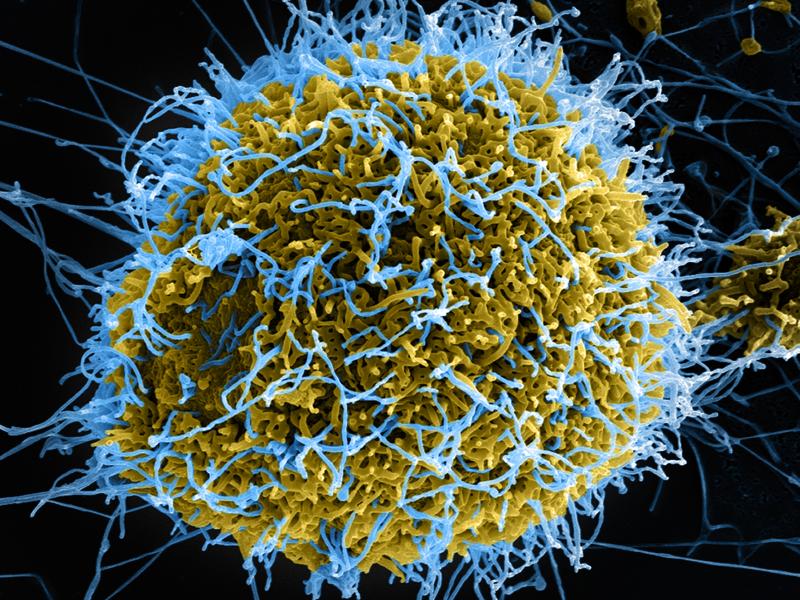
A detailed analysis of blood samples from Ebola patients in Sierra Leone is providing clues about the progression of the effects of the virus and potential treatment pathways. The findings point to a critical role for a molecular pathway.
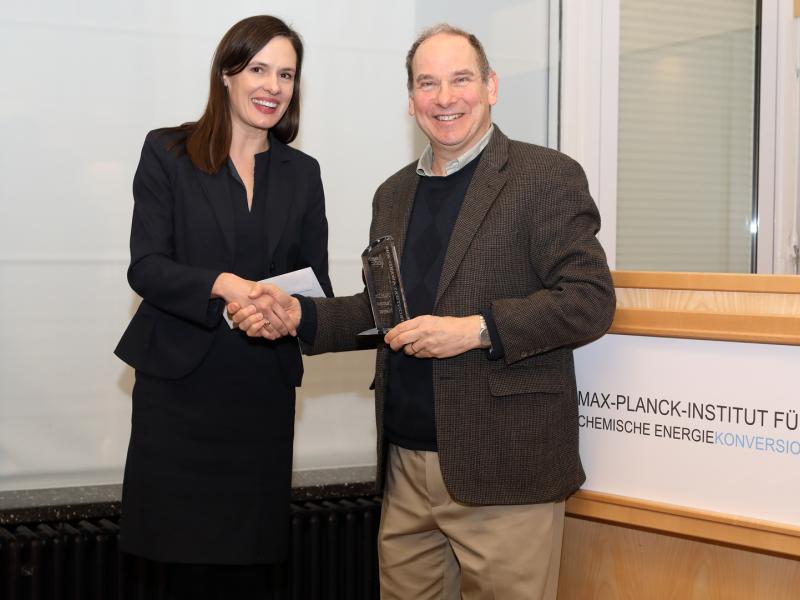
Center for Molecular Electrocatalysis thrust lead for heterogeneous interfaces, Dr. James “Jim” Mayer, was recently honored with the Frontiers Award by the Max Planck Institute for Chemical Energy Conversion.
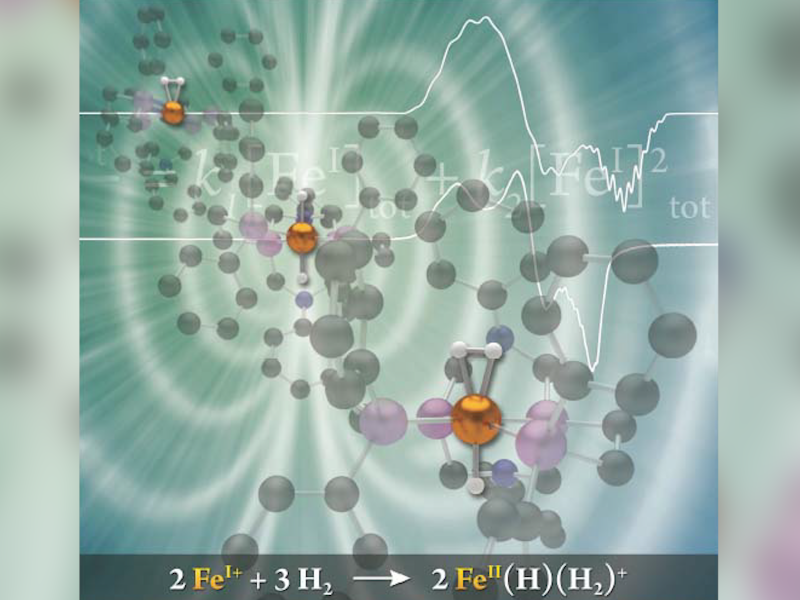
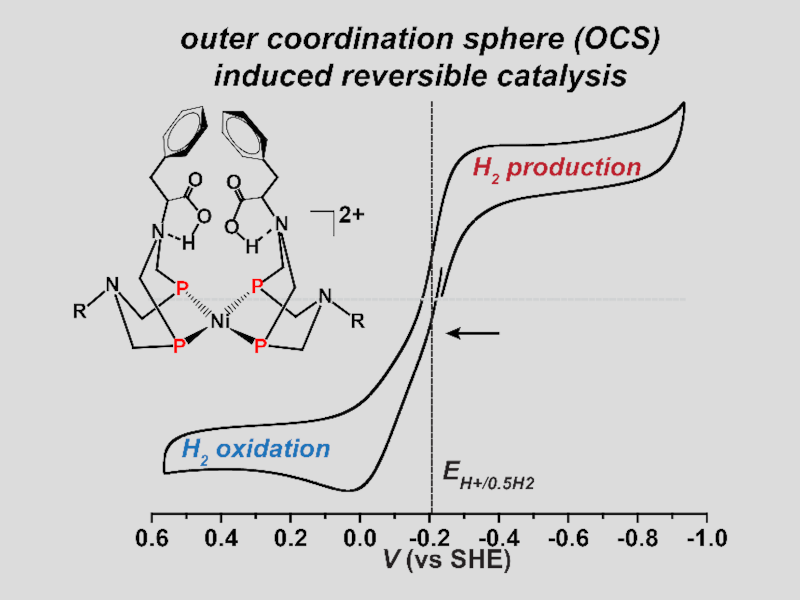
Scientists at PNNL's Center for Molecular Electrocatalysis (CME) are working to understand the fundamental reactivity of H2 that could contribute to making hydrogen a more widely used fuel source.
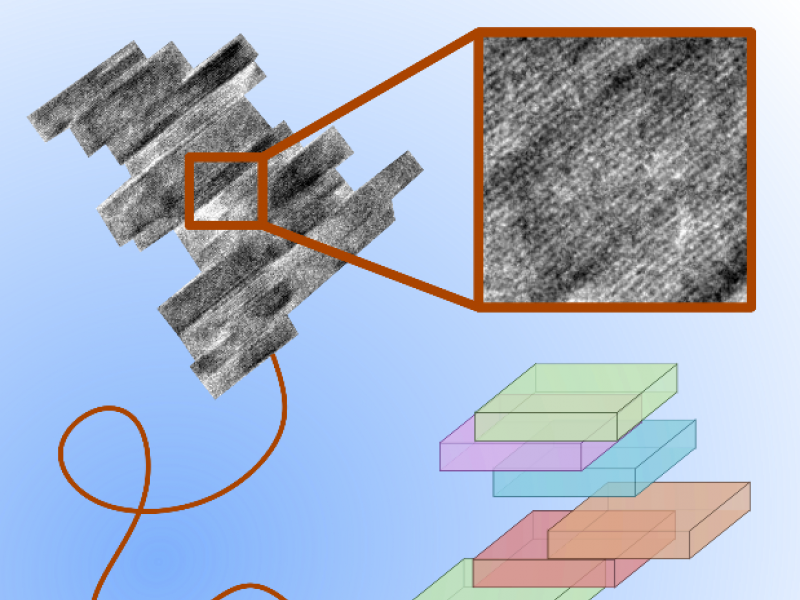
Aluminum oxyhydroxide (boehmite) nanoplatelets align and attach to form neatly ordered stacks, a novel findings that involves both experimental and computational research.