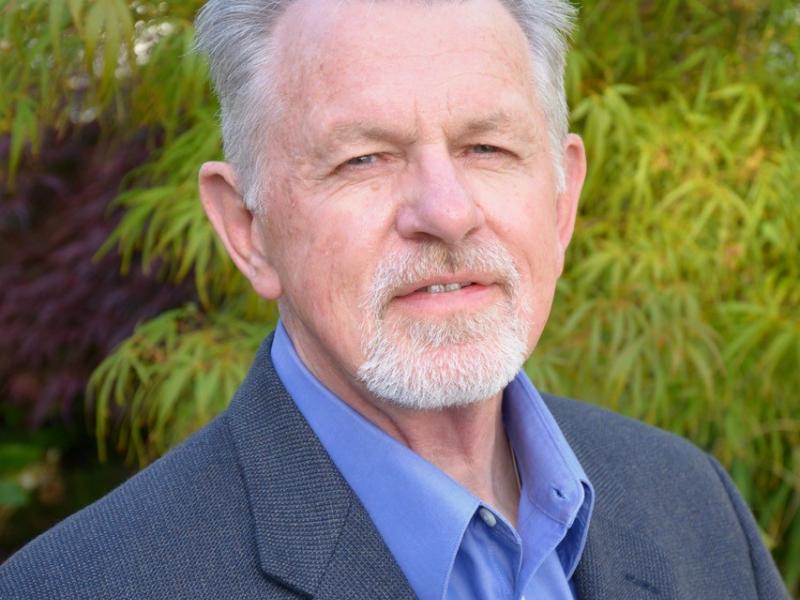
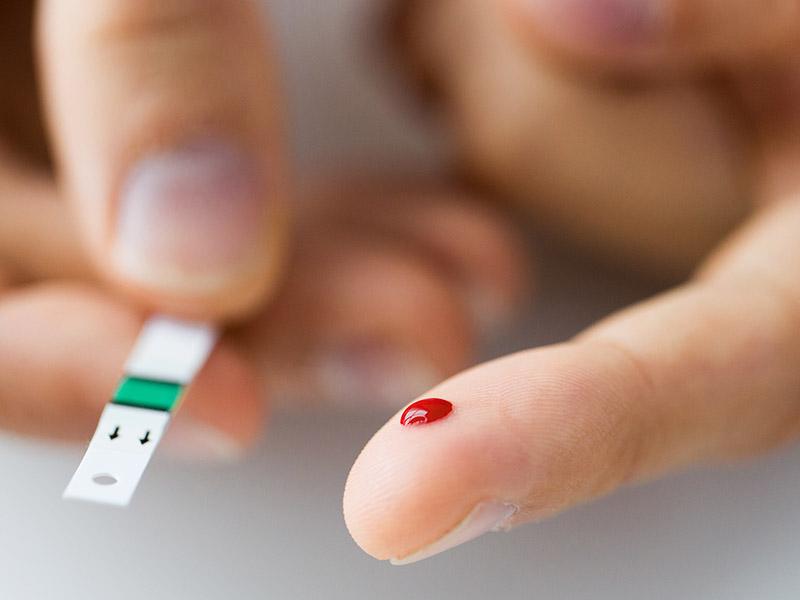
Bill Cannon, senior scientist and biophysicist in the Computational Mathematics Group, was a co-author of a recent article published in Nature Partner Journals-Digital Medicine.
Kevin Rosso, the associate director for geochemistry in PNNL’s Physical Sciences Division, has been selected to receive the 2020 Science Innovation Award from the European Association of Geochemistry.
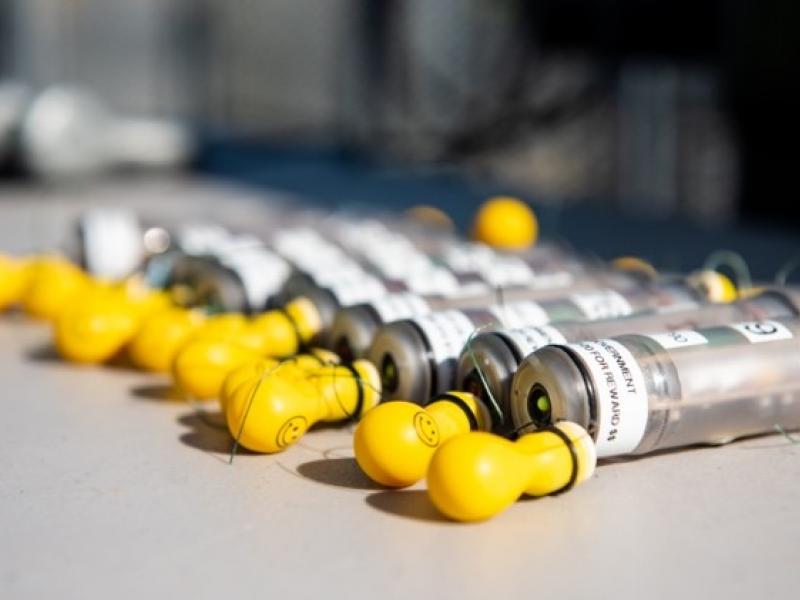
PNNL's Sensor Fish were deployed at Ice Harbor Dam to collect data from a new turbine. The data indicates the design changes are making travel through the dam less arduous for fish.
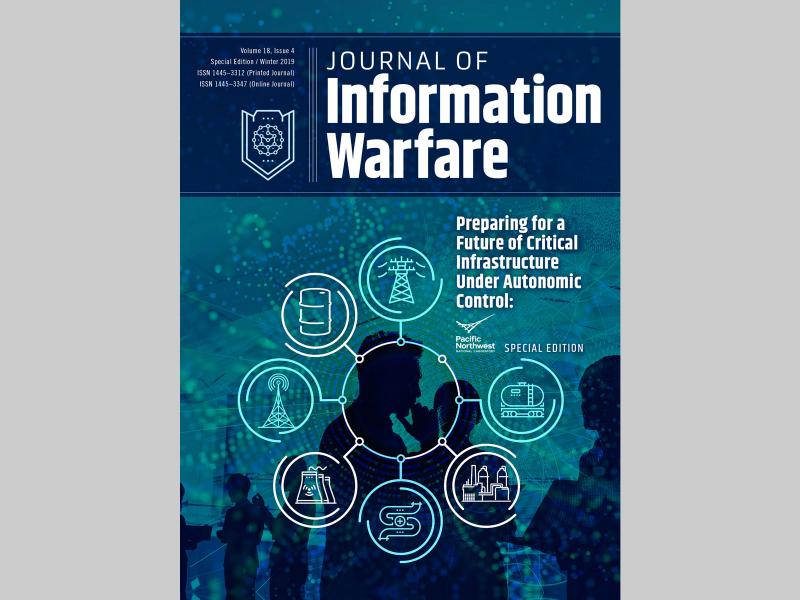
In a special edition of the Journal of Information Warfare, Pacific Northwest National Laboratory researchers explore the revolution of technologies defending the nation’s critical infrastructure.
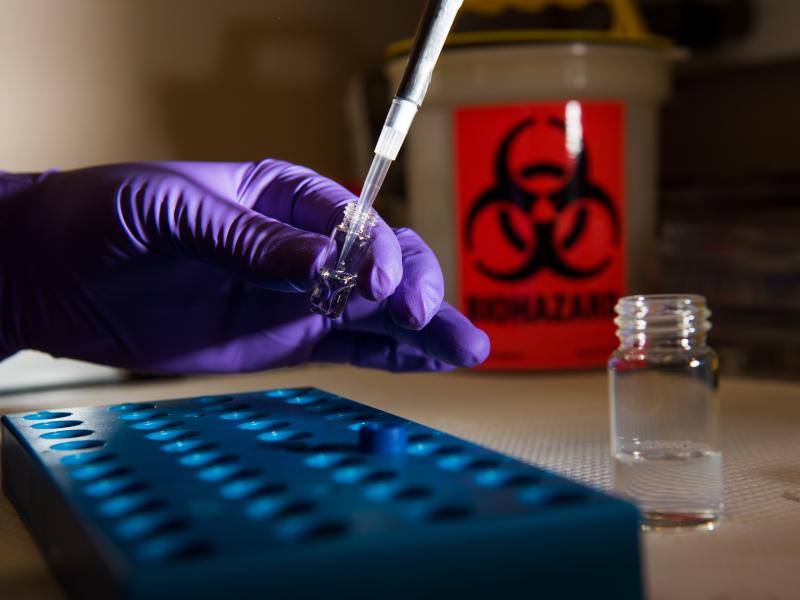
A new book by PNNL biochemist Erick Merkley details forensic proteomics, a technique that directly analyzes proteins in unknown samples, in pursuit of making proteomics a widespread forensic method when DNA is missing or ambiguous.
PNNL Emeritus Scientist Ronald Thom received the 2019 Environmental Leadership Award at the Northwest Straits Marine Conservation Initiative Conference.
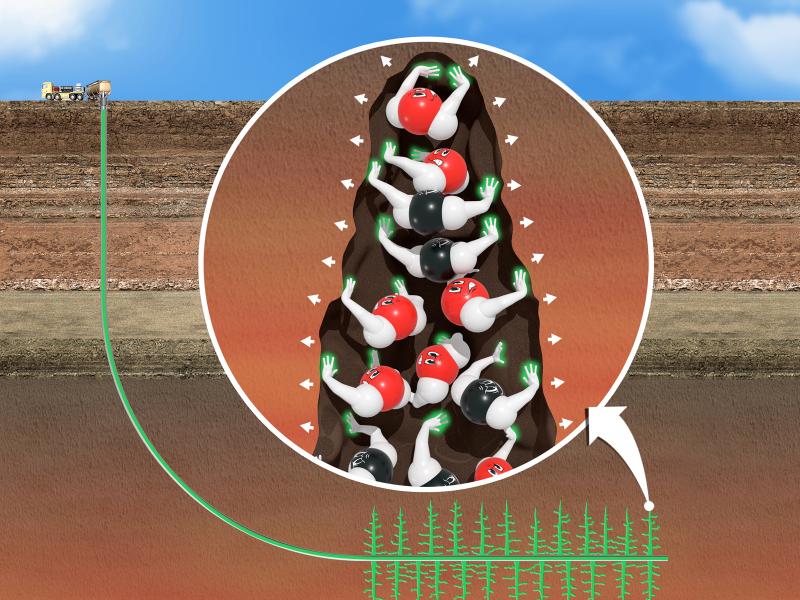
Researchers have identified two processes responsible for fracturing rock at lower pressures for geothermal energy production using PNNL’s fracturing fluid, StimuFrac™.
PNNL’s Corinne Drennan has been selected to serve a term on the Washington Department of Ecology’s advisory board for the new Recycling Development Center.
The world’s largest scientific society honored Sue B. Clark, a PNNL and WSU chemist, for contributions toward resolving our legacy of radioactive waste, advancing nuclear safeguards, and developing landmark nuclear research capabilities.
While it’s one small step forward for mouse research, it’s a big step forward for understanding proteins, the molecular workhorses in biological organisms.
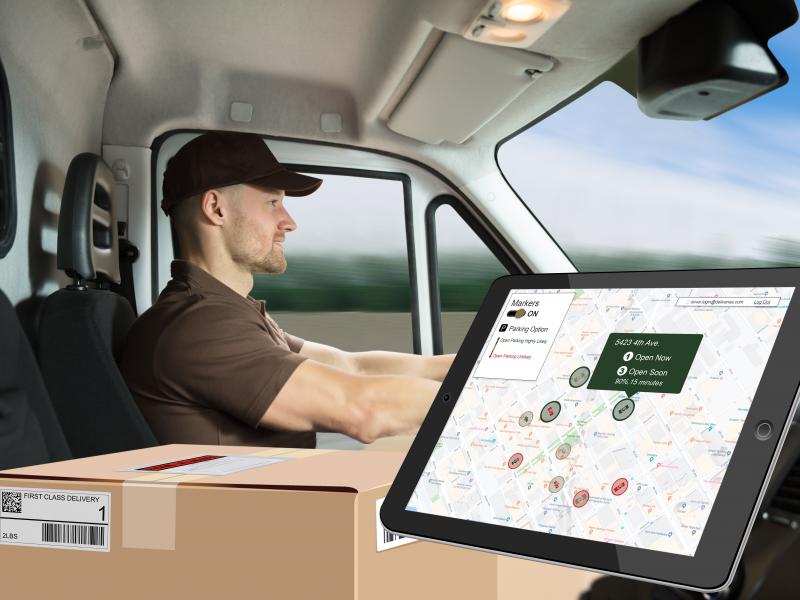
Researchers at PNNL are contributing artificial intelligence, machine learning, and app development expertise to a U of W project that will ease challenges with urban freight delivery. The project will provide delivery drivers with a tool
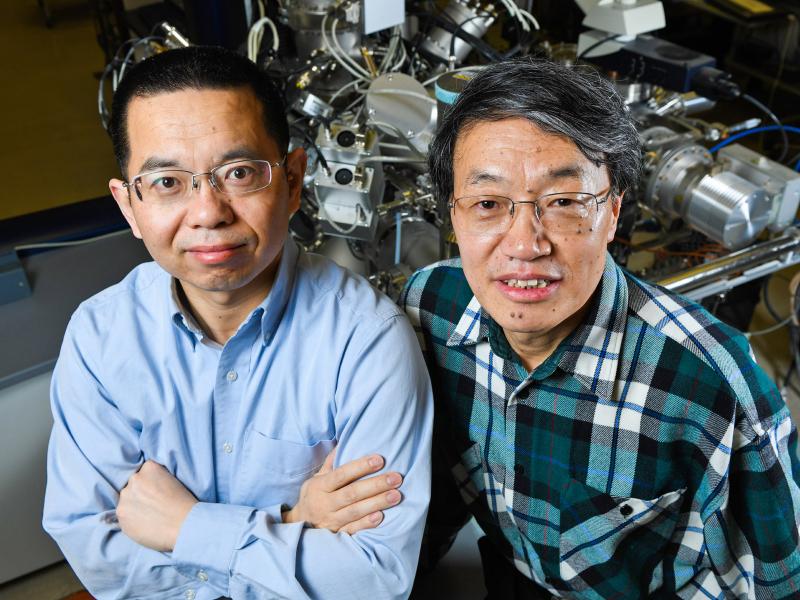
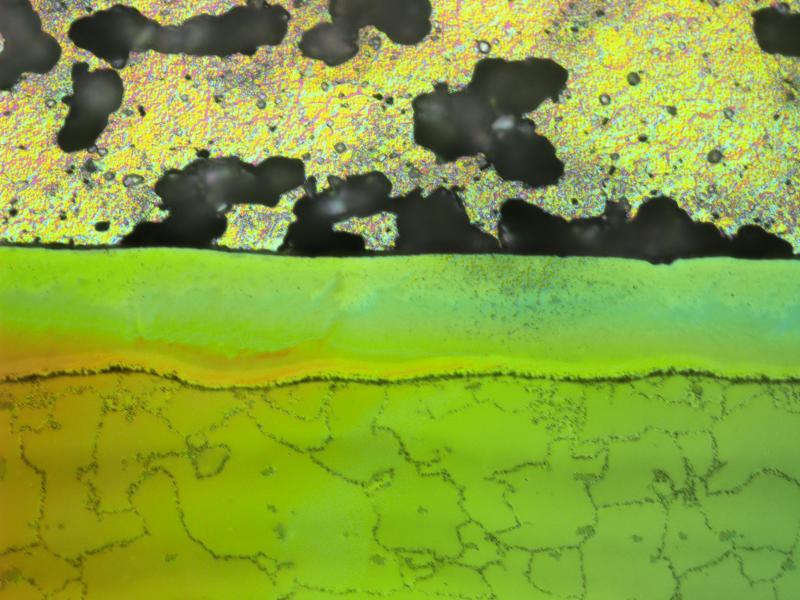
PNNL researchers demonstrated a nanoscale analysis tool to map isotopes to location in low-enriched uranium-molybdenum fuel plates for use in nuclear research reactors.
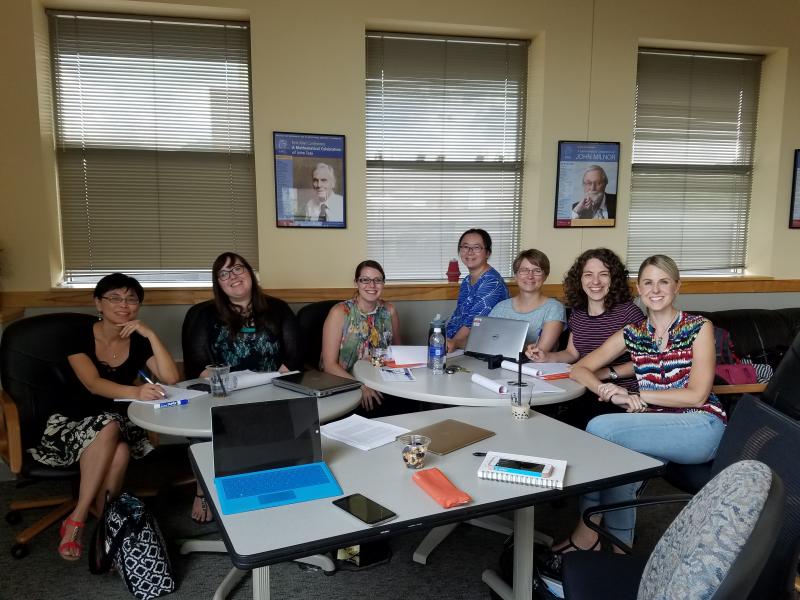
A group of female mathematicians and computer scientists, which includes PNNL’s Emilie Purvine, has published its third paper on joint research to understand and accurately represent object relationships through metric graphs.