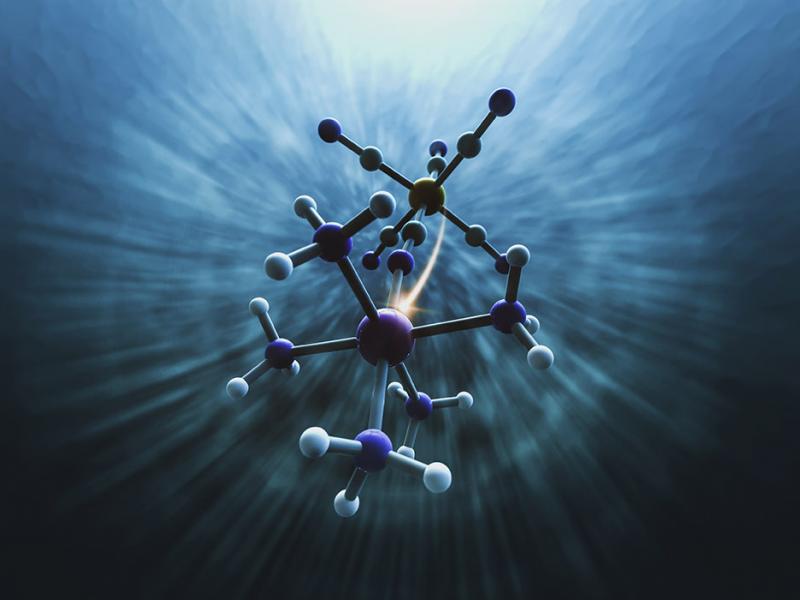
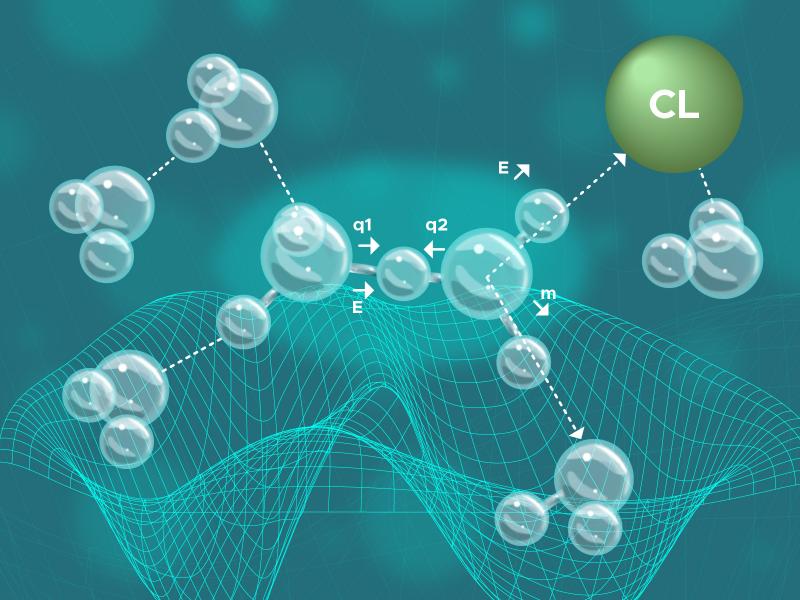
By combining state-of-the-art computational and experimental approaches, researchers have begun to resolve the effects of solvent molecules on electron transfer.
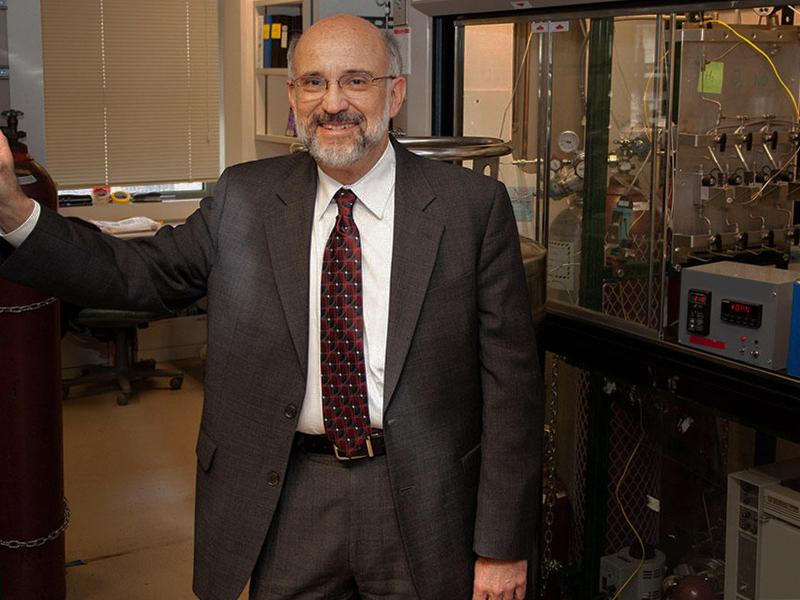
As he prepares to enter PNNL's Energy Sciences Center later this year, Vijayakumar 'Vijay' Murugesan is among DOE leaders exploring solutions to design and build transformative materials for batteries of the future.
New 140,000-square-foot facility will advance fundamental chemistry and materials science for higher-performing, cost-effective catalysts and batteries, and other energy efficiency technologies.
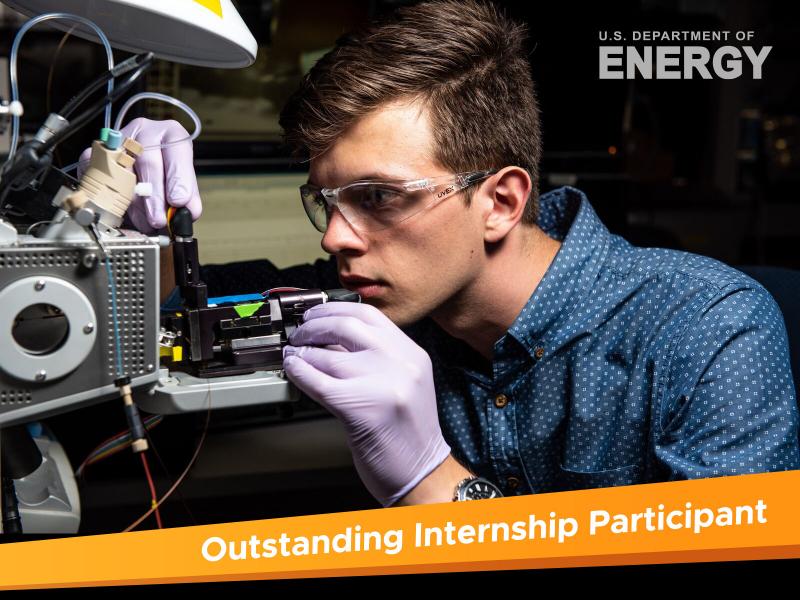
Former PNNL intern Michael Hewitt was recognized by DOE as an Outstanding Intern for the research he performed alongside PNNL physical chemist Dr. Grant Johnson.
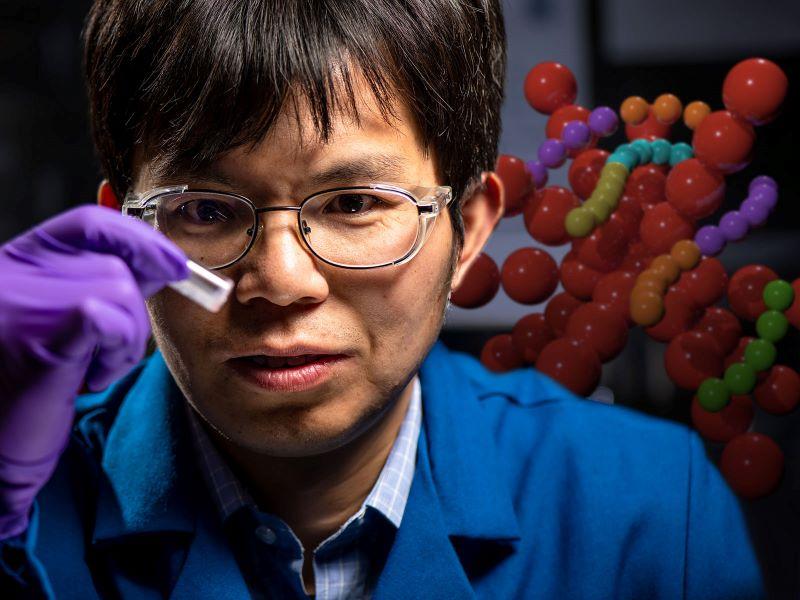
A new review paper led by senior research scientist Chun-Long Chen and featured on the cover of Accounts of Chemical Research summarizes advances by PNNL scientists in developing sequence-defined peptoids.
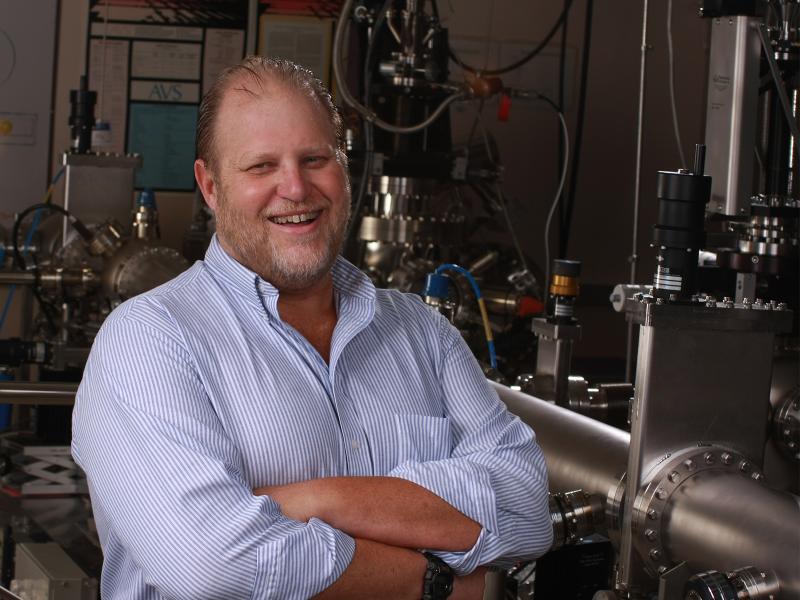
Beginning in 2021, PNNL chemical physicist Bruce Kay begins a three-year term as an AVS trustee, part of a six-member committee responsible for overseeing the administration of student scholarships and major society awards.
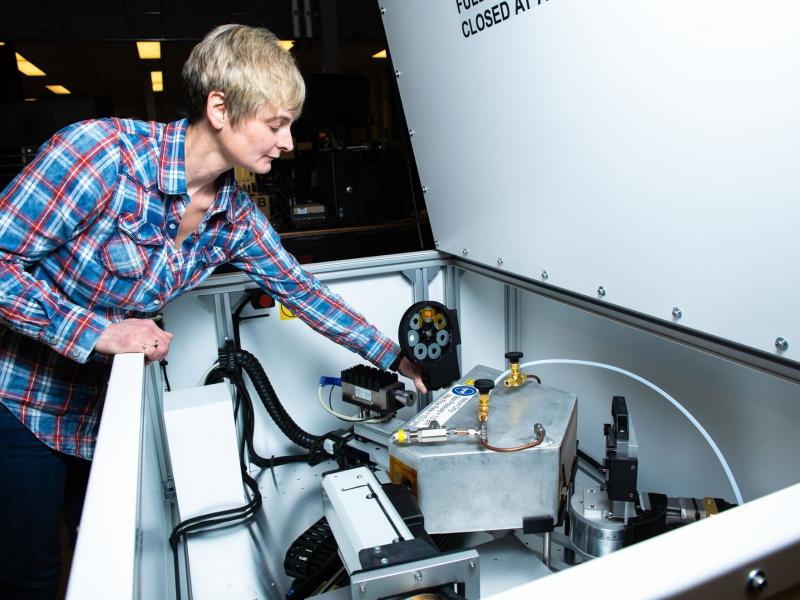
PNNL has three small-scale spectroscopy devices that are speeding up the testing and analysis of candidate novel materials used in energy storage research and environmental remediation.
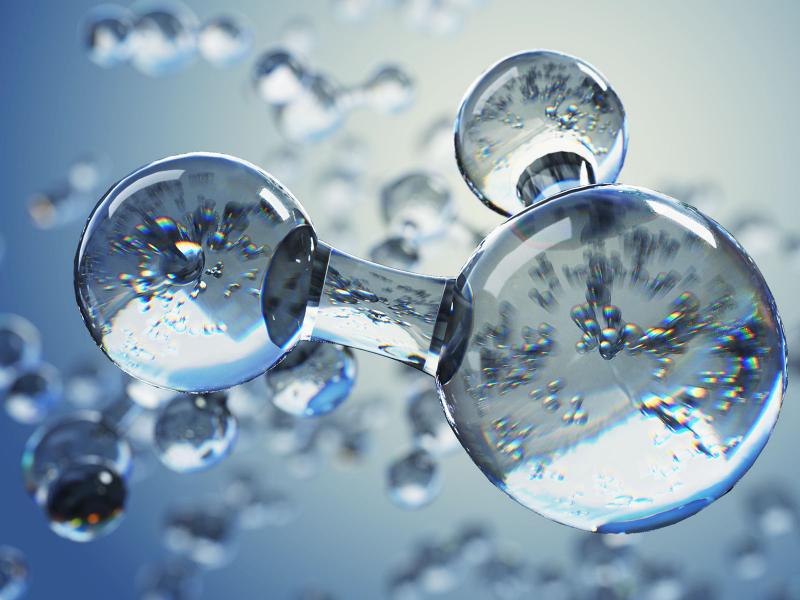
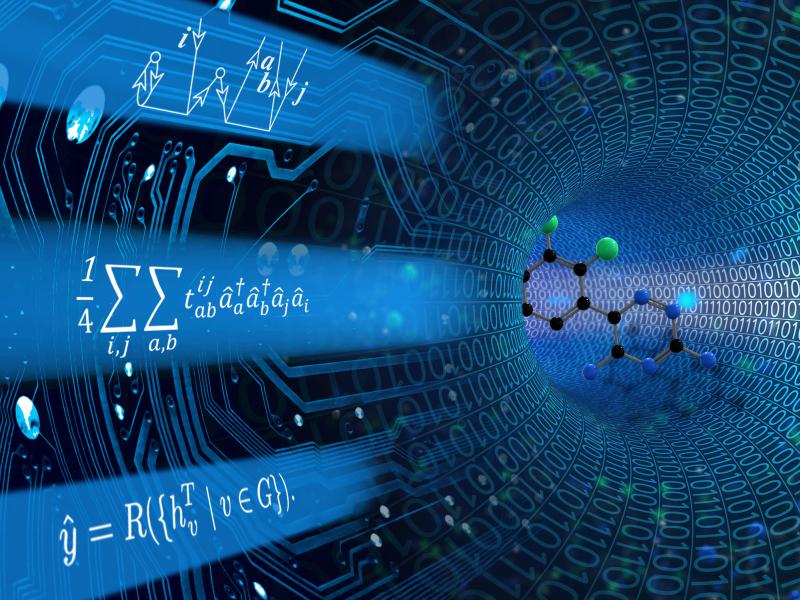
Pacific Northwest National Laboratory researchers used machine learning to explore the largest water clusters database, identifying—with the most accurate neural network—important information about this life-essential molecule.
First-ever measurements provide evidence that supercooled water exists in two distinct structures that co-exist and vary in proportion dependent on temperature.
Twelve energy-related technologies developed at PNNL have been selected for additional technology maturation funding to help move them from the laboratory and field tests to the marketplace.
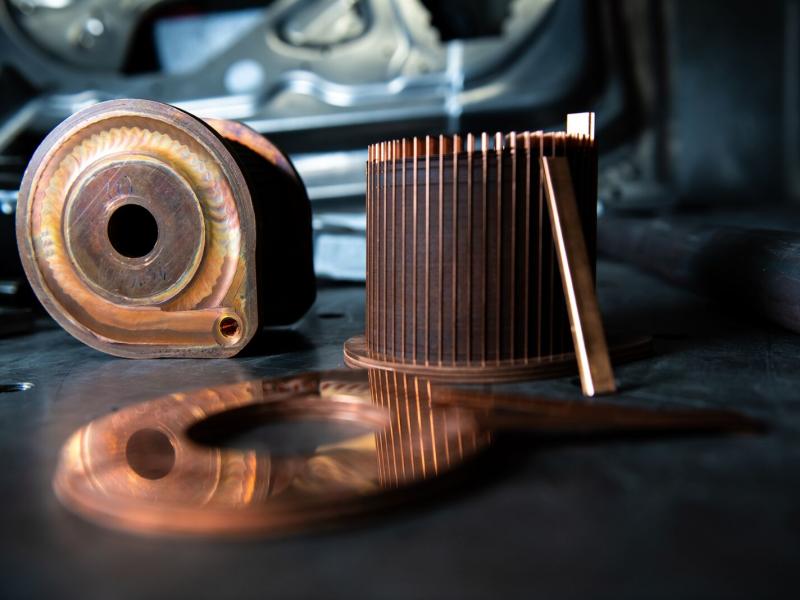
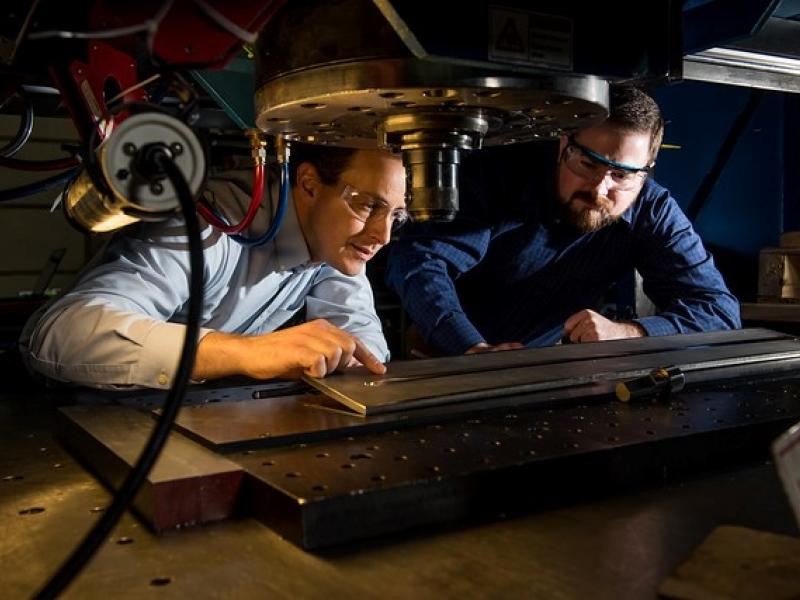
Superman may be known as the "Man of Steel," but scientific superheroes at the Department of Energy's Pacific Northwest National Laboratory are developing a novel approach for manufacturing metals with superior strength.
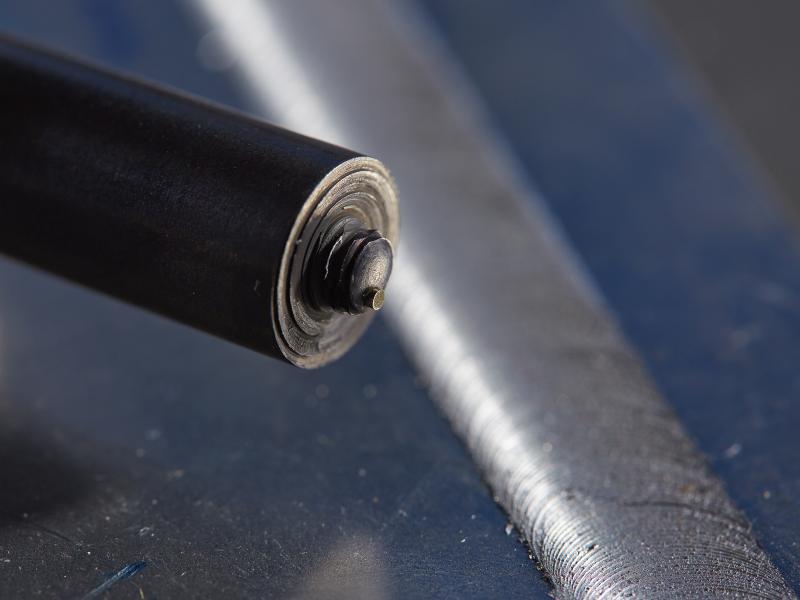
A PNNL study that evaluated the use of friction stir technology on stainless steel has shown that the steel resists erosion more than three times that of its unprocessed counterpart.