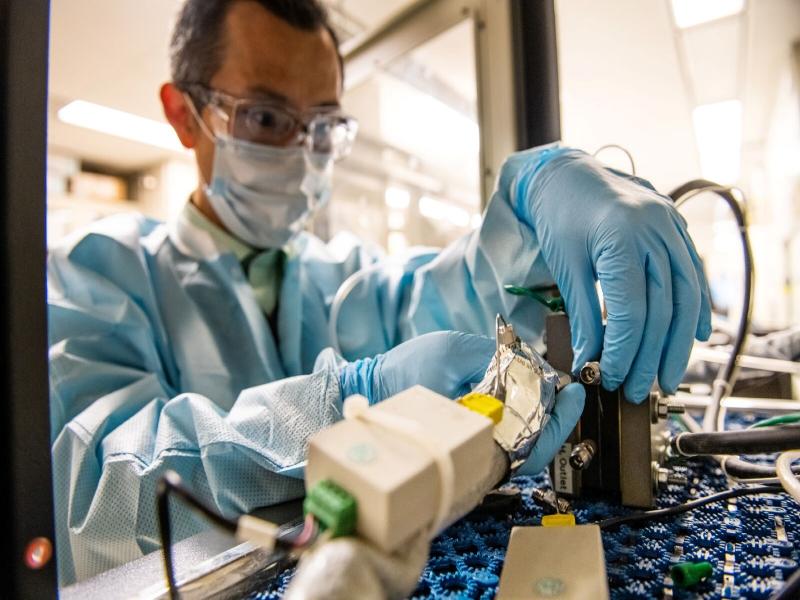
PNNL led a multi-institutional effort to design a highly active and more durable catalyst made from cobalt, which sets the foundation for fuel cells to power transportation, stationary and backup power, and more.
Beginning in 2021, PNNL chemical physicist Bruce Kay begins a three-year term as an AVS trustee, part of a six-member committee responsible for overseeing the administration of student scholarships and major society awards.
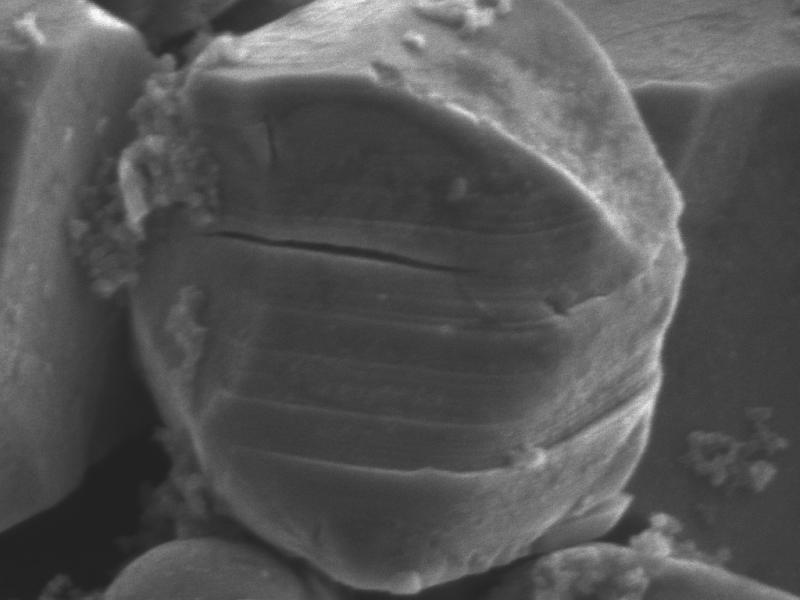
Scientists have created a single-crystal, nickel-rich cathode that is hardier and more efficient than before—important progress on the road to better lithium-ion batteries for electric vehicles.
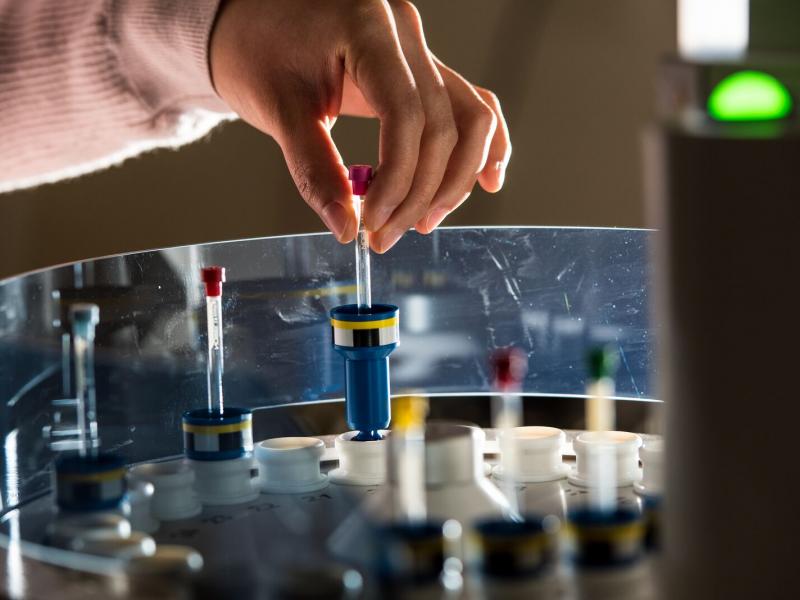
As COVID-19 was limiting in-person contact, halting travel, and creating additional barriers, researchers at PNNL were working to find solutions on how they could still get work done while establishing new safety protocols.
Clarivate Analytics recently unveiled its 2020 list of Highly Cited Researchers. The list named 17 PNNL scientists for their influential and oft-referenced work.
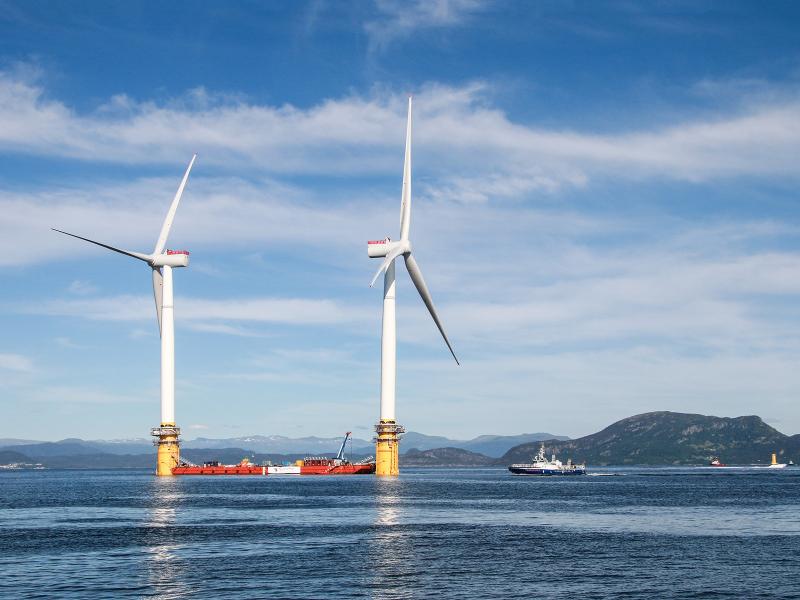
PNNL researchers say that offshore wind energy can add value to the electric grid, beyond just the power it can produce, if locations and strategies are optimized.
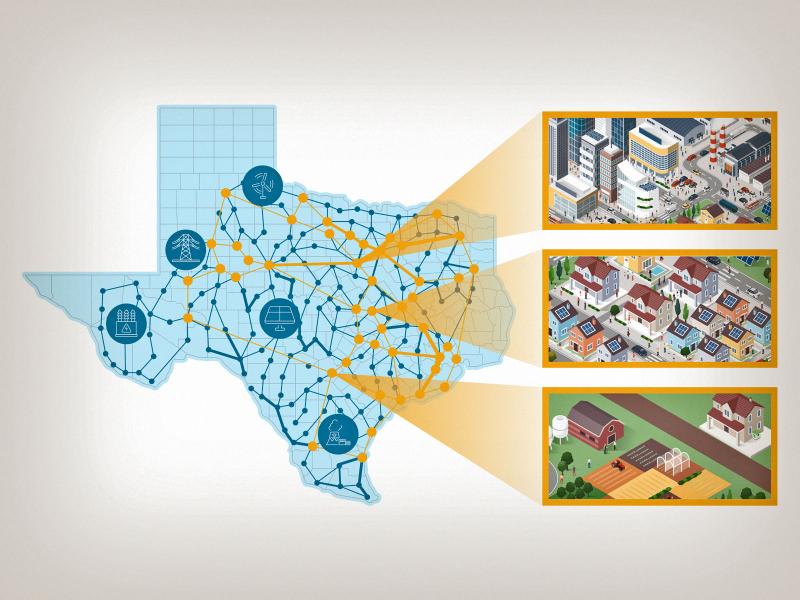
PNNL’s longstanding grid and buildings capabilities are driving two projects that test transactive energy concepts on a grand scale and lay the groundwork for a more efficient U.S. energy system.
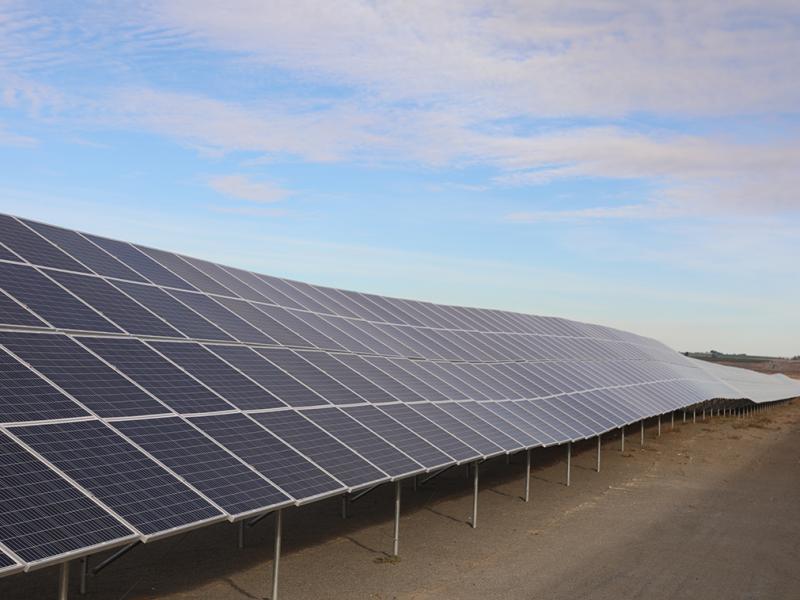
PNNL is one of the collaborating partners on a new grid-scale solar and energy storage installation near the PNNL campus in a project led by Energy Northwest.
Sharon Hammes-Schiffer, deputy director of the Center for Molecular Electrocatalysis (CME), has received awards from both the Royal Society of Chemistry and the American Chemical Society.
The American Society for Quality (ASQ) has recognized Laboratory Fellow and Pacific Northwest National Laboratory (PNNL) Statistician Greg Piepel with the William G. Hunter Award.
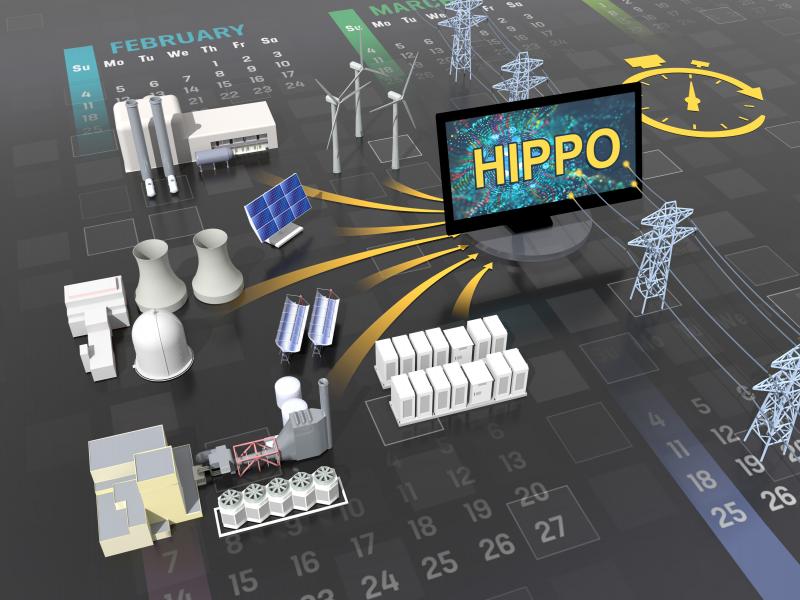
Making sure there’s enough electricity at the lowest price is a critical endeavor undertaken daily by electricity market operators. Now, there’s an approach that provides more timely and accurate information to make day-ahead decisions.
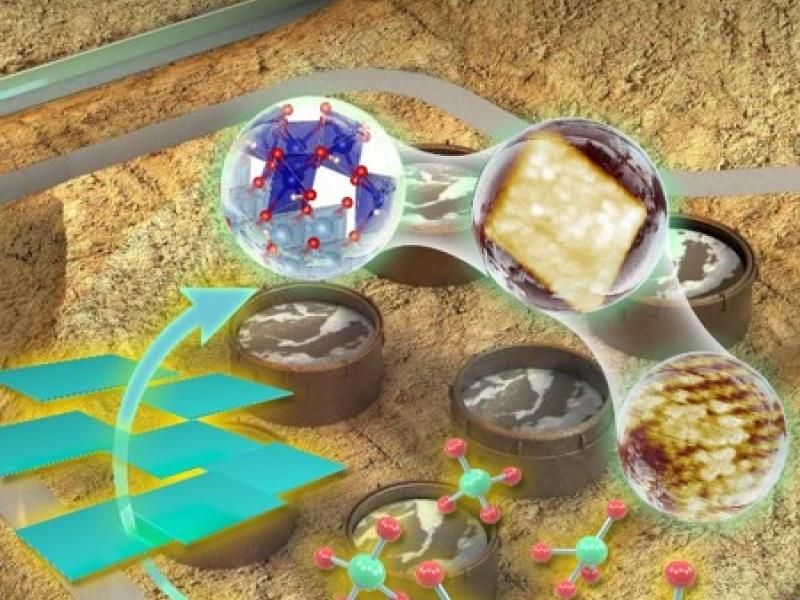
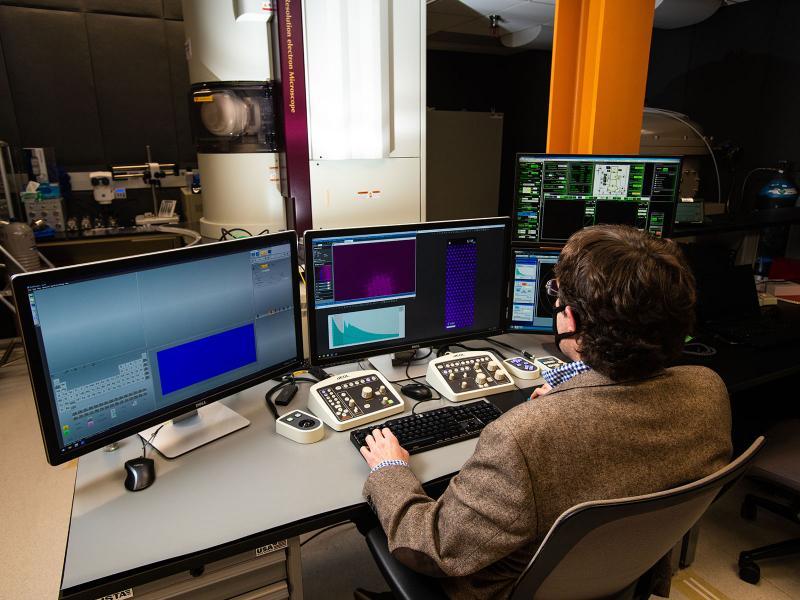
An international team used PNNL microscopy to answer questions about how uranium dioxide—used in nuclear power plants—might behave in long-term storage.
A new PNNL report says the western U.S. power system can handle large-scale vehicle electrification up to 24 million vehicles through 2028, but more than that and cities could start feeling the squeeze.