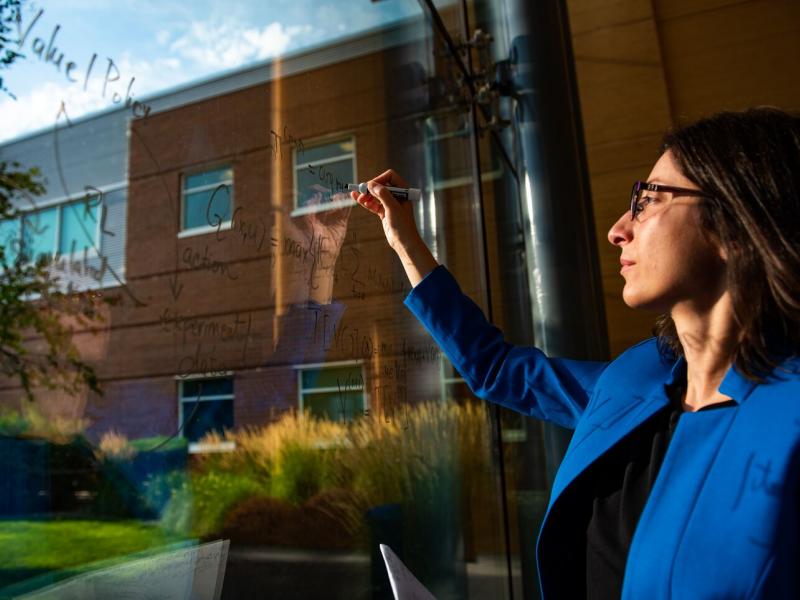
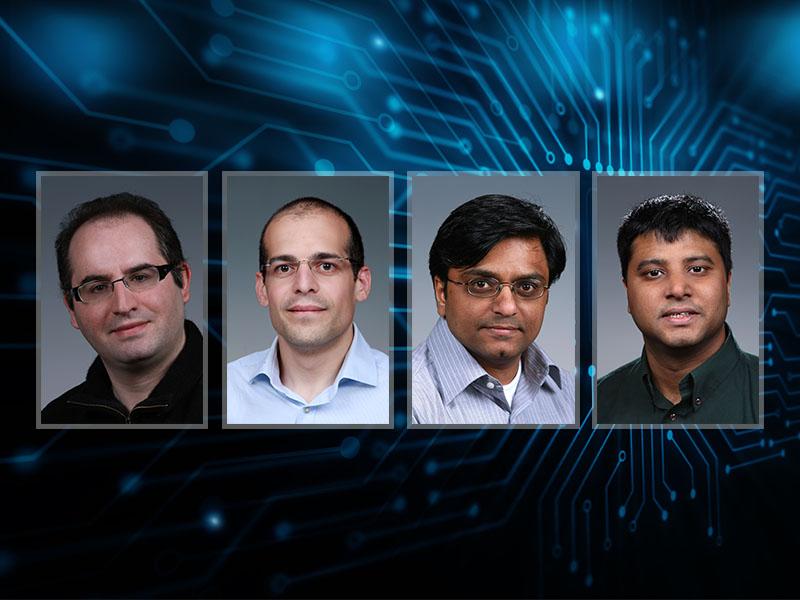
PNNL data scientists Henry Kvinge and Ted Fujimoto presented their research on few-shot learning and reinforcement learning, respectively, at workshops during the 2021 AAAI Conference on Artificial Intelligence.
The partnership to apply artificial intelligence to improve complex systems is part of a U.S. Department of Energy Office of Science $4.2 million, three-year grant.
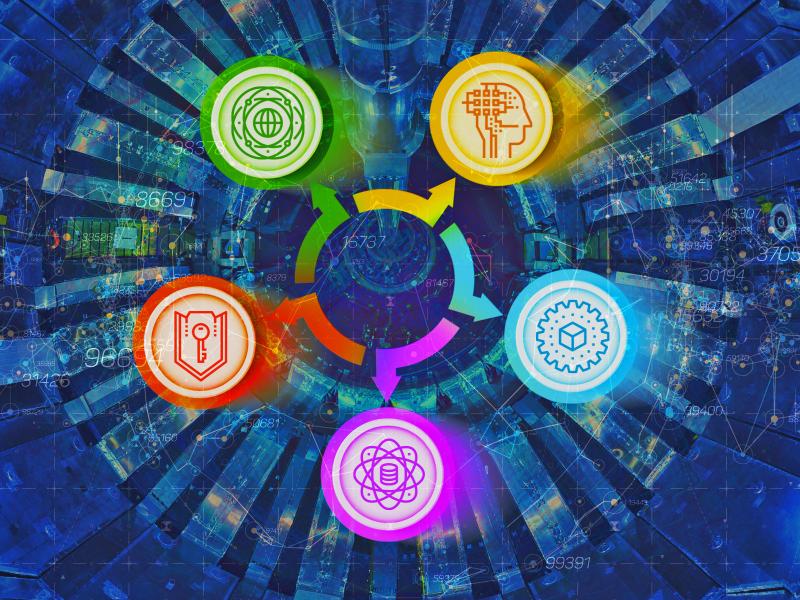
PNNL scientists joined international leaders in artificial intelligence research to discuss the latest advances, opportunities, and challenges for neural information processing—the foundation for AI.
Red teaming for CPS, the process of challenging systems, involves a group of cybersecurity experts to emulate end-to-end cyberattacks following a set of realistic tactics, techniques, and procedures.
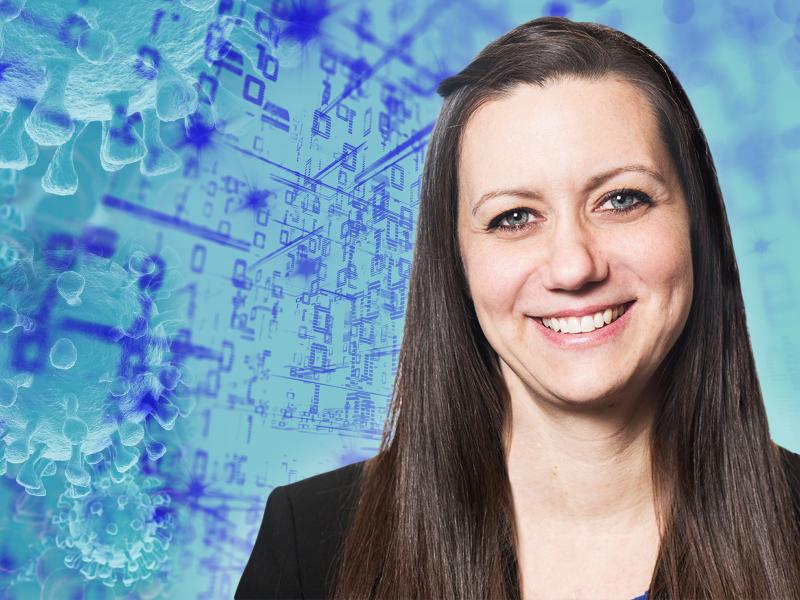
PNNL computational biologists, structural biologists, and analytical chemists are using their expertise to safely accelerate the design step of the COVID-19 drug discovery process.
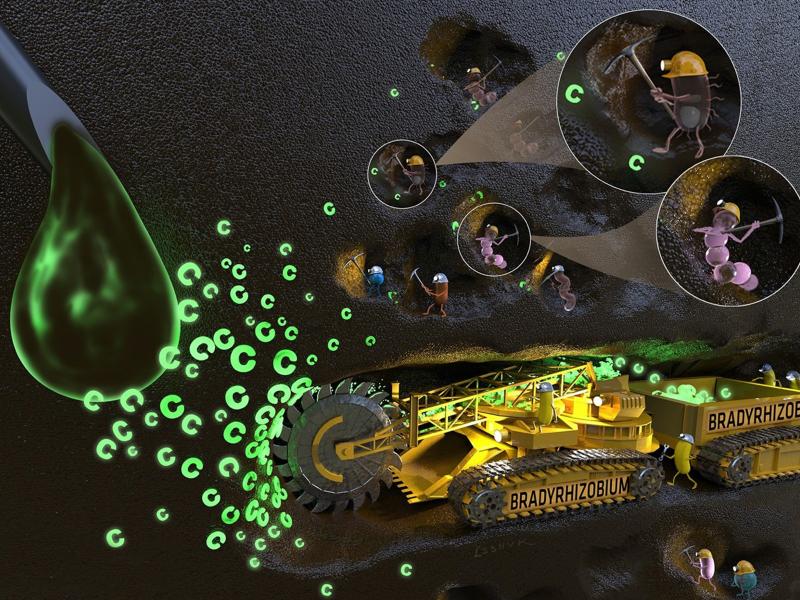
Microbiome and soil chemistry characterization at long-term bioenergy research sites challenges idea that switchgrass increases carbon accrual in surface soils of marginal lands.
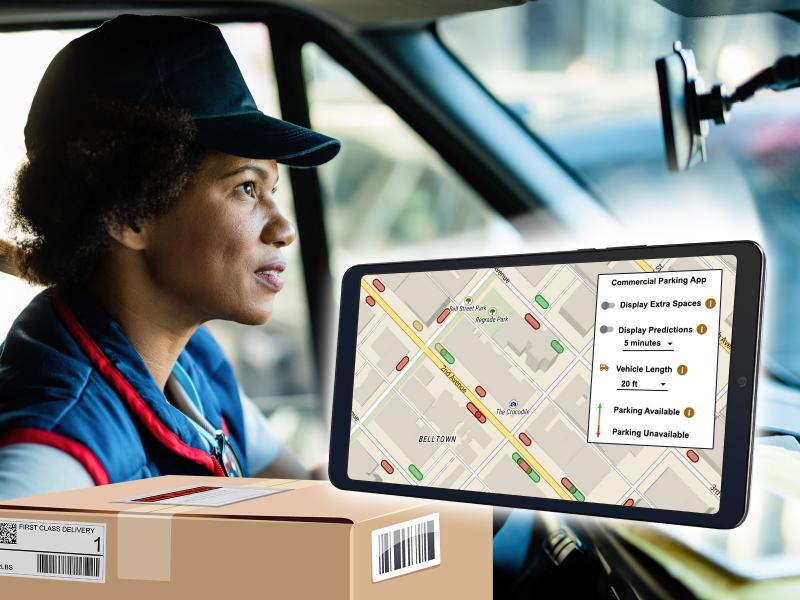
Using public data from the entire 1,500-square-mile Los Angeles metropolitan area, PNNL researchers reduced the time needed to create a traffic congestion model by an order of magnitude, from hours to minutes.
Clarivate Analytics recently unveiled its 2020 list of Highly Cited Researchers. The list named 17 PNNL scientists for their influential and oft-referenced work.
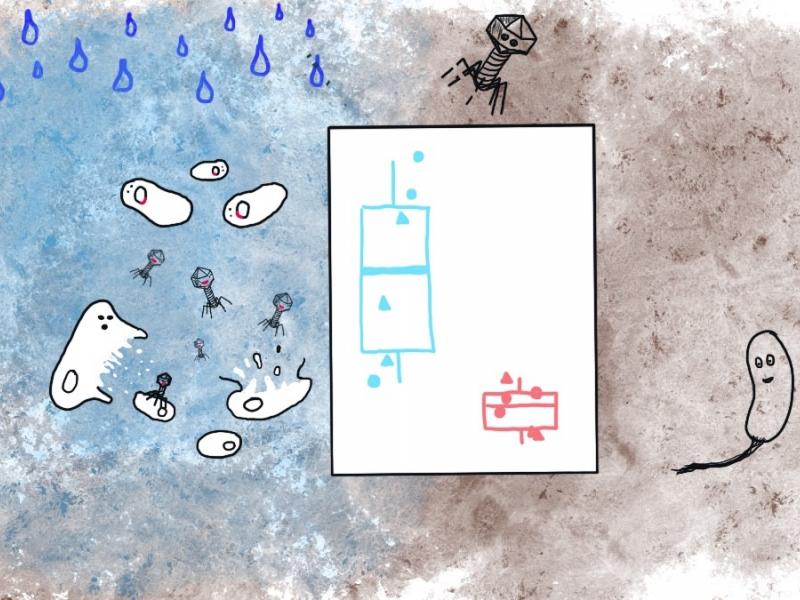
Two PNNL researchers, one a world-leading authority on microorganisms, the other an expert on coastal ecosystem restoration, have been elected fellows of the American Association for the Advancement of Science.
This committee represents the country’s soil science community in the International Union of Soil Sciences, advises The National Academies, and communicates with professional societies and organizations.
PNNL researchers have shown an improved binarized neural network can deliver a low-cost and low-energy computation to help the performance of smart devices and the power grid.
The project received an Innovative and Novel Computational Impact on Theory and Experiment (INCITE) award, a highly competitive U.S. Department of Energy Office of Science program.