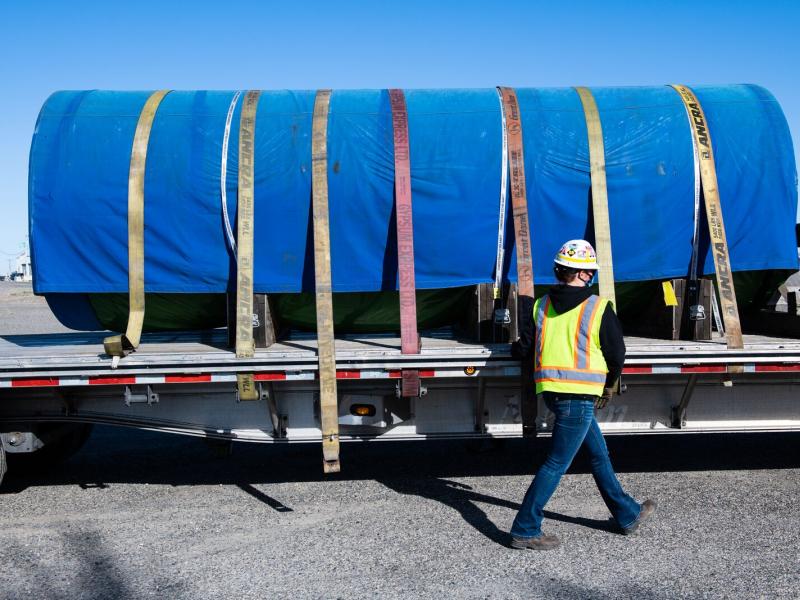
Three unused, 48,000-pound stainless steel canisters arrived at PNNL, bringing the chance to deepen research in spent nuclear fuel storage and transportation.
New facility that will accelerate energy storage innovation and make the nation’s power grid more resilient, secure and flexible has been given the green light to proceed by the U.S. Department of Energy.
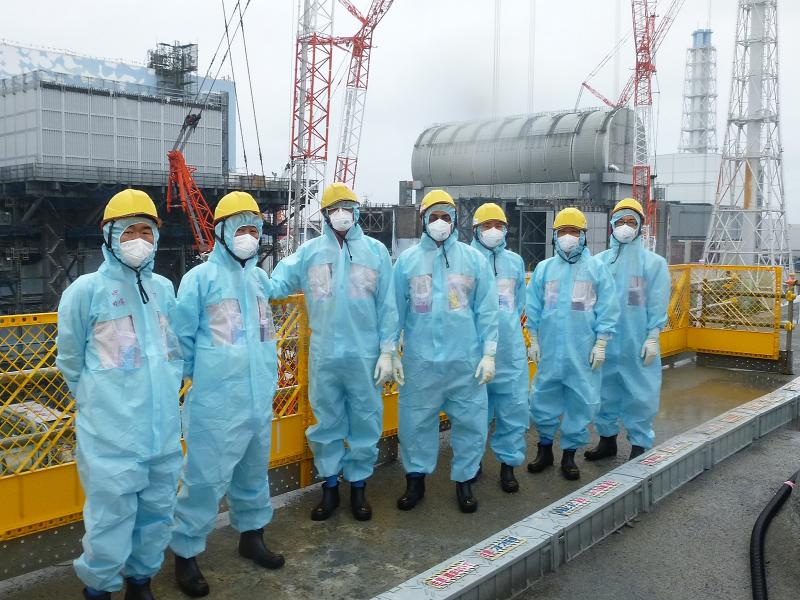
On the looming 10th anniversary of the Fukushima disaster at the Daiichi Power Station in Japan, PNNL looks back at the science and solidarity it has shared with Fukushima and its nuclear cleanup effort.
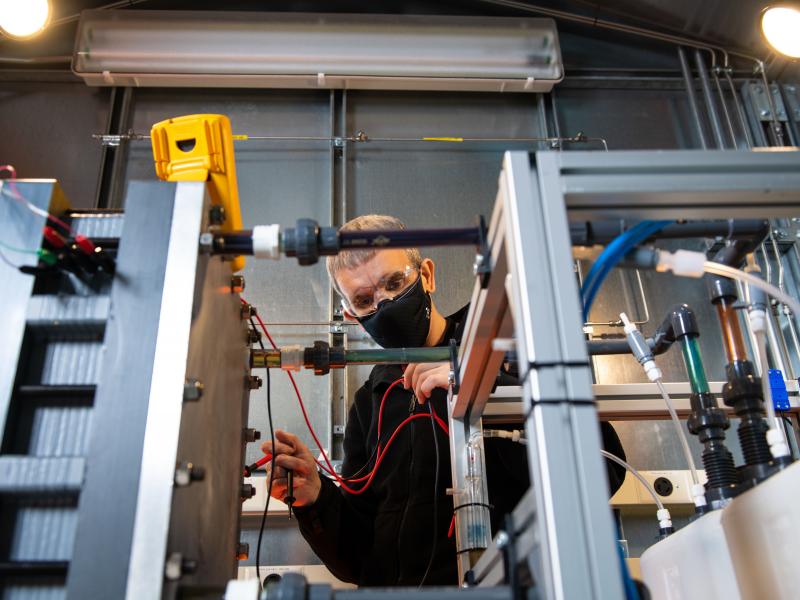
Innovative technology combines continuous, remote, real-time testing and monitoring of byproduct gasses, paving the way for faster advanced reactor development and testing.
Fifty-eight PNNL staff members were recognized as members of enterprise-wide teams that helped address challenges in national health and security through transformative science and technology solutions.
PNNL radiochemist and research manager Patricia Paviet named National Technical Director for the Molten Salt Reactor (MSR) Program by the U.S. Department of Energy’s Office of Nuclear Energy.
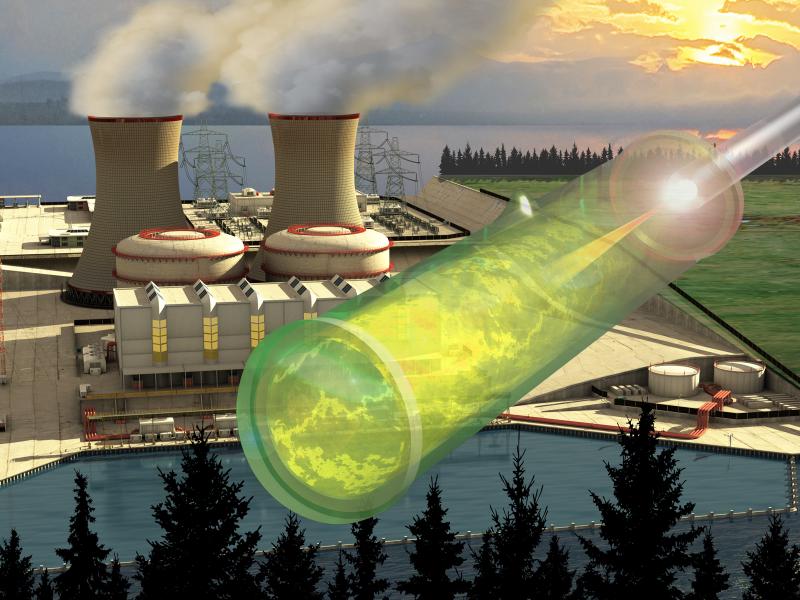
PNNL streamlines environmental review process for advanced reactors, saving years and millions of dollars toward deployments of new nuclear power projects.
PNNL formulated a new type of dual-ion cell chemistry that uses a zinc anode and a natural graphite cathode in an aqueous—or “water-in-bisalt”—electrolyte.
In 2020, virtual Washington State University teams successfully worked together in a program sponsored by the National Nuclear Security Administration’s (NNSA) Office of International Nuclear Safeguards.
Klymyshyn was recognized as “Engineer of the Year” by the American Society of Mechanical Engineers, Columbia Basin Section for his technical, professional, and community contributions.
Through two U.S. Department of Energy funding calls awarded in 2020, PNNL is partnering with industry and academia to advance battery materials and processes.
Scientists have created a single-crystal, nickel-rich cathode that is hardier and more efficient than before—important progress on the road to better lithium-ion batteries for electric vehicles.