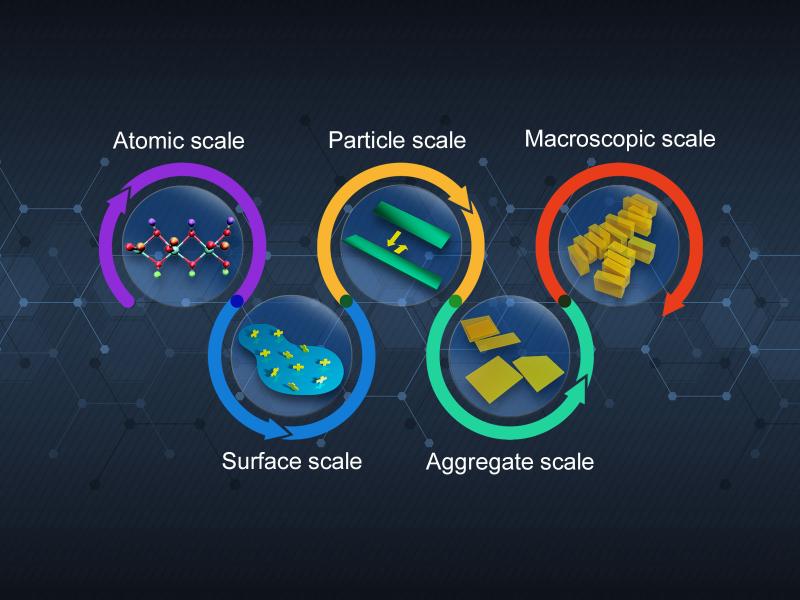
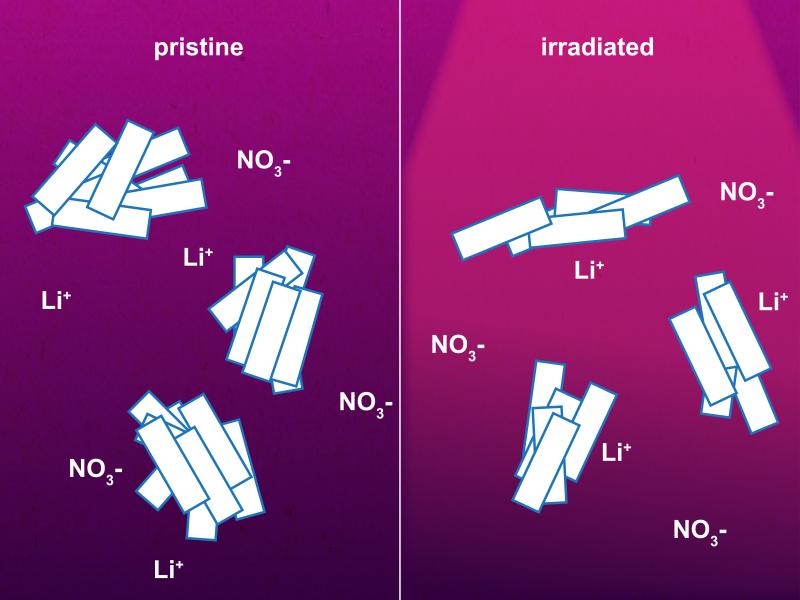
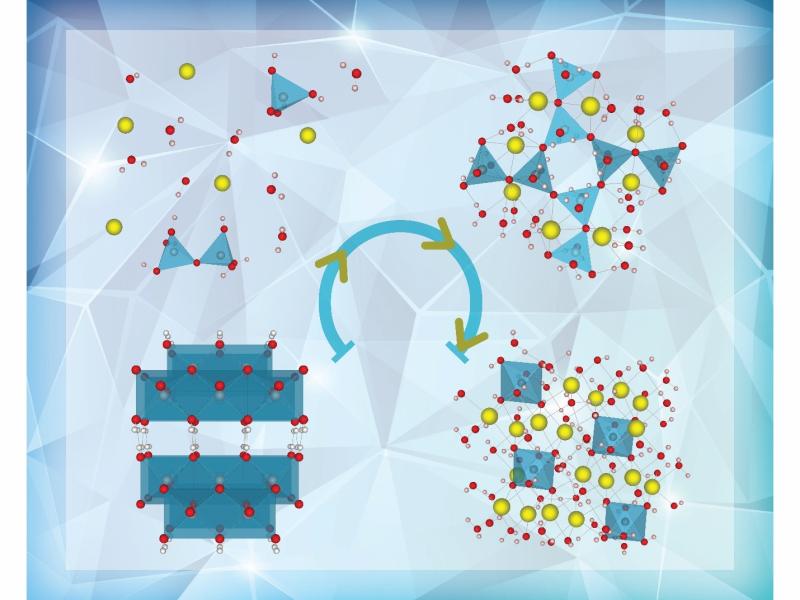
Resolving how nanoparticles come together is important for industry and environmental remediation. New work predicts nanoparticle aggregation behavior across a wide range of scales for the first time.
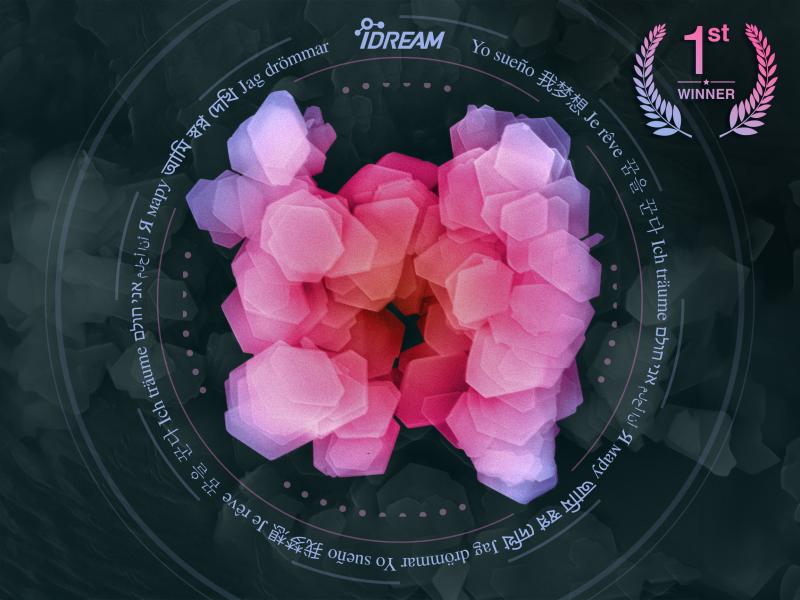
A poem inspired by radioactive tank waste—“Can a Scientist Dream it Alone?”—was awarded first place in the Department of Energy’s Poetry of Science Art Contest.
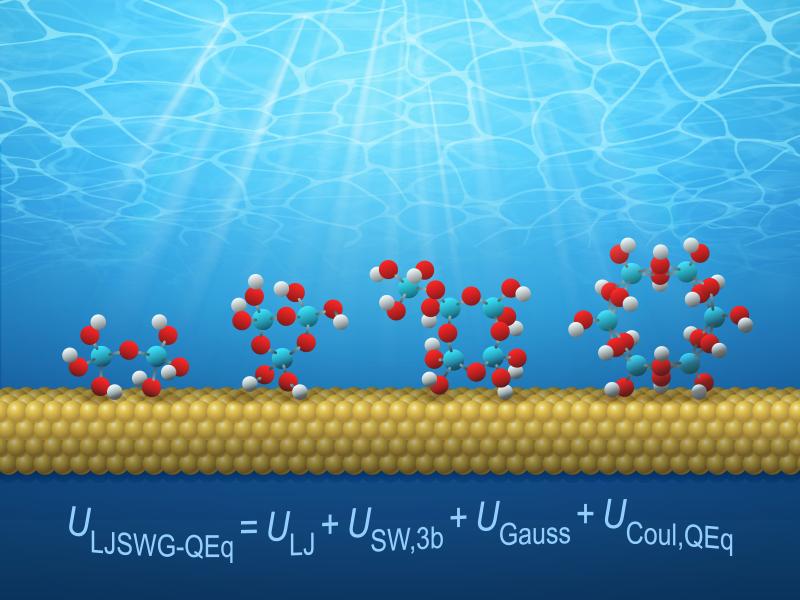
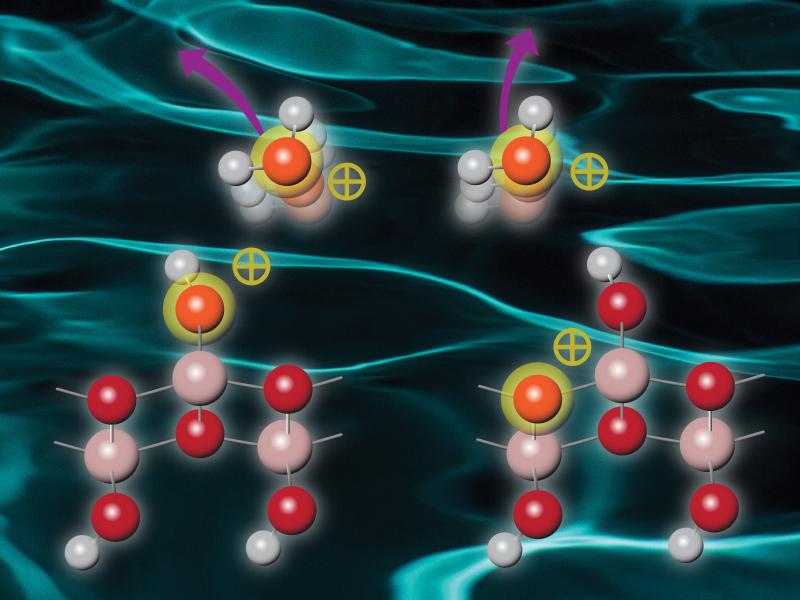
IDREAM research shows that keeping only the most important two- and three-body terms in reactive force fields can decrease computational cost by one order of magnitude, while preserving satisfactory accuracy.
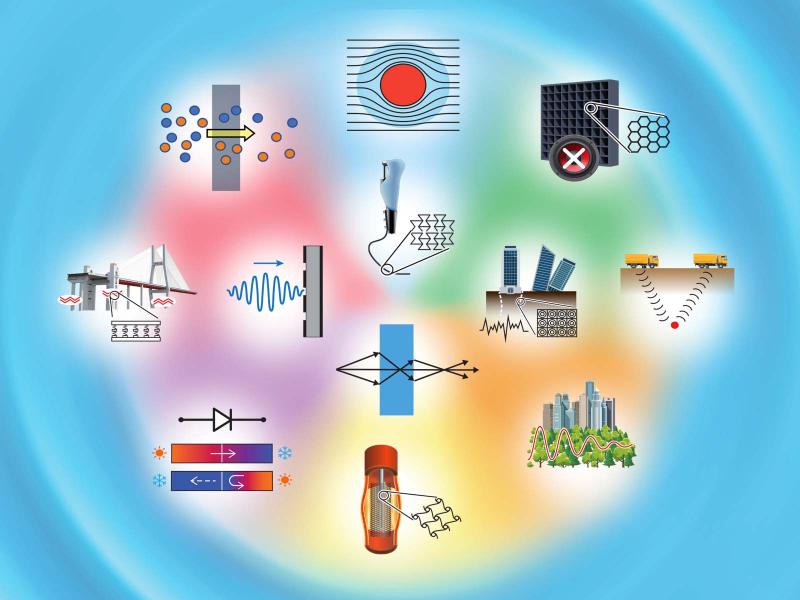
A review article led by researcher Jade Holliman explores the different classes of metamaterials, from the underlying fundamental science to potential applications.
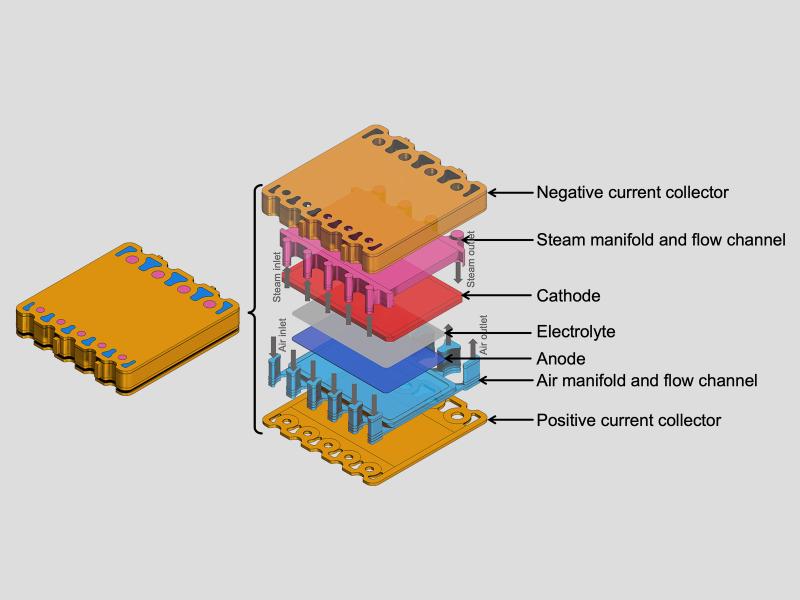
A PNNL team developed and used a model framework to understand the performance and structural reliability of a state-of-the-art solid oxide electrolysis cell design.
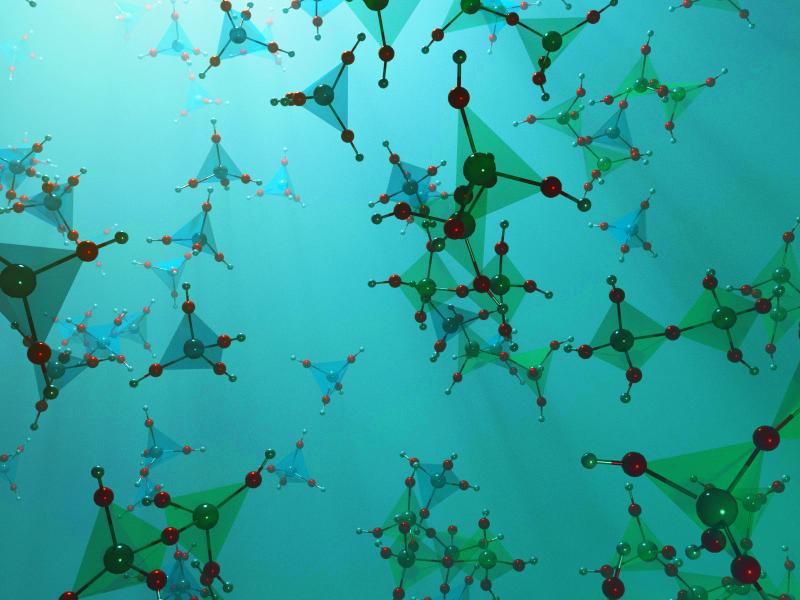
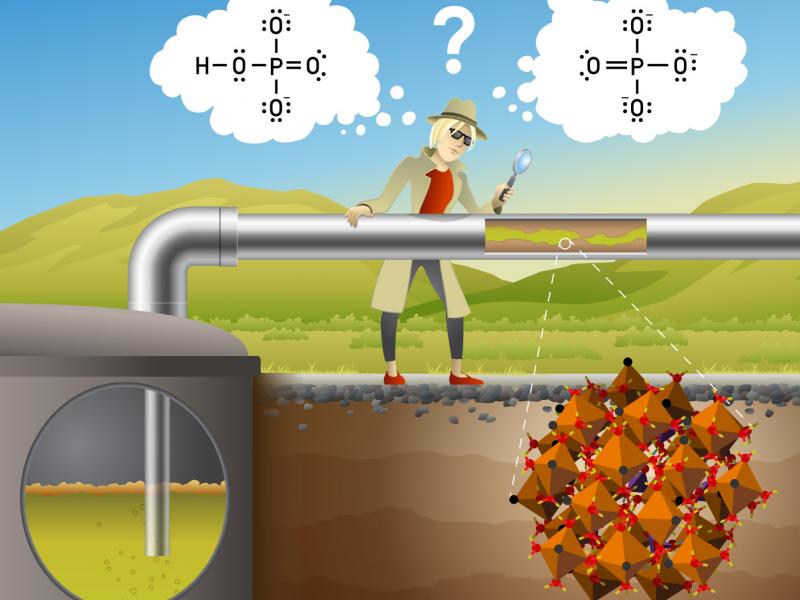
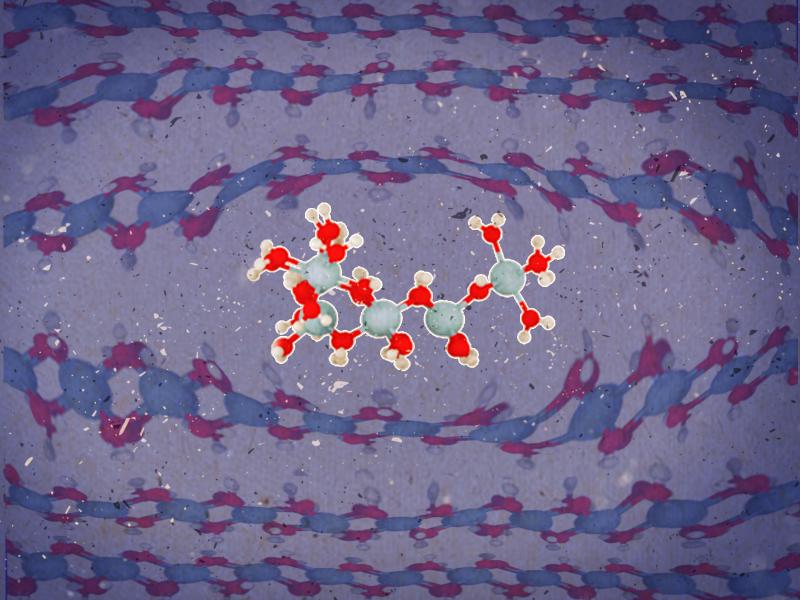
Developing a new understanding of the structure of natrophosphate, a complex mineral found in radioactive tank waste at the Hanford Site, by integrating experimental techniques.
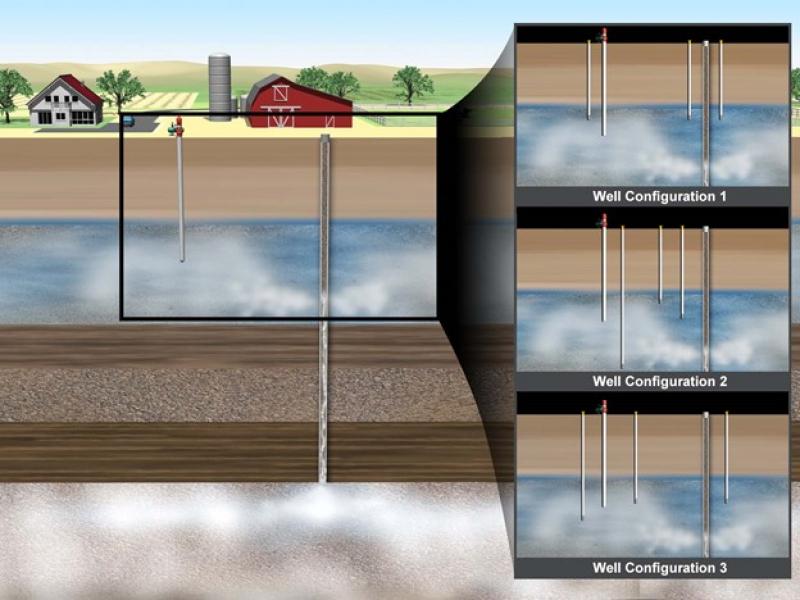
Updated flexible software generates and optimizes monitoring programs for detecting potential leaks from geological carbon storage with an enhanced user experience.
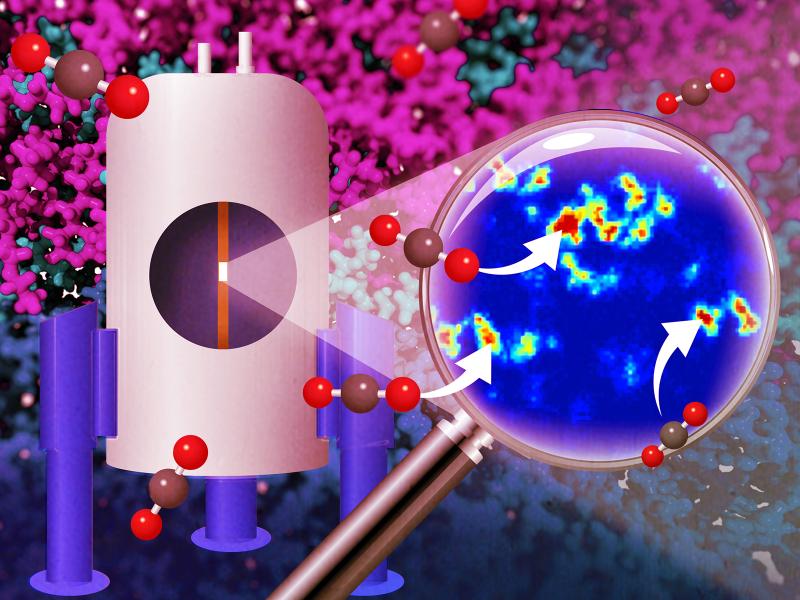
A new perspective article discusses how integrating carbon dioxide capture and conversion in solvents can lead to cheaper and more efficient carbon management systems.
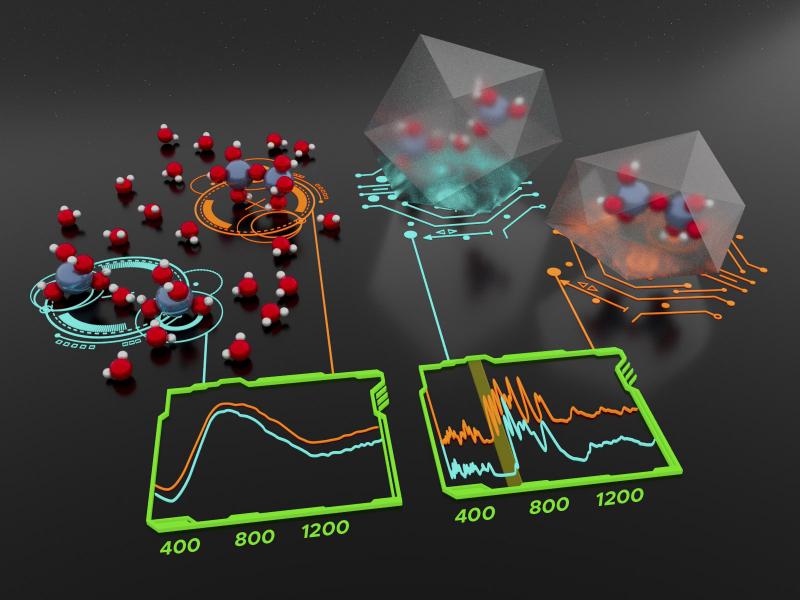
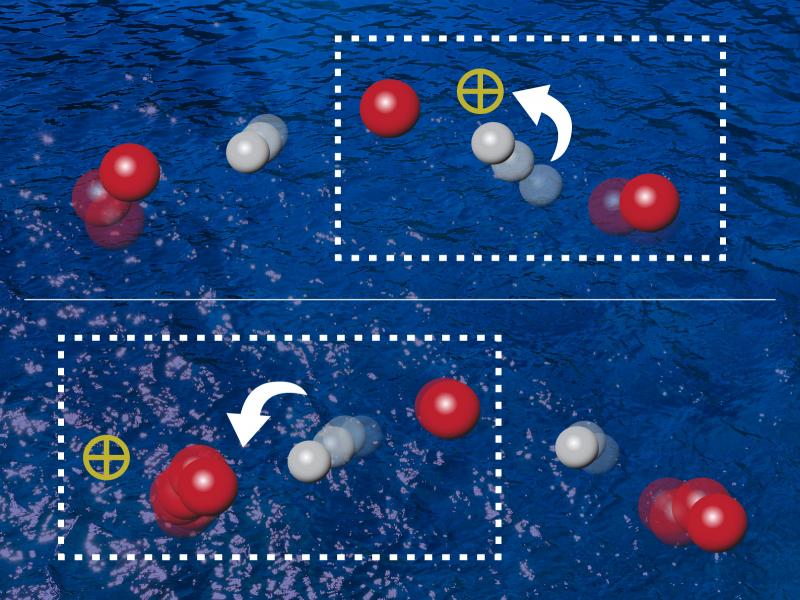
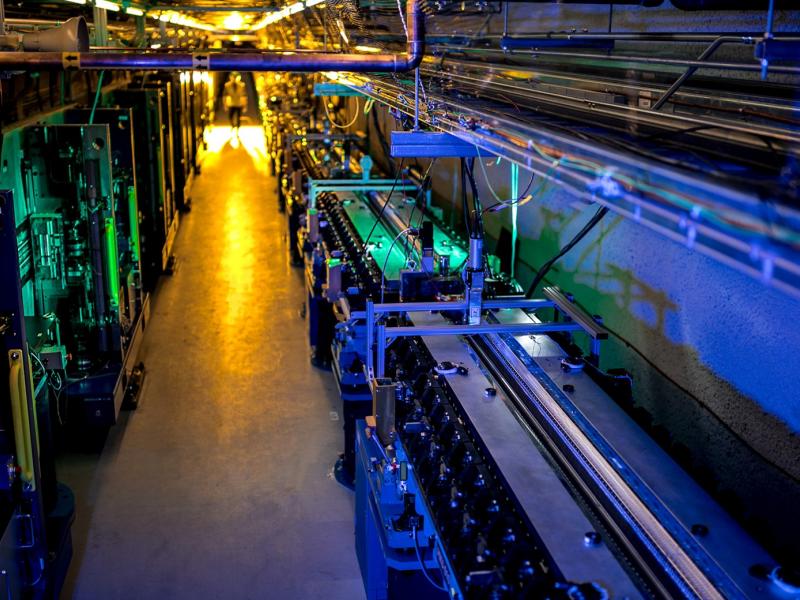
IDREAM researchers assess the potential of photon-in/photon-out XFEL techniques to explore early time reaction steps and ultimately improve nuclear waste processing strategies.