A feasibility study conducted by PNNL for DOE via the National Reactor Innovation Center looked at the potential for using small modular reactors to generate nuclear energy to power maritime port operations.
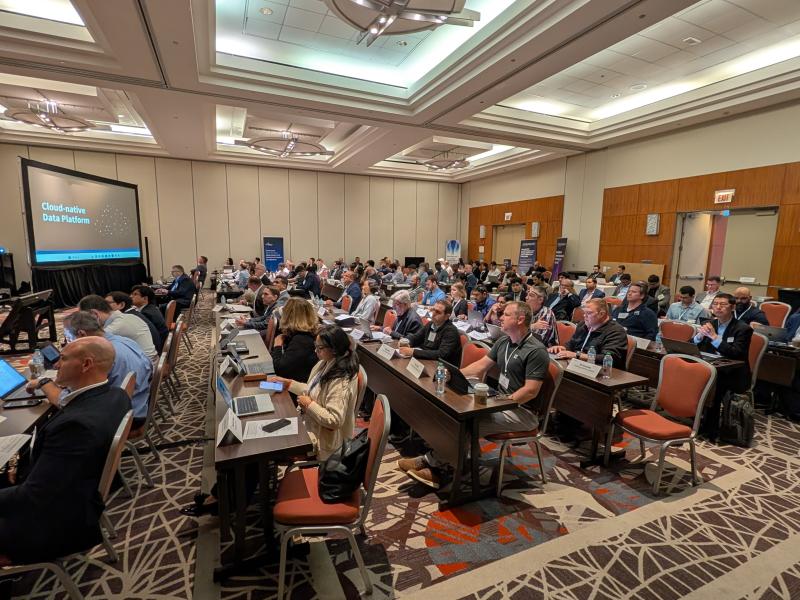
Assistant Secretary Katie Jereza joined NASPI’s fall meeting, where utilities and researchers explored grid measurements that support reliable electricity.
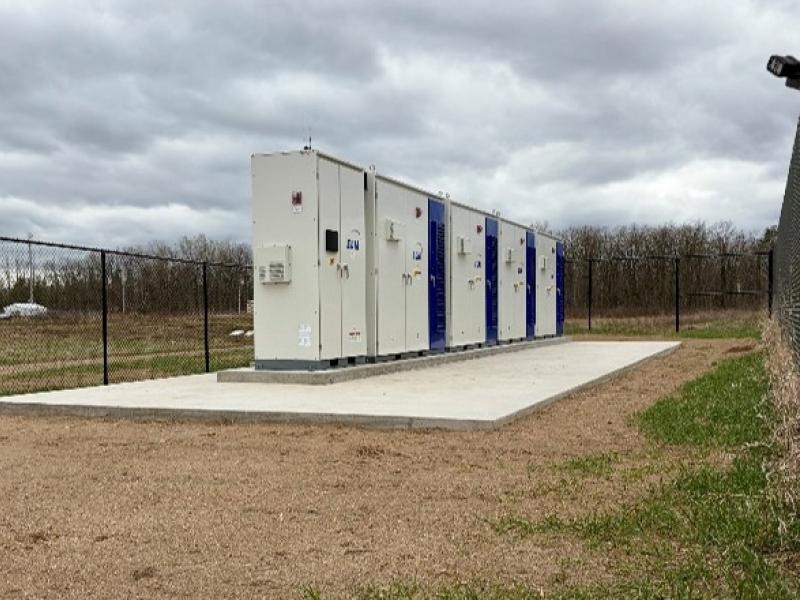
A perspective paper recently published by PNNL researchers underscores how the Lab’s research on electrochemical energy storage is preparing the electric grid to meet the energy needs of the future.
From developing new energy storage materials to revealing patterns of Earth’s complex systems, studies led by PNNL researchers are recognized for their innovation and influence.
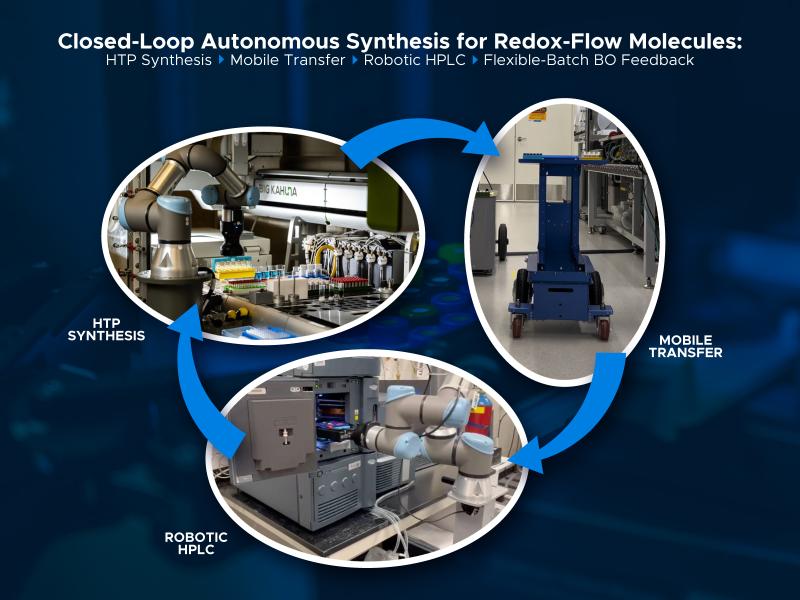
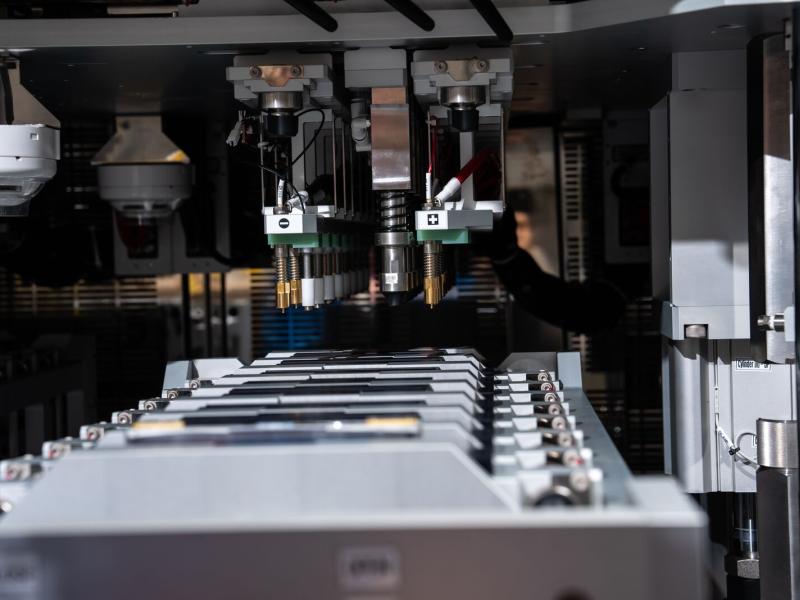
A closed-loop workflow brings together digital and physical frameworks to advance high-throughput experimentation on redox-active molecules in flow batteries.
PNNL's E-COMP initiative is helping unleash American energy innovation with advanced theories, models, and software tools to better operate power systems that rely heavily on high-speed power electronic control.
PNNL researchers have published their paper, “Introducing Molecular Hypernetworks for Discovery in Multidimensional Metabolomics Data,” in the Journal of Proteome Research.
Ampcera has an exclusive licensing agreement with PNNL to commercially develop and license a new battery material for applications such as vehicles and personal electronics.
EZBattery Model allows energy storage researchers to more quickly and easily identify the best performing battery designs without the need for extensive physical prototyping or computationally expensive simulations.