PNNL contributes to 30 years of data on clouds, radiation, and other climate-making factors as part of field campaigns and analysis conducted by DOE's Atmospheric Radiation Measurement user facility.
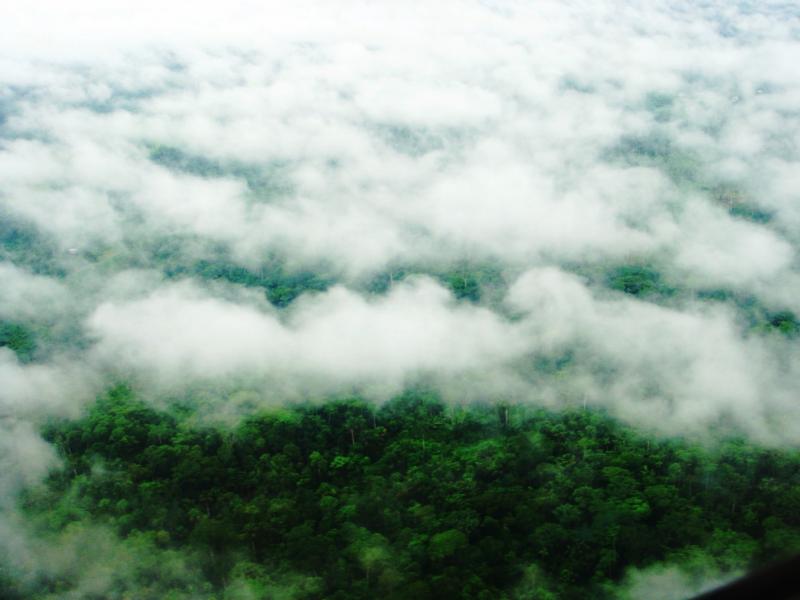
Combining aircraft measurements and regional modeling allowed researchers to identify the role of in-plant biochemistry in secondary organic aerosol formation.
Moving toward a deeper understanding of the influence of large marine biogenic particles on cloud ice formation by combining modeling and observational data.
Developing conceptual models for microbial-environmental–ecosystem interactions is key to enhancing the ability of models to predict future ecosystem function.
The rapid growth of urban nanoparticles via the condensation of organic vapors substantially alters shallow cloud formation and suppresses precipitation.
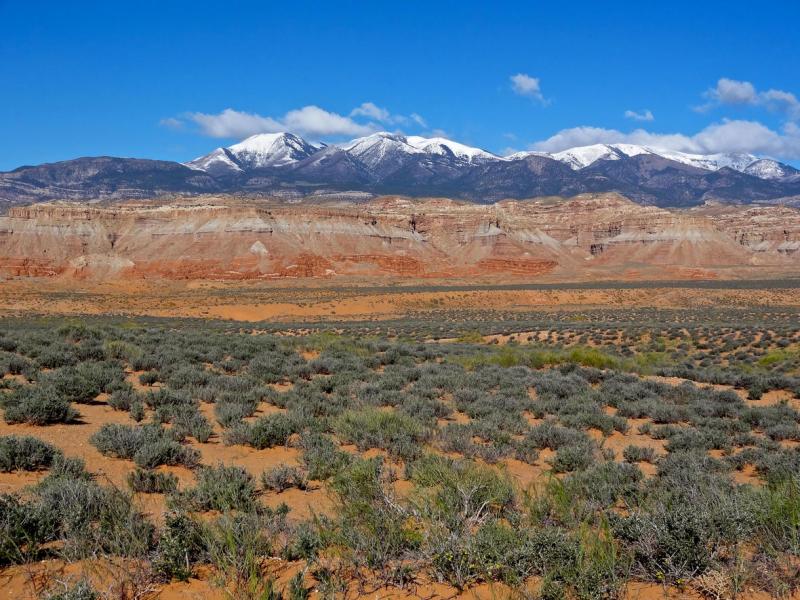
To study the impact of accelerated dryland expansion and degradation on global dryland gross primary production (GPP,) PNNL and Washington State University researchers assessed GPP data from 2000-2014 and the CMIP5 aridity index (AI).
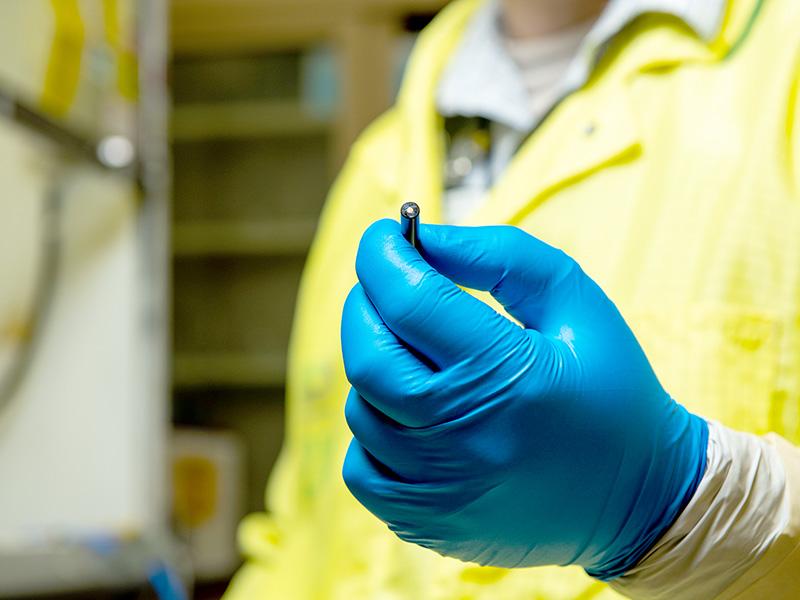
Existing techniques to detect pertechnetate in the environment have drawbacks. PNNL’s redox sensor technology uses a gold probe to accurately and efficiently measure low levels of pertechnetate—and possibly other contaminants—in groundwater
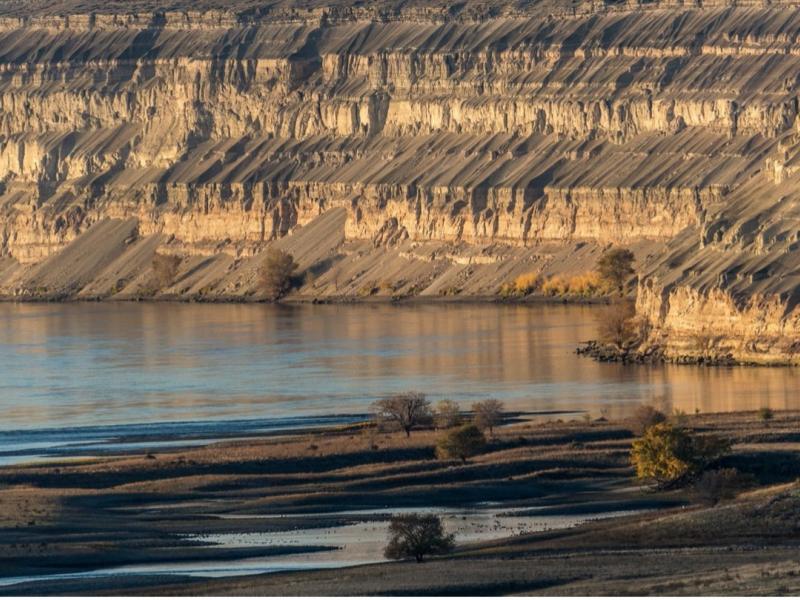
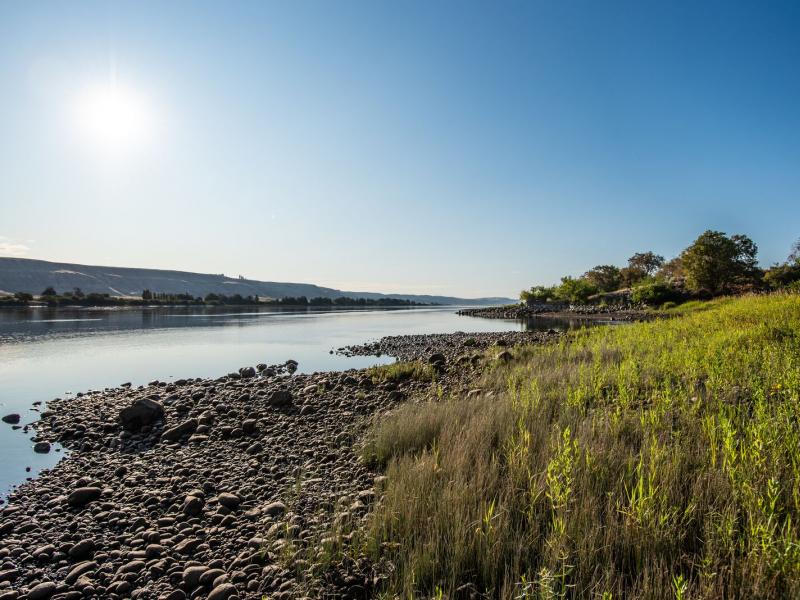
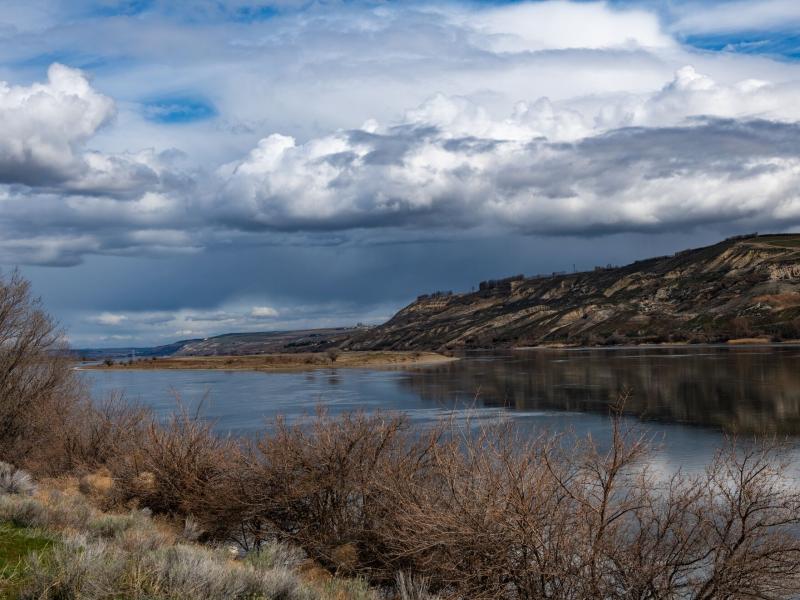
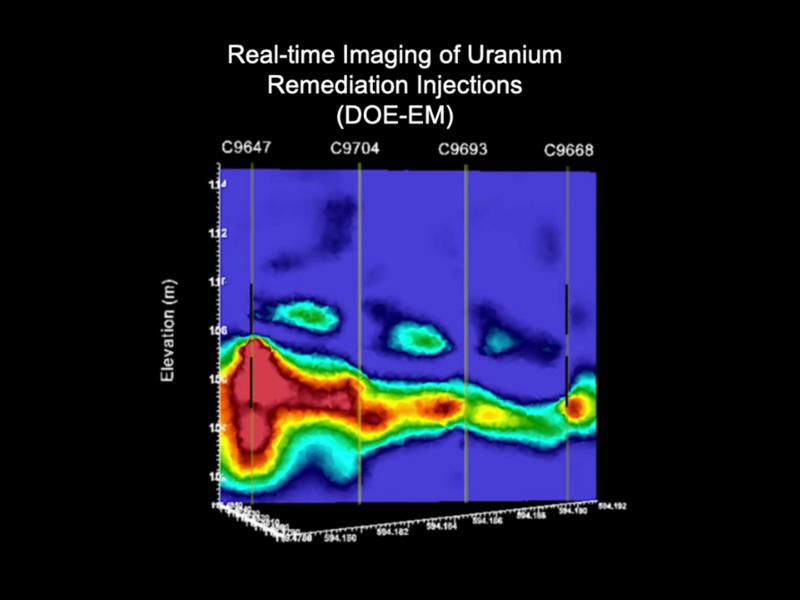
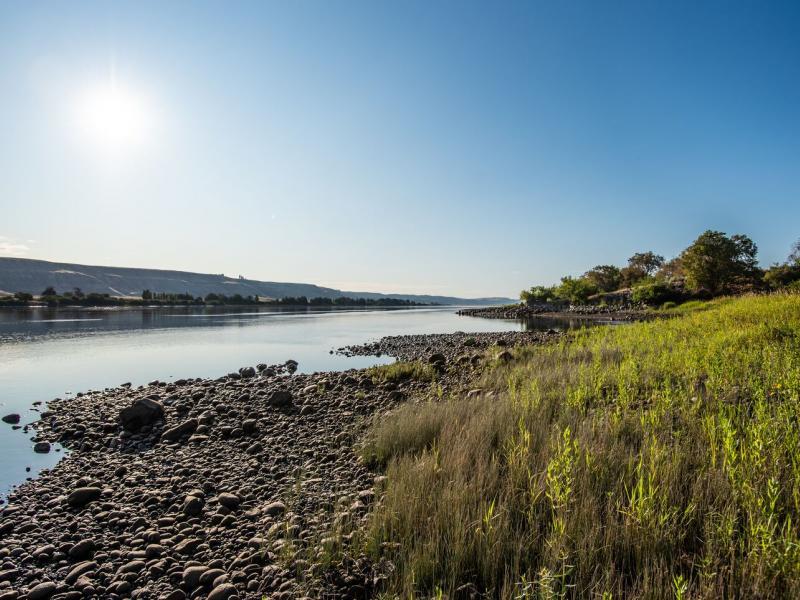
A recent paper published in Water Resources Research found that the spatial variability of subsurface sediments, and seasonal fluctuations in a river’s water level, influences the behavior of a uranium contaminant plume, particularly in ...
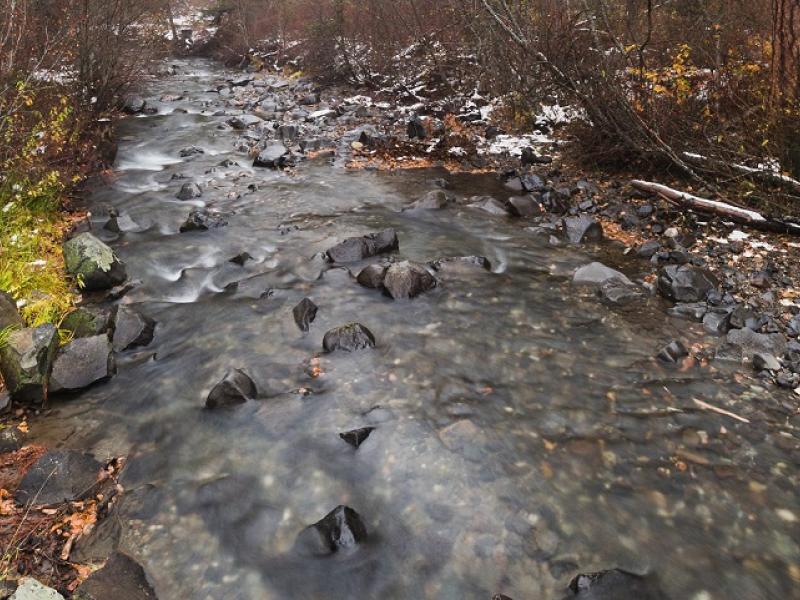
DOE researchers investigated the role of microbial genetic diversity in two major subsurface biogeochemical processes: nitrification and denitrification.