Thomas Komay, Ian Parzyszek, Hannah Patz, and Michael Romero are leveraging their backgrounds in radiochemistry, math, and nuclear engineering to advance NFTI projects. They gained a deeper understanding of nuclear forensics.
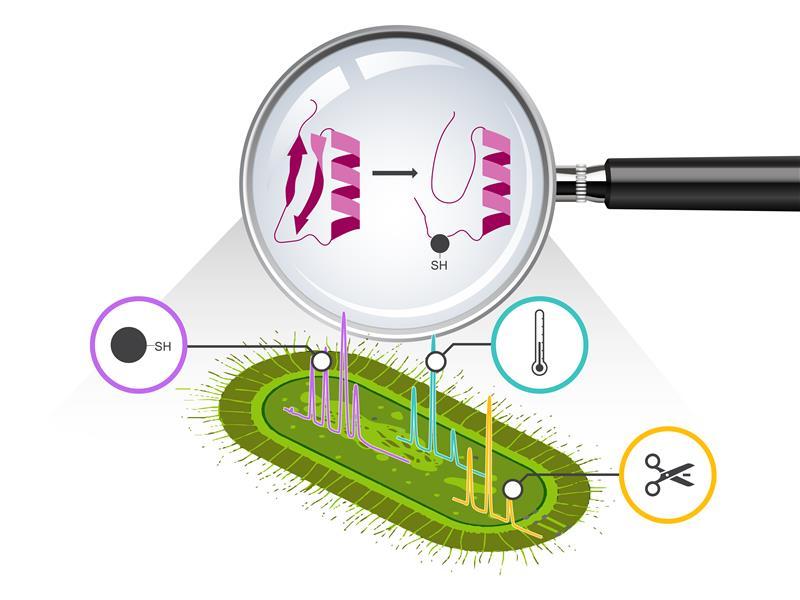
From studying the multisector ripple effects of extreme events to exploring the chemical reactions that underlie life on Earth, two up-and-coming PNNL scientists were recognized for their scientific vision and prowess.
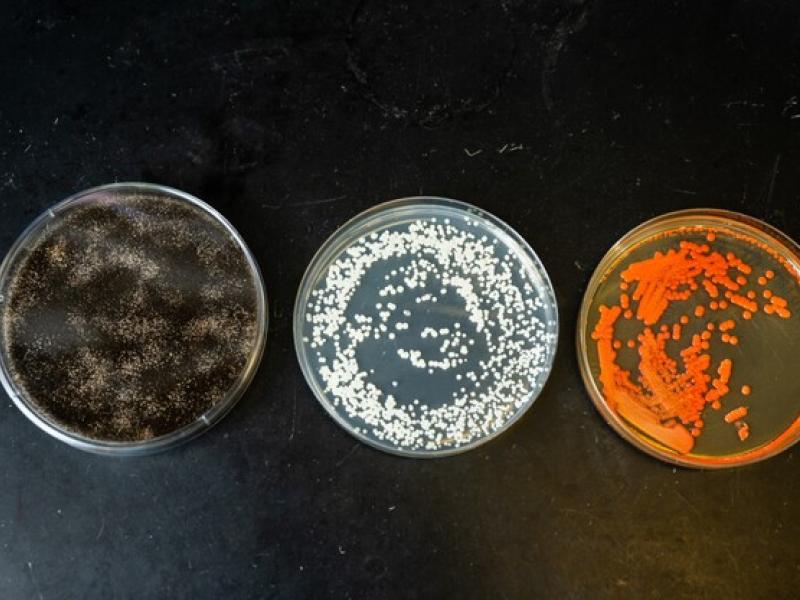
Integrating experiments and modeling show how a fungal exudate-inspired substrate mixture elicits an emergent growth phenotype and metabolic responses in Pseudomonas putida.
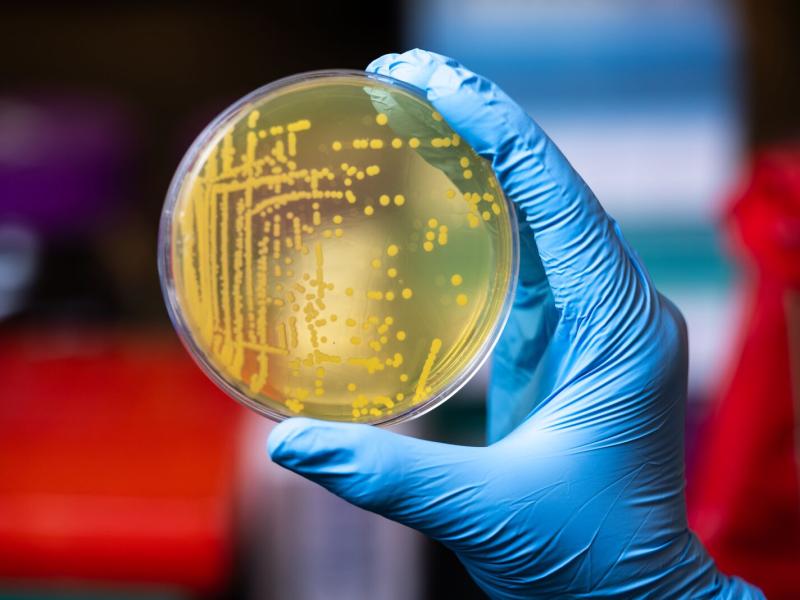
Uncovered how the choice of carbon source influences the stress tolerance, redox balance, and regulatory responses of yeast, which can help provide resilience against scale-up challenges.
A team from PNNL joined the Department of Homeland Security Science and Technology Directorate and first responders from across the country to evaluate commercially available unmanned ground vehicles for emergency response.
PNNL has administered NGFP on behalf of NNSA since 2002. Looking toward the future, NGFP has signed a partnership agreement with INMM with the goal of expanding its reach to more future leaders with a passion to serve.
PNNL has developed a next-generation electrical resistivity tomography system for DOE that uses E4D software and AI-enhanced modeling to produce real-time subsurface images that help guide environmental remediation decisions.
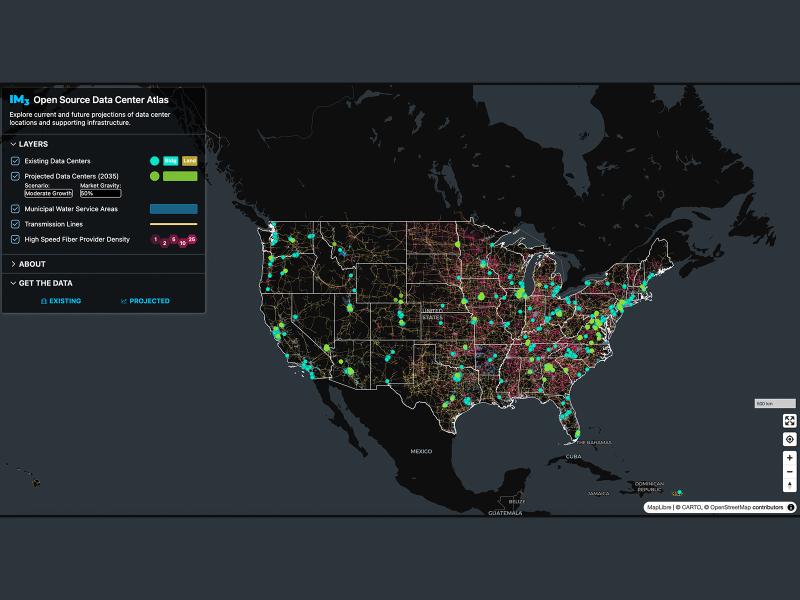
Now, anyone can easily explore and access data from a nationwide map of data centers, the infrastructure that powers them, and projections of future data center locations.
Researchers at PNNL share a research- and practitioner-informed approach to assess the threat landscape, elicit and integrate feedback into solutions, and ultimately share outcomes with the emergency response and public safety community.