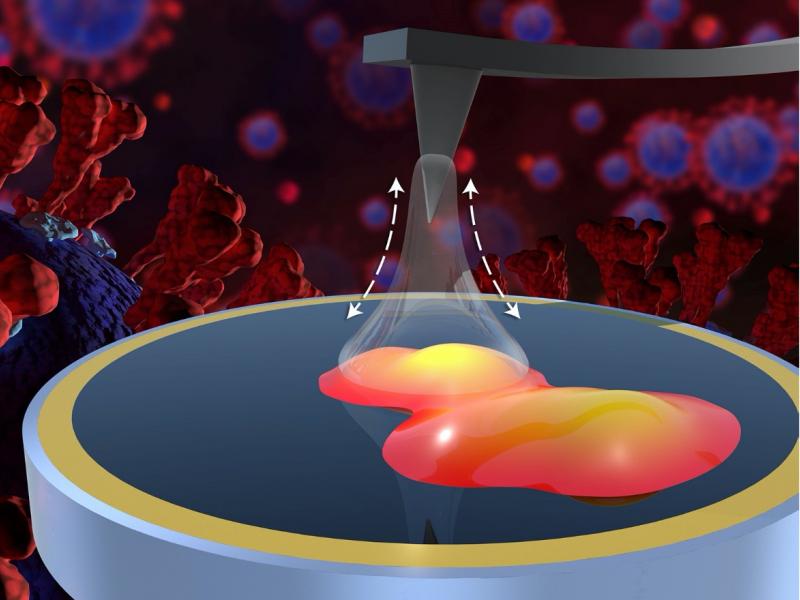
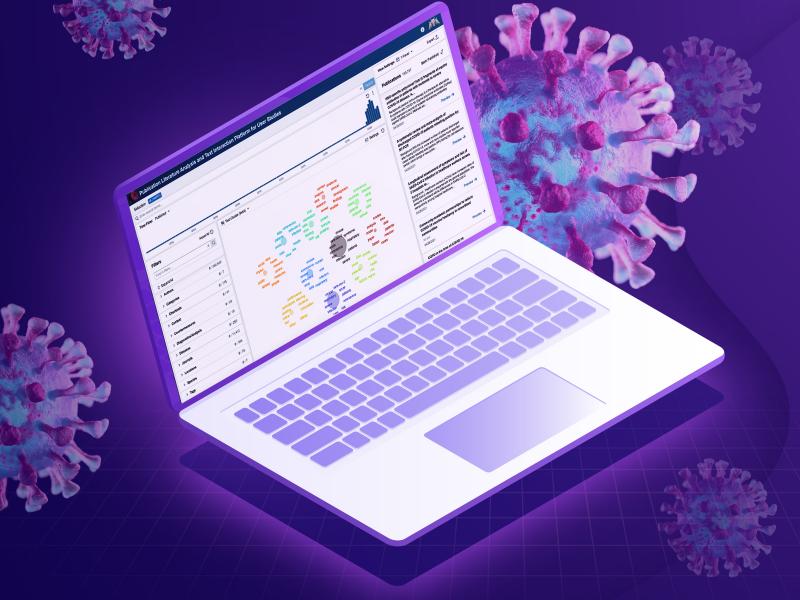
A multi-institutional team has obtained information about nanoscale interactions between the spike protein of the novel coronavirus SARS-CoV-2 and common household inorganic surfaces.
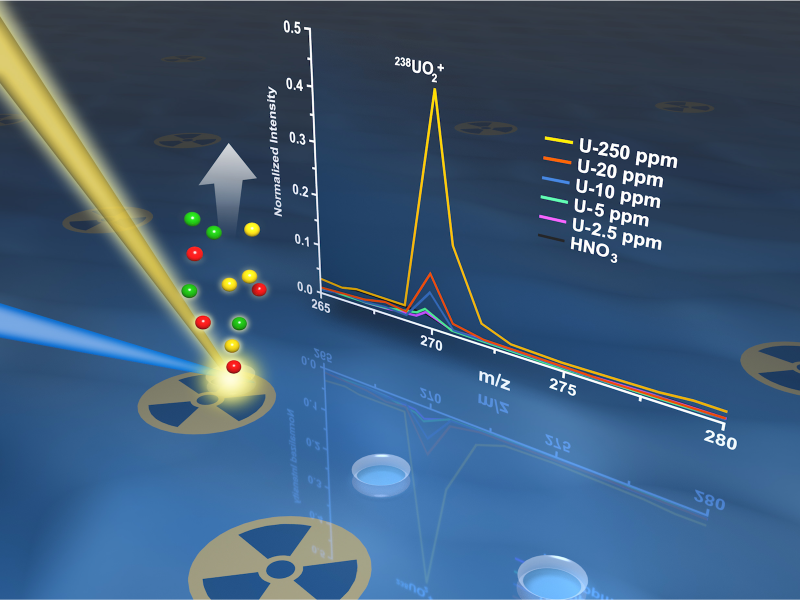
Pacific Northwest National Laboratory researchers developed a patented, nearly non-destructive approach, known as liquid secondary ion mass spectrometry, to analyze nuclear samples.
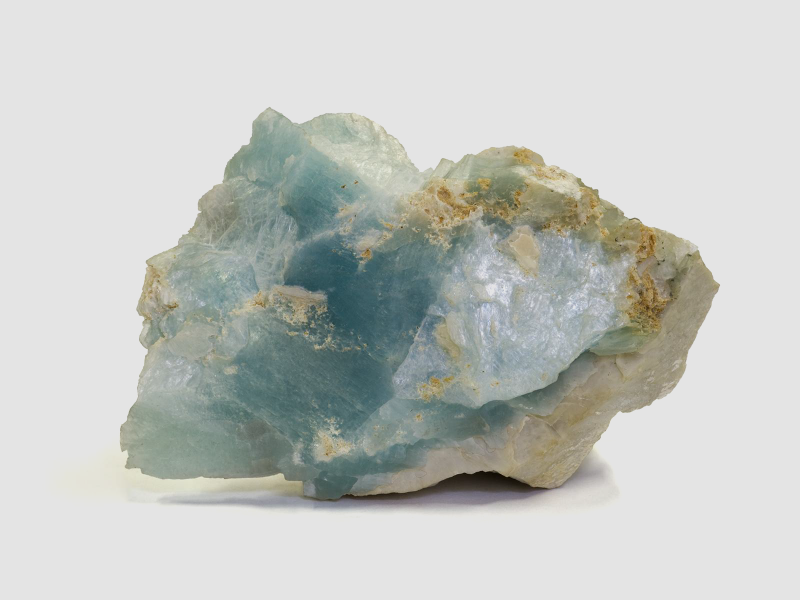
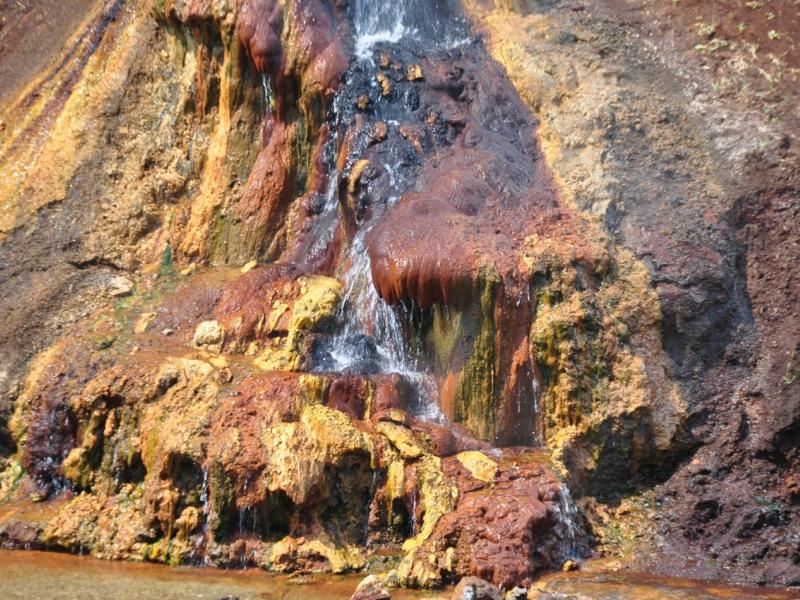
Theoretical work shows that an important natural iron source can be described as a nanoscale composite of different, but experimentally indistinguishable, structures.
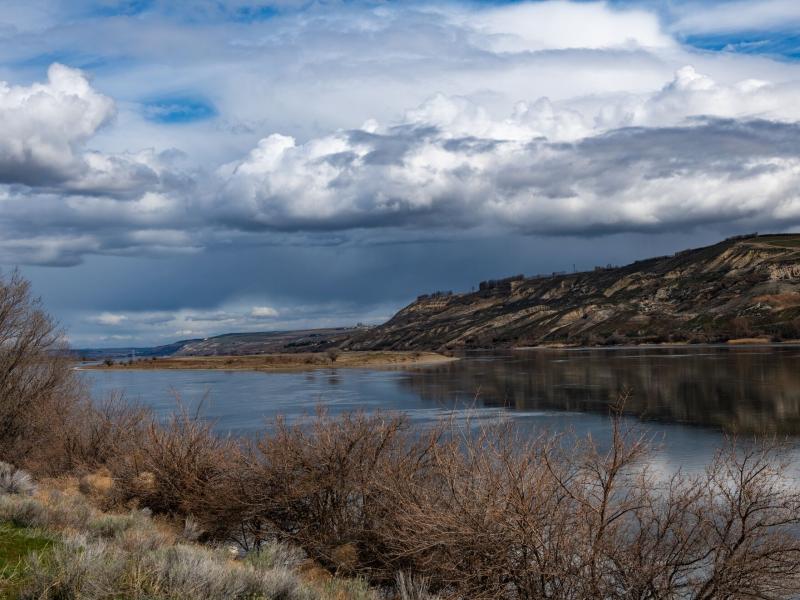
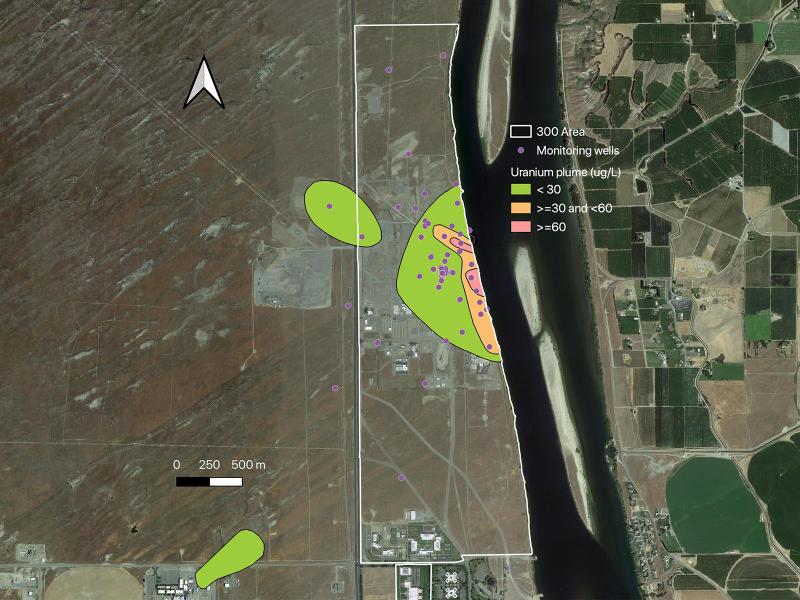
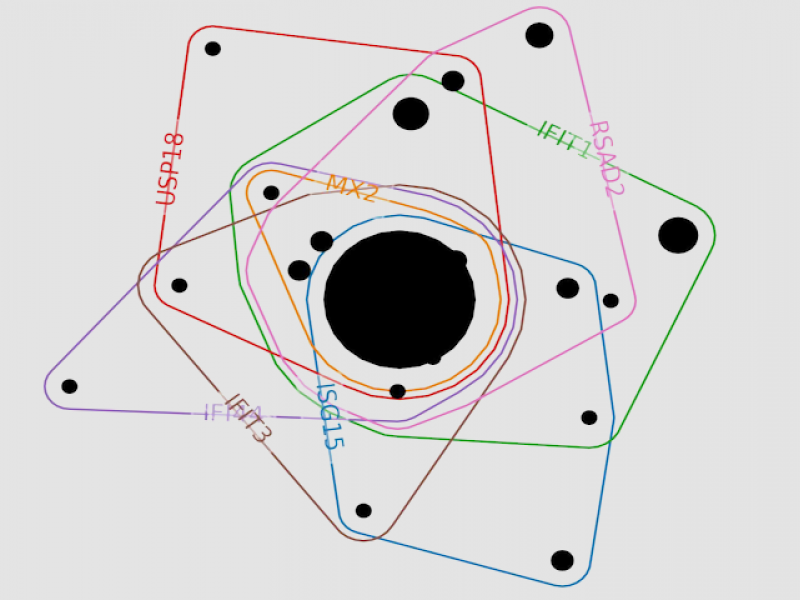
Integrating hydrogeology and biogeochemistry are required to model the dynamics of geochemical processes occurring in river corridor zones where groundwater and surface water mix.
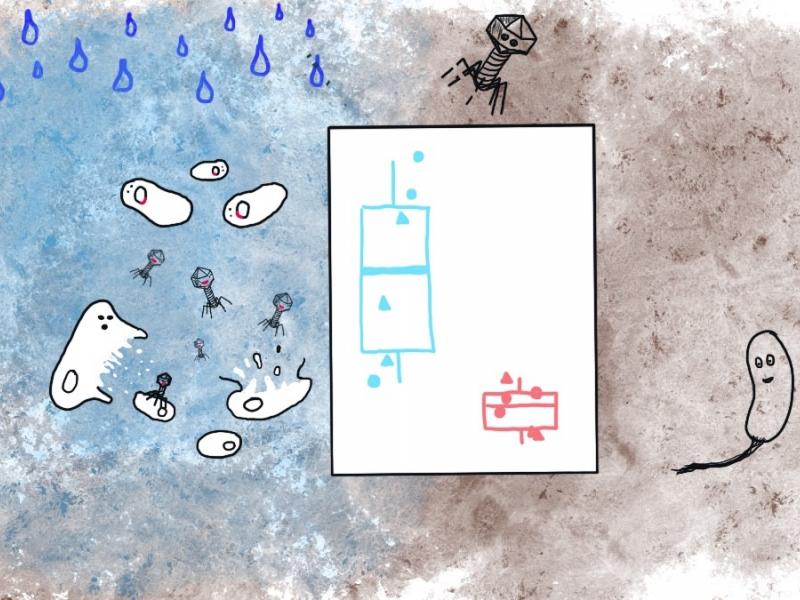
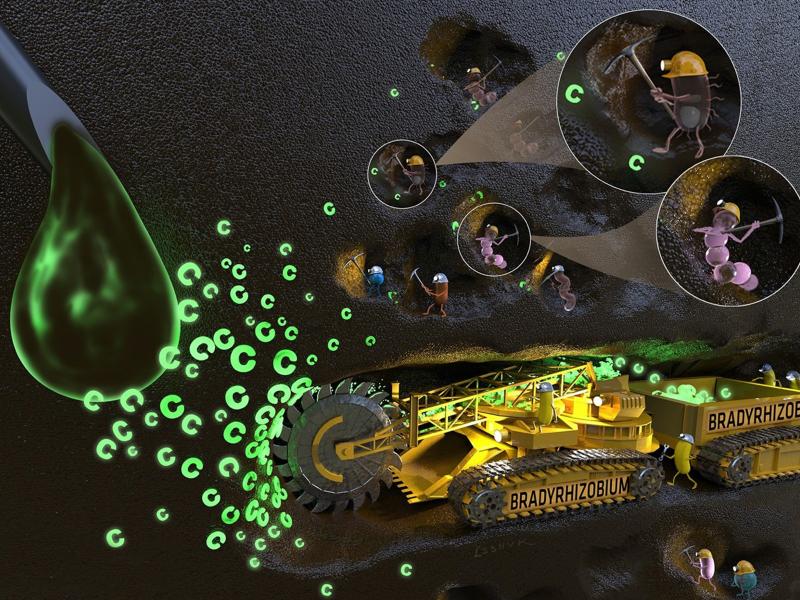
Knowing which bacteria in a community are involved with carbon cycling could help scientists predict how microbial carbon storage and release could influence future climate dynamics.
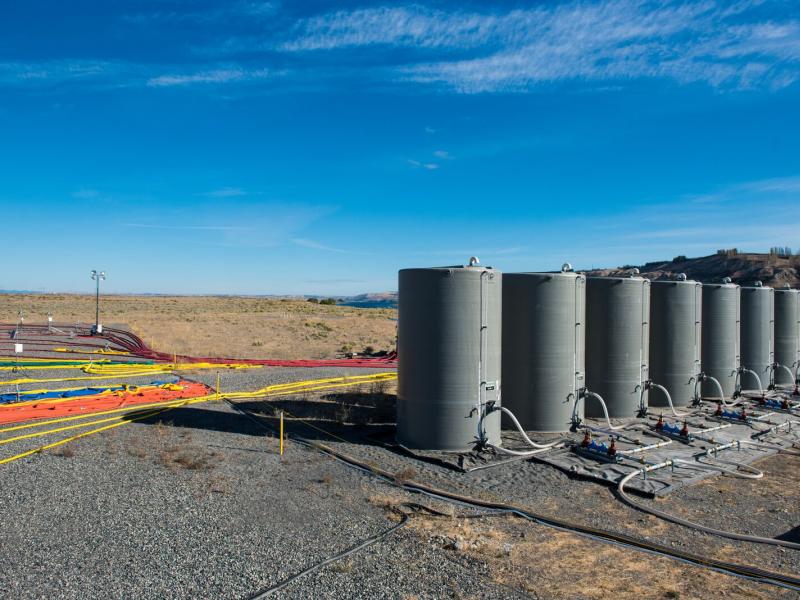
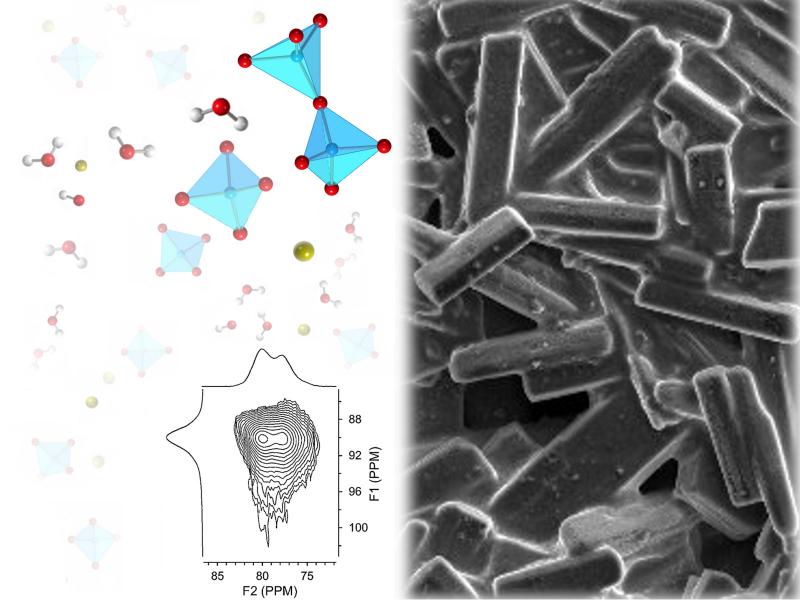
IDREAM study characterizes chemical species and mechanisms that control aluminum salt and mineral crystallization for nuclear waste retrieval, processing.
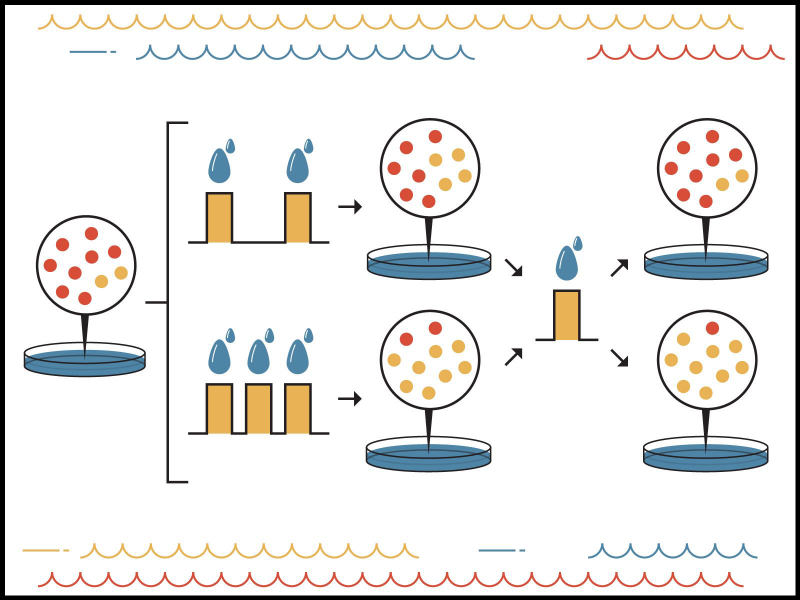
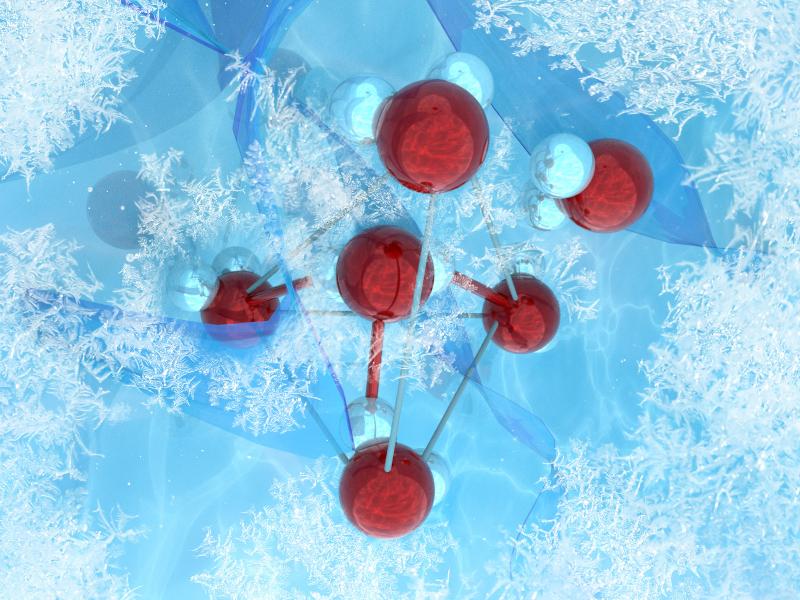
New study elucidates the complex relaxation kinetics of supercooled water using a pulsed laser heating technique at previously inaccessible temperatures.